





Montelukast 10mg + Acebrophylline SR 200mg: उपयोग, फायदे और सही खुराक की पूरी जानकारी
Aug 26, 2026
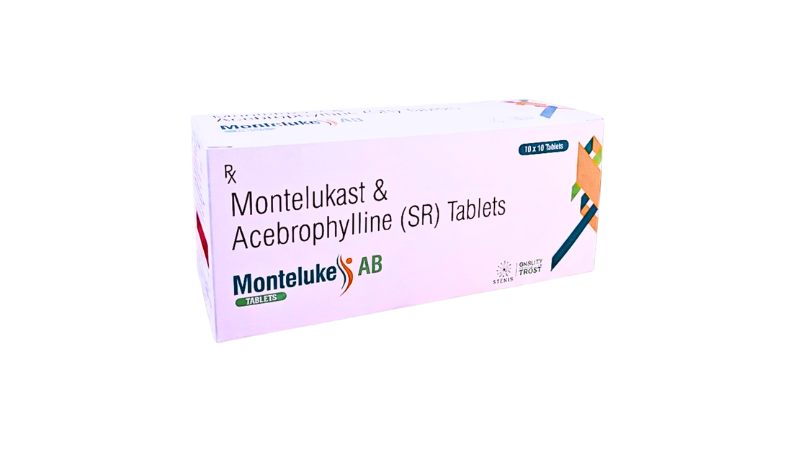
MONTELUKE AB, Steris Healthcare द्वारा तैयार किया गया एक कॉम्बिनेशन फॉर्मूलेशन है, जिसमें Montelukast 10mg और Acebrophylline SR 200mg शामिल हैं। यह दवा मुख्यतः श्वसन तंत्र (respiratory system) से जुड़ी समस्याओं जैसे अस्थमा (Asthma), क्रॉनिक ऑब्सट्रक्टिव पल्मोनरी डिजीज़ (COPD), एलर्जिक ब्रोंकाइटिस, और बार-बार होने वाली सांस की नली में सूजन (airway inflammation) के प्रबंधन में सहायक भूमिका निभाती है।
Montelukast 10mg एक Leukotriene Receptor Antagonist (LTRA) है, जो शरीर में सूजन पैदा करने वाले रासायनिक तत्वों (leukotrienes) को ब्लॉक करके एयरवेज़ की सूजन और संकुचन (bronchoconstriction) को कम करता है। वहीं Acebrophylline, एक ब्रोंकोडायलेटर और म्यूकोलिटिक (mucolytic) एजेंट है, जो फेफड़ों में जमा बलगम को पतला करके निकालने में मदद करता है और सांस की नली को खोलने का काम करता है।
Tab Montelukast 10mg और Acebrophylline Tablet का यह संयोजन उन मरीज़ों के लिए विशेष रूप से उपयोगी माना जाता है, जिन्हें सांस फूलना, लगातार खांसी, छाती में जकड़न, या एलर्जी-जनित श्वसन संबंधी परेशानियां होती हैं। Montelukast 10 mg Tablet Uses in Hindi के संदर्भ में यह मुख्यतः अस्थमा नियंत्रण और एलर्जिक राइनाइटिस (allergic rhinitis) के लक्षणों को कम करने के लिए इस्तेमाल की जाती है।
यह क्यों महत्वपूर्ण है (Why It's Important)
श्वसन संबंधी दीर्घकालिक बीमारियां जैसे अस्थमा और COPD, न केवल शारीरिक असुविधा पैदा करती हैं बल्कि समय पर सही प्रबंधन न होने पर जीवन की गुणवत्ता को गंभीर रूप से प्रभावित कर सकती हैं। MONTELUKE AB इसलिए महत्वपूर्ण है क्योंकि यह दो अलग-अलग लेकिन पूरक (complementary) मैकेनिज़्म के ज़रिए काम करता है:
एक ओर Montelukast सूजन के मूल कारण (leukotriene-mediated inflammation) को नियंत्रित करता है, तो दूसरी ओर Acebrophylline वायुमार्ग को चौड़ा करके (bronchodilation) और बलगम को पतला करके (mucolytic action) सांस लेने की प्रक्रिया को आसान बनाता है। यह दोहरी क्रियाविधि (dual-action approach) इसे उन मरीज़ों के लिए विशेष रूप से लाभदायक बनाती है, जिन्हें केवल एक दवा से पर्याप्त राहत नहीं मिल पाती।
इसके अलावा, बदलते मौसम, प्रदूषण, धूल-मिट्टी और एलर्जन्स के कारण भारत में श्वसन संबंधी बीमारियों के मामले लगातार बढ़ रहे हैं — ऐसे में समय पर सही कॉम्बिनेशन थेरेपी लेना दीर्घकालिक जटिलताओं को रोकने में सहायक हो सकता है।
Key Benefits
- अस्थमा के लक्षणों में राहत: सांस फूलना, घरघराहट (wheezing) और छाती में जकड़न को कम करने में सहायक।
- एलर्जिक राइनाइटिस नियंत्रण: छींक आना, नाक बहना और नाक बंद होने जैसे लक्षणों में सुधार।
- बलगम को पतला करना: Acebrophylline का म्यूकोलिटिक प्रभाव फेफड़ों में जमा गाढ़े बलगम को पतला कर आसानी से बाहर निकालने में मदद करता है।
- ब्रोंकोडायलेशन: वायुमार्ग को चौड़ा करके सांस लेने की प्रक्रिया को सुगम बनाता है।
- रात में होने वाली खांसी/अस्थमा में सुधार: नाइट-टाइम अस्थमा सिम्प्टम्स को नियंत्रित करने में सहायक।
- व्यायाम-जनित ब्रोंकोकंस्ट्रिक्शन में सहायता: एक्सरसाइज़-इंड्यूस्ड अस्थमा के मामलों में उपयोगी।
- COPD के लक्षणों में सहयोग: क्रॉनिक ब्रोंकाइटिस और COPD से जुड़ी सांस की तकलीफ को कम करने में मददगार।
Side Effects
MONTELUKE AB (Montelukast + Acebrophylline) के सेवन से कुछ व्यक्तियों में निम्न सामान्य दुष्प्रभाव देखे जा सकते हैं:
- सिरदर्द
- पेट में गड़बड़ी या एसिडिटी
- मतली या उल्टी जैसा महसूस होना
- चक्कर आना
- मुंह सूखना
- नींद में गड़बड़ी
Available Substitute
बाज़ार में Montelukast और Acebrophylline युक्त कई अन्य ब्रांडेड और जेनेरिक कॉम्बिनेशन उपलब्ध हैं, साथ ही अकेले Montelukast या Acebrophylline वाले फॉर्मूलेशन भी मौजूद हैं। कुछ मामलों में डॉक्टर Montelukast को अन्य LTRA दवाओं या इनहेल्ड कॉर्टिकोस्टेरॉइड्स के साथ भी प्रिस्क्राइब कर सकते हैं। किसी भी विकल्प को स्वयं बदलना उचित नहीं है — चिकित्सक की सलाह के बिना दवा प्रतिस्थापन (substitution) न करें।
Dosage Guidelines
- सामान्यतः वयस्कों के लिए दिन में एक बार, रात को सोने से पहले लेने की सलाह दी जाती है।
- टैबलेट को पानी के साथ पूरा निगलें; इसे तोड़ें, चबाएं या कुचलें नहीं (विशेषकर SR फॉर्मूलेशन के लिए, क्योंकि यह sustained-release है)।
- भोजन के साथ या बिना भोजन के लिया जा सकता है, लेकिन डॉक्टर के निर्देशानुसार नियमित समय पर लें।
- खुराक भूल जाने पर, अगली खुराक का समय नज़दीक न हो तो जल्द से जल्द ले लें; अन्यथा छूटी खुराक छोड़ दें।
- बच्चों, बुज़ुर्गों और लिवर/किडनी की समस्या वाले मरीज़ों में खुराक चिकित्सक द्वारा समायोजित की जा सकती है।
Precautions & Warnings
- गर्भवती और स्तनपान कराने वाली महिलाएं इसका सेवन केवल डॉक्टर की सलाह पर करें।
- लिवर की बीमारी वाले मरीज़ों में सावधानीपूर्वक उपयोग आवश्यक है।
- मानसिक स्वास्थ्य में किसी भी असामान्य बदलाव (मूड स्विंग्स, बेचैनी) पर तुरंत डॉक्टर को सूचित करें।
- यह दवा अस्थमा के तीव्र अटैक (acute attack) के तुरंत इलाज के लिए नहीं है — यह एक मेंटेनेंस थेरेपी है।
- अल्कोहल के साथ सेवन से बचें, क्योंकि इससे चक्कर आना या उनींदापन बढ़ सकता है।
- अन्य दवाओं (विशेषकर अन्य ब्रोंकोडायलेटर्स, थियोफिलाइन-आधारित दवाएं) के साथ इंटरैक्शन की संभावना पर डॉक्टर से चर्चा करें।
- वाहन चलाने या मशीनरी ऑपरेट करने से पहले सतर्क रहें, यदि चक्कर या उनींदापन महसूस हो।
Mechanism of Action
Montelukast 10 mg — यह एक selective Leukotriene Receptor Antagonist (CysLT1 receptor blocker) है। यह Cysteinyl Leukotrienes (जो एलर्जिक और इंफ्लेमेटरी प्रतिक्रियाओं के दौरान रिलीज़ होते हैं) को उनके रिसेप्टर्स से बंधने से रोकता है, जिससे एयरवे इंफ्लेमेशन, ब्रोंकोकंस्ट्रिक्शन, म्यूकस सिक्रीशन और वैस्कुलर पर्मिएबिलिटी में कमी आती है।
Acebrophylline — यह Ambroxol और Theophylline (7-[(2-hydroxy) -3-(2, 6-dichlorobenzylamino) propyl] -1, 3-dimethylxanthine) का एक अनूठा संयोजन है, जो dual mechanism से काम करता है — एक तरफ यह ब्रोंकियल स्मूथ मसल्स को रिलैक्स करके ब्रोंकोडायलेशन प्रदान करता है, तो दूसरी तरफ यह म्यूकोसिलियरी क्लीयरेंस को बढ़ाकर बलगम को पतला और आसानी से बाहर निकलने योग्य बनाता है।
Indications, Efficacy एवं Clinical Evidence
यह कॉम्बिनेशन क्रॉनिक अस्थमा, एलर्जिक ब्रोंकाइटिस, COPD, और एलर्जिक राइनाइटिस के प्रबंधन में सहायक थेरेपी के रूप में उपयोग किया जाता है। Acebrophylline Tablet Uses मुख्यतः बलगम को पतला करने और वायुमार्ग को खोलने में केंद्रित हैं, जबकि Montelukast की भूमिका इंफ्लेमेटरी प्रतिक्रिया को नियंत्रित करने में है। यह संयोजन उन मामलों में विशेष रूप से सहायक माना जाता है जहां अकेली ब्रोंकोडायलेटर थेरेपी पर्याप्त राहत नहीं दे पाती। इसका उपयोग हमेशा चिकित्सक द्वारा निदान (diagnosis) और मरीज़ की स्थिति के अनुसार ही किया जाना चाहिए।
Frequently Asked Questions
1. Montelukast 10mg Tablet किसके लिए इस्तेमाल होती है?
यह मुख्यतः अस्थमा नियंत्रण, एलर्जिक राइनाइटिस और श्वसन संबंधी सूजन के प्रबंधन के लिए उपयोग की जाती है।
2. Acebrophylline Tablet Uses क्या हैं?
इसका उपयोग बलगम को पतला करने, वायुमार्ग को खोलने और सांस लेने में सुधार के लिए किया जाता है — यह COPD और क्रॉनिक ब्रोंकाइटिस में सहायक है।
3. MONTELUKE AB किसे लेनी चाहिए?
यह उन मरीज़ों के लिए है जिन्हें डॉक्टर द्वारा अस्थमा, COPD, या एलर्जिक ब्रोंकाइटिस के प्रबंधन हेतु सुझाई गई हो।
4. Tab Montelukast 10mg कब लेनी चाहिए?
आमतौर पर रात को सोने से पहले, डॉक्टर के निर्देशानुसार।
5. क्या Montelukast और Acebrophylline एक साथ सुरक्षित हैं?
हां, यह एक निर्धारित कॉम्बिनेशन थेरेपी है, लेकिन इसे केवल डॉक्टर की सलाह पर ही लेना चाहिए।
6. Montelukast 10 mg Tablet के साइड इफेक्ट्स क्या हैं?
सामान्य दुष्प्रभावों में सिरदर्द, पेट गड़बड़ी और चक्कर आना शामिल हो सकते हैं।
7. क्या यह दवा अस्थमा अटैक के दौरान तुरंत राहत देती है?
नहीं, यह मेंटेनेंस थेरेपी है और तीव्र अटैक के इलाज के लिए नहीं है।
8. क्या Acebrophylline खांसी के लिए फायदेमंद है?
हां, इसका म्यूकोलिटिक प्रभाव बलगम वाली खांसी में राहत देने में सहायक है।
9. क्या गर्भावस्था में यह दवा सुरक्षित है?
गर्भवती महिलाएं इसका सेवन केवल चिकित्सक की सलाह पर ही करें।
10. Montelukast 10 mg Tablet Uses in Hindi में क्या शामिल है?
अस्थमा नियंत्रण, एलर्जिक राइनाइटिस के लक्षणों में कमी, और श्वसन तंत्र की सूजन का प्रबंधन।
11. क्या यह दवा बच्चों के लिए उपयुक्त है?
बच्चों में खुराक और उपयुक्तता चिकित्सक द्वारा तय की जानी चाहिए; स्वयं निर्णय न लें।
12. MONTELUKE AB की खुराक भूल जाने पर क्या करें?
याद आते ही ले लें, लेकिन अगली खुराक नज़दीक हो तो छूटी खुराक छोड़ दें — डबल डोज़ न लें।
13. क्या Montelukast से मूड में बदलाव हो सकता है?
दुर्लभ मामलों में मूड/व्यवहार संबंधी बदलाव देखे गए हैं; ऐसा महसूस होने पर तुरंत डॉक्टर से संपर्क करें।
14. क्या यह दवा COPD में असरदार है?
हां, Acebrophylline का ब्रोंकोडायलेटर और म्यूकोलिटिक प्रभाव COPD के लक्षणों में सहायक है।
15. Acebrophylline Tablet Uses in Hindi में क्या-क्या आता है?
बलगम पतला करना, सांस की नली खोलना और क्रॉनिक रेस्पिरेटरी कंडीशंस में राहत देना।
16. क्या MONTELUKE AB को लंबे समय तक लिया जा सकता है?
हां, चिकित्सक की निगरानी में दीर्घकालिक (long-term) मेंटेनेंस थेरेपी के रूप में इसे लिया जा सकता है।
Conclusion
MONTELUKE AB (Montelukast 10mg + Acebrophylline SR 200mg), Steris Healthcare द्वारा तैयार किया गया एक प्रभावी डुअल-एक्शन कॉम्बिनेशन है, जो अस्थमा, COPD और एलर्जिक श्वसन समस्याओं के प्रबंधन में सहायक भूमिका निभाता है। Montelukast की एंटी-इंफ्लेमेटरी क्रियाविधि और Acebrophylline की म्यूकोलिटिक-ब्रोंकोडायलेटर क्षमता का संयोजन इसे एक व्यापक श्वसन देखभाल समाधान बनाता है। सही खुराक, चिकित्सकीय निगरानी और सावधानियों के साथ इसका उपयोग मरीज़ों को बेहतर श्वसन स्वास्थ्य बनाए रखने में मदद कर सकता है।
For Further Information:
Mail Us: contact@sterispharma.com or info@sterispharma.com
Call Now: +91 8824175417, +91 9982524671
Recent Post
Semaglutide 4mg vs Pancreatitis Risk: What Doctors Want You to Know
Semaglutide 8mg Injection: Frequently Asked Questions Answered by Experts
Mycophenolate Mofetil 500mg (Mycofortic M 500): Uses, Benefits & Precautions – Complete Guide
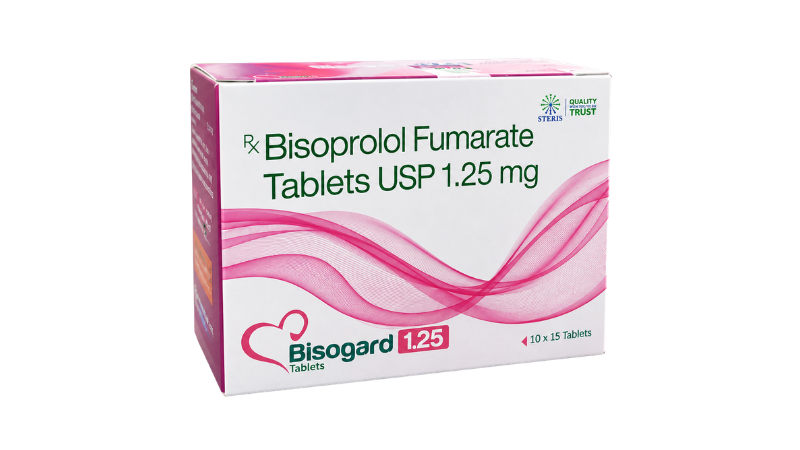
What is Bisogard 1.25? Bisoprolol 1.25mg Uses, Dosage & Side Effects Explained

Can Semaglutide Injection Be Used Without Diabetes?
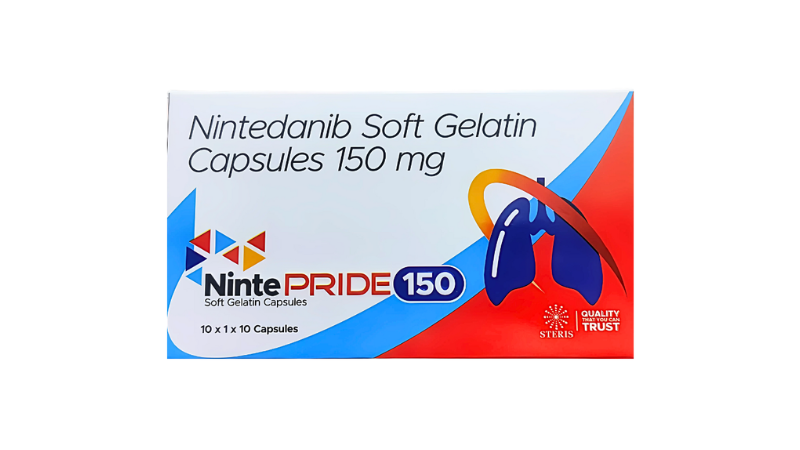
What Are Nintedanib Soft Gelatin Capsules Used For? Complete Guide
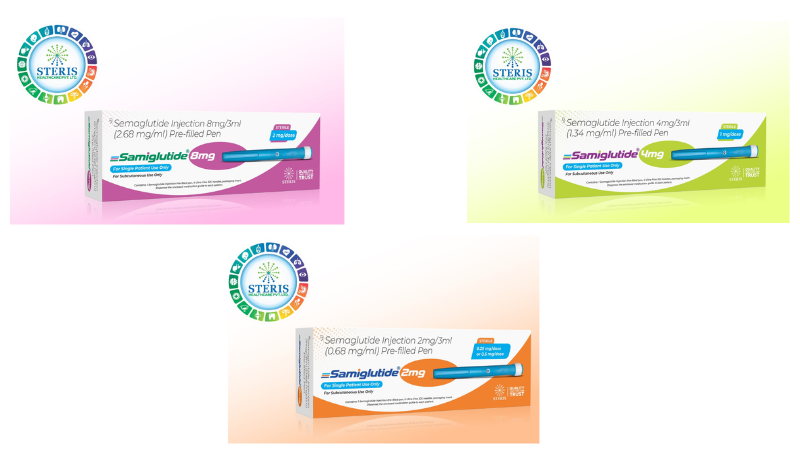
Where to Buy Semaglutide Injection in India: Price, Pen & Prescription Guide
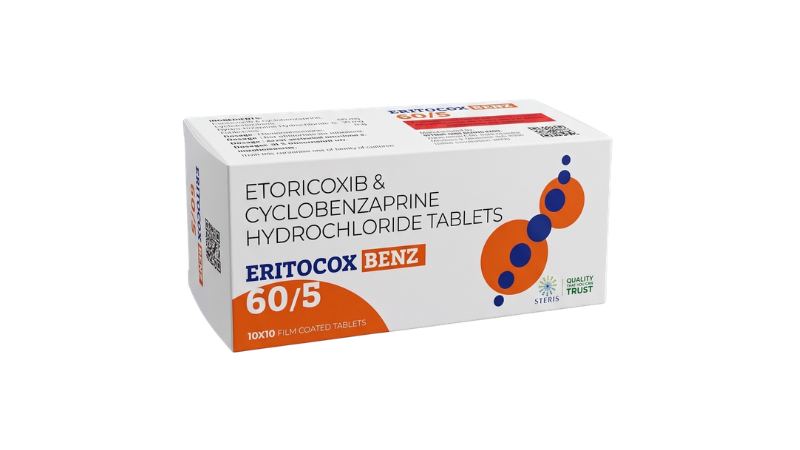
ERITOCOX BENZ 60/5 Dosage Guide: How to Take Etoricoxib & Cyclobenzaprine Tablets Safely
Gabapentin and Methylcobalamin Tablets Side Effects: What Patients Should Know
Thyroxine sodium tablets IP: उपयोग, फायदे और साइड इफेक्ट्स

