


Micronized Progesterone (200mg) Softgelatin caps``````
Dec 01, 2023
What Are Progesterone Soft Gelatin Capsules 200 mg?
Progesterone soft gelatin capsules 200 mg contain progesterone, a naturally occurring steroid hormone that plays an important role in the menstrual cycle, reproductive health, and pregnancy. Oral micronized progesterone is chemically identical to progesterone produced naturally by the ovaries. Micronization improves its oral bioavailability.
The 200 mg strength means that each capsule contains 200 mg of progesterone. It does not mean that every person should take 200 mg every day. The correct regimen depends on why progesterone has been prescribed and on the particular product's approved labeling.
Oral progesterone capsules are used for specific hormone-related indications. Current U.S. labeling includes use for prevention of endometrial hyperplasia in postmenopausal women with a uterus who are receiving estrogen therapy, as well as treatment of secondary amenorrhea, or absence of menstrual periods caused by certain conditions.
Progesterone is also used in other formulations and treatment settings, including certain fertility and reproductive-health applications. However, oral progesterone capsules and vaginal progesterone products should not be assumed to be interchangeable. Route, formulation, strength, and approved indications can differ substantially.
Progesterone Soft Gelatin Capsules 200 mg Uses
1. Prevention of endometrial hyperplasia during estrogen therapy
One established use of oral progesterone is to help protect the uterine lining in certain postmenopausal women who have a uterus and are receiving estrogen therapy.
Estrogen can stimulate growth of the endometrium. Adding progesterone helps counteract this effect and reduces the risk of excessive endometrial growth. Current U.S. prescribing information specifies a particular cyclic regimen for this indication rather than continuous 200 mg use for everyone.
2. Treatment of secondary amenorrhea
Progesterone capsules can also be prescribed to produce a menstrual period in women with secondary amenorrhea, meaning periods have stopped after previously occurring normally. Progesterone replaces some of the hormonal activity that may be lacking and can cause withdrawal bleeding after the treatment course.
Amenorrhea has many possible causes, including pregnancy, hormonal disorders, significant weight changes, certain medicines, and reproductive conditions. Progesterone should therefore be used after the underlying cause has been evaluated.
3. Hormonal therapy under medical supervision
Progesterone may form part of a broader hormone-treatment plan when clinically appropriate. During menopause, hormone therapy may use estrogen together with a progestogen to manage symptoms and protect the uterus in women who have not undergone hysterectomy.
The exact formulation and schedule matter, so patients should follow the specific prescription rather than substituting another progesterone product.
How Does Progesterone Work?
Progesterone is a hormone naturally produced mainly by the ovaries after ovulation. During the second half of the menstrual cycle, it helps prepare the uterine lining for possible implantation. If pregnancy occurs, progesterone continues to play an important role in supporting the uterine environment.
When administered as a medicine, progesterone can supplement or replace progesterone activity when a clinician determines that hormonal treatment is appropriate.
With oral micronized progesterone, the hormone is absorbed after swallowing the capsule. The product is formulated to provide progesterone in a form that can be used orally.
Key Benefits of Progesterone Soft Gelatin Capsules 200 mg
The potential benefits depend on the medical reason for treatment.
Helps provide progesterone hormone activity
For patients who need progesterone supplementation, oral micronized progesterone provides a form of progesterone that is chemically identical to ovarian progesterone.
Helps protect the uterine lining during certain estrogen therapies
In appropriately selected postmenopausal women receiving estrogen, progesterone can help prevent excessive endometrial growth. This is an important reason progesterone is combined with estrogen when a patient still has a uterus.
Can help induce withdrawal bleeding in secondary amenorrhea
When secondary amenorrhea is related to insufficient progesterone activity and other causes have been evaluated, a prescribed progesterone course may produce a menstrual period.
Supports normal reproductive hormone function
Progesterone has important physiological roles in the menstrual cycle and pregnancy. It helps prepare the uterine lining for implantation and contributes to maintaining the uterine environment during pregnancy.
Provides an oral treatment option
For patients who have been prescribed oral micronized progesterone, the soft gelatin capsule offers a convenient oral dosage form. However, oral and vaginal progesterone formulations have different administration instructions and should not be substituted without professional guidance.
How to Take Progesterone Soft Gelatin Capsules 200 mg
Take progesterone soft gelatin capsules 200 mg exactly as prescribed.
The schedule depends on the indication. For example, current U.S. labeling for prevention of endometrial hyperplasia in postmenopausal women receiving daily conjugated estrogens specifies 200 mg at bedtime for 12 consecutive days of a 28-day cycle. This is an indication-specific regimen and should not be interpreted as a universal dosage recommendation.
For secondary amenorrhea, the labeled regimen is different, illustrating why patients should not self-select a dose based solely on the 200 mg capsule strength.
MedlinePlus advises taking oral progesterone exactly as directed and commonly describes evening or bedtime administration. Progesterone may cause dizziness or drowsiness, making bedtime administration particularly relevant for some patients.
If you miss a dose, take it when remembered unless it is almost time for the next dose. Do not take two doses together to compensate for a missed dose.
Common Side Effects of Progesterone 200 mg Capsules
Like other hormone medicines, progesterone can cause side effects.
Reported effects include:
- Headache
- Dizziness
- Drowsiness or tiredness
- Breast tenderness or pain
- Abdominal discomfort or bloating
- Nausea
- Mood changes or irritability
- Vaginal discharge
- Changes in menstrual bleeding
- Swelling of the arms or legs
Clinical information for progesterone capsules also reports adverse reactions such as nausea, fatigue, headache, dizziness, breast tenderness, abdominal distension, acne, dysmenorrhea, and mood changes.
Not everyone experiences these effects, and their severity can vary. If symptoms are persistent, severe, or unusual, contact your healthcare professional.
Can Progesterone 200 mg Cause Drowsiness?
Yes. Drowsiness and dizziness are recognized effects of oral progesterone. MedlinePlus advises patients not to drive or operate machinery until they know how progesterone affects them.
This is one reason oral progesterone is commonly taken in the evening or at bedtime when that schedule is consistent with the prescribed regimen.
Patients can also experience lightheadedness, particularly when standing quickly. Getting up slowly can help reduce the risk of dizziness or fainting.
Serious Side Effects and Warning Signs
Although serious reactions are uncommon, progesterone users should know the warning signs that require prompt medical attention.
Seek urgent medical evaluation for symptoms such as:
- Sudden chest pain or shortness of breath
- Coughing up blood
- Sudden swelling or pain in an arm or leg
- Severe headache with neurological symptoms
- Sudden vision changes
- Unexpected or unusual vaginal bleeding
- A breast lump
- Severe allergic symptoms such as facial or throat swelling, hives, or difficulty breathing
These symptoms can indicate serious conditions requiring immediate assessment.
Do not assume that unexpected bleeding is simply a normal effect of progesterone, particularly after menopause. Discuss unexplained vaginal bleeding with a healthcare professional.
Progesterone 200 mg and Pregnancy
Progesterone has an important physiological role during pregnancy, but that does not mean every progesterone product or dose is appropriate during pregnancy.
If you are pregnant, planning pregnancy, undergoing fertility treatment, or become pregnant while taking progesterone, tell your doctor or fertility specialist. The appropriate formulation and route depend on the clinical situation.
Vaginal progesterone, for example, is used in certain assisted-reproductive-technology settings, and its administration differs from oral progesterone capsules.
Never switch between oral and vaginal progesterone products without professional advice.
Important Precautions Before Using Progesterone 200 mg
Tell your healthcare professional if you have or have previously had:
- Unexplained vaginal bleeding
- Breast or reproductive-organ cancer
- Blood clots
- Stroke or a transient ischemic attack
- Liver disease
- Kidney disease
- Heart disease
- Migraine
- Seizures
- Asthma
- Diabetes
- Depression
- Gallbladder disease
- Vision problems
MedlinePlus specifically recommends discussing these conditions with a healthcare professional before starting progesterone.
Also provide a complete list of prescription medicines, over-the-counter products, vitamins, and herbal supplements.
Progesterone 200 mg Drug Interactions
Some medicines and supplements can affect progesterone treatment.
One interaction specifically highlighted by MedlinePlus involves St. John's wort, which may affect progesterone therapy. Patients should tell their doctor or pharmacist about all herbal products before starting treatment.
Grapefruit and grapefruit juice may also require discussion with a healthcare professional when taking oral progesterone.
Do not start a new supplement simply because it is marketed as “natural” without checking whether it could interact with your hormone treatment.
Buying Progesterone Soft Gelatin Capsules 200 mg Online
A reliable buyer checklist includes:
- Confirm the active ingredient is progesterone.
- Confirm the strength is 200 mg.
- Check whether it is oral progesterone rather than a vaginal formulation.
- Verify the manufacturer and product registration information.
- Check the batch number and expiry date.
- Ensure the packaging is sealed and intact.
- Follow country-specific prescription requirements.
- Purchase from a legitimate, licensed pharmacy.
- Check storage instructions.
- Ask a pharmacist if you are uncertain whether the product matches your prescription.
Progesterone Soft Gelatin Capsules 200 mg: What Buyers Should Check
Before ordering or switching products, verify five key details:
- Active ingredient: progesterone or micronized progesterone.
- Strength: 200 mg per capsule.
- Route: oral versus vaginal.
- Formulation: soft gelatin capsule versus another dosage form.
- Manufacturer and regulatory information: confirm the product is authentic and appropriately authorized for sale in your market.
The lowest price is not necessarily the best purchasing decision for a prescription hormone medicine. Product authenticity, correct formulation, appropriate storage, and professional guidance are more important.
Storage of Progesterone Capsules
Keep progesterone capsules in their original container and follow the storage conditions printed on the product packaging.
MedlinePlus advises keeping progesterone tightly closed, at room temperature, and away from excessive heat and moisture. Keep medicines out of the reach of children.
Do not use capsules that are damaged, improperly stored, or past their expiry date.
Conclusion
Progesterone soft gelatin capsules 200 mg are oral progesterone medicines used for specific hormone-related conditions. Depending on the product's approved labeling and the patient's medical situation, oral progesterone may be prescribed to prevent endometrial hyperplasia in certain postmenopausal women receiving estrogen therapy or to treat secondary amenorrhea.
The key benefits come from providing progesterone activity when clinically appropriate, including helping protect the uterine lining during certain estrogen therapies and helping restore progesterone-related hormonal activity in selected cases of amenorrhea.
Common side effects can include drowsiness, dizziness, headache, breast tenderness, abdominal discomfort, nausea, tiredness, mood changes, and changes in vaginal bleeding.
For buyers, one of the most important distinctions is formulation and route. Oral progesterone 200 mg capsules are not automatically interchangeable with vaginal progesterone products, even when the strength appears similar.
Anyone considering progesterone should use the product exactly as prescribed and obtain it from a legitimate pharmacy. A doctor or pharmacist can determine whether 200 mg is appropriate, how often it should be taken, and how long treatment should continue based on the patient's specific medical needs.
Frequently Asked Questions About Progesterone Soft Gelatin Capsules 200 mg
1. What are progesterone soft gelatin capsules 200 mg used for?
Oral progesterone capsules may be used for specific hormone-related conditions, including prevention of endometrial hyperplasia in certain postmenopausal women receiving estrogen therapy and treatment of secondary amenorrhea. The indication depends on the specific product and the patient's medical situation.
2. What are the benefits of progesterone 200 mg capsules?
The main benefits are providing progesterone activity when medically indicated, helping protect the uterine lining during certain estrogen therapies, and helping produce a withdrawal menstrual period in appropriately selected cases of secondary amenorrhea.
3. What are the side effects of progesterone soft gelatin capsules 200 mg?
Possible side effects include drowsiness, dizziness, headache, breast tenderness, abdominal discomfort, nausea, tiredness, mood changes, bloating, and changes in menstrual or vaginal bleeding.
4. Does progesterone 200 mg make you sleepy?
It can. Drowsiness and dizziness are recognized effects of oral progesterone. Patients should avoid driving or operating machinery until they know how the medicine affects them.
5. When should I take progesterone 200 mg capsules?
The timing depends on the indication and prescription. Oral progesterone is commonly taken in the evening or at bedtime because it can cause drowsiness. For some approved regimens, 200 mg is taken at bedtime for specific days of a 28-day cycle. Do not use this schedule unless it matches your prescription.
6. Can progesterone 200 mg help with irregular periods?
Progesterone can be prescribed for secondary amenorrhea, a condition in which menstrual periods stop after previously occurring. Whether progesterone is appropriate for irregular periods depends on the underlying cause, so medical evaluation is important before treatment.
7. Is progesterone 200 mg the same as vaginal progesterone 200 mg?
No. The route and formulation can be different, and the approved uses and administration instructions may differ. Oral progesterone capsules should not automatically be substituted for vaginal progesterone products.
8. Can progesterone 200 mg be used during pregnancy?
Progesterone plays an important role in pregnancy, but the appropriate product, route, dose, and indication depend on the clinical situation. Patients who are pregnant or planning pregnancy should discuss progesterone treatment with their doctor or fertility specialist rather than self-medicating.
9. Can I buy progesterone soft gelatin capsules 200 mg online?
Availability and prescription requirements vary by country. If purchasing online, use a legitimate licensed pharmacy and verify the active ingredient, 200 mg strength, formulation, manufacturer, expiry date, and packaging. Avoid unverified sellers of prescription medicines.
10. What should I do if I miss a progesterone 200 mg dose?
Take the missed dose when you remember unless it is almost time for the next scheduled dose. In that situation, skip the missed dose and continue your regular schedule. Do not take a double dose unless your healthcare professional specifically instructs you to do so.
11. Can progesterone 200 mg cause bleeding?
Changes in vaginal or menstrual bleeding can occur with progesterone therapy. However, unexpected or unusual vaginal bleeding should be discussed with a healthcare professional, particularly in postmenopausal women.
12. Is micronized progesterone the same as natural progesterone?
Micronized progesterone used in oral capsules is chemically identical to progesterone of ovarian origin; micronization is used to improve its oral bioavailability.
13. Micronised progesterone soft gelatin capsules 200 mg how to use?
Use as prescribed, usually at bedtime orally or vaginally, depending on indication and product instructions.
Recent Post

First Time Launch in India by Steris healthcare : VONOSTRUM HP KIT – Combipack of Vonoprazan Tablets 20 mg, Clarithromycin Tablets IP 500 mg & Amoxycillin Capsules IP 500 mg
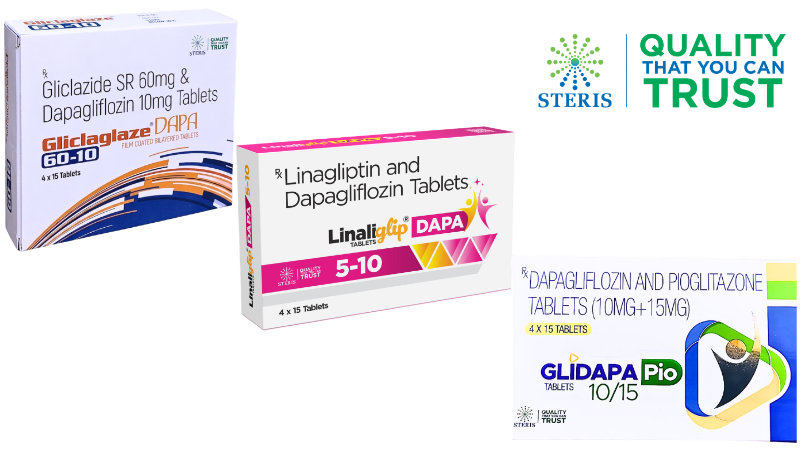
Dapagliflozin 10 mg: Uses in Diabetes, Heart Failure, and Kidney Disease
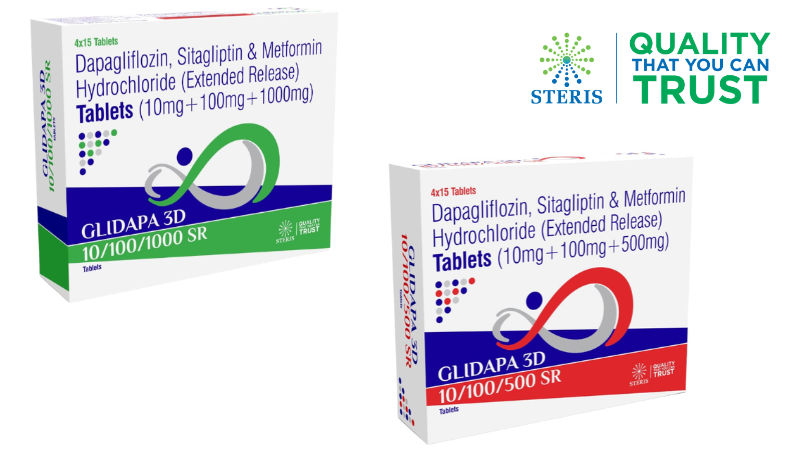
How Dapagliflozin, Sitagliptin and Metformin Help Manage Type 2 Diabetes
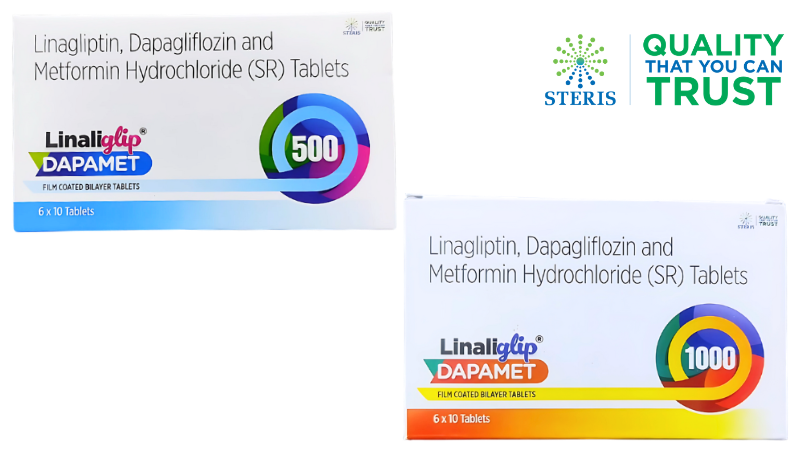
How Linagliptin, Dapagliflozin and Metformin Help Manage Type 2 Diabetes
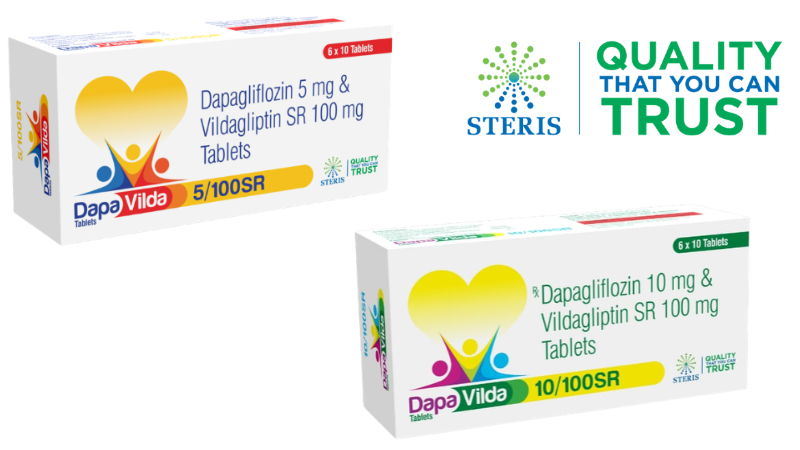
Dapagliflozin and Vildagliptin: A Complete Guide to Diabetes Management
Dapagliflozin, Vildagliptin and Metformin: Dosage, Side Effects and Precautions
Teneligliptin, Metformin and Dapagliflozin: Uses, Benefits and Key Features

Sitagliptin and Dapagliflozin: Uses, Benefits and Key Features

Teneligliptin and Dapagliflozin Tablets: A Complete Guide
How Metformin, Glimepiride and Dapagliflozin Help Manage Type 2 Diabetes

