


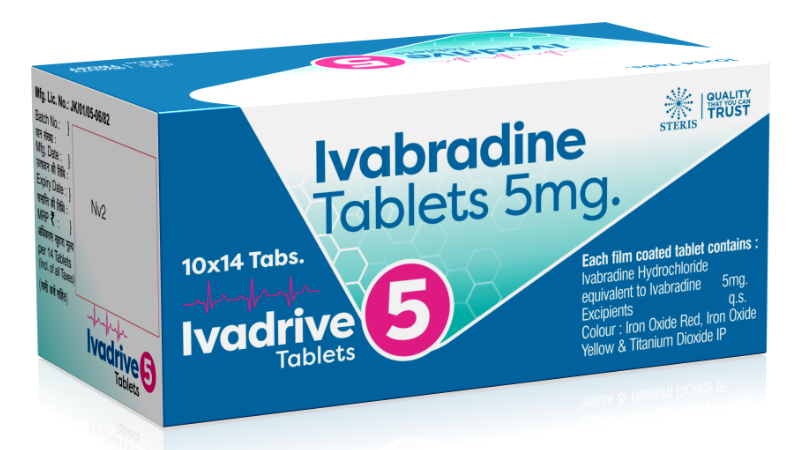



Ivabradine (5mg) & IVADRIVE 5 Mg : Comprehensive Guide on Uses, Dosage, and Side Effects.
Jun 19, 2024
Cardiovascular health remains a growing concern in India, with rising cases of hypertension, heart failure, and coronary artery disease. One of the key factors contributing to cardiac complications is an elevated heart rate, which puts additional strain on the heart. IVADRIVE 5, formulated with Ivabradine 5 mg, offers a targeted and clinically effective solution to manage heart rate without affecting blood pressure significantly.
This comprehensive guide explores how Ivabradine 5Mg works, its benefits, uses, dosage, safety profile, and why it is becoming a preferred choice among healthcare professionals for managing chronic heart conditions.
What is IVADRIVE 5?
IVADRIVE 5 is a prescription medication containing Ivabradine 5 mg, primarily used to reduce heart rate in patients suffering from chronic heart failure and certain types of angina (chest pain). Unlike traditional heart medications such as beta-blockers, IVADRIVE 5 works selectively on the heart’s pacemaker cells, helping regulate heart rate without affecting the force of contraction.
This unique mechanism makes it especially beneficial for patients who cannot tolerate beta-blockers or require additional heart rate control.
Composition of IVADRIVE 5
- Active Ingredient: Ivabradine Hydrochloride equivalent to Ivabradine 5 mg
- Dosage Form: Oral tablets
Ivabradine belongs to a class of drugs known as If channel inhibitors, which act directly on the sinus node (the heart’s natural pacemaker).
How Does IVADRIVE 5 Work?
The heart’s rhythm is controlled by electrical signals generated in the sinus node. IVADRIVE 5 specifically inhibits the “funny current” (If current) in this node. This action slows down the heart rate without altering blood pressure or myocardial contractility.
Key Mechanism:
- Reduces heart rate by slowing pacemaker activity
- Improves oxygen supply-demand balance
- Reduces workload on the heart
By controlling heart rate, IVADRIVE 5 helps improve cardiac efficiency and reduces symptoms like fatigue, breathlessness, and chest discomfort.
Uses of IVADRIVE 5
IVADRIVE 5 is widely prescribed for the following conditions:
1. Chronic Heart Failure
Patients with heart failure often experience a rapid heart rate, which worsens their condition. IVADRIVE 5 helps:
- Improve heart function
- Reduce hospitalizations
- Enhance quality of life
2. Stable Angina (Chest Pain)
In patients with angina, IVADRIVE 5 reduces heart rate, thereby decreasing oxygen demand and relieving chest pain episodes.
3. Heart Rate Control in Specific Conditions
It is also used in patients who:
- Cannot tolerate beta-blockers
- Require additional heart rate control despite other therapies
Benefits of IVADRIVE 5
Targeted Action
IVADRIVE 5 works specifically on heart rate without lowering blood pressure significantly, making it safer for certain patients.
Improved Exercise Tolerance
Patients often experience better stamina and reduced fatigue.
Reduced Hospitalization Risk
Regular use can lower the chances of hospital admissions in heart failure patients.
Better Quality of Life
By managing symptoms effectively, patients can lead a more active and comfortable life.
Dosage and Administration
- Typical Dose: IVADRIVE 5 is usually prescribed once or twice daily, depending on the patient’s condition.
- How to Take:
- Take with food
- Swallow the tablet whole with water
- Follow your doctor’s instructions strictly
Important Note:
Dosage may vary based on heart rate, age, and overall health condition. Never self-adjust the dose.
Who Should Use IVADRIVE 5?
IVADRIVE 5 is suitable for:
- Adults with chronic heart failure
- Patients with stable angina and elevated heart rate
- Individuals intolerant to beta-blockers
Who Should Avoid IVADRIVE 5?
This medicine may not be suitable for:
- Patients with very low heart rate (bradycardia)
- Severe liver impairment
- Acute heart failure
- Pregnancy and breastfeeding women (unless prescribed)
Always consult your doctor before starting IVADRIVE 5.
Possible Side Effects of IVADRIVE 5
Like any medication, IVADRIVE 5 may cause some side effects. However, not everyone experiences them.
Common Side Effects:
- Slow heart rate (bradycardia)
- Visual disturbances (temporary brightness or flashes)
- Headache
- Dizziness
Rare but Serious Effects:
- Irregular heartbeat
- Severe fatigue
- Low blood pressure (in rare cases)
If you notice any unusual symptoms, seek medical attention immediately.
Precautions While Using IVADRIVE 5
To ensure safe and effective use:
- Monitor heart rate regularly
- Avoid grapefruit juice (may interfere with the drug)
- Inform your doctor about all other medications
- Avoid driving if you experience visual disturbances
Drug Interactions
IVADRIVE 5 may interact with certain medications, including:
- Calcium channel blockers
- Antifungal drugs
- Antibiotics like clarithromycin
- Anti-arrhythmic medications
Always inform your doctor about your ongoing treatments.
Why Choose IVADRIVE 5 for Cardiac Care?
IVADRIVE 5 stands out due to its selective heart rate control, making it a modern and advanced option in cardiovascular therapy.
Key Advantages:
- Does not affect blood pressure significantly
- Ideal for patients intolerant to conventional therapies
- Clinically proven to improve cardiac outcomes
- Well-tolerated in long-term use
Lifestyle Tips to Support Treatment
Medication alone is not enough for heart health. Combine IVADRIVE 5 with healthy lifestyle habits:
Diet
- Reduce salt intake
- Include fruits, vegetables, and whole grains
- Avoid processed foods
Exercise
- Engage in light to moderate physical activity
- Follow doctor-recommended exercise plans
Stress Management
- Practice yoga or meditation
- Maintain a healthy sleep routine
Frequently Asked Questions (FAQs)
1. How quickly does IVADRIVE 5 work?
It starts reducing heart rate within a few hours, but full benefits may take a few weeks.
2. Can IVADRIVE 5 cure heart failure?
No, it helps manage symptoms and improve quality of life but does not cure the condition.
Conclusion
IVADRIVE 5 (Ivabradine 5 mg) represents a significant advancement in heart rate management, especially for patients dealing with chronic heart failure and stable angina. Its targeted mechanism, improved tolerability, and proven effectiveness make it a valuable addition to modern cardiac care.
Recent Post
Semaglutide 4mg vs Pancreatitis Risk: What Doctors Want You to Know
Semaglutide 8mg Injection: Frequently Asked Questions Answered by Experts
Mycophenolate Mofetil 500mg (Mycofortic M 500): Uses, Benefits & Precautions – Complete Guide
What is Bisogard 1.25? Bisoprolol 1.25mg Uses, Dosage & Side Effects Explained

Can Semaglutide Injection Be Used Without Diabetes?

What Are Nintedanib Soft Gelatin Capsules Used For? Complete Guide

Where to Buy Semaglutide Injection in India: Price, Pen & Prescription Guide
ERITOCOX BENZ 60/5 Dosage Guide: How to Take Etoricoxib & Cyclobenzaprine Tablets Safely

Gabapentin and Methylcobalamin Tablets Side Effects: What Patients Should Know
Thyroxine sodium tablets IP: उपयोग, फायदे और साइड इफेक्ट्स

