


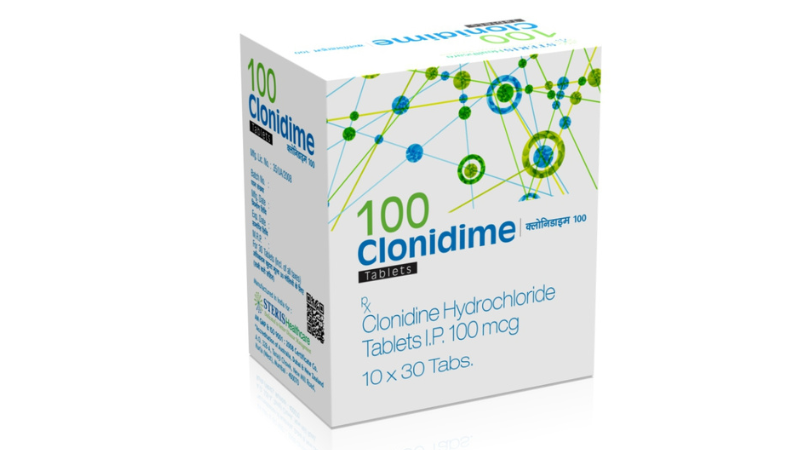



Introduction to Clonidine Hydrochloride (100 mcg)
Mar 23, 2024
Managing high blood pressure is essential for maintaining long-term heart health and preventing serious cardiovascular complications. In modern healthcare, centrally acting antihypertensive medicines play a crucial role in controlling resistant or difficult-to-manage hypertension. One such trusted formulation is CLONIDIME 100, containing Clonidine Hydrochloride 100 mcg.
CLONIDIME 100 is designed to help regulate blood pressure by acting directly on the central nervous system, reducing nerve signals that tighten blood vessels.It is widely used in clinical practice under medical supervision for patients requiring effective and controlled blood pressure reduction.
Manufactured with strict quality standards, CLONIDIME 100 by Steris Healthcare Pvt. Ltd. ensures reliability, safety, and consistent therapeutic performance.
What is CLONIDIME 100?
CLONIDIME 100 contains Clonidine Hydrochloride 100 micrograms, a centrally acting alpha-2 adrenergic agonist. It works by stimulating receptors in the brain that reduce sympathetic nerve impulses. This results in relaxation of blood vessels and a decrease in heart rate and blood pressure.
Unlike some other antihypertensive medications, Clonidine works at the neurological level, making it especially useful in cases where conventional therapies may not provide adequate control.
Uses of CLONIDIME 100
CLONIDIME 100 is prescribed for several medical conditions under physician guidance. The primary and commonly recognized uses include:
1. Hypertension (High Blood Pressure)
CLONIDIME 100 is mainly used to treat moderate to severe hypertension. It helps reduce elevated blood pressure levels and lowers the risk of complications such as stroke, heart attack, and kidney damage.
2. Hypertensive Emergencies (Adjunct Therapy)
In hospital settings, Clonidine may be used as supportive therapy when rapid blood pressure control is required under strict monitoring.
3. Attention Deficit Hyperactivity Disorder (ADHD)
In some cases, Clonidine is used as an adjunct treatment for ADHD, particularly in children, to help manage symptoms like impulsivity and hyperactivity.
4. Opioid Withdrawal Symptoms
Clonidine is known to reduce withdrawal symptoms such as anxiety, sweating, agitation, and high blood pressure during detoxification therapy.
5. Menopausal Hot Flashes (Off-label use)
It may also be used in certain patients to help manage vasomotor symptoms like hot flashes, under medical supervision.
How CLONIDIME 100 Works
This action reduces the release of norepinephrine, a chemical responsible for stimulating blood vessel constriction and increasing heart rate.
By decreasing sympathetic nervous system activity, CLONIDIME 100 helps:
- Relax blood vessels
- Reduce heart rate
- Lower blood pressure
- Improve overall cardiovascular balance
This central mechanism makes it different from many other antihypertensive drugs that work directly on blood vessels or kidneys.
Benefits of CLONIDIME 100
CLONIDIME 100 offers several therapeutic advantages when used under proper medical supervision:
Effective Blood Pressure Control
It provides reliable reduction in elevated blood pressure, especially in patients who are not responding adequately to first-line treatments.
Central Nervous System Action
Its unique mechanism helps regulate nerve signals that contribute to hypertension.
Useful in Resistant Hypertension
CLONIDIME 100 is often used when multiple antihypertensive medications are required to achieve target blood pressure levels.
Reduces Cardiovascular Risk
By controlling blood pressure effectively, it lowers the long-term risk of stroke, heart attack, and kidney complications.
Flexible Clinical Use
It can be used alone or in combination with other antihypertensive agents depending on patient condition.
Dosage and Administration
The dosage of CLONIDIME 100 should always be determined by a qualified healthcare professional based on the patient’s condition, response, and medical history.
General Guidelines:
- Gradually adjusted based on blood pressure response
- Taken orally with or without food
- Important Instructions:
- Do not stop the medicine suddenly without medical advice
- Abrupt discontinuation may lead to rebound hypertension
- Regular blood pressure monitoring is essential
- Dose adjustment may be required in elderly patients or those with kidney issues
Always follow your physician’s prescription carefully for safe and effective outcomes.
Possible Side Effects of CLONIDIME 100
Most are mild and temporary, especially during the initial phase of treatment.
Common Side Effects:
- Drowsiness or sedation
- Dry mouth
- Fatigue
- Dizziness
- Constipation
Less Common but Serious Effects:
- Slow heart rate (bradycardia)
- Low blood pressure (hypotension)
- Mood changes or depression
- Allergic reactions (rare)
Precautions and Warnings
Before using CLONIDIME 100, certain precautions should be taken into consideration:
Medical Conditions:
Inform your doctor if you have:
- Heart disease
- Kidney impairment
- Liver disorders
- Depression or psychiatric conditions
Special Populations:
- Children: Only prescribed in specific conditions like ADHD under supervision
Drug Interactions:
CLONIDIME 100 may interact with:
- Other antihypertensive medicines
- Sedatives or sleeping pills
- Alcohol
- Tricyclic antidepressants
Safety Information
- Do not consume alcohol during treatment
- Do not skip doses or stop treatment abruptly
- Keep out of reach of children
Proper adherence ensures maximum therapeutic benefit and reduces risks.
Why Choose CLONIDIME 100 by Steris Healthcare Pvt. Ltd.?
Steris Healthcare Pvt. Ltd. is committed to delivering high-quality pharmaceutical formulations that meet stringent safety and efficacy standards. CLONIDIME 100 is manufactured with precision to ensure:
- Consistent dosage accuracy
- High-quality active pharmaceutical ingredient
- Reliable therapeutic effect
- Compliance with regulatory standards
- Trust among healthcare professionals
This makes CLONIDIME 100 a dependable choice in hypertension management therapy.
Conclusion
CLONIDIME 100 (Clonidine Hydrochloride 100 mcg) is a clinically important antihypertensive medication that plays a valuable role in managing high blood pressure and related conditions. Its central mechanism of action provides effective blood pressure control, especially in patients requiring additional therapeutic support.
Recent Post
Semaglutide 4mg vs Pancreatitis Risk: What Doctors Want You to Know
Semaglutide 8mg Injection: Frequently Asked Questions Answered by Experts
Mycophenolate Mofetil 500mg (Mycofortic M 500): Uses, Benefits & Precautions – Complete Guide
What is Bisogard 1.25? Bisoprolol 1.25mg Uses, Dosage & Side Effects Explained

Can Semaglutide Injection Be Used Without Diabetes?

What Are Nintedanib Soft Gelatin Capsules Used For? Complete Guide

Where to Buy Semaglutide Injection in India: Price, Pen & Prescription Guide

ERITOCOX BENZ 60/5 Dosage Guide: How to Take Etoricoxib & Cyclobenzaprine Tablets Safely

Gabapentin and Methylcobalamin Tablets Side Effects: What Patients Should Know
Thyroxine sodium tablets IP: उपयोग, फायदे और साइड इफेक्ट्स

