


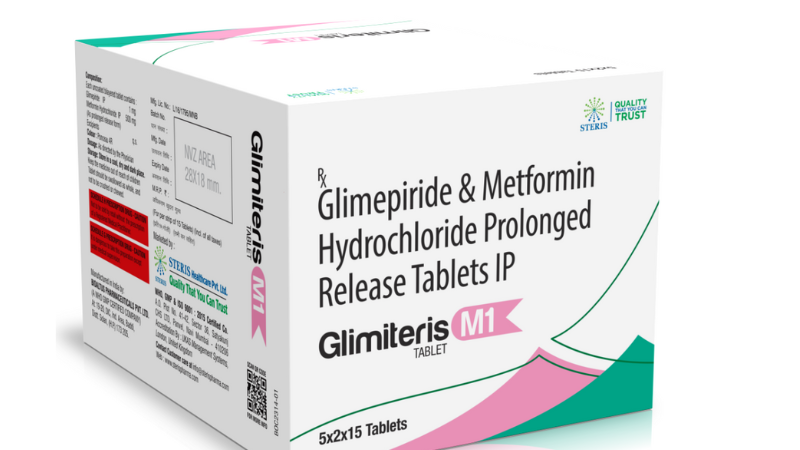



GLIMITERIS M1: USES, BENIFITS, SIDE EFFECTS, PRICE AND MORE..
Apr 08, 2024
GLIMITERIS M1 by Steris Healthcare is a prescription oral antidiabetic medicine formulated with glimepiride and metformin hydrochloride to help manage blood glucose levels in adults with type 2 diabetes mellitus (T2DM) when lifestyle measures and/or single-drug therapy are not sufficient to achieve individualized glycemic targets.
The combination brings together two glucose-lowering medicines that work through different but complementary mechanisms. Glimepiride, a second-generation sulfonylurea, primarily increases insulin release from pancreatic beta cells. Metformin hydrochloride, a biguanide, primarily reduces excessive glucose production by the liver and improves insulin sensitivity.
For appropriate patients, combining medicines with complementary mechanisms can improve glycemic control while reducing the need to rely on higher doses of a single agent. The American Diabetes Association's 2026 Standards of Care recognizes combination therapy as an option when individualized glucose targets require more than one medication, while emphasizing patient-specific factors such as hypoglycemia risk, kidney function, weight, cardiovascular disease, tolerability, cost, and treatment preferences.
What Is Glimepiride and Metformin Hydrochloride Tablets Used For?
Glimepiride and metformin hydrochloride tablets are used to improve blood glucose control in adults with type 2 diabetes mellitus when diet, exercise, and/or an existing diabetes medicine do not provide adequate control.
The two ingredients address different aspects of type 2 diabetes:
- Glimepiride stimulates the pancreas to release insulin.
- Metformin hydrochloride decreases excessive hepatic glucose production.
- Metformin also improves the body's response to insulin.
- Together, the medicines can provide complementary glucose-lowering effects.
- The combination may help lower fasting and post-meal glucose and improve HbA1c when appropriately prescribed.
This medicine is not intended for treating type 1 diabetes or diabetic ketoacidosis.
The choice of diabetes medicine should be individualized. Current ADA guidance classifies metformin and sulfonylureas among highly effective glucose-lowering therapies but also highlights the need to consider hypoglycemia, weight effects, kidney function, cardiovascular and kidney disease, adverse effects, and patient preferences.
Why It's Important
Type 2 diabetes is a chronic metabolic condition in which the body develops insulin resistance and/or does not produce enough insulin to maintain normal glucose levels.
Persistently elevated blood glucose can contribute to long-term complications involving the:
- Eyes
- Kidneys
- Nerves
- Heart and blood vessels
- Feet and peripheral circulation
Good diabetes management therefore involves more than simply lowering a glucose reading. Treatment generally combines appropriate nutrition, physical activity, weight management when appropriate, monitoring, medication adherence, and regular medical review.
The 2026 ADA Standards emphasize individualized treatment goals and person-centered selection of glucose-lowering medicines. For people with established cardiovascular disease, chronic kidney disease, heart failure, or relevant cardiovascular risk, medicines with demonstrated cardiovascular or kidney benefits may be prioritized depending on the clinical situation.
This means GLIMITERIS M1 should not automatically be considered the best medicine for every person with diabetes. Its suitability depends on the patient's glucose levels, kidney function, current medicines, risk of hypoglycemia, other health conditions, and treatment goals.
Key Benefits
What Are the Benefits of Glimepiride and Metformin Hydrochloride Tablets?
When prescribed appropriately, the combination may offer several therapeutic advantages:
1. Complementary mechanisms of action
Glimepiride increases insulin secretion, while metformin primarily decreases hepatic glucose production and improves insulin sensitivity.
2. Effective glucose lowering
Clinical studies have demonstrated that glimepiride/metformin combination therapy can improve HbA1c and fasting glucose in people with type 2 diabetes inadequately controlled on monotherapy. In one randomized study, combination therapy produced greater HbA1c and fasting glucose reductions than metformin dose escalation over 24 weeks.
3. Convenient combination therapy
A fixed-dose combination can combine two active ingredients into one tablet, potentially simplifying a patient's medication routine when the prescribed strengths are appropriate.
4. Useful when single therapy is insufficient
Type 2 diabetes can progress over time, and some patients require more than one glucose-lowering medicine to maintain individualized targets.
5. Addresses insulin resistance and inadequate insulin secretion
Metformin and glimepiride target different physiological contributors to hyperglycemia, providing complementary pharmacological effects.
6. Established oral treatment option
Both medicines have extensive clinical experience in type 2 diabetes treatment.
A published randomized trial involving patients inadequately controlled with low-dose metformin found that glimepiride/metformin fixed-dose combination therapy produced greater reductions in HbA1c and fasting glucose than metformin uptitration, although hypoglycemia was more frequent in the combination group.
Mechanism of Action
Understanding the mechanism of action of glimepiride and metformin hydrochloride helps explain why these medicines can complement one another.
How Glimepiride Works
Glimepiride belongs to the sulfonylurea class.
It acts mainly on pancreatic beta cells and promotes insulin secretion. Increased insulin availability helps glucose move from the bloodstream into insulin-sensitive tissues, thereby reducing blood glucose.
Because glimepiride stimulates insulin secretion, it can cause hypoglycemia, particularly when meals are skipped, food intake is inadequate, alcohol is consumed, physical activity changes substantially, or the dose is excessive.
The ADA's 2026 guidance identifies sulfonylureas, including glimepiride, as effective glucose-lowering medicines but specifically highlights their hypoglycemia risk and recommends conservative initiation/titration in people at increased risk.
How Metformin Hydrochloride Works
Metformin belongs to the biguanide class.
Its principal glucose-lowering effects include:
- Reducing excessive glucose production by the liver
- Improving insulin sensitivity
- Supporting greater peripheral glucose utilization
- Helping reduce elevated blood glucose without directly stimulating pancreatic insulin secretion
Metformin alone generally has a low risk of hypoglycemia because it does not work primarily by forcing the pancreas to release insulin.
The 2026 ADA Standards describe metformin as highly effective, generally weight-neutral or associated with modest weight loss, and associated with a low risk of hypoglycemia when used alone. Gastrointestinal adverse effects can be reduced through gradual dose titration and, where appropriate, extended-release formulations.
How the Combination Works
The combination therefore provides two complementary actions:
Glimepiride → increases insulin secretion
Metformin → reduces hepatic glucose production + improves insulin sensitivity
This complementary pharmacology can produce stronger glucose lowering than either medicine alone in selected patients.
Indications
GLIMITERIS M1 may be prescribed for:
- Type 2 diabetes mellitus
- Inadequately controlled blood glucose despite lifestyle modification
- Patients requiring combination oral glucose-lowering therapy
- Patients whose physician determines that both glimepiride and metformin are appropriate
- Glycemic management as part of an individualized diabetes treatment plan
The medicine should be used together with appropriate dietary management, physical activity, blood glucose monitoring when advised, and routine medical follow-up.
Efficacy and Clinical Evidence
The efficacy of glimepiride and metformin combination therapy has been evaluated in randomized trials and observational studies.
A randomized multicenter study of people with type 2 diabetes inadequately controlled on low-dose metformin found that glimepiride/metformin fixed-dose combination therapy reduced HbA1c more than metformin uptitration over 24 weeks. The study reported an adjusted mean HbA1c reduction of approximately 1.2% versus 0.8%, with a greater proportion of combination-treated patients reaching HbA1c below 7%. However, hypoglycemia occurred more frequently with the combination, emphasizing the importance of appropriate dosing and monitoring.
Another clinical study in patients inadequately controlled with either glimepiride or metformin monotherapy reported improvement in HbA1c, fasting plasma glucose, and postprandial glucose after adding the complementary medicine.
Real-world Indian evidence has also documented extensive clinical use of glimepiride/metformin fixed-dose combinations across different patient groups and diabetes durations.
However, clinical evidence should not be interpreted as a guarantee that every patient will achieve the same result. Diabetes treatment response varies according to baseline HbA1c, diet, adherence, kidney function, duration of diabetes, other medicines, insulin secretion, insulin resistance, and comorbidities.
Glimepiride Tablet Uses
Glimepiride tablet uses primarily relate to improving blood glucose control in adults with type 2 diabetes.
Glimepiride may be prescribed alone or in combination with other antidiabetic medicines depending on the patient's treatment plan.
Because glimepiride increases insulin secretion, patients should follow the prescribed meal and dosing schedule and understand the symptoms of hypoglycemia.
Common symptoms of low blood sugar can include:
- Sweating
- Shaking
- Hunger
- Dizziness
- Weakness
- Fast heartbeat
- Headache
- Irritability
- Confusion
Severe hypoglycemia can result in seizures, loss of consciousness, or other medical emergencies.
Metformin Hydrochloride Uses
Metformin hydrochloride uses mainly include blood glucose management in type 2 diabetes.
It may be prescribed as:
- Metformin hydrochloride immediate-release tablets
- Metformin hydrochloride extended/prolonged-release formulations
- Combination products containing metformin and another glucose-lowering medicine
Metformin is particularly useful because it improves glycemic control without directly stimulating insulin secretion.
The 2026 ADA Standards state that metformin is highly effective and may be used when appropriate, with extended-release formulations and gradual titration potentially helping reduce gastrointestinal intolerance.
Side Effects
Like all medicines, this combination can cause adverse effects.
Common Side Effects
Potential side effects may include:
Metformin-related:
- Nausea
- Diarrhea
- Abdominal discomfort
- Bloating
- Gas
- Reduced appetite
- Metallic taste
Glimepiride-related:
- Hypoglycemia
- Dizziness
- Headache
- Nausea
- Weight gain
Metformin's gastrointestinal effects are among its most common tolerability problems. The ADA notes that gradual dose titration and extended-release formulations may reduce these symptoms.
Available Substitute
There is no single substitute that is suitable for everyone.
Depending on the patient's medical condition, alternatives may include medicines containing:
- Metformin alone
- Glimepiride alone
- Other sulfonylureas
- DPP-4 inhibitors
- SGLT2 inhibitors
- GLP-1 receptor agonists
- Thiazolidinediones
- Insulin
The appropriate alternative depends on HbA1c, kidney function, cardiovascular disease, heart failure, body weight, hypoglycemia risk, affordability, tolerability, and other medications.
For example, the 2026 ADA Standards recommend considering glucose-lowering medicines with demonstrated cardiovascular and kidney benefits in people with established cardiovascular disease, chronic kidney disease, or heart failure, regardless of whether HbA1c is already at goal.
Dosage Guidelines
The dose of GLIMITERIS M1 should be individualized by the prescribing healthcare professional.
The appropriate dose depends on factors such as:
- Current blood glucose levels
- HbA1c
- Previous diabetes treatment
- Kidney function
- Liver function
- Age
- Meal pattern
- Risk of hypoglycemia
- Tolerance to metformin
- Strength of the prescribed combination
General Administration Principles
- Take the medicine exactly as prescribed.
- Take it at the recommended time in relation to meals.
- Do not take extra tablets to compensate for a missed dose unless specifically instructed.
- Swallow prolonged-release tablets whole if the product labeling requires this.
- Do not crush, split, or chew a prolonged-release tablet unless the product information specifically permits it.
- Monitor blood glucose according to your healthcare professional's instructions.
The exact strength of GLIMITERIS M1 should be confirmed from the product packaging because combination products are available in different strengths.
Precautions & Warnings
1. Kidney Function: Kidney function is particularly important with metformin because the medicine is cleared through the kidneys. Metformin should not be used in patients with severely reduced kidney function where contraindicated. The ADA 2026 Standards identify eGFR below 30 mL/min/1.73 m² as a contraindication.
2. Risk of Hypoglycemia: Glimepiride can cause low blood sugar.
Risk may increase with:
- Skipping meals
- Excessive exercise
- Alcohol consumption
- Excessive medication dose
- Reduced food intake
- Kidney or liver impairment
- Combination with other glucose-lowering medicines
3. Alcohol: Excessive alcohol consumption may increase diabetes-related risks and may contribute to hypoglycemia and other complications. Discuss alcohol use with your healthcare professional.
4. Liver Disease: Patients with significant liver disease require individualized assessment because glucose metabolism and medication handling may be altered.
5. Vitamin B12: Patients taking metformin for an extended period may require monitoring of vitamin B12, particularly when anemia or neuropathy is present.
6. Surgery and Acute Illness: Tell your healthcare professional if you are undergoing surgery or develop a serious acute illness. Temporary medication adjustments may sometimes be necessary.
7. Contrast Procedures: Metformin may need to be temporarily withheld around certain iodinated contrast procedures depending on kidney function and the specific clinical situation. Follow your healthcare professional's instructions.
8. Pregnancy and Breastfeeding: Pregnant or breastfeeding patients should discuss diabetes treatment with their healthcare professional before using or continuing this combination.
9. Drug Interactions: Always inform your healthcare professional about prescription medicines, over-the-counter medicines, supplements, and herbal products you use.
Frequently Asked Questions
1. What are glimepiride and metformin hydrochloride tablets used for?
They are prescription oral antidiabetic medicines used to improve blood glucose control in adults with type 2 diabetes when combination therapy is considered appropriate.
2. What is GLIMITERIS M1?
GLIMITERIS M1 is the brand name specified for the glimepiride and metformin hydrochloride tablet formulation from Steris Healthcare.
3. What are the main glimepiride tablet uses?
Glimepiride tablets are mainly used to lower elevated blood glucose in adults with type 2 diabetes by increasing insulin release from pancreatic beta cells.
4. What is glimepiride used for?
Glimepiride is used for the management of type 2 diabetes mellitus. It may be prescribed alone or with other glucose-lowering medicines.
5. What are metformin hydrochloride's uses?
Metformin hydrochloride is primarily used to improve blood glucose control in type 2 diabetes by reducing hepatic glucose production and improving insulin sensitivity.
6. Does glimepiride cause low blood sugar?
Yes. Because glimepiride stimulates insulin release, hypoglycemia is an important potential adverse effect, especially when meals are skipped or the dose is too high.
7. Does metformin cause hypoglycemia?
Metformin alone generally has a low risk of hypoglycemia because it does not directly stimulate insulin secretion. However, hypoglycemia can occur when metformin is combined with medicines such as sulfonylureas or insulin.
8. What is metformin hydrochloride prolonged release?
Metformin hydrochloride prolonged release is a formulation designed to release metformin more gradually. It may help some patients tolerate metformin better, particularly regarding gastrointestinal effects.
9. What does “metformin hydrochloride prolonged release and glimepiride tablets IP” mean?
It describes a combination tablet containing prolonged-release metformin hydrochloride and glimepiride, with “IP” indicating the relevant Indian Pharmacopoeia standard where applicable.
10. Can glimepiride and metformin be taken together?
Yes, these medicines can be prescribed together for selected people with type 2 diabetes. Combination therapy should be individualized by a healthcare professional.
11. Can glimepiride and metformin help control HbA1c?
Clinical evidence indicates that the combination can reduce HbA1c in appropriately selected patients with type 2 diabetes. The magnitude of improvement varies between individuals.
12. Can GLIMITERIS M1 be taken without food?
Because glimepiride can cause hypoglycemia, the medicine should be taken according to the prescribed instructions and meal schedule. Follow the product information and your healthcare professional's directions.
13. What should I do if I miss a dose?
Do not automatically double the next dose. Follow the missed-dose instructions supplied with your medicine or contact your pharmacist/healthcare professional for individualized advice.
14. Can metformin cause stomach problems?
Yes. Nausea, diarrhea, abdominal discomfort, bloating, and other gastrointestinal symptoms are common metformin-related adverse effects. Gradual titration and extended-release formulations can improve tolerability for some patients.
15. Can long-term metformin use cause vitamin B12 deficiency?
Long-term metformin treatment can be associated with vitamin B12 deficiency. Periodic assessment may be appropriate, particularly in people with anemia or peripheral neuropathy.
16. Is glimepiride safe for everyone with diabetes?
No. Glimepiride is not appropriate for everyone. Hypoglycemia risk, kidney and liver function, age, meal patterns, other medicines, and the overall diabetes treatment plan must be considered.
17. What is the difference between glimepiride and metformin?
Glimepiride primarily increases pancreatic insulin secretion, whereas metformin mainly reduces hepatic glucose production and improves insulin sensitivity. They therefore have different mechanisms of action.
18. Is GLIMITERIS M1 suitable for type 1 diabetes?
No. Glimepiride/metformin combination therapy is intended for type 2 diabetes and should not be used as a treatment for diabetic ketoacidosis or as a substitute for insulin in type 1 diabetes.
19. Can GLIMITERIS M1 replace insulin?
It should not be assumed to replace insulin. Some patients with type 2 diabetes require insulin because of severe hyperglycemia or inadequate response to non-insulin medicines. Treatment decisions should be made by a healthcare professional.
20. What substitute is available for glimepiride and metformin hydrochloride tablets?
Possible alternatives include other metformin combinations, different glucose-lowering classes, or insulin, depending on the patient's clinical requirements. There is no universal substitute.
21. Does glimepiride cause weight gain?
Weight gain can occur with sulfonylureas such as glimepiride. The ADA identifies sulfonylureas as a class commonly associated with weight gain, whereas metformin is generally weight-neutral or may produce modest weight loss.
22. Is metformin hydrochloride 500 mg a common strength?
Metformin hydrochloride 500 mg is a commonly used strength, but the appropriate dose depends on the formulation, kidney function, tolerability, treatment response, and the individual's prescription.
23. What are metformin hydrochloride tablets used for?
Metformin hydrochloride tablets are used primarily to improve blood glucose control in adults with type 2 diabetes as part of an individualized treatment plan.
24. What are glimepiride tablets IP 1 mg used for?
Glimepiride tablets IP 1 mg are used for blood glucose management in type 2 diabetes when prescribed at that strength. The exact dose should be determined by the healthcare professional.
25. How effective is glimepiride plus metformin?
Studies have demonstrated clinically meaningful reductions in HbA1c and fasting glucose with glimepiride/metformin combination therapy in appropriately selected patients. However, effectiveness and tolerability differ among individuals, and hypoglycemia remains an important consideration.
Conclusion
GLIMITERIS M1, containing glimepiride and metformin hydrochloride, is an oral antidiabetic combination intended for the management of type 2 diabetes mellitus when a combination glucose-lowering therapy is clinically appropriate.
The formulation combines two complementary mechanisms: glimepiride increases insulin secretion, while metformin hydrochloride reduces hepatic glucose production and improves insulin sensitivity. Clinical research has shown that glimepiride/metformin combination therapy can improve HbA1c and fasting glucose in patients whose diabetes is not adequately controlled with single-drug therapy.
At the same time, this combination requires responsible use. Hypoglycemia is an important risk associated with glimepiride, while gastrointestinal effects and kidney-related precautions are important considerations with metformin. Long-term metformin therapy may also warrant attention to vitamin B12 status.
For this reason, GLIMITERIS M1 should be taken only according to the prescribed strength and dosage, with appropriate monitoring of blood glucose, HbA1c, kidney function, and other relevant clinical parameters.
For Further Information:
Mail Us: contact@sterispharma.com or info@sterispharma.com
Call Now: +91 8824175417, +91 9982524671
Recent Post

First Time Launch in India by Steris healthcare : VONOSTRUM HP KIT – Combipack of Vonoprazan Tablets 20 mg, Clarithromycin Tablets IP 500 mg & Amoxycillin Capsules IP 500 mg
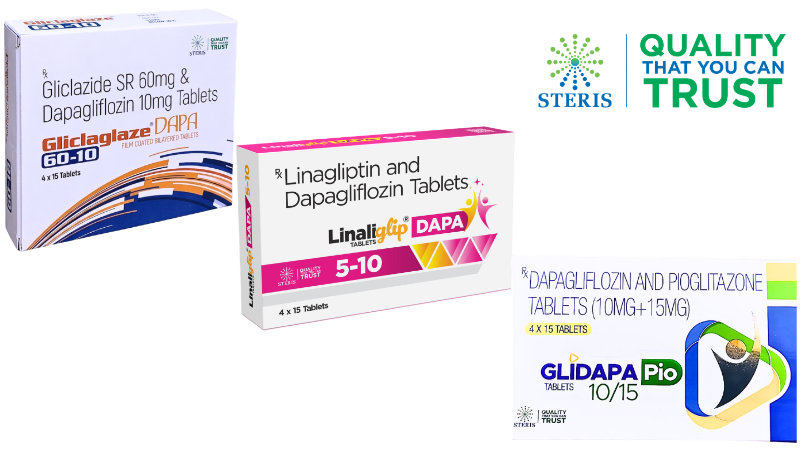
Dapagliflozin 10 mg: Uses in Diabetes, Heart Failure, and Kidney Disease
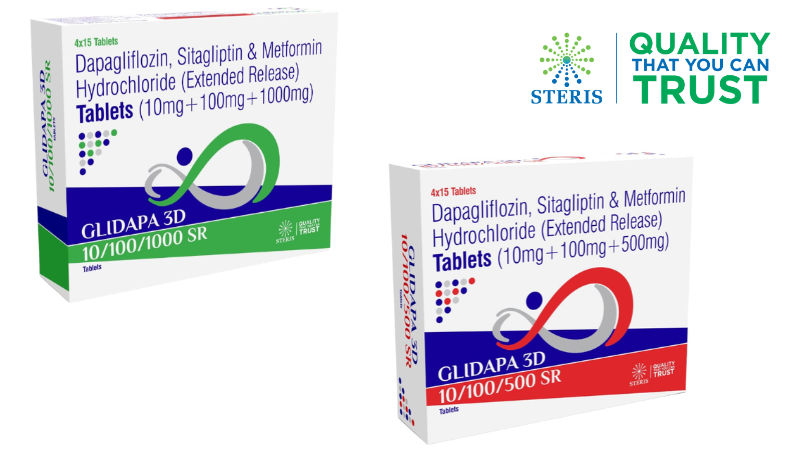
How Dapagliflozin, Sitagliptin and Metformin Help Manage Type 2 Diabetes
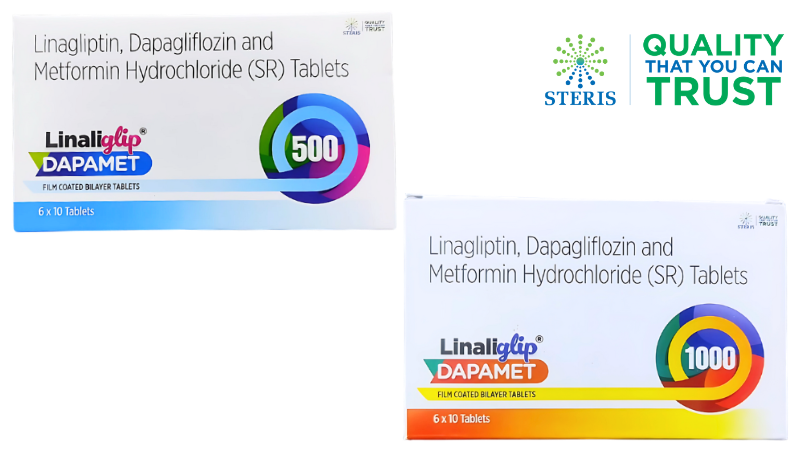
How Linagliptin, Dapagliflozin and Metformin Help Manage Type 2 Diabetes
Dapagliflozin and Vildagliptin: A Complete Guide to Diabetes Management
Dapagliflozin, Vildagliptin and Metformin: Dosage, Side Effects and Precautions
Teneligliptin, Metformin and Dapagliflozin: Uses, Benefits and Key Features
Sitagliptin and Dapagliflozin: Uses, Benefits and Key Features
Teneligliptin and Dapagliflozin Tablets: A Complete Guide
How Metformin, Glimepiride and Dapagliflozin Help Manage Type 2 Diabetes