


Gliclazide (SR), pioglitazone, and metformin HCL (SR)""""''''''
Aug 22, 2023
Gliclazide (SR), pioglitazone, and metformin HCL (SR)
TRIGLICLAGLAZE are medications used to manage blood sugar levels in people with type 2 diabetes. Each medication has a different mechanism of action and purpose. Here's an overview of each medication:
Gliclazide (SR):
Usage: Gliclazide is an oral antidiabetic medication belonging to the sulfonylurea class. TRIGLICLAGLAZE stimulates the pancreas to produce more insulin, which helps lower blood sugar levels.
Mechanism of action: Gliclazide works by binding to specific receptors on the pancreatic beta cells, stimulating the release of insulin.
Administration: Gliclazide is typically taken orally in tablet form. The extended-release (SR) formulation provides a gradual and sustained release of the medication over time.
Side effects: Common side effects of gliclazide may include hypoglycemia (low blood sugar), weight gain, upset stomach, nausea, and skin reactions. It is important to monitor blood sugar levels regularly and follow the prescribed dosage to minimize the risk of hypoglycemia.
Pioglitazone:
Usage: Pioglitazone is an oral antidiabetic medication belonging to the thiazolidinedione class. TRIGLICLAGLAZE helps improve insulin sensitivity in the body, allowing cells to use insulin more effectively and reduce blood sugar levels.
Mechanism of action: Pioglitazone acts as a peroxisome proliferator-activated receptor gamma (PPARγ) agonist, which regulates genes involved in glucose and lipid metabolism, leading to improved insulin action.
Administration: Pioglitazone is taken orally in tablet form. TRIGLICLAGLAZE is usually prescribed as part of a combination therapy along with other antidiabetic medications, including metformin.
Side effects: Common side effects of pioglitazone may include weight gain, fluid retention, edema (swelling), headache, and muscle pain. TRIGLICLAGLAZE may also increase the risk of heart failure in certain individuals.
Metformin HCL (SR):
Usage: Metformin is an oral antidiabetic medication that reduces the production of glucose by the liver and improves insulin sensitivity in peripheral tissues.
Mechanism of action: Metformin primarily works by suppressing glucose production in the liver, reducing intestinal glucose absorption, and enhancing insulin sensitivity.
Administration: Metformin HCL (SR) is an extended-release formulation that provides a sustained release of the medication over time. TRIGLICLAGLAZE is usually taken orally in tablet form.
Side effects: Common side effects of metformin may include gastrointestinal symptoms such as nausea, diarrhea, and abdominal discomfort. These side effects are usually mild and temporary. In rare cases, metformin can cause a serious condition called lactic acidosis, so it is important to monitor kidney function and adhere to prescribed dosages.
For further information please contact: info@sterispharma.com Order Now - https://www.sterisonline.com/product/trigliclaglaze-30-134278
Recent Post

First Time Launch in India by Steris healthcare : VONOSTRUM HP KIT – Combipack of Vonoprazan Tablets 20 mg, Clarithromycin Tablets IP 500 mg & Amoxycillin Capsules IP 500 mg
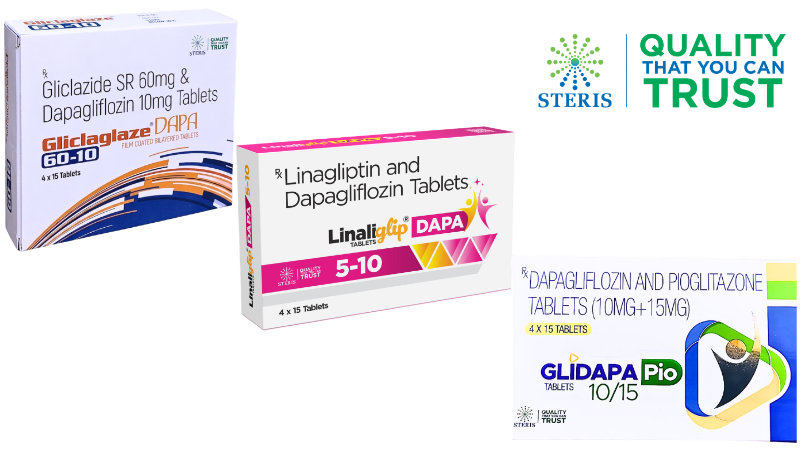
Dapagliflozin 10 mg: Uses in Diabetes, Heart Failure, and Kidney Disease
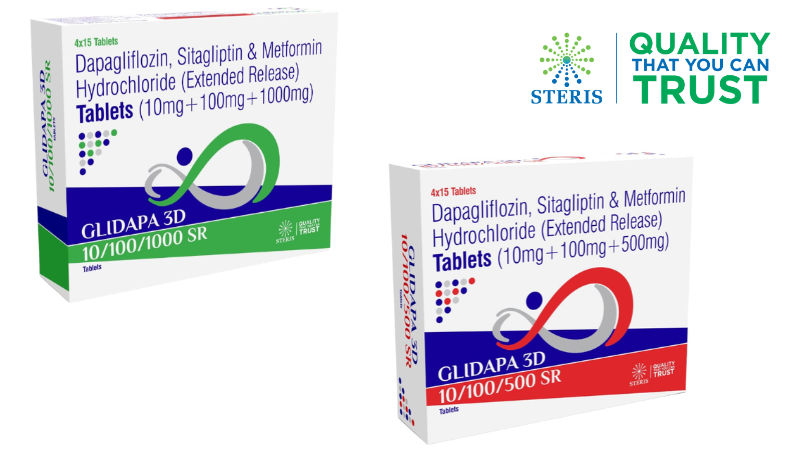
How Dapagliflozin, Sitagliptin and Metformin Help Manage Type 2 Diabetes
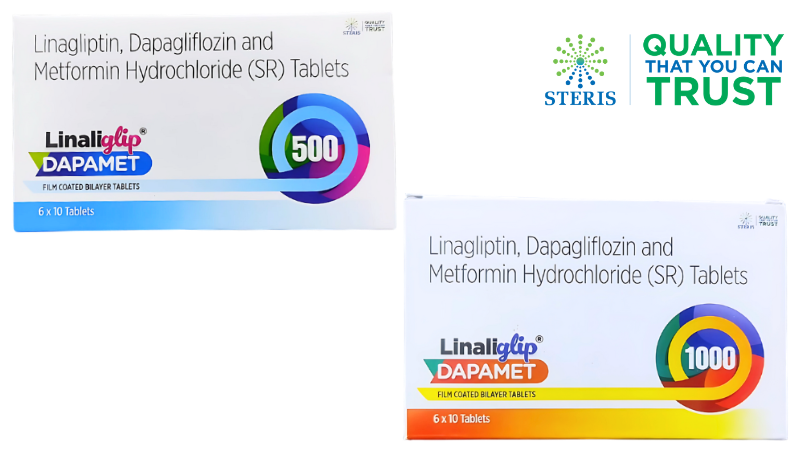
How Linagliptin, Dapagliflozin and Metformin Help Manage Type 2 Diabetes
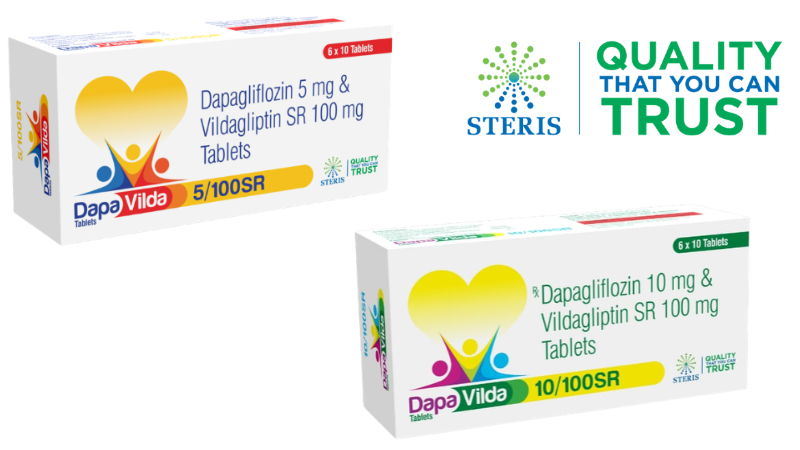
Dapagliflozin and Vildagliptin: A Complete Guide to Diabetes Management
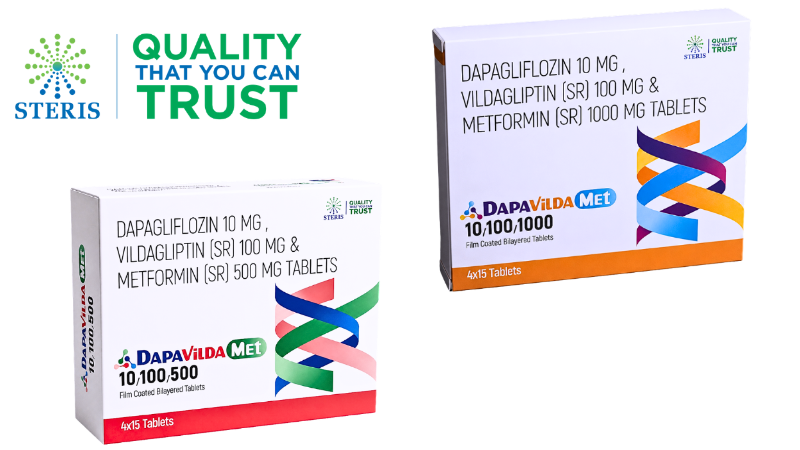
Dapagliflozin, Vildagliptin and Metformin: Dosage, Side Effects and Precautions
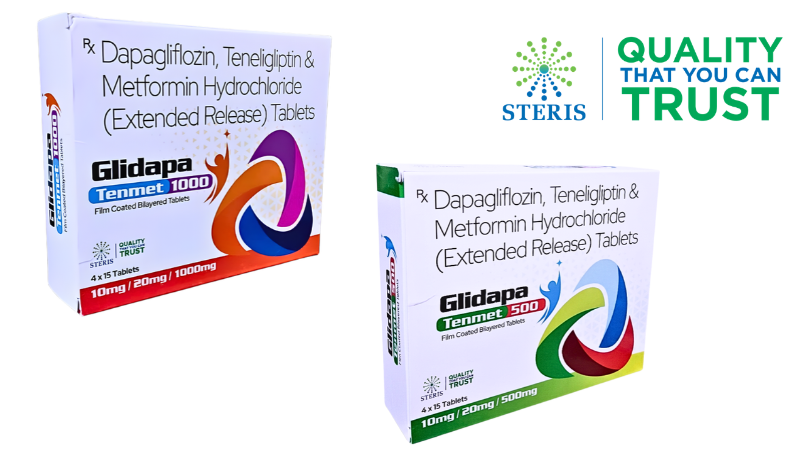
Teneligliptin, Metformin and Dapagliflozin: Uses, Benefits and Key Features
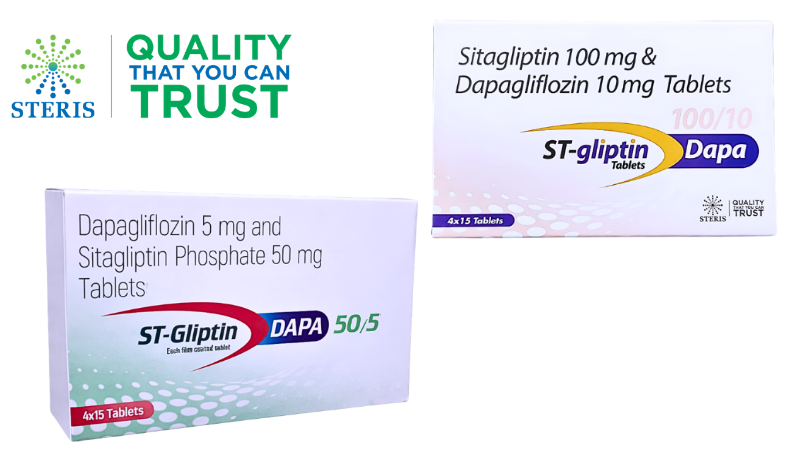
Sitagliptin and Dapagliflozin: Uses, Benefits and Key Features
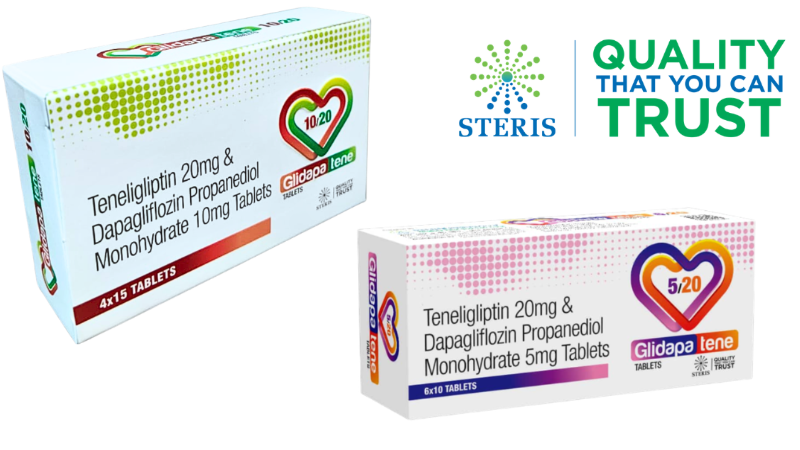
Teneligliptin and Dapagliflozin Tablets: A Complete Guide
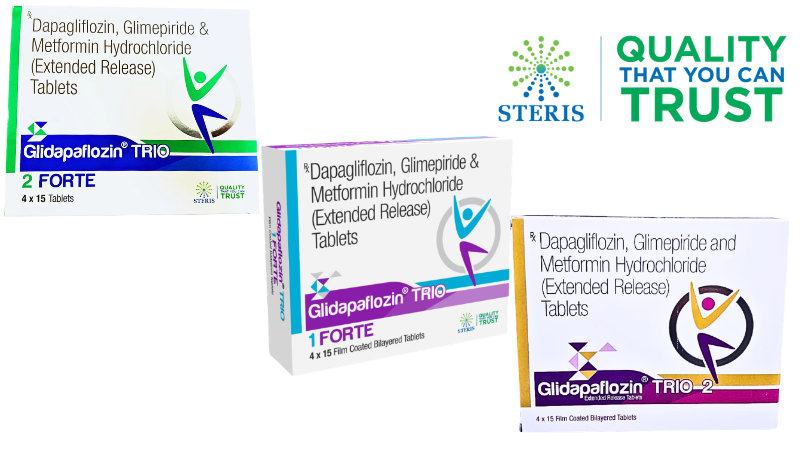
How Metformin, Glimepiride and Dapagliflozin Help Manage Type 2 Diabetes

