


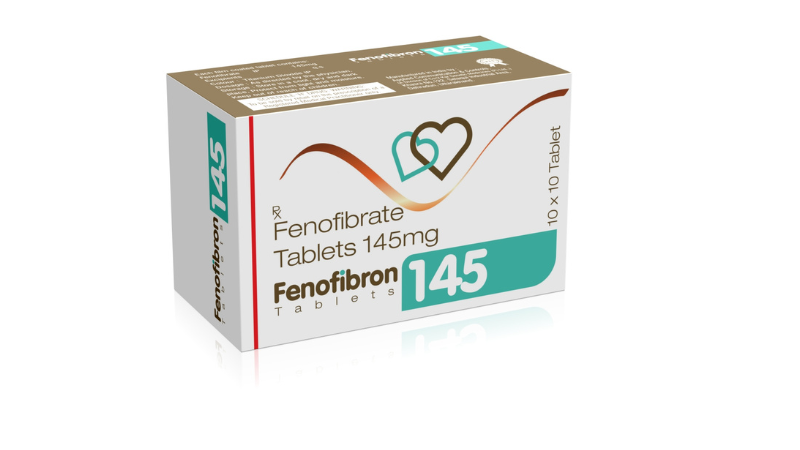



Fenofibrate 145mg (Fenofibron 145): Uses, Dosage, Side Effects
Jul 02, 2024
Fenofibrate tablets are a prescription medication commonly used to reduce elevated triglyceride and cholesterol levels in the bloodstream. They are members of a group of medicines called fibrates which help to lower high triglycerides and improve the overall lipid balance. Fenofibrate tablets are an important part of decreasing the likelihood of complications associated with high blood lipids in conjunction with a healthy diet, regular physical activity, and lifestyle changes. Healthcare professionals frequently prescribe this medication for patients with hypertriglyceridemia and mixed dyslipidemia who require long-term lipid management.
What Are Fenofibrate Tablets?
Fenofibrate tablets are prescription drugs used to lower lipid levels, mainly for lowering high triglyceride levels and improving cholesterol balance. The medicine works by targeting specific receptors that are involved in fat metabolism, helping the body break down and remove excess triglycerides in the blood. Fenofibrate may also increase levels of "good cholesterol," also known as high-density lipoprotein (HDL), while simultaneously decreasing levels of some of the "bad cholesterol" particles.
Doctors will often prescribe fenofibrate tablets for patients whose lipid levels remain high after changing their diet and exercise routine. In many cases, the medication is part of a broader plan to manage cardiovascular risk, which includes a healthy diet, exercise, weight control and regular check-ups.
How Fenofibrate Tablets Work
Fenofibrate tablets work by activating peroxisome proliferator-activated receptor alpha (PPAR-α), a receptor involved in regulating fat metabolism. Activation of this receptor increases the breakdown of triglyceride-rich particles and reduces the production of certain lipids by the liver. As triglyceride levels decrease, HDL cholesterol levels may improve, supporting healthier lipid profiles.
Unlike medications that mainly target LDL cholesterol, fenofibrate is particularly effective in lowering triglycerides and improving mixed lipid disorders. This mechanism makes it an important treatment option for patients with significantly elevated triglyceride levels or combined lipid abnormalities.
Uses of Fenofibrate Tablets
Fenofibrate tablets are commonly prescribed for:
- High triglyceride levels (Hypertriglyceridemia)
- Mixed dyslipidemia
- Abnormal cholesterol management
- Improving HDL (good cholesterol) levels
- Reducing cardiovascular risk as part of a comprehensive treatment plan
- Supporting long-term lipid management under medical supervision
Benefits of Fenofibrate Tablets
Patients may experience several benefits when taking fenofibrate tablets as prescribed.
- Effectively lowers elevated triglyceride levels.
- Helps improve overall cholesterol balance.
- Increases HDL (good cholesterol) levels.
- Supports long-term cardiovascular health.
- Complements healthy lifestyle changes.
- May reduce the risk of complications associated with severe hypertriglyceridemia.
- Suitable for long-term lipid management under medical supervision.
- Helps improve overall blood lipid profiles.
Possible Side Effects of Fenofibrate Tablets
Like all prescription medications, fenofibrate tablets may cause side effects, although many patients tolerate treatment well.
Common side effects include:
- Headache
- Nausea
- Stomach discomfort
- Indigestion
- Back pain
- Mild muscle pain
- Increased liver enzyme levels
Less common but serious side effects may include:
- Severe muscle pain or weakness
- Liver problems
- Gallstones
- Pancreatitis
- Allergic reactions
- Kidney function changes
Seek immediate medical attention if severe muscle pain, yellowing of the skin or eyes, severe abdominal pain, or allergic reactions occur.
How to Take Fenofibrate Tablets
Fenofibrate tablets should be taken exactly as prescribed by your healthcare provider. Depending on the specific formulation, the medication may be taken with or without food, so always follow the manufacturer's instructions or your healthcare provider's recommendations.
Swallow the tablet whole with water and take it at the same time each day to maintain consistent medication levels. Continue following a cholesterol-lowering diet and healthy lifestyle while taking fenofibrate. Do not stop treatment without consulting your healthcare provider, even if you begin to feel well.
Who Can Use Fenofibrate Tablets?
Fenofibrate tablets are generally prescribed for adults with elevated triglycerides, mixed dyslipidemia, or other lipid disorders requiring medical treatment. They are often recommended when lifestyle modifications alone have not achieved adequate lipid control.
Patients with liver disease, kidney disease, gallbladder disease, or a history of muscle disorders should discuss their complete medical history with their healthcare provider before starting treatment. Pregnant and breastfeeding women should only use fenofibrate if specifically recommended by a qualified healthcare professional.
Storage Instructions
Store fenofibrate tablets at room temperature in a cool, dry place away from direct sunlight, heat, and moisture. Keep the medication in its original packaging until use and store it out of reach of children and pets. Do not use the tablets after the expiration date printed on the packaging.
Why Choose Fenofibrate Tablets?
Fenofibrate tablets are widely trusted for their effectiveness in lowering triglycerides and improving lipid profiles. They are commonly prescribed as part of a comprehensive cardiovascular care plan that includes dietary modifications, exercise, weight management, and regular health monitoring. By targeting abnormal fat metabolism, fenofibrate helps patients achieve better long-term lipid control and supports overall cardiovascular health.
For pharmacies, hospitals, healthcare providers, distributors, and international buyers, sourcing fenofibrate tablets from GMP-certified manufacturers and authorized pharmaceutical suppliers helps ensure product quality, regulatory compliance, and consistent availability. Choosing reliable suppliers also provides confidence in manufacturing standards, packaging integrity, and pharmaceutical excellence.
Buying Guide for Fenofibrate Tablets
Before purchasing fenofibrate tablets, consider the following:
- Purchase only from licensed pharmacies or authorized pharmaceutical suppliers.
- Verify the prescribed strength before buying.
- Check the manufacturing and expiry dates.
- Ensure the packaging is sealed and undamaged.
- Confirm compliance with recognized pharmaceutical quality standards.
- Follow recommended storage instructions.
- Use only under the guidance of a qualified healthcare professional.
Buying from reputable suppliers helps ensure you receive genuine, high-quality medication that meets established pharmaceutical standards and supports effective long-term treatment.
Frequently Asked Questions
1. What are fenofibrate tablets used for?
Fenofibrate tablets are used to lower high triglyceride levels, improve cholesterol balance, and manage certain lipid disorders.
2. How do fenofibrate tablets work?
Fenofibrate activates PPAR-α receptors, helping the body break down triglycerides and improve overall lipid metabolism.
3. Can fenofibrate tablets lower cholesterol?
Yes. Fenofibrate primarily lowers triglycerides and may also improve HDL cholesterol while helping manage certain cholesterol abnormalities.
4. Should fenofibrate tablets be taken with food?
Some formulations should be taken with food, while others may be taken without food. Follow your healthcare provider's instructions and the specific product labeling.
5. What are the common side effects of fenofibrate tablets?
Common side effects include headache, nausea, stomach discomfort, indigestion, back pain, mild muscle pain, and increased liver enzymes.
6. Can fenofibrate tablets be taken with statins?
In some cases, healthcare providers prescribe fenofibrate together with statins. However, this combination requires medical supervision because it may increase the risk of muscle-related side effects.
7. How long does fenofibrate take to work?
Improvements in lipid levels may become noticeable within several weeks, while full therapeutic benefits are usually assessed through follow-up blood tests.
8. Who should avoid fenofibrate tablets?
Patients with severe liver disease, severe kidney disease, active gallbladder disease, or known allergy to fenofibrate should consult their healthcare provider before use.
9. Do fenofibrate tablets help prevent heart disease?
Fenofibrate may support cardiovascular risk reduction in appropriate patients as part of an overall treatment plan that includes healthy lifestyle changes and management of other risk factors.
10. Do I need a prescription to buy fenofibrate tablets?
Yes. In most countries, fenofibrate tablets are available only with a valid prescription from a licensed healthcare provider.
11. How should fenofibrate tablets be stored?
Store the tablets at room temperature in a cool, dry place away from heat, moisture, and direct sunlight.
12. Where can I buy genuine fenofibrate tablets?
Purchase fenofibrate tablets only from licensed pharmacies, authorized distributors, or reputable pharmaceutical manufacturers to ensure authenticity, quality, and regulatory compliance.
13. Is 145 mg of fenofibrate a high dose?
Yes, 145 mg is a standard full-strength adult fenofibrate maintenance dose.
Medical Disclaimer: This content is intended for educational purposes only and should not replace professional medical advice, diagnosis, or treatment. Always consult a qualified healthcare provider before starting, stopping, or changing any prescription medication.
Product Information
Brand name: FENOFIBRON 145 (STERIS HEALTHCARE PVT LTD)
Composition Name: Fenofibrate Tablets IP 145
Pack size: Strip of 10 tablets
Marketed By: Steris Healthcare Pvt Ltd
Regulatory standard: WHO-GMP certified
Schedule: Valid Prescription Required (prescription only) please create in this manner.
For Further More Information:
Mail Us: contact@sterispharma.com or info@sterispharma.com
Call Now: +918824175417, +919982524671
Recent Post
Voglibose 0.2 mg and Repaglinide 1 mg Tablets IP: Uses, Benefits, Dosage and Side Effects
L-Methyl Folate,Methylcobalamin,Pyridoxal-5-Phosphate,DHA & Vitamin D3 Soft Gelatin Capsules
Glutathione With Vitamin C Tablets: Complete Guide to Skin Health

L-Glutathione With Vitamin C Effervescent Tablets: Uses, Benefits, Side Effects & Skin Health
Cefpodoxime Proxetil 200 mg And Clavulanate Potassium 125 mg Tablets: Uses, Benefits
Etifoxine Hydrochloride Capsules 50 mg: Uses, Benefits, Side Effects & Precautions

Glutathione with Astaxanthin Tablets: Benefits, Side Effects and Skin Health
Flavoxate 200 mg + Nitrofurantoin 100 mg Tablets: Uses, Benefits and Side Effects
Atomoxetine 10mg के उपयोग, फायदे और नुकसान: पूरी जानकारी।
Apixaban 2.5mg: खून के थक्के बनने से रोकने में कैसे मदद करती है?