


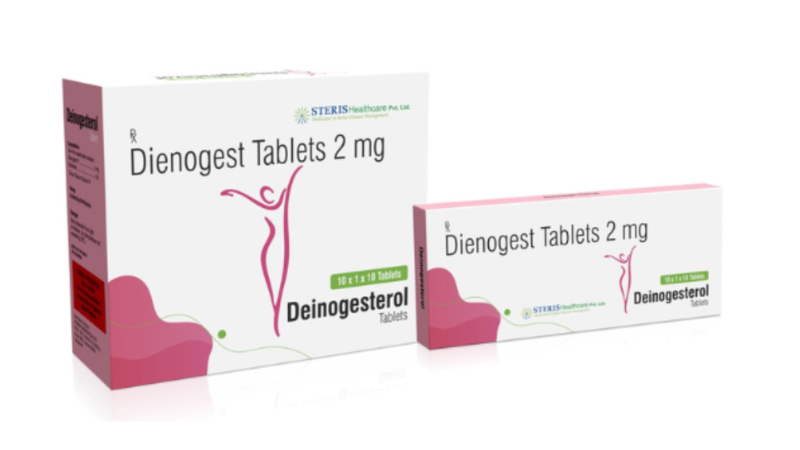


Dienogest [2mg]
Jun 28, 2023
Deinogesterol 2mg of dienogest (it also has other names like Provera, and it has an inexpesive generic one) is a progestin (a progesterone-like substance), and an antiandrogen, so this is how it’s supposed to work to treat endometriosis pain and symptoms, specially horrible menstrual pain.
DEINOGESTEROL 2 The Guide to 2mg Dienogest Dienogesterol 2 is a powerful hormonal medicine, prescribed as an oral tablet containing dienogest 2 mg – a fourth generation progestin that works best when treating pain in the pelvis caused by endometriosis. The following answers some of the most asked questions about 2mg dienogest, including; what does it do, who is suitable, what should i expect, how does it compare to other treatments, written in plain, but medically sound, language suitable for patients, their carers, and researchers in the medical field.
What Is Dienogest 2 mg Used For?
Dienogest 2 mg — the active ingredient in Deinogesterol 2 — is a fourth-generation progestin (a synthetic form of progesterone) manufactured by Steris Healthcare. It is prescribed primarily for:
- Endometriosis — when tissue similar to the uterine lining grows outside the uterus
- Adenomyosis — when this tissue grows into the muscular wall of the uterus
- Chronic pelvic pain linked to these conditions
- Painful periods (dysmenorrhea) caused by endometriosis
- Symptom control after endometriosis-related surgery, to reduce recurrence
Doctors commonly prescribe dienogest 2 mg uses for women who have been diagnosed with endometriosis via ultrasound, MRI, or laparoscopy, and who need long-term, hormone-based symptom management rather than repeated surgery.
Why Did My Doctor Prescribe Dienogest 2 mg?
If your gynecologist has prescribed the tab dienogest 2 mg, it is most likely because you have one or more of the following:
- Confirmed or suspected endometriosis
- Adenomyosis with heavy or painful periods
- Recurrent pelvic pain unresponsive to painkillers alone
- A need for suppressive therapy after laparoscopic excision of endometriotic tissue
It's a targeted hormonal therapy, not a general-purpose period regulator, so your doctor has usually already assessed your symptoms and imaging before starting you on it.
How Does Dienogest 2 mg Work?
Dienogest works through three main mechanisms:
- Suppresses ovarian estrogen production, which starves endometriotic tissue of the hormone that fuels its growth
- Induces a local anti-inflammatory and anti-proliferative effect directly on endometriotic lesions
- Causes decidualization followed by atrophy of endometrial tissue, shrinking abnormal growths over time
This dual action (hormonal suppression + direct tissue effect) is why dienogest is considered more targeted for endometriosis than standard combined birth control pills.
Is Dienogest 2 mg a Birth Control Pill?
No. This is one of the most searched questions, so it deserves a direct answer:
Dienogest 2 mg is not approved or marketed as a contraceptive. It is a progestin-only endometriosis treatment. While it often suppresses ovulation as a side effect of how it works, it should not be relied upon as your primary method of contraception. If you need to avoid pregnancy while on treatment, use a barrier method (like condoms) as advised by your doctor, since dienogest itself is not a licensed birth control method — unlike combined oral contraceptive pills, which contain both estrogen and progestin specifically for pregnancy prevention.
Dienogest 2 mg for Endometriosis
Endometriosis is the leading approved use for dienogest 2 mg tablet therapy. Clinical evidence shows dienogest:
- Reduces pelvic pain scores significantly within 8–12 weeks
- Shrinks the size of endometriotic implants over continued use
- Lowers recurrence rates when used after laparoscopic surgery
- Is generally well tolerated for continuous, long-term use
Dienogest 2 mg for Adenomyosis
Although adenomyosis is technically an "off-label but widely accepted" indication in many countries, dienogest is frequently used to manage adenomyosis because it works on the same hormonal pathway. It helps reduce:
- Heavy menstrual bleeding
- Uterine enlargement symptoms
- Pelvic heaviness and cramping
How Long Should I Take Dienogest 2 mg?
There is no fixed universal duration — your gynecologist decides the treatment length based on your response and imaging follow-up. However, general clinical patterns look like this:
| Scenario | Typical Duration |
|---|---|
| Initial endometriosis symptom control | 6 months minimum |
| Long-term maintenance therapy | Often continued for 1–2+ years |
| Post-surgical recurrence prevention | Continuous use, reviewed every 6–12 months |
| Adenomyosis symptom management | Until symptoms stabilize, reassessed periodically |
Featured snippet answer — "How long can dienogest be taken for endometriosis?" Studies and real-world prescribing show dienogest can be safely used continuously for extended periods (a year or more) under medical supervision, as long as your doctor monitors you with periodic check-ups, since it doesn't carry the same long-term bone density risks associated with some other hormonal endometriosis treatments (like GnRH agonists).
Best Time to Take Dienogest 2 mg
- Take one tablet daily, at roughly the same time every day, with or without food
- Swallow the tablet whole with water
- Continuous dosing is standard — there is no 7-day pill-free break like with combined contraceptives
- Consistency matters more than the exact clock time; picking a routine (e.g., after breakfast) helps you avoid missed doses
Can I Take Dienogest 2 mg Every Day?
Yes — and you're meant to. Deinogesterol 2 is designed as a continuous, once-daily therapy without a placebo or break week. Stopping and restarting on your own can cause breakthrough bleeding and reduces its effectiveness on endometriotic tissue.
What Happens If I Miss a Dienogest 2 mg Tablet?
- If you remember within 12 hours of your usual time, take it immediately, then continue your normal schedule
- If it's been longer than 12 hours, take the missed dose as soon as you remember and continue as normal — there's no need to double up
- Missing doses occasionally is unlikely to cause pregnancy risk (since dienogest isn't a contraceptive), but it can trigger irregular spotting
- If you miss several days in a row, contact your doctor for guidance rather than restarting on your own
Dienogest 2 mg Side Effects
Most side effects are mild and tend to improve after the first 2–3 months as your body adjusts. Common ones include:
- Headache
- Breast discomfort
- Nausea
- Mood changes
- Irregular or breakthrough bleeding/spotting
- Abdominal discomfort
- Acne
Does Dienogest 2 mg Cause Weight Gain?
Weight changes are reported by some users but are not consistently proven in clinical trials as a major or expected effect. Any mild weight fluctuation is usually linked to fluid retention or appetite changes rather than fat gain, and it typically stabilizes with continued use.
Does Dienogest 2 mg Cause Hair Loss?
Hair thinning has been reported in a small percentage of users. It is generally mild and reversible after stopping treatment. If you notice significant shedding, report it to your doctor rather than stopping abruptly.
Can Dienogest 2 mg Cause Acne?
Yes, acne or oily skin can occur in some users due to hormonal shifts, though it's not among the most common effects and often settles with continued use.
Does Dienogest 2 mg Affect Mood?
Mood swings, low mood, or irritability have been reported in some patients, similar to other progestin-only therapies. If mood changes are significant or persistent, discuss this with your prescribing doctor — dose adjustment or alternative therapy may be considered.
Dienogest 2 mg and Irregular Bleeding
Irregular bleeding or spotting is the most common reason women contact their doctor while on dienogest, and it's expected, especially in the first 3–6 months.
Featured snippet answer — "Spotting while taking Dienogest 2 mg": Light, irregular spotting is a normal and common early side effect of dienogest therapy as your body adapts to continuous progestin exposure. It usually decreases significantly after the first few months. Persistent heavy bleeding, however, should always be reported to your doctor.
When Does Dienogest 2 mg Start Working?
- Pain relief: Many women notice improvement in pelvic pain within 4–8 weeks
- Bleeding pattern changes: Typically stabilize by month 3–6
- Lesion shrinkage: Measured through imaging, usually assessed after 3–6 months of continuous use
Does Dienogest 2 mg Stop Periods?
Yes, in many users it does — but not for everyone, and not immediately.
Because dienogest suppresses ovarian estrogen production and thins the uterine lining, a large proportion of women experience amenorrhea (absence of periods) after continuous use, usually developing over the first several months. Others may continue to have light, irregular bleeding instead of a complete stop. This is an expected therapeutic effect, not a malfunction of the medicine — the reduced bleeding is actually part of how symptom relief is achieved.
Can I Get Periods While Taking Dienogest?
Yes. Some women continue to have irregular light periods or spotting throughout treatment rather than complete amenorrhea. This varies by individual and does not mean the treatment isn't working — pain and lesion improvement can still occur even if bleeding hasn't fully stopped.
Can I Get Pregnant While Taking Dienogest 2 mg?
This is a critical safety question, so here is a direct, clear answer:
Dienogest usually suppresses ovulation, but it is not a licensed contraceptive, and pregnancy while on it — though uncommon — is not impossible. If pregnancy occurs or is suspected, stop the medication and contact your doctor immediately, since dienogest is not recommended during confirmed pregnancy. If avoiding pregnancy is important to you, use a barrier contraceptive method alongside treatment rather than relying on dienogest alone.
Is Dienogest 2 mg Safe for Long-Term Use?
Clinical data supports dienogest as generally safe for extended, continuous use under medical supervision, largely because — unlike GnRH agonists — it does not typically cause significant bone mineral density loss, making it more suitable for multi-year management of chronic endometriosis. Regular follow-up visits (usually every 6–12 months) are still recommended to monitor symptoms, bleeding patterns, and general health.
Dienogest 2 mg vs Visanne
Visanne is simply an internationally recognized brand name containing the same active ingredient — dienogest 2 mg. Deinogesterol 2 by Steris Healthcare is formulated to the same active strength and mechanism of action. The clinical effect, dosing, and precautions are the same across brands; differences typically lie in pricing, tablet formulation, and availability rather than efficacy.
Dienogest 2 mg vs Birth Control Pills
| Feature | Dienogest 2 mg | Combined Birth Control Pills |
|---|---|---|
| Primary purpose | Endometriosis/adenomyosis treatment | Contraception |
| Hormone type | Progestin only | Estrogen + progestin |
| Contraceptive reliability | Not licensed as contraception | Highly effective if used correctly |
| Dosing pattern | Continuous, no break | Often 21 active + 7 placebo/break |
| Bleeding pattern | Often reduces/stops periods | Regulates a monthly withdrawal bleed |
Can I Drink Alcohol While Taking Dienogest 2 mg?
There's no major documented interaction between dienogest and moderate alcohol consumption. However, alcohol can independently affect liver function and hormone metabolism, so it's sensible to keep intake moderate and mention regular alcohol use to your doctor, especially if you have any liver concerns.
Foods to Avoid With Dienogest 2 mg
No specific foods are known to interact dangerously with dienogest. General good practice includes:
- Avoiding excessive grapefruit juice, which can interfere with liver enzyme metabolism of many hormonal medicines
- Maintaining a balanced diet to support liver and hormonal health
- Staying hydrated, particularly if you experience nausea
What Should I Avoid While Taking Dienogest?
- Self-adjusting or stopping the dose without medical advice
- Relying on it as birth control
- Smoking, which can increase cardiovascular risk with hormonal therapies generally
- Certain liver enzyme–inducing medications (see interactions below) without discussing with your doctor
- Skipping follow-up appointments, since monitoring matters for long-term therapy
Dienogest 2 mg Interactions With Other Medicines
Dienogest is metabolized in the liver, so medicines that strongly induce liver enzymes can reduce its effectiveness. These include certain:
- Anti-epileptic drugs (e.g., phenytoin, carbamazepine)
- Rifampicin (used for tuberculosis)
- St. John's Wort (herbal supplement)
- Some HIV medications
Always share your full current medication list, including supplements, with your prescribing doctor before starting Deinogesterol 2.
Can I Take Painkillers With Dienogest 2 mg?
Yes, standard painkillers like paracetamol or NSAIDs (e.g., ibuprofen, mefenamic acid) are commonly co-prescribed for endometriosis-related pain alongside dienogest, especially during the initial weeks before the hormonal effect fully takes hold. There is no known major interaction, but always confirm dosages with your doctor, particularly if you have any gastric or kidney conditions.
How to Stop Taking Dienogest 2 mg
Dienogest should ideally be stopped under medical guidance, not abruptly on your own, particularly if you've been on it long-term. Your doctor may want to:
- Reassess symptoms before stopping
- Plan for a transition method if pain control or contraception is still needed
- Monitor for return of endometriosis symptoms after discontinuation
Dienogest 2 mg Withdrawal Symptoms
After stopping, some women experience:
- Return of pelvic pain or period cramps (as the suppressive effect wears off)
- Resumption of regular menstrual cycles, sometimes within a few weeks to a couple of months
- Occasional mood or skin changes as hormone levels shift back
These are generally the body returning to its pre-treatment hormonal state rather than a distinct "withdrawal syndrome."
Who Should Not Take Dienogest 2 mg?
Dienogest is generally not recommended for those with:
- Known or suspected pregnancy
- Active or history of certain blood clotting disorders (venous thromboembolism)
- Severe liver disease or liver tumors
- Undiagnosed abnormal vaginal bleeding
- Known hormone-sensitive cancers (e.g., certain breast cancers)
- Known hypersensitivity to dienogest or any tablet excipient
Always disclose your full medical history to your doctor before starting therapy.
Can Teenagers Take Dienogest 2 mg?
Dienogest may be prescribed to adolescent girls with confirmed or strongly suspected endometriosis under specialist gynecological supervision, particularly when pain is significantly affecting quality of life or school attendance. This decision is individualized and should always be made by a pediatric or adolescent gynecology specialist, not self-initiated.
Dienogest 2 mg After Endometriosis Surgery
Post-surgical use of dienogest is a well-established strategy to:
- Reduce the chance of endometriosis recurrence
- Delay the need for repeat surgery
- Manage residual pain symptoms after laparoscopic excision
Doctors often start dienogest shortly after surgical recovery to maintain suppression of any remaining microscopic endometriotic tissue.
Does Dienogest 2 mg Shrink Ovarian Cysts?
Dienogest can help reduce the size of endometriomas (chocolate cysts) over continuous long-term use by suppressing the hormonal drive behind their growth, though larger or symptomatic cysts may still require surgical management alongside medical therapy. Your doctor will track cyst size via ultrasound during treatment.
Does Dienogest 2 mg Help Pelvic Pain?
Yes — pelvic pain relief is one of the primary clinical benefits of dienogest therapy, with many patients reporting meaningful improvement within the first couple of months of consistent use.
How Effective Is Dienogest 2 mg for Endometriosis?
Clinical studies consistently show dienogest as an effective long-term option for endometriosis-associated pain, comparable in efficacy to some GnRH agonist therapies, but generally with a more favorable side-effect and bone-health profile for extended use. Individual response varies, and effectiveness is best assessed through regular follow-up with your gynecologist.
Dienogest 2 mg Price and Availability
The dienogest 2 mg price varies depending on your region, pharmacy, and pack size. As a tab dienogest 2 mg price comparison, generic formulations like Deinogesterol 2 are generally more affordable than the originator brand while containing the same active ingredient at the same strength.
Is Dienogest 2 mg available over the counter? No. Dienogest is a prescription-only medicine. It should never be started, stopped, or self-dosed without a doctor's assessment, due to the medical evaluation required (imaging, history, contraindication screening) before starting hormonal endometriosis therapy.
Generic Dienogest 2 mg Brands
Several manufacturers produce dienogest 2 mg tablet uses-approved generic versions alongside the originator brand. Deinogesterol 2 mg by Steris Healthcare is manufactured under quality-controlled pharmaceutical standards, offering the same active compound and clinical indication as other approved dienogest formulations.
If your usual brand is unavailable, ask your pharmacist about an appropriate dienogest 2 mg substitute — but always confirm with your doctor or pharmacist that the substitute contains the identical strength (2 mg) and active ingredient before switching.
Dienogest 2 mg Reviews and Real-World Experience
Patient experiences with dienogest therapy vary, but common themes reported across clinical literature and patient feedback include:
- Noticeable reduction in period pain within the first few months
- An adjustment period of irregular spotting that improves over time
- Overall positive long-term symptom control for chronic endometriosis pain
Individual results differ, and what works well for one patient may need adjustment for another — which is why ongoing communication with your prescribing doctor matters more than comparing anecdotal reviews alone.
- Storage: Keep tablets at room temperature, away from direct sunlight and moisture, and out of reach of children.
- Breastfeeding: Dienogest is generally not recommended during breastfeeding, as data on its transfer into breast milk and effects on infants is limited — discuss alternatives with your doctor if you are nursing.
- Not for use with estrogen-containing therapy unless specifically directed, since combining hormonal therapies without medical guidance can alter effectiveness and side-effect profile.
- Regular monitoring matters: Even though dienogest has a favorable long-term safety profile, periodic blood pressure checks, liver function assessment (if you have risk factors), and pelvic ultrasound follow-ups help ensure treatment is working safely.
- Drug class transparency: Dienogest belongs to the progestin (progestogen) class of hormonal medicines, distinct from estrogen-based or GnRH-agonist based endometriosis treatments — this is why its side-effect pattern differs from combined contraceptive pills.
- Onset of full lining-suppression effect can take a few months, so pain relief in the first few weeks may be partial while the medicine builds its full therapeutic effect.
Medical disclaimer: This article is for educational purposes only and does not replace professional medical advice. DEINOGESTEROL 2 is a prescription medicine. Always consult a licensed gynecologist or physician before starting, stopping, or changing your dose.
Recent Post

Voglibose 0.2 mg and Repaglinide 1 mg Tablets IP: Uses, Benefits, Dosage and Side Effects
L-Methyl Folate,Methylcobalamin,Pyridoxal-5-Phosphate,DHA & Vitamin D3 Soft Gelatin Capsules

Glutathione With Vitamin C Tablets: Complete Guide to Skin Health

L-Glutathione With Vitamin C Effervescent Tablets: Uses, Benefits, Side Effects & Skin Health
Cefpodoxime Proxetil 200 mg And Clavulanate Potassium 125 mg Tablets: Uses, Benefits
Etifoxine Hydrochloride Capsules 50 mg: Uses, Benefits, Side Effects & Precautions

Glutathione with Astaxanthin Tablets: Benefits, Side Effects and Skin Health

Flavoxate 200 mg + Nitrofurantoin 100 mg Tablets: Uses, Benefits and Side Effects
Atomoxetine 10mg के उपयोग, फायदे और नुकसान: पूरी जानकारी।

Apixaban 2.5mg: खून के थक्के बनने से रोकने में कैसे मदद करती है?