


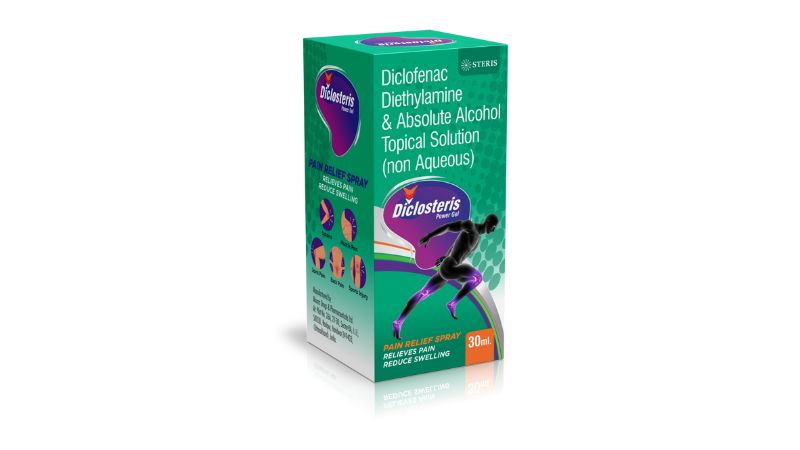



DICLOSTERIS POWER SPRAY: Effective Pain Relief Solution with Diclofenac
Jul 02, 2024
There's a particular kind of frustration that comes with a stiff shoulder mid-workday or a stubborn ache in your lower back right before you need to leave the house — you want relief fast, without smearing gel on your hands or waiting for a greasy residue to soak in. Diclosteris Power Spray, manufactured by Steris Healthcare, is a fast-acting topical solution combining diclofenac diethylamine and absolute alcohol, formulated as a no-touch spray designed to deliver targeted pain relief exactly where you need it, in seconds.
Unlike traditional gels or creams that require rubbing in with your fingers, this spray-based solution uses absolute alcohol as a rapid-evaporating carrier, allowing the active ingredient to reach the skin's surface quickly and begin absorbing without the mess or wait typically associated with topical pain relief products. This article covers diclofenac diethylamine absolute alcohol solution uses, why this particular formulation matters, its key benefits, potential side effects, dosage guidelines, and important precautions.
Why It's Important
Musculoskeletal pain — whether from a pulled muscle, a long day of physical labor, arthritis flare-ups, or an intense workout — doesn't wait for a convenient moment. What often determines whether someone reaches for a topical pain reliever consistently isn't just how well it works, but how easy it is to use in the moment. Traditional gels require clean, dry hands, a few minutes of rubbing in, and often leave a residue that can transfer to clothing or bedding.
This is precisely the gap that a spray-based diclofenac diethylamine solution is designed to close. By suspending the active NSAID in an absolute alcohol base, the formulation can be applied directly to the skin with a simple spray action — no touching the affected area, no rubbing required, and a residue that evaporates far faster than oil- or water-based gels. This matters for people managing pain on the go, athletes who need quick relief between activities, and anyone who finds it physically difficult to reach and massage certain areas of their own body, such as the mid-back or shoulder blades.
Beyond convenience, the pharmacological importance remains the same as with any topical diclofenac product: it offers localized anti-inflammatory relief without the systemic exposure that comes with swallowing an oral NSAID tablet, which is particularly valuable for people who need frequent pain relief but want to minimize the gastrointestinal and cardiovascular risks associated with regular oral NSAID use.
Key Benefits
What Are the Benefits?
- No-touch application – The spray format allows direct application to the painful area without needing to rub it in with your hands, which is especially useful for hard-to-reach spots like the back or shoulders.
- Fast-absorbing formulation – Because absolute alcohol evaporates quickly, the active ingredient reaches the skin's surface faster than in thicker gel-based formulations, supporting quicker onset of the cooling, soothing sensation.
- Non-greasy, residue-free finish – Unlike oil-based balms or thicker gels, this spray leaves minimal residue, so it won't stain clothing or feel sticky once absorbed.
- Targeted anti-inflammatory action – Diclofenac diethylamine works locally to reduce inflammation and pain at the site of application, addressing the underlying inflammatory process rather than just masking discomfort.
- Convenient for on-the-go use – The compact spray bottle format makes it easy to carry in a gym bag, office drawer, or travel kit for quick application whenever pain strikes.
- Reduced systemic exposure compared to oral NSAIDs – Topical application concentrates the medication at the site of pain, generally resulting in lower systemic absorption than oral diclofenac tablets.
- Hygienic application – Since the spray doesn't require finger contact with the affected area, it reduces the risk of transferring the product to other surfaces, other people, or accidentally to the eyes if hands aren't washed after gel application.
Diclofenac Diethylamine: Uses
Diclofenac diethylamine in absolute alcohol solution form is used for the relief of pain, inflammation, and swelling associated with:
- Muscle strains and sprains
- Back pain and lower back stiffness
- Joint pain, including osteoarthritis-related discomfort
- Sports injuries and post-exercise muscle soreness
- Tendonitis and localized soft tissue inflammation
- Stiff shoulders, neck pain, and general musculoskeletal aches
Mechanism of action:
Diclofenac diethylamine is a non-steroidal anti-inflammatory drug (NSAID) that works by inhibiting cyclooxygenase (COX) enzymes — specifically COX-1 and COX-2 — which are responsible for producing prostaglandins, the chemical compounds that drive inflammation, swelling, and the sensation of pain at an injury or inflammation site. When applied topically, diclofenac diethylamine penetrates through the skin into the underlying soft tissue and muscle, where it exerts this anti-inflammatory effect locally, reducing prostaglandin production at the source of the discomfort.
The absolute alcohol base plays an important functional role in this specific formulation. Absolute alcohol (highly concentrated ethanol) acts as a fast-evaporating carrier and penetration enhancer, helping the diclofenac diethylamine molecule move through the outer layer of skin more efficiently than it might in a purely aqueous or oil-based gel. As the alcohol evaporates rapidly upon application, it also produces a mild, immediate cooling sensation, which can offer a quick sense of relief even before the anti-inflammatory action of diclofenac fully takes hold. This dual action — rapid sensory cooling paired with sustained anti-inflammatory absorption — is part of what distinguishes spray-based diclofenac solutions from traditional gel formulations.
Side Effects
Diclofenac diethylamine absolute alcohol topical solution is generally well tolerated when used as directed, but side effects can occur.
Common side effects may include:
- Mild burning or stinging sensation immediately after application (often related to the alcohol content)
- Redness or localized skin irritation
- Dryness of the skin at the application site
- Itching
- A cooling sensation that some users may find intense initially
These effects are usually mild and temporary, resolving as the skin adjusts. If irritation persists or worsens, discontinue use and consult a doctor or pharmacist.
Available Substitutes
If this spray formulation isn't suitable for your skin or preference, alternatives include diclofenac diethylamine gel formulations, diclofenac sodium topical gels, other NSAID-based topical sprays, or combination gels containing methyl salicylate and menthol for additional counterirritant effect. The right choice depends on individual skin sensitivity, application preference, and how your skin responds to alcohol-based versus gel-based carriers — a pharmacist or doctor can help guide substitution if needed.
Dosage Guidelines
- Shake the bottle gently before use, if indicated on the product label.
- Hold the spray nozzle a short distance from the skin and apply a light, even spray directly over the affected area.
- Typically used 3 to 4 times a day, or as directed by a physician or the product label, depending on symptom severity.
- Allow the solution to air-dry naturally; avoid covering the area with tight clothing or bandages immediately after application unless advised otherwise.
- Wash hands after application if any solution gets on your fingers during use.
- Avoid spraying near the eyes, mouth, nose, or onto broken, infected, or irritated skin.
- Do not use on large areas of the body or apply more frequently than directed, as this can increase the risk of local irritation or systemic absorption.
- Not typically recommended for children under 12 without medical guidance.
This is general guidance only. Always follow the instructions on the product label or as directed by your physician, since individual needs may vary.
Precautions & Warnings
- Flammable product: Because this solution contains absolute alcohol, avoid use near open flames, heat sources, or while smoking, and allow the area to fully dry before exposure to heat.
- Avoid broken or irritated skin: Do not apply to cuts, open wounds, infected skin, or areas affected by eczema or dermatitis.
- Eye and mucous membrane safety: Keep away from eyes, mouth, and nasal passages; the spray format increases the importance of careful, directed application away from the face.
- Pregnancy and breastfeeding: Consult a doctor before use, particularly during the third trimester of pregnancy, as with other topical NSAID products.
- Asthma or NSAID sensitivity: Individuals with a history of asthma, nasal polyps, or known allergic reactions to aspirin or other NSAIDs should use this product only under medical guidance due to potential cross-sensitivity.
- Avoid combining with oral NSAIDs without medical advice, as this can increase the risk of systemic side effects.
- Sun exposure: Avoid prolonged sun exposure on treated skin, as some topical NSAIDs can increase photosensitivity.
- Ventilated area use recommended: Given the alcohol content, use in a well-ventilated space and avoid inhaling concentrated spray directly.
- Elderly patients and those with kidney, liver, or cardiovascular conditions should consult a doctor before regular use.
- Store away from heat and direct sunlight, and keep the bottle tightly closed and out of reach of children, given both its flammability and pharmacological activity.
- Discontinue and consult a doctor if pain persists beyond 7 days or worsens during use.
Frequently Asked Questions
1. What is Diclosteris Power Spray used for?
Diclosteris Power Spray is used for fast, targeted relief of pain, inflammation, and swelling associated with muscle strains, back pain, joint pain, and sports injuries.
2. What is diclofenac diethylamine absolute alcohol solution used for?
It's used to deliver topical anti-inflammatory pain relief in a fast-absorbing spray form, ideal for muscle and joint pain where quick, no-touch application is preferred.
3. What is diclofenac diethylamine?
Diclofenac diethylamine is a non-steroidal anti-inflammatory drug (NSAID) formulated for topical use, working to reduce pain, swelling, and inflammation at the site of application.
4. How is a diclofenac diethylamine spray different from a diclofenac gel?
A spray uses a fast-evaporating alcohol base for quicker, no-touch application and faster drying, while a gel typically requires manual rubbing and takes longer to absorb, though both deliver the same active anti-inflammatory ingredient.
5. Why does diclofenac diethylamine spray contain absolute alcohol?
Absolute alcohol acts as a fast-evaporating carrier that helps the active ingredient penetrate the skin quickly while producing an immediate cooling sensation on application.
6. What are the common side effects of this absolute alcohol solution?
Common side effects include mild burning or stinging on application, redness, dryness, and itching at the application site, which are usually temporary.
7. Is diclofenac diethylamine spray safe for daily use?
It's generally safe for short-term use as directed, typically 3–4 times daily, but prolonged use beyond 7 days without medical advice is not recommended.
8. Can diclofenac topical spray be used for back pain?
Yes, it is commonly used for muscle-related and joint-related back pain, applied directly to the affected area for targeted relief.
9. Is this spray flammable?
Yes, because it contains absolute alcohol, it should be kept away from open flames and heat sources, and the area should be allowed to dry before exposure to any heat source.
10. Can I use this spray on broken or irritated skin?
No, it should not be applied to broken skin, open wounds, infections, or areas affected by eczema or dermatitis.
11. How quickly does diclofenac diethylamine spray absorb?
Due to the fast-evaporating alcohol base, this spray typically absorbs and dries noticeably faster than traditional gel formulations.
12. Can pregnant women use this topical solution?
Pregnant women, particularly in the third trimester, should consult a doctor before using this product, as with other topical NSAID formulations.
13. Is a prescription required to buy diclofenac diethylamine spray?
This varies by region; some topical diclofenac products are available over-the-counter, while others may require a prescription — check with your local pharmacy.
14. Can this spray be used for sports injuries?
Yes, its fast-absorbing, no-touch application makes it a popular choice among athletes for quick relief from minor sprains, strains, and post-exercise soreness.
15. What should I avoid while using this spray?
Avoid spraying near the eyes, nose, or mouth, applying to broken or infected skin, using near open flames, or combining with oral NSAIDs without medical advice.
16. Does this spray leave a greasy residue like some gels?
No, because of its fast-evaporating alcohol base, it typically dries quickly and leaves minimal to no greasy residue.
17. What is a good substitute if this spray doesn't suit my skin?
Alternatives include diclofenac diethylamine gel, diclofenac sodium gel, or other topical NSAID formulations — consult a pharmacist before switching products.
18. Can this spray be used on the neck and shoulders?
Yes, its no-touch application makes it particularly convenient for hard-to-reach areas like the neck, shoulders, and mid-back.
19. What should I do if the spray accidentally gets in my eyes?
Rinse thoroughly with clean water immediately and seek medical advice if irritation persists.
20. How many times a day can I use this spray?
It is typically used 3 to 4 times a day or as directed by your doctor or the product label, depending on the severity of your symptoms.
Conclusion
Diclosteris Power Spray brings the well-established anti-inflammatory action of diclofenac diethylamine into a fast, no-touch spray format using an absolute alcohol carrier — combining quick sensory cooling with targeted, localized pain relief. For people who want the therapeutic benefits of topical diclofenac without the mess, rubbing, and residue of traditional gels, this Steris Healthcare formulation offers a genuinely convenient alternative suited to busy routines, hard-to-reach pain sites, and on-the-go application.
That said, the same core principles that apply to any topical NSAID still apply here — use it as directed, avoid broken or sensitive skin, and don't ignore pain that persists beyond a week or is accompanied by swelling, fever, or other unusual symptoms, since these warrant a proper medical evaluation rather than continued self-treatment. Used correctly, Diclosteris Power Spray can be a fast, practical addition to your pain-management toolkit for everyday muscular and joint discomfort.
For Further Information:
Mail Us: contact@sterispharma.com or info@sterispharma.com
Call Now: +91 8824175417, +91 9982524671
Recent Post
Semaglutide 8mg Injection: Frequently Asked Questions Answered by Experts
Mycophenolate Mofetil 500mg (Mycofortic M 500): Uses, Benefits & Precautions – Complete Guide
What is Bisogard 1.25? Bisoprolol 1.25mg Uses, Dosage & Side Effects Explained
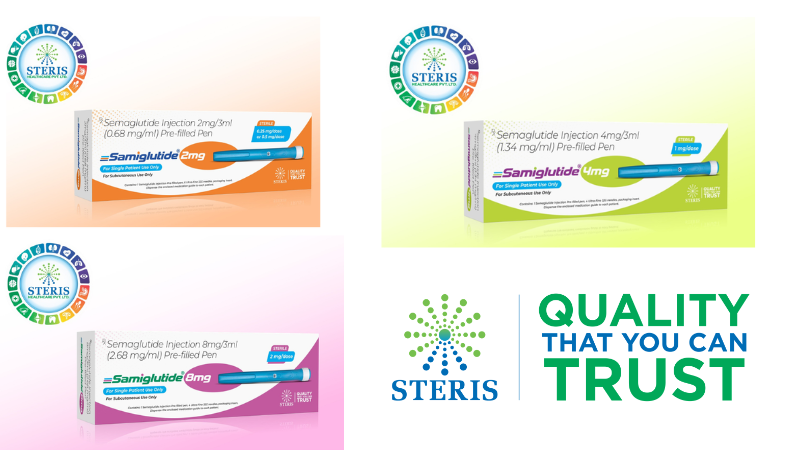
Can Semaglutide Injection Be Used Without Diabetes?
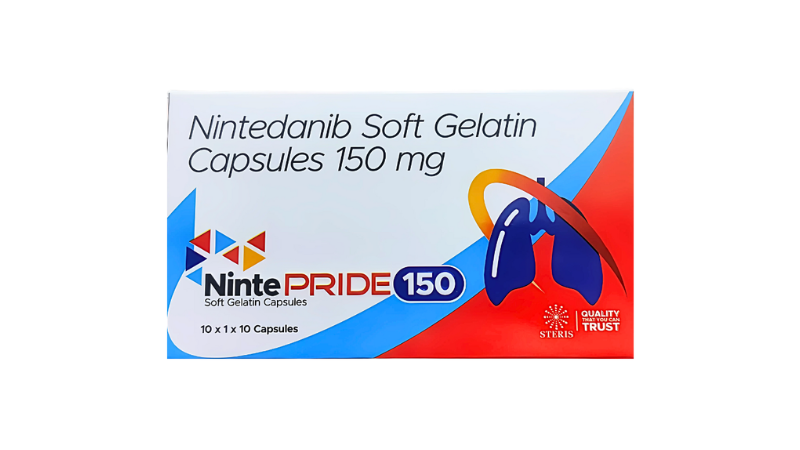
What Are Nintedanib Soft Gelatin Capsules Used For? Complete Guide
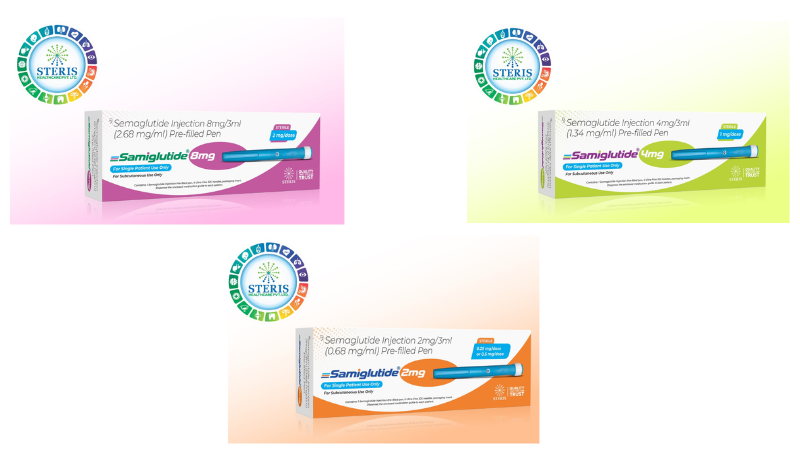
Where to Buy Semaglutide Injection in India: Price, Pen & Prescription Guide
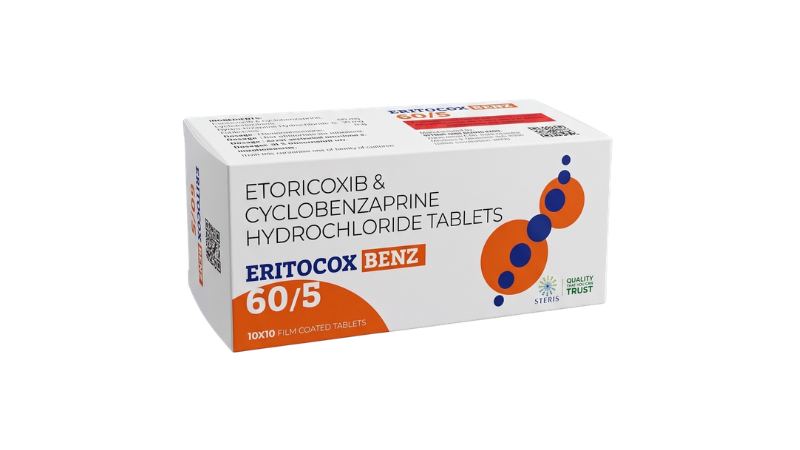
ERITOCOX BENZ 60/5 Dosage Guide: How to Take Etoricoxib & Cyclobenzaprine Tablets Safely
Gabapentin and Methylcobalamin Tablets Side Effects: What Patients Should Know
Thyroxine sodium tablets IP: उपयोग, फायदे और साइड इफेक्ट्स
Semaglutide 2 mg Injection Dosage Guide: How to Use It Safely