


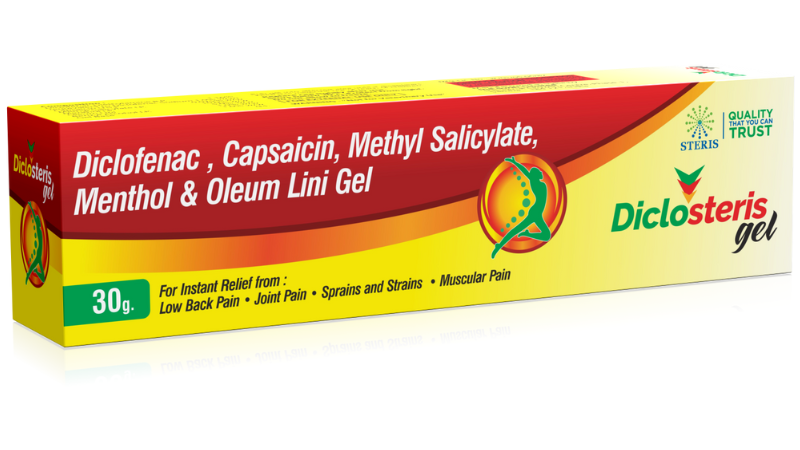



DICLOSTERIS GEL : Side effects, uses, Benefits, and alternatives
Jun 11, 2024
DICLOSTERIS GEL, composed of diclofenac diethylamine, linseed oil (Oleum Lini), methyl salicylate, and menthol, is a topical analgesic gel used for the fast, localized relief of musculoskeletal pain, joint stiffness, muscle sprains, backache, and inflammation. Manufactured by Steris Healthcare Pvt. Ltd., this multi-action gel combines an NSAID with two counter-irritant agents and a natural anti-inflammatory oil to deliver pain relief directly at the site of application — without the systemic burden of oral painkillers.
Diclofenac diethylamine linseed oil methyl salicylate and menthol gel is one of the most searched topical pain-relief combinations in India, and for good reason — it targets four different pain pathways in a single application. Whether it's a stiff neck after a long day at the desk, a sprained ankle from a weekend run, or the dull ache of osteoarthritis in the knees, this gel has become a go-to first-line remedy recommended by orthopedists, general physicians, and sports medicine practitioners alike. Below, we break down everything you need to know about this composition — from how it works inside the skin to who should avoid it — presented in the clearest, most practical language possible.
Why Its Important
Pain is rarely just a symptom — it is the reason people stop moving, stop working, and stop sleeping well. Musculoskeletal complaints, ranging from lower back pain to tennis elbow, are among the most common reasons people visit a pharmacy or a doctor in India. Oral NSAIDs like diclofenac tablets are effective, but they carry a well-documented risk of gastric irritation, acidity, and — with prolonged use — kidney or cardiovascular strain, especially in older adults or those with pre-existing conditions.
This is exactly why a topical formulation like DICLOSTERIS GEL matters. By delivering the active NSAID (diclofenac diethylamine) directly through the skin to the site of pain, the gel achieves therapeutic drug concentration in the underlying muscle and joint tissue while keeping the amount of drug that enters the bloodstream extremely low. This localized approach is important for three main reasons:
- Reduced systemic exposure — far less diclofenac reaches the stomach lining or kidneys compared to an oral tablet.
- Faster localized action — the combination of methyl salicylate and menthol produces an almost immediate counter-irritant, cooling-then-warming sensation that distracts nerve receptors from pain signals while the diclofenac begins its anti-inflammatory work.
- Added natural support — linseed oil (Oleum Lini) is rich in alpha-linolenic acid (an omega-3 fatty acid) and has traditionally been used for its soothing, emollient, and mild anti-inflammatory properties on skin and underlying tissue, complementing the pharmaceutical actives.
Key Benefits of DICLOSTERIS GEL
What Are The Benefits of Diclofenac Diethylamine Linseed Oil Methyl Salicylate and Menthol Gel?
This four-ingredient formulation isn't just "another pain relief gel" — each component plays a distinct, complementary role. Here is what makes it clinically and practically beneficial:
- Multi-mechanism pain relief: Combines an NSAID (diclofenac diethylamine) with two rubefacient/counter-irritant agents (methyl salicylate and menthol) for both anti-inflammatory and sensory pain-blocking action.
- Fast onset of relief: Menthol produces an immediate cooling sensation on application, followed by the warming effect of methyl salicylate, giving users a noticeable response within minutes — well before the anti-inflammatory action of diclofenac fully develops.
- Targeted anti-inflammatory action: Diclofenac diethylamine inhibits the cyclooxygenase (COX) enzymes locally, reducing prostaglandin synthesis and thereby reducing swelling, redness, and tenderness at the site of injury or strain.
- Skin-soothing support from linseed oil: Oleum Lini adds an emollient, skin-conditioning effect that helps reduce the irritation sometimes associated with topical NSAIDs and rubefacients, while its omega-3 content is traditionally associated with mild anti-inflammatory support.
- Non-greasy, quick-absorbing gel base: Unlike oil-based balms, the gel format absorbs quickly, leaves no sticky residue, and doesn't stain clothing.
- Convenient for everyday use: Suitable for use after exercise, during long work hours, or before bed for chronic joint discomfort, without the need to swallow a tablet.
- Lower systemic drug load: Ideal for people who need frequent pain relief but want to avoid the gastrointestinal side effects associated with repeated oral NSAID dosing.
- Wide indication range: Effective across sprains, strains, backache, joint pain, muscular pain, and localized soft-tissue inflammation.
Mechanism of Action of Diclofenac Diethylamine Linseed Oil Methyl Salicylate and Menthol Gel
Understanding how diclofenac diethylamine linseed oil methyl salicylate and menthol gel works helps explain why it is effective for such a broad range of pain conditions. Each active ingredient contributes through a different physiological pathway:
1. Diclofenac Diethylamine (NSAID component): Diclofenac is a non-steroidal anti-inflammatory drug that works by inhibiting cyclooxygenase-1 and cyclooxygenase-2 (COX-1 and COX-2) enzymes. These enzymes are responsible for converting arachidonic acid into prostaglandins — chemical messengers that cause pain, swelling, and inflammation at the site of tissue injury. When applied as the diethylamine salt in gel form, diclofenac penetrates through the stratum corneum into the underlying dermis, muscle, and periarticular tissue, where it suppresses local prostaglandin production, thereby reducing inflammation, swelling, and the sensation of pain.
2. Methyl Salicylate: This ingredient belongs to the salicylate family, chemically related to aspirin. On topical application, it is absorbed through the skin and acts as a rubefacient — dilating local blood vessels and producing a warming sensation. This increases local blood flow, which is thought to aid in the clearance of inflammatory mediators and provides a counter-irritant effect that helps mask the perception of deeper musculoskeletal pain.
3. Menthol: Menthol activates TRPM8 receptors (cold-sensing receptors) in the skin, producing a cooling sensation almost immediately after application. This activates the "gate control" mechanism of pain perception — essentially competing with pain signals traveling along the same nerve pathways to the brain, reducing the perceived intensity of the underlying ache.
4. Linseed Oil (Oleum Lini): Linseed oil contributes alpha-linolenic acid, an omega-3 fatty acid known for mild anti-inflammatory and emollient properties. In this formulation, it acts as both a soothing carrier that improves skin tolerance to the more potent actives and a complementary agent that supports the overall anti-inflammatory effect of the gel.
Together, these four components create a synergistic effect: diclofenac addresses the biochemical root of inflammation, methyl salicylate and menthol provide rapid sensory relief through counter-irritation, and linseed oil supports skin comfort and tolerability — making DICLOSTERIS GEL a well-rounded topical solution for localized pain management.
Side Effects of DICLOSTERIS GEL
Like all topical medications, diclofenac diethylamine linseed oil methyl salicylate and menthol gel can cause side effects in some users, though these are typically mild and localized to the area of application. Commonly reported effects include:
- Mild burning or stinging sensation immediately after application
- Redness or warmth at the application site
- Itching or mild skin irritation
- Dryness or peeling of skin with prolonged use
- A tingling or "pins and needles" sensation
- Rash in sensitive individuals
Most of these effects are transient and resolve on their own as the skin adjusts. However, if irritation persists or worsens, discontinue use and consult your doctor.
Serious Side Effects Of Diclofenac Diethylamine Linseed Oil Methyl Salicylate and Menthol Gel
While uncommon, certain reactions require prompt medical attention. Stop using the gel and seek medical care immediately if you notice:
- Severe skin blistering, peeling, or open sores at the application site
- Signs of an allergic reaction — swelling of the face, lips, tongue, or throat, difficulty breathing, or widespread hives
- Severe or worsening skin rash spreading beyond the application area
- Signs of systemic absorption in sensitive individuals (rare), such as unexplained nausea, stomach pain, or breathlessness, particularly if applied over large areas of the body or under occlusive dressings
- Worsening of asthma symptoms in patients with known aspirin/NSAID sensitivity (methyl salicylate is chemically related to aspirin)
Patients with a known history of NSAID-induced asthma, urticaria, or allergic reactions to aspirin or other salicylates should avoid this gel and inform their doctor before use.
Available Substitute For DICLOSTERIS GEL
Several topical NSAID and rubefacient combination gels are available in the Indian market with broadly similar mechanisms of action. Substitution should only be done under medical or pharmacist guidance, as formulations can differ in concentration and inactive ingredients.
| Substitute Type | Common Active Combination | Typical Use |
|---|---|---|
| Diclofenac gel (standalone) | Diclofenac diethylamine 1–1.16% | Localized joint/muscle pain |
| Diclofenac + Linseed oil gel | Diclofenac diethylamine + Oleum Lini | Sprains, backache |
| Methyl salicylate + Menthol balm | Methyl salicylate + Menthol | Muscular aches, sports pain |
| Diclofenac + Methyl salicylate gel | Diclofenac + Methyl salicylate | Joint stiffness, inflammation |
| Piroxicam gel | Piroxicam | Alternative NSAID for topical use |
Dosage Guidelines For DICLOSTERIS GEL
| Parameter | Recommended Guidance |
|---|---|
| Standard application | A 2–4 cm ribbon of gel, applied to the affected area |
| Frequency | 3–4 times daily, or as directed by the physician |
| Method | Gently massage into the skin until absorbed; avoid rubbing too hard on already inflamed areas |
| Maximum duration (self-use) | Not more than 7–10 days without medical consultation |
| Application area | Do not apply on broken skin, open wounds, infections, or mucous membranes |
| Hand hygiene | Wash hands thoroughly after application (unless the hands are the treated area) |
| Occlusive dressing | Avoid covering the treated area with airtight or occlusive bandages unless advised by a doctor |
Precautions & Warnings
- For external use only. Do not ingest. Avoid contact with eyes, nose, mouth, and mucous membranes; if accidental contact occurs, rinse thoroughly with water.
- Avoid on broken or infected skin. Do not apply to open wounds, cuts, eczema, or infected skin.
- Pregnancy and breastfeeding: Use only under medical supervision. Topical NSAIDs should generally be avoided during the third trimester of pregnancy.
- Children: Not recommended for children under 12 years unless specifically advised by a pediatrician.
- NSAID/aspirin sensitivity: Avoid if you have a known history of allergy or hypersensitivity to diclofenac, aspirin, or other salicylates, as methyl salicylate carries cross-reactivity risk.
- Asthma patients: Use with caution; salicylate-containing products can occasionally trigger bronchospasm in aspirin-sensitive asthmatics.
- Sun exposure: Avoid exposing the treated area to direct sunlight or sunbeds, as some topical NSAIDs can increase photosensitivity.
- Heat sources: Do not apply heating pads or hot water bottles over the treated area, as this can increase drug absorption and irritation risk.
- Drug interactions: Inform your doctor if you are using other topical or oral NSAIDs concurrently, to avoid excessive cumulative NSAID exposure.
- Elderly patients: Use the lowest effective amount for the shortest necessary duration, especially in patients with kidney impairment.
- Storage: Store in a cool, dry place away from direct sunlight; keep the cap tightly closed and out of reach of children.
Clinical Indications
| Indication | Suitability |
|---|---|
| Muscle sprains and strains | Recommended |
| Backache (mechanical/non-specific) | Recommended |
| Osteoarthritis-related joint pain (knee, hand) | Recommended, as adjunct therapy |
| Tendinitis / soft tissue inflammation | Recommended |
| Post-exercise muscular soreness | Recommended |
| Frozen shoulder / periarthritis | Often used as adjunct |
| Neuropathic pain | Not indicated — consult physician for alternative therapy |
Conclusion
Diclofenac diethylamine linseed oil methyl salicylate and menthol gel, marketed by Steris Healthcare as DICLOSTERIS GEL, offers a practical, targeted approach to everyday musculoskeletal pain. By combining a proven NSAID with two fast-acting counter-irritants and the soothing support of linseed oil, this gel addresses both the biochemical inflammation and the sensory experience of pain — all while minimizing the systemic side effects associated with oral pain medication. Whether you're managing a weekend sports strain, chronic joint stiffness, or general muscular discomfort, DICLOSTERIS GEL is designed to be applied precisely where you need it, working through multiple pathways at once for faster, more complete relief. As with any medication, use it as directed, watch for signs of skin irritation or allergic reaction, and consult your doctor if pain persists beyond a week or worsens at any point.
Frequently Asked Questions
1. What is diclofenac linseed oil methyl salicylate and menthol gel used for?
It is used for the topical relief of musculoskeletal pain, including muscle sprains, strains, backache, joint pain, and localized inflammation. It combines an NSAID with counter-irritant and soothing agents for fast, targeted relief.
2. What is Oleum Lini diclofenac diethylamine methyl salicylate menthol gel used for?
Oleum Lini (linseed oil) combined with diclofenac diethylamine, methyl salicylate, and menthol is used for relieving pain and inflammation in muscles and joints, commonly for sprains, strains, and stiffness, while the linseed oil helps soothe the skin during application.
3. What is diclofenac diethylamine gel used for?
Diclofenac diethylamine gel is a topical NSAID used to relieve localized pain, swelling, and inflammation associated with sprains, strains, and mild joint or muscle conditions like osteoarthritis.
4. Can I use diclofenac gel daily?
Yes, it can typically be used 3–4 times daily for short-term relief, generally not exceeding 7–10 days of continuous self-use without consulting a doctor, especially if pain persists or worsens.
5. How quickly does DICLOSTERIS GEL start working?
Many users notice an initial cooling and warming sensation within minutes due to menthol and methyl salicylate, while the anti-inflammatory action of diclofenac typically builds over several applications.
6. Is DICLOSTERIS GEL safe for elderly patients?
It can be used by elderly patients under medical guidance, applying the lowest effective amount for the shortest necessary duration, particularly if kidney function is reduced.
7. Can DICLOSTERIS GEL be used for knee osteoarthritis pain?
Yes, it is commonly used as an adjunct topical therapy for osteoarthritis-related joint pain, especially in accessible joints like the knees and hands.
8. Is a prescription required to buy DICLOSTERIS GEL?
This is a topical over-the-counter pain relief gel; however, it's advisable to consult a doctor or pharmacist, especially for prolonged use or if you have underlying health conditions.
9. Can pregnant women use diclofenac diethylamine linseed oil methyl salicylate and menthol gel?
Use during pregnancy, particularly the third trimester, should only be under medical supervision, as topical NSAIDs may carry some risk.
10. What are the common side effects of DICLOSTERIS GEL?
Common side effects include mild burning, redness, itching, or dryness at the application site, which usually resolve without stopping treatment.
11. Can DICLOSTERIS GEL be applied on broken skin or wounds?
No, it should never be applied to broken skin, open wounds, infections, or mucous membranes.
12. Is DICLOSTERIS GEL suitable for sports injuries?
Yes, it is widely used for sports-related muscle strains, sprains, and post-exercise soreness due to its fast-acting counter-irritant and anti-inflammatory combination.
13. Can I use DICLOSTERIS GEL along with oral pain medication?
Combining topical and oral NSAIDs should be done cautiously and ideally under medical supervision to avoid excessive cumulative NSAID exposure.
14. Does DICLOSTERIS GEL have a strong smell?
Due to methyl salicylate, the gel has a characteristic wintergreen-like medicinal smell common to counter-irritant pain-relief products.
15. Can I apply DICLOSTERIS GEL before or after a workout?
It can be applied after a workout to soothe muscle soreness, or before activity to help ease pre-existing stiffness, though it should not be used to mask pain that indicates an acute injury needing rest.
16. What is the ideal quantity of gel to apply per use?
A thin ribbon, roughly 2–4 cm long, is generally sufficient for a localized area; larger areas may require slightly more, but excess application does not improve efficacy.
17. Can DICLOSTERIS GEL be used for neck pain and stiffness?
Yes, it is commonly applied for neck stiffness and muscular tension, particularly from prolonged sitting or poor posture.
18. What should I do if I experience a skin reaction after using this gel?
Discontinue use immediately, wash the area with water, and consult a doctor if redness, swelling, or irritation persists or worsens.
Manufactured and Marketed by Steris Healthcare Pvt. Ltd. — a WHO-GMP and ISO-certified pharmaceutical manufacturer.
For further information:
Email: info@sterispharma.com / contact@sterispharma.com
Call/WhatsApp: 7877551268, 7849827488
Recent Post
How Semaglutide Injection 4 mg Helps Control Blood Sugar
What Is Telmisartan and Metoprolol Succinate Combination Used For?
TELMISTRUM TRIO 6.25: Telmisartan, Cilnidipine & Chlorthalidone Uses & Side Effects
TELMISTRUM AZ 16: Telmisartan 40mg & Azelnidipine 16mg Uses, Dosage & Side Effects
What Is Telmisartan and Chlorthalidone Combination Used For?
Telmisartan 40mg + Amlodipine 5mg Tablets: Uses, Dosage & Side Effects
Clarithromycin, Esomeprazole & Amoxicillin Combo Kit: View Uses, Side Effects and Medicines
What Is Amoxicillin Clavulanate with Lactic Acid Bacillus Used For?
Semaglutide Injection 2mg/3ml (SAMIGLUTIDE) – Uses, Benefits, Dosage & Side Effects

L-Glutathione, Vitamin C & Alpha Lipoic Acid Tablets: Uses, Benefits & Side Effects