


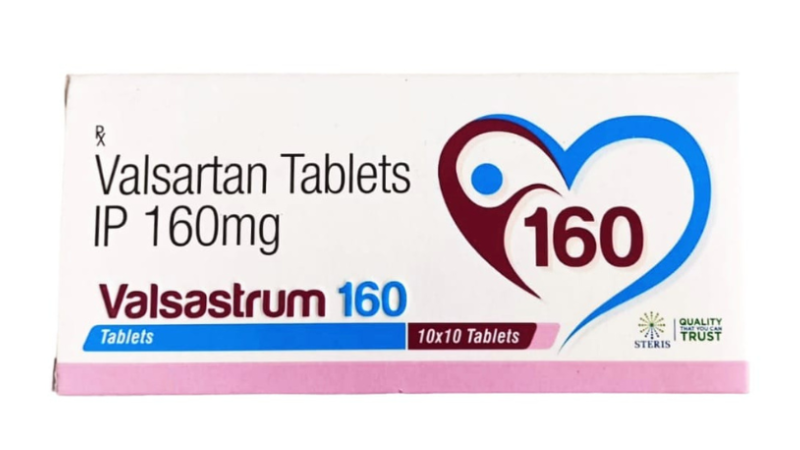



Comprehensive Guide to Valsastrum 160 Uses and Price
Jul 29, 2024
If your doctor has prescribed Valsartan 160 mg tablets for high blood pressure or heart-related concerns, you probably want straightforward answers—not scattered information across ten different websites. This guide covers what Valsartan 160mg does, its benefits, how it's typically taken, and what to watch for, in plain language you can actually use.
VALSASTRUM 160, manufactured by Steris Healthcare Pvt Ltd, is one such Valsartan 160mg formulation, produced under WHO-GMP certified manufacturing standards.
- Valsartan 160 mg is an Angiotensin Receptor Blocker (ARB) used primarily to treat high blood pressure (hypertension) and manage certain heart conditions.
- It works by blocking the action of angiotensin II, a hormone that narrows blood vessels, allowing blood vessels to relax and blood pressure to drop.
- Besides hypertension, it's also prescribed for heart failure management and, in some cases, after a heart attack to improve survival outcomes.
- Common side effects include dizziness, headache, and mild fatigue; more serious but rare risks include kidney function changes and elevated potassium levels.
- VALSASTRUM 160 by Steris Healthcare is manufactured in a WHO-GMP certified facility.
- It is a prescription-only medicine—self-adjusting the dose without medical supervision isn't advised.
What Is Valsartan 160mg Used For?
Valsartan 160 mg tablets are primarily used to treat high blood pressure (hypertension) and are also prescribed for heart failure and to improve survival after certain types of heart attacks.
Valsartan belongs to a drug class called Angiotensin Receptor Blockers (ARBs). It's one of the most widely prescribed medicines globally for managing hypertension, often used either alone or in combination with other blood pressure medicines like diuretics or calcium channel blockers, depending on individual response.
What Are the Benefits of Valsartan 160mg Tablets?
The primary benefit of Valsartan 160 mg is effective, sustained blood pressure control, which reduces the long-term risk of stroke, heart attack, and kidney complications associated with untreated hypertension.
Reported benefits with consistent use include:
- Lower blood pressure readings—typically noticeable within a few weeks of consistent use.
- Reduced strain on the heart, which is especially relevant for patients with heart failure.
- Improved survival outcomes in patients prescribed valsartan following a heart attack, as part of broader cardiac care.
- Lower long-term cardiovascular risk, since sustained high blood pressure is a major driver of stroke and heart disease.
It's important to understand that valsartan works as an ongoing, preventive therapy—it manages blood pressure over time rather than providing instant relief from a single high reading.
How Does Valsartan 160mg Work?
Valsartan works by blocking angiotensin II receptors in blood vessels, preventing this hormone from causing blood vessels to narrow, which allows vessels to relax and blood pressure to decrease.
Angiotensin II is part of the body's renin-angiotensin-aldosterone system (RAAS), which naturally regulates blood pressure and fluid balance. By blocking its effects specifically at the receptor level, valsartan reduces vascular resistance without directly affecting heart rate, which is one reason ARBs are often well-tolerated compared to some older blood pressure medicine classes.
How Should Valsartan 160mg Tablets Be Taken?
Valsartan 160 mg tablets are typically taken once daily, at the same time each day, with or without food, exactly as directed by your prescribing doctor.
- Take it at a consistent time — this helps maintain steady blood pressure control throughout the day.
- Don't skip doses, even if you feel fine, since hypertension often has no noticeable symptoms.
- Avoid stopping abruptly without medical guidance, as this can cause blood pressure to rise again.
- Monitor your blood pressure regularly as advised by your doctor to track how well the medicine is working.
What Are the Side Effects of Valsartan 160mg?
| Category | Examples |
|---|---|
| Common | Dizziness, headache, fatigue, mild cough |
| Less common | Diarrhea, joint pain, low blood pressure symptoms |
| Rare but serious | High potassium levels (hyperkalemia), kidney function changes, allergic reactions |
If you experience swelling of the face or throat, difficulty breathing, or signs of severe dizziness/fainting, seek medical attention immediately.
Who Should Avoid Valsartan 160mg?
Valsartan is generally avoided during pregnancy, in patients with severe liver disease, and in those with a known allergy to valsartan or other ARBs, and it requires caution in people with kidney impairment or low blood pressure.
Always share your complete medical history — including kidney, liver, or heart conditions — with your doctor before starting treatment, along with any other medicines or supplements you're currently taking, including potassium supplements.
Does Valsartan Interact With Other Medicines?
Yes — Valsartan can interact with potassium-sparing diuretics, potassium supplements, certain NSAIDs, and other blood pressure medicines, so full disclosure of your current medications to your doctor is essential.
Combining valsartan with ACE inhibitors is generally avoided due to increased risk of kidney-related side effects and elevated potassium levels. Your doctor will factor in your complete medicine list before finalizing your treatment plan.
Why Choose VALSASTRUM 160 by Steris Healthcare?
VALSASTRUM 160 is manufactured by Steris Healthcare Pvt Ltd in a WHO-GMP-certified facility, reflecting consistent quality control from raw material sourcing through final packaging.
For a chronic condition like hypertension that requires reliable, long-term dosing, manufacturing consistency directly supports predictable treatment outcomes. As with all valsartan formulations, VALSASTRUM 160 is available strictly against a valid prescription.
Frequently Asked Questions
What is Valsartan 160 mg used for?
It's primarily used to treat high blood pressure and is also prescribed for heart failure and to improve survival after certain heart attacks.
How does Valsartan 160 mg lower blood pressure?
It blocks angiotensin II receptors in blood vessels, preventing them from narrowing, which allows the vessels to relax and blood pressure to drop.
What are the main benefits of Valsartan 160 mg tablets?
Benefits include sustained blood pressure control, reduced strain on the heart, and lower long-term risk of stroke and cardiovascular complications.
Can Valsartan 160 mg cause side effects?
Yes, common effects include dizziness, headache, and fatigue; rarer but serious risks include high potassium levels and kidney function changes.
How should I take Valsartan 160 mg tablets?
Once daily, at a consistent time, with or without food, exactly as prescribed, without skipping doses or stopping abruptly.
Is Valsartan 160 mg safe for long-term use?
It's commonly prescribed for long-term blood pressure and heart condition management under medical supervision, with periodic monitoring of kidney function and potassium levels.
Conclusion
Valsartan 160 mg tablets remain a widely trusted option for managing hypertension and supporting heart health, offering sustained, preventive blood pressure control rather than short-term symptom relief. Its effectiveness depends on consistent daily use, regular monitoring, and open communication with your doctor about any other medicines you're taking.
If you've been prescribed VALSASTRUM 160, take it consistently as directed, attend your follow-up blood pressure checks, and never stop or adjust the dose without medical guidance. Talk to your doctor or pharmacist to confirm it's the right fit for your health profile before starting or continuing treatment.
For More Further Information:
Mail Us: contact@sterispharma.com or info@sterispharma.com
Call Now: +918824175417, +919982524671
Recent Post
Probiotic Sachet with FOS, L-Glutamine & Colostrum – Uses and Benefits
How Telmisartan and Nebivolol Work to Manage High Blood Pressure
Pimavanserin 34 mg Capsules – Uses & Benefits
Voglibose, Glimepiride and Metformin: Uses, Benefits and Side Effects
What Is Minocycline Hydrochloride Used For? A Complete Guide
Voglibose and Repaglinide Tablets – Uses, Price & Buy Online in India

Amorphous Hydrogel with Colloidal Silver: Uses & Benefits
Donepezil Hydrochloride with Memantine Hydrochloride Uses, Benefits & Price in India
Amino Acid with Vitamin and Mineral Tablets Nutritional Support Explained
Fluticasone Furoate, Umeclidinium Bromide & Vilanterol Inhalation Powder

