






Combikit of fluconazole , Azithromyci & Secnidazole tab : Dosages, Side effects, Price, Benefits and More.
Apr 09, 2024
What Is a Combikit of Fluconazole Azithromycin and Secnidazole Tablets?
A combikit of fluconazole azithromycin and secnidazole tablets is a multi-drug oral pack containing an antifungal, an antibiotic and an antimicrobial/antiprotozoal medicine. A commonly marketed formulation contains fluconazole 150 mg, azithromycin 1,000 mg and secnidazole 1,000 mg × 2 tablets, giving a four-tablet combikit. Current Indian product listings show this composition in several marketed brands.
The three ingredients have different actions:
- Fluconazole — antifungal medicine active against susceptible Candida species.
- Azithromycin — macrolide antibiotic used against susceptible bacterial infections.
- Secnidazole — nitroimidazole antimicrobial with activity against anaerobic bacteria and certain protozoa.
Because these medicines target different organisms, some manufacturers market the combination for syndromic management of vaginal discharge or suspected mixed genital infections. However, the fact that a product is marketed for this purpose does not mean that every case of vaginal discharge requires all three medicines.
This distinction is particularly important for responsible SEO and buyer-intent content: the correct treatment depends on identifying the underlying infection whenever possible.
What Is Combikit of Fluconazole, Azithromycin and Secnidazole Used For?
The combination is marketed primarily for syndromic treatment of vaginal discharge and suspected mixed vaginal infections. Current Indian pharmacy listings describe the combination for this purpose.
Vaginal discharge can have several causes, including:
- Bacterial vaginosis
- Vulvovaginal candidiasis
- Trichomoniasis
- Cervicitis
- Other sexually transmitted infections
- Noninfectious causes
The CDC's STI guidance emphasizes that vaginal symptoms can have multiple causes and that appropriate evaluation helps distinguish bacterial vaginosis, trichomoniasis, candidiasis and cervicitis.
Why are three medicines included?
The intended rationale is to provide activity against different potential organisms:
Fluconazole → fungal infection
Fluconazole interferes with fungal cell-membrane formation and is commonly used for susceptible Candida infections.
Azithromycin → susceptible bacteria
Azithromycin is a macrolide antibiotic that inhibits bacterial protein synthesis. It has established uses against certain bacterial infections, including some causes of cervicitis.
Secnidazole → anaerobic bacteria and protozoa
Secnidazole is active against susceptible anaerobic organisms and certain protozoa.
Therefore, the combikit is designed around the concept of covering multiple possible infectious causes. That does not, however, establish that the fixed combination is appropriate for every patient.
Key Benefits of the Combikit
When specifically prescribed for an appropriate clinical situation, the potential advantages of a combination pack include:
1. Targets different types of microorganisms
The three ingredients have different antimicrobial roles, allowing the prescribed regimen to address susceptible fungal, bacterial and protozoal organisms.
2. Convenient treatment pack
A combikit puts the prescribed medicines together in one package. Current marketed packs commonly contain one fluconazole tablet, one azithromycin tablet and two secnidazole tablets.
3. May be considered when mixed infection is suspected
Mixed vaginal symptoms can sometimes involve more than one organism. However, treatment should ideally be based on clinical assessment and appropriate testing rather than assuming that every discharge represents a mixed infection.
4. Can address selected infection-related symptoms
When the underlying infection is susceptible to the medicines prescribed, treatment may help symptoms such as abnormal discharge, itching, odor or genital discomfort.
The benefit depends entirely on whether the medicine matches the actual infection.
How Does Fluconazole + Azithromycin + Secnidazole Work?
Fluconazole
Fluconazole inhibits fungal ergosterol synthesis, disrupting the fungal cell membrane and preventing normal fungal growth.
For uncomplicated vulvovaginal candidiasis, CDC guidance includes fluconazole 150 mg orally as a single-dose treatment option.
That does not mean fluconazole should automatically be combined with azithromycin and secnidazole.
Azithromycin
Azithromycin is a macrolide antibiotic. It interferes with bacterial protein synthesis and can treat certain susceptible bacterial infections.
For example, CDC guidance lists azithromycin 1 g orally as an alternative regimen for selected cases of cervicitis.
Secnidazole
Secnidazole is an antimicrobial with activity against anaerobic bacteria and certain protozoa. It may be used in selected infections such as bacterial vaginosis or trichomoniasis depending on the clinical diagnosis and local treatment recommendations.
Common Side Effects
A combination containing three antimicrobial medicines can produce side effects from one or more components.
Potential adverse effects include:
- Nausea
- Vomiting
- Diarrhea
- Abdominal discomfort
- Indigestion
- Headache
- Dizziness
- Altered or metallic taste
- Loss of appetite
Current medicine references list gastrointestinal symptoms, taste changes and headache among possible adverse effects.
More serious warning signs
Seek medical attention if you develop:
- Severe skin rash
- Facial or throat swelling
- Difficulty breathing
- Yellowing of the skin or eyes
- Severe abdominal symptoms
- Fainting
- A rapid or irregular heartbeat
- Severe persistent diarrhea
Because fluconazole and azithromycin can both be relevant to cardiac rhythm considerations in susceptible patients, people with a history of QT prolongation, significant arrhythmia or other heart-rhythm problems should discuss the combination with their doctor before use.
How to Buy Combikit of Fluconazole Azithromycin and Secnidazole Tablets
Before purchasing, verify:
- Exact composition
- Strength of each tablet
- Number of tablets
- Manufacturer
- Batch number
- Expiry date
- Storage instructions
- Prescription status
- Pharmacy authenticity
- Whether the product has appropriate regulatory authorization in your market
Current Indian listings show different brands with the same broad composition and different prices. For example, a current 2026 listing for one such product shows fluconazole 150 mg + azithromycin 1,000 mg + secnidazole 1,000 mg, while other listings show the same four-tablet configuration.
Do not choose a prescription antimicrobial solely because it is cheaper or advertised as a “complete” infection treatment.
Can It Be Used During Pregnancy?
Do not take this combination during pregnancy unless a qualified healthcare professional has specifically evaluated the situation and prescribed appropriate treatment.
Pregnancy can change which medicines are recommended and how infections should be managed. A person who is pregnant and has abnormal vaginal discharge, pelvic pain, bleeding or other concerning symptoms should seek professional medical evaluation rather than self-treating.
Frequently Asked Questions
1. What is combikit of fluconazole azithromycin and secnidazole tablets used for?
It is a prescription combination marketed primarily for syndromic management of vaginal discharge and suspected mixed vaginal infections. However, the cause of vaginal discharge varies, so this combination should only be used when a qualified clinician considers it appropriate.
2. What does a fluconazole azithromycin and secnidazole combikit contain?
A commonly marketed four-tablet pack contains fluconazole 150 mg, azithromycin 1,000 mg and secnidazole 1,000 mg × 2 tablets. Exact composition can vary by manufacturer, so check the product label.
3. What are the side effects of fluconazole, azithromycin and secnidazole tablets?
Common possible side effects include nausea, vomiting, diarrhea, abdominal discomfort, headache, dizziness and altered taste. Serious allergic, liver-related or heart-rhythm reactions require medical attention.
4. Can this combikit treat vaginal discharge?
It may be prescribed for syndromic treatment of vaginal discharge in some markets, but vaginal discharge has many possible causes. Proper evaluation is important because the correct treatment depends on the actual infection.
5. Is fluconazole azithromycin and secnidazole combikit safe?
It can cause clinically important side effects and drug interactions, so it should be used only under appropriate medical guidance. People with medication allergies, liver disease or heart-rhythm problems should discuss their medical history and other medicines with their doctor.
6. Can I buy this combikit online?
Some online pharmacies currently list these products, but they are prescription medicines in relevant markets. Verify the manufacturer, composition, expiry date and pharmacy credentials before purchasing. Current Indian listings show multiple brands and prices.
7. Is this combikit suitable for every vaginal infection?
No. Vaginal candidiasis, bacterial vaginosis, trichomoniasis and cervicitis have different diagnostic and treatment considerations. CDC guidance uses condition-specific treatment regimens rather than one universal three-drug combination.
8. Can I take this combikit without a prescription?
Self-medication is not recommended. Current product listings identify these combinations as prescription medicines, and antimicrobial treatment should be selected according to the suspected or confirmed infection.
9. How to take fluconazole azithromycin and secnidazole combi kit?
Take fluconazole, azithromycin, and secnidazole exactly as prescribed; dosing varies by kit and infection, so check instructions.
Conclusion: Is Combikit of Fluconazole Azithromycin and Secnidazole Tablets Right for You?
A combikit of fluconazole azithromycin and secnidazole tablets combines three different antimicrobial medicines—an antifungal, an antibiotic and an antimicrobial/antiprotozoal agent. It is marketed in some markets for syndromic management of vaginal discharge and suspected mixed infections.
Recent Post
Rosehip Extract & Boswellia Serrata Uses in Hindi | CHONDROFLEX TRIO की पूरी जानकारी
Semaglutide injection in hindi: Semaglutide injection 2 mg, Semaglutide injection 4 mg, Semaglutide injection 8 mg
Semaglutide injection once a week : how does it work?
Tacrolimus 0.5 mg Capsule के उपयोग, लाभ और सावधानियां हिंदी में
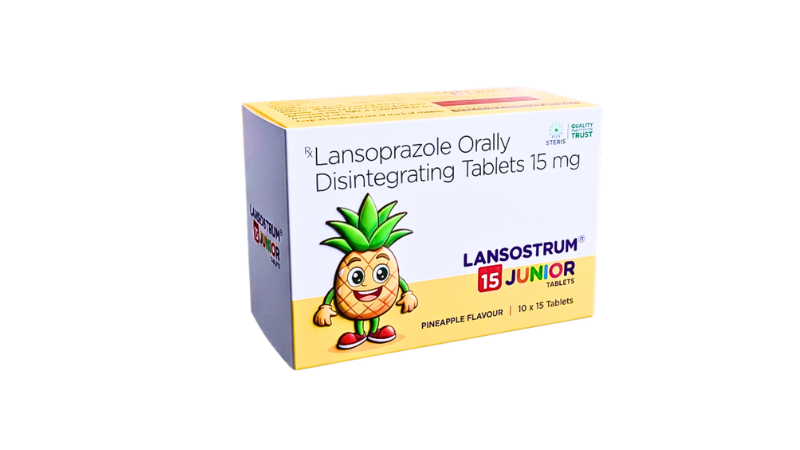
Lansoprazole Orally Disintegrating Tablets 15 mg Uses in Hindi: LANSOSTRUM 15 JUNIOR के फायदे, उपयोग और सावधानियां
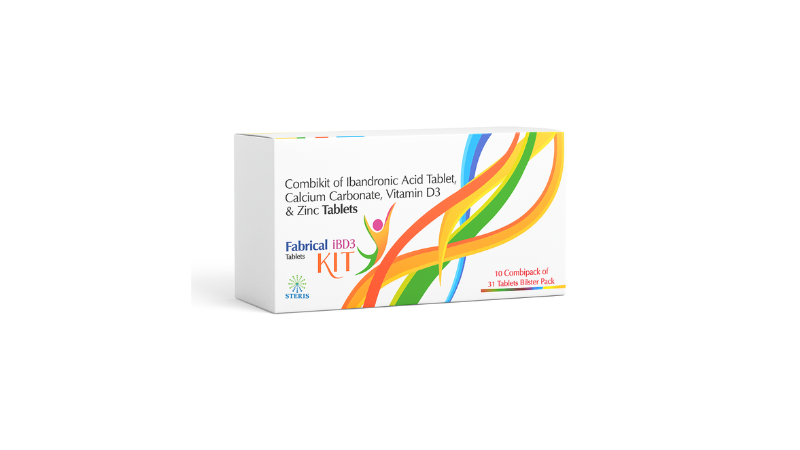
Ibandronic Acid Tablet Uses in Hindi: हड्डियों की सुरक्षा और फ्रैक्चर से बचाव का पूरा गाइड
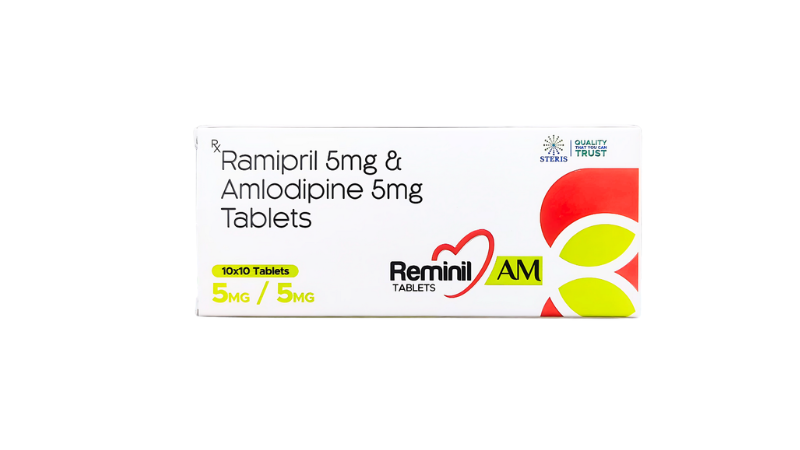
Ramipril 5mg Uses in Hindi: REMINIL AM 5/5 से जानें हाई ब्लड प्रेशर का सम्पूर्ण इलाज

Escitalopram 5 mg Uses in Hindi: CALMREST 5 से जानें डिप्रेशन का सम्पूर्ण इलाज
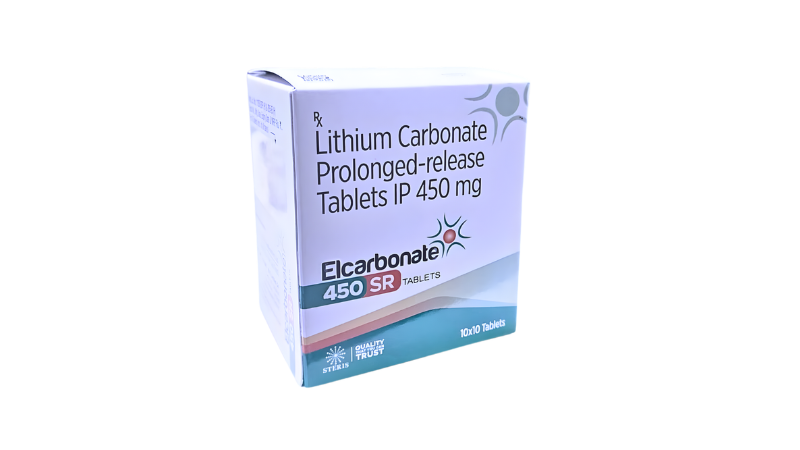
Lithium Carbonate Tablet क्या है? जानें उपयोग, फायदे और साइड इफेक्ट्स
Quatrefolic, Vitamin B6 और Cyanocobalamin Tablets: उपयोग, फायदे और सावधानियां