


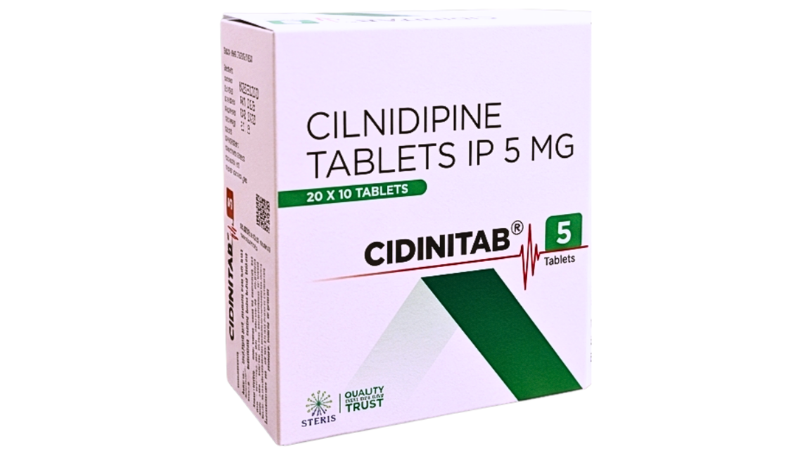



Cilnidipine 5 mg & CILINITAB 5 Mg : Uses, Dosage, Side Effects, Price, Composition and More.
Jun 11, 2024
CIDINITAB 5 MG is a novel generation of calcium channel blockers that are predominantly used to treat patients with hypertension. The difference between CIDINITAB 5 MG and the traditional calcium channel blockers is that the former acts by targeting both N-type and L-type calcium channels, ensuring greater efficacy.
The key active substance in CIDINITAB 5 is cilnidipine 5 mg, which belongs to the category of dihydropyridine antihypertensive drugs. CIDINITAB 5 helps relax the walls of the blood vessels, which leads to less heart efforts to pump the blood, resulting in blood pressure regulation.
This drug was invented and became popular in Japan where it has been successfully used for many years now. Now it is gaining popularity in India and South-Eastern Asian countries due to its superiority in comparison with other drugs on the market.
Steris Healthcare is proud to introduce CIDINITAB 5 MG to the market with a focus on high-quality standards in the pharmaceuticals.
What Is Cilnidipine 5 mg Used For? (Cilnidipine 5 mg Uses)
CIDINITAB 5 (cilnidipine 5 mg) is primarily prescribed for the following conditions:
1. Essential Hypertension (High Blood Pressure) This is the most common use. Cilnidipine 5 mg helps reduce systolic and diastolic blood pressure effectively. It is typically prescribed as a once-daily tablet, making it convenient for long-term use.
2. Hypertension with Chronic Kidney Disease (CKD) One of the most important cilnidipine 5 mg uses is in patients who have both hypertension and kidney disease. The N-type calcium channel blockade of cilnidipine helps reduce intraglomerular pressure — the pressure inside the kidney's filtering units — thereby offering protection that other calcium channel blockers do not provide.
3. Hypertension in Diabetic Patients Cilnidipine is particularly beneficial in diabetic hypertensive patients. It reduces urinary protein excretion (proteinuria), a key marker of kidney damage in diabetics, which makes CIDINITAB 5 a preferred choice in this patient group.
4. Hypertension with Edema Concerns Traditional calcium channel blockers like amlodipine are notorious for causing ankle swelling (edema). Cilnidipine's N-type blockade counteracts this side effect, making it a safer option for patients who experience leg swelling with other medications.
5. Mild-to-Moderate Angina (Off-label) Some clinicians use cilnidipine as an adjunct therapy in patients with angina associated with hypertension, though this remains a secondary indication.
Cilnidipine Tablets IP 5 mg from Steris Healthcare follow Indian Pharmacopoeia (IP) standards, ensuring consistent potency, purity, and dissolution profiles in every tablet.
Cilnidipine 5 mg Tablet Uses — How Should You Take It?
- Standard Dosage: One tablet of CIDINITAB 5 (cilnidipine 5 mg) once daily, preferably before or after a meal.
- Timing: It can be taken with or without food, though consistency in timing each day is recommended.
- Duration: This is a long-term medication. Do not stop taking it without consulting your doctor, even if you feel better.
- Missed Dose: If you miss a dose, take it as soon as you remember. If it is almost time for the next dose, skip the missed dose and resume your normal schedule.
- Overdose: In case of suspected overdose, seek immediate medical attention.
Important: Cilnidipine 5 mg tablet uses should always be guided by a qualified physician. Self-medication is not recommended.
How Long Does Cilnidipine 5 mg Take to Work?
Cilnidipine begins lowering blood pressure within a few hours after administration. However, the full therapeutic effect may take 1–2 weeks of regular use, and maximum blood pressure stabilization may require 2–4 weeks. Patients should continue taking the medication daily as prescribed even if immediate changes are not noticeable.
Can Cilnidipine 5 mg Help Prevent Hypertension-Related Kidney Damage?
Yes — and this is one of the most clinically significant advantages of cilnidipine.
High blood pressure is the second leading cause of chronic kidney disease (CKD) worldwide. When blood pressure is poorly controlled, it increases pressure within the glomeruli (the kidney's tiny filtering units), gradually damaging them and leading to loss of kidney function over time.
Cilnidipine's dual mechanism addresses this in a way that standard calcium channel blockers cannot:
- L-type channel blockade dilates the afferent arteriole (blood vessel leading into the glomerulus), lowering overall blood pressure.
- N-type channel blockade dilates the efferent arteriole (blood vessel leaving the glomerulus), reducing intraglomerular pressure directly.
This dual dilation effect results in a meaningful reduction in proteinuria — the leakage of protein into urine, which is both a sign and a cause of progressive kidney damage.
Multiple clinical studies in patients with hypertensive nephropathy and diabetic kidney disease have shown that cilnidipine significantly reduces urinary albumin excretion compared to amlodipine, often by 30–50% in head-to-head studies.
CIDINITAB 5 by Steris Healthcare is therefore particularly recommended by nephrologists and diabetologists for patients with:
- Stage 1–3 Chronic Kidney Disease (CKD)
- Diabetic nephropathy
- Hypertension with microalbuminuria
- Patients at high cardiovascular-renal risk
Is Cilnidipine Safe for Kidneys?
Cilnidipine is not just safe for kidneys — it is actively protective.
This question is one of the most common among patients and caregivers, and the answer reassures both. Here's a breakdown of why cilnidipine earns its reputation as a kidney-friendly antihypertensive:
Renoprotective Mechanism: Cilnidipine's N-type calcium channel blockade reduces sympathetic nervous system activity in the kidneys. This lowers renal vascular resistance and intraglomerular pressure, reducing the mechanical stress on kidney filters.
Reduces Urinary Protein Loss: Proteinuria is one of the fastest accelerators of kidney disease progression. Clinical evidence shows cilnidipine reduces urinary protein excretion, which helps slow down CKD progression.
No Nephrotoxicity: Unlike some antibiotics or NSAIDs, cilnidipine does not cause direct kidney cell toxicity. It is safe to use in patients with mild-to-moderate renal impairment.
Caution in Severe Kidney Disease: While cilnidipine is generally safe, patients with severe CKD (Stage 4–5) or those on dialysis should use it under close medical supervision, as dose adjustments may be required.
Steris Healthcare recommends all patients using CIDINITAB 5 to have their kidney function (serum creatinine, eGFR, urine albumin) monitored periodically, especially if they have underlying diabetes or pre-existing CKD.
What Are Common Cilnidipine Side Effects?
Like all medications, cilnidipine 5 mg can cause side effects in some patients. However, it is generally very well tolerated, and its side effect profile is considered superior to that of other calcium channel blockers.
Common Cilnidipine Side Effects (Mild and Usually Temporary):
- Headache – Occurs in some patients, especially during the first few days of treatment. Usually resolves on its own.
- Flushing – A warm, red sensation on the face and neck due to vasodilation. Typically mild and transient.
- Dizziness – Can occur, particularly when standing up quickly (orthostatic hypotension). Drink adequate water and rise slowly.
- Palpitations – Some patients may feel a faster heartbeat. Usually harmless but should be reported if persistent.
- Fatigue or Weakness – Mild tiredness may occur in some patients.
Less Common Side Effects:
- Nausea or mild stomach discomfort
- Peripheral edema (ankle swelling) — significantly less common with cilnidipine than with amlodipine
- Skin rash (rare)
Serious Side Effects (Rare — Seek Medical Help Immediately):
- Severe hypotension (very low blood pressure)
- Chest pain
- Allergic reaction (swelling of face/lips/throat, difficulty breathing)
- Irregular heartbeat
Note: The incidence of ankle edema with cilnidipine is significantly lower than with amlodipine (approximately 5–7% vs 15–25%), which is one reason doctors and patients prefer CIDINITAB 5 for long-term hypertension management.
Always inform your doctor about any side effects you experience while taking cilnidipine 5 mg tablets IP from Steris Healthcare.
Cilnidipine 5 mg Drug Interactions
Before taking cilnidipine, inform your doctor about all medications, supplements, and herbal products you use.
Common interactions include:
- Other blood pressure medications (may increase blood pressure-lowering effects)
- Beta blockers
- ACE inhibitors
- ARBs
- Diuretics
- Grapefruit products
- Certain antifungal medicines
- Macrolide antibiotics
- Some anti-HIV medications
Monitoring may be required when cilnidipine is combined with other cardiovascular medicines.
Is Cilnidipine Better Than Amlodipine?
This is one of the most frequently searched questions by both patients and healthcare professionals — and the answer, supported by clinical data, leans in favor of cilnidipine in specific patient groups.
Head-to-Head Comparison: Cilnidipine vs Amlodipine
| Parameter | Cilnidipine 5 mg (CIDINITAB 5) | Amlodipine 5 mg |
|---|---|---|
| Calcium Channel Blockade | L-type + N-type (dual) | L-type only |
| Blood Pressure Reduction | Comparable | Comparable |
| Ankle Edema | Low (5–7%) | High (15–25%) |
| Kidney Protection | Strong (reduces proteinuria) | Moderate |
| Sympathetic Nerve Suppression | Yes (via N-type) | No |
| Heart Rate Effect | Neutral to mildly reduced | Neutral to mildly increased |
| Benefit in Diabetic Patients | Excellent | Good |
| Benefit in CKD Patients | Excellent | Good |
When Is Cilnidipine the Better Choice?
- Patients with diabetes and hypertension — Cilnidipine reduces proteinuria more significantly
- Patients with CKD — Dual-channel action offers superior glomerular protection
- Patients who experience edema with amlodipine — Cilnidipine causes far less ankle swelling
- Patients with sympathetic overactivity — Cilnidipine suppresses adrenergic activity via N-type blockade
When Is Amlodipine Still Appropriate?
Amlodipine remains an excellent and cost-effective first-line agent for uncomplicated hypertension and is widely available. It is not inferior to cilnidipine for straightforward blood pressure control when there are no complicating factors like diabetes, CKD, or edema.
The bottom line: CIDINITAB 5 (cilnidipine 5 mg) is an upgrade for the right patient, offering additional organ protection beyond blood pressure control.
What Foods Should Be Avoided While Taking Cilnidipine 5 mg?
Diet plays an important role in how well your blood pressure medication works. Certain foods can interfere with cilnidipine's effectiveness or increase the risk of side effects.
Foods to Avoid or Limit:
1. Grapefruit and Grapefruit Juice This is the most important dietary interaction. Grapefruit contains compounds called furanocoumarins that inhibit the CYP3A4 enzyme in your gut — the same enzyme responsible for breaking down cilnidipine. Consuming grapefruit can significantly increase cilnidipine blood levels, raising the risk of excessive blood pressure lowering, dizziness, or palpitations. Avoid grapefruit entirely while on CIDINITAB 5.
2. High-Sodium (Salt-Rich) Foods Salt causes water retention and raises blood pressure, counteracting the effect of cilnidipine. Avoid pickled foods, processed meats, canned soups, chips, and excessive table salt.
3. Alcohol Alcohol dilates blood vessels and can enhance the blood pressure-lowering effect of cilnidipine, potentially causing dangerous drops in blood pressure, severe dizziness, or fainting. Limit or avoid alcohol completely.
4. Excessive Caffeine Large amounts of caffeine can temporarily spike blood pressure and may reduce the effectiveness of antihypertensives. Moderate coffee or tea consumption is usually fine, but energy drinks should be avoided.
5. Licorice (in excess) Natural licorice root contains glycyrrhizin, which can raise blood pressure and reduce potassium levels. Avoid licorice-based products in large amounts.
Foods That Support Blood Pressure Control (Eat More Of):
- Potassium-rich foods: bananas, sweet potatoes, spinach
- DASH diet foods: whole grains, low-fat dairy, legumes
- Magnesium-rich foods: nuts, seeds, dark leafy greens
- Omega-3 fatty acids: fatty fish, flaxseeds
Steris Healthcare recommends all patients on cilnidipine tablets IP 5 mg to follow a heart-healthy diet alongside their medication for optimal blood pressure management.
Cilnidipine 5 mg Dosage Guide
| Patient Type | Recommended Dose | Notes |
|---|---|---|
| Adults (General Hypertension) | 5 mg once daily | Can be increased to 10 mg if needed |
| Elderly Patients | 5 mg once daily | Start low, monitor blood pressure carefully |
| Diabetic Hypertensives | 5–10 mg once daily | Excellent choice; monitor renal function |
| CKD Patients (Stage 1–3) | 5 mg once daily | Safe with periodic kidney function monitoring |
| Patients with Liver Disease | Use with caution | May need dose adjustment; consult physician |
CIDINITAB 5 is available as a 5 mg tablet — the ideal starting dose for most adults. Your doctor may increase the dose to cilnidipine 10 mg if the blood pressure target is not achieved within 4–6 weeks.
Cilnidipine 5 mg Price — CIDINITAB 5 by Steris Healthcare
CIDINITAB 5 by Steris Healthcare is competitively priced to ensure that quality antihypertensive care remains accessible to all patients. Pricing may vary by region, pharmacy, and pack size.
For the most accurate and updated cilnidipine 5 mg price, we recommend:
- Visiting your nearest licensed pharmacy
- Contacting Steris Healthcare directly
- Checking authorized online pharmaceutical platforms
Steris Healthcare is committed to making CIDINITAB 5 available across India at a price point that reflects both quality and affordability. Our manufacturing processes follow WHO-GMP guidelines, ensuring that every strip of CIDINITAB 5 you purchase delivers exactly what is promised — 5 mg of pharmaceutical-grade cilnidipine in every tablet.
Cilnidipine 5 mg Composition — What's Inside CIDINITAB 5?
| Component | Details |
|---|---|
| Active Ingredient | Cilnidipine IP 5 mg |
| Tablet Type | Immediate-release oral tablet |
| Standard | Indian Pharmacopoeia (IP) |
| Excipients | Pharmaceutical-grade binders, fillers, coating agents |
| Storage | Store below 30°C, away from direct sunlight and moisture |
| Shelf Life | As per pack label |
Cilnidipine tablets IP 5 mg manufactured by Steris Healthcare comply fully with Indian Pharmacopoeia standards, ensuring consistent active drug content, proper dissolution, and bioavailability in every tablet.
Benefits of Choosing CIDINITAB 5 by Steris Healthcare
- Dual-action calcium channel blockade (L-type + N-type)
- Proven blood pressure reduction comparable to leading brands
- Significantly lower ankle edema vs amlodipine
- Kidney-protective: reduces intraglomerular pressure and proteinuria
- Ideal for diabetic and CKD patients
- Suppresses sympathetic overactivity
- Manufactured to WHO-GMP standards by Steris Healthcare
- Follows Indian Pharmacopoeia (IP) standards
- Competitively priced for long-term use
- Once-daily dosing for better patient compliance
Conclusion
CIDINITAB 5 containing cilnidipine 5 mg by Steris Healthcare is far from being a mere antihypertensive drug. It is an important step in the advancement of antihypertensive therapy that ensures the protection of your arteries and kidneys with the help of a dual mechanism of calcium channels blockade.
Those suffering from hypertension with diabetes mellitus, chronic kidney diseases, or those having unpleasant side effects on older antihypertensive drugs, such as amlodipine, should try CIDINITAB 5 as a highly recommended option for the treatment of their high blood pressure with clinically proven safety and efficacy.
Taking into account all its organ-protecting features, low potential of side effects, and the once daily regimen of administration, cilnidipine 5 mg can be considered one of the most rational options for antihypertensive treatment.
Steris Healthcare is pleased to present CIDINITAB 5, an effective remedy with the use of which you will significantly improve the quality of your life, thanks to the high standards of manufacturing and transparency of its formula.
Always ask your doctor whether it is safe to start taking CIDINITAB 5, stop taking it or change your dose.
Faqs About CIDINITAB 5
Can I take cilnidipine 5 mg with metformin?
Yes, cilnidipine is generally safe to co-administer with metformin. There is no significant pharmacokinetic interaction between the two. However, both should be used under medical supervision in diabetic hypertensive patients.
Does cilnidipine cause weight gain?
No, cilnidipine does not cause weight gain. Unlike some antihypertensives such as beta-blockers, calcium channel blockers including cilnidipine are weight-neutral.
Can cilnidipine be taken long-term?
Yes. Cilnidipine is designed for long-term use in managing chronic hypertension. It has an excellent long-term safety profile with no known issues of tolerance or tachyphylaxis.
What time of day should I take CIDINITAB 5?
There is no strict requirement, but most physicians recommend taking it at the same time each day — either morning or evening — to maintain consistent blood levels.
Can cilnidipine 5 mg be used in pregnancy?
No. Like all calcium channel blockers, cilnidipine is not recommended during pregnancy without specific medical direction. Pregnant women should consult their obstetrician for safer alternatives.
Can cilnidipine reduce heart rate?
Cilnidipine has a modest heart rate-lowering effect due to its N-type channel action on sympathetic nerve terminals, unlike amlodipine which may slightly increase heart rate.
Recent Post
How Semaglutide Injection 4 mg Helps Control Blood Sugar
What Is Telmisartan and Metoprolol Succinate Combination Used For?
TELMISTRUM TRIO 6.25: Telmisartan, Cilnidipine & Chlorthalidone Uses & Side Effects
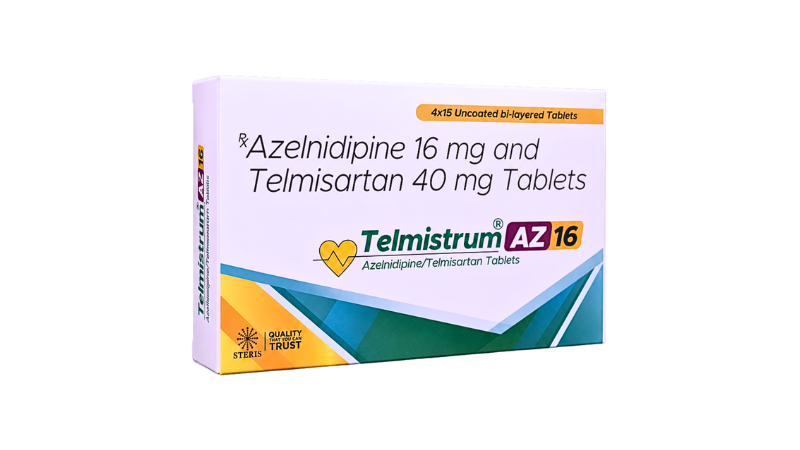
TELMISTRUM AZ 16: Telmisartan 40mg & Azelnidipine 16mg Uses, Dosage & Side Effects
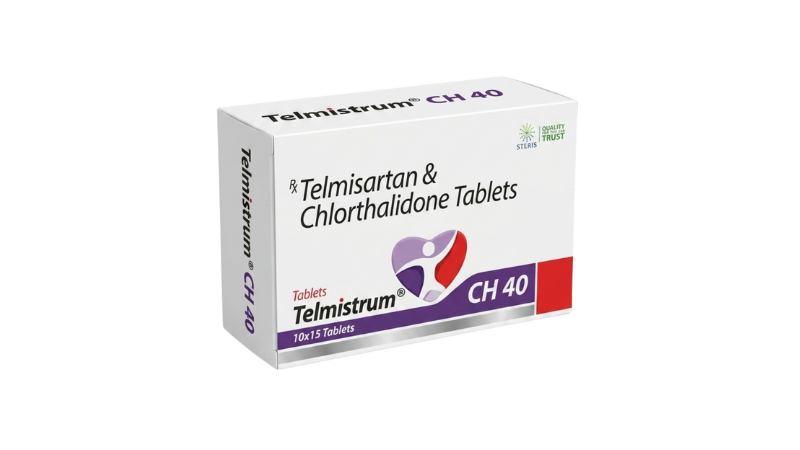
What Is Telmisartan and Chlorthalidone Combination Used For?
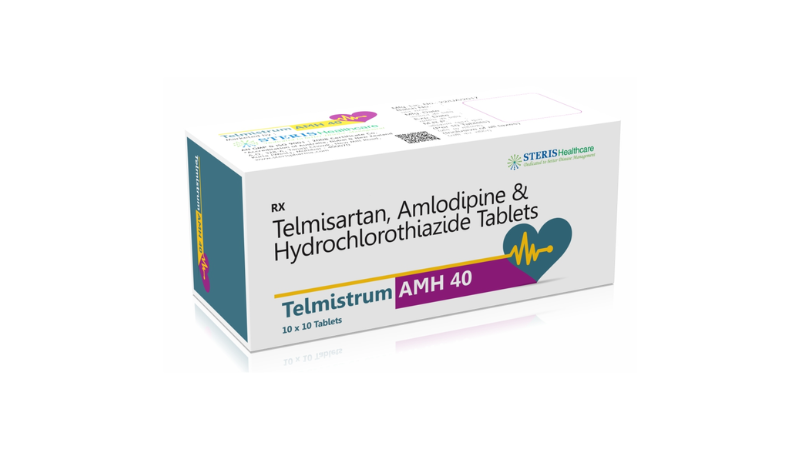
Telmisartan 40mg + Amlodipine 5mg Tablets: Uses, Dosage & Side Effects
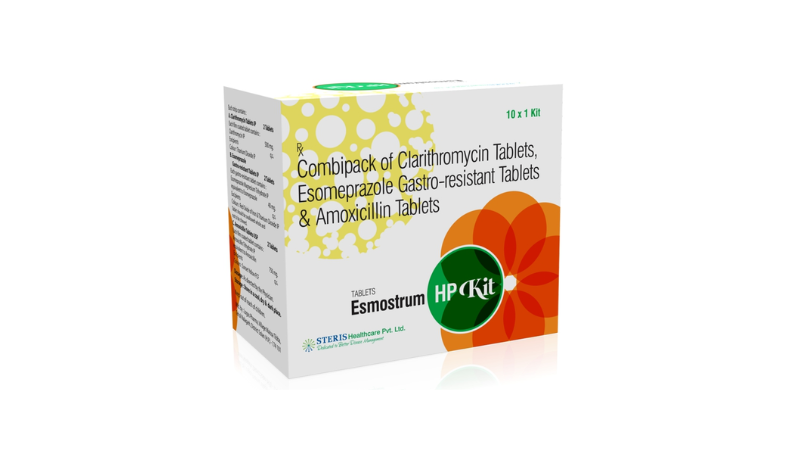
Clarithromycin, Esomeprazole & Amoxicillin Combo Kit: View Uses, Side Effects and Medicines
What Is Amoxicillin Clavulanate with Lactic Acid Bacillus Used For?
Semaglutide Injection 2mg/3ml (SAMIGLUTIDE) – Uses, Benefits, Dosage & Side Effects

L-Glutathione, Vitamin C & Alpha Lipoic Acid Tablets: Uses, Benefits & Side Effects

