


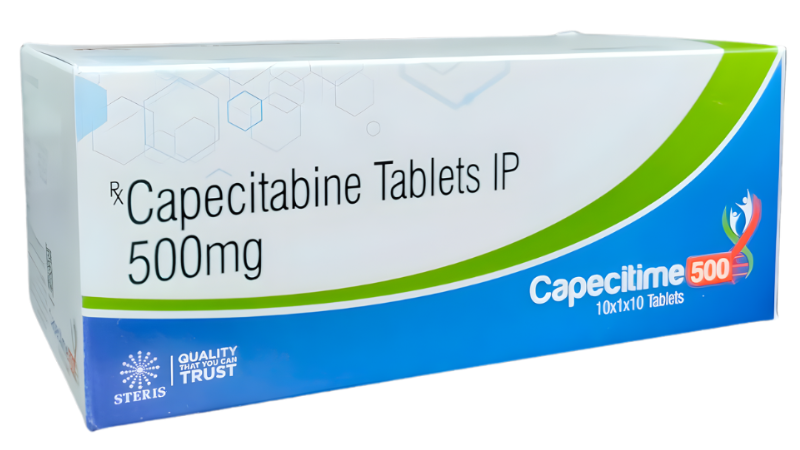



Capecitabine 500mg
Nov 02, 2022
What Is Capecitabine 500mg Tablet?
Capecitabine 500mg tablet is an oral chemotherapy medicine belonging to the antimetabolite class. It is a prodrug that is converted in the body into 5-fluorouracil (5-FU), an active anticancer substance that interferes with DNA and RNA production and helps stop cancer cells from multiplying.
Capecitabine is used for certain cancers, including colorectal, breast, pancreatic, stomach, esophageal, and gastroesophageal-junction cancers, depending on the cancer type, stage, previous treatment, and the individual treatment plan. It may be prescribed alone or together with other anticancer medicines.
The 500mg strength is one tablet strength of capecitabine. The number of tablets a patient needs per dose is individualized by the treating oncologist; therefore, the tablet strength should not be interpreted as a standard dose for every patient.
Capecitabine 500mg Tablet Uses
The main reason doctors prescribe capecitabine is to treat specific cancers. Depending on the clinical situation, it may be used:
- For certain colorectal cancers, including cancers that have spread or cannot be removed surgically.
- For certain breast cancers, including advanced or metastatic disease in particular treatment settings.
- With other chemotherapy medicines for selected pancreatic cancers after surgery.
- With combination treatment for certain stomach, esophageal, and gastroesophageal-junction cancers.
- In selected treatment protocols involving chemotherapy and radiation, particularly for certain rectal cancers.
The exact indication matters because capecitabine treatment is highly individualized. Your oncologist determines whether it is appropriate based on cancer type, treatment history, kidney and liver function, other medicines, and overall health.
How Does Capecitabine 500mg Work?
Capecitabine is designed to be taken by mouth and converted through several metabolic steps into 5-FU. The resulting active metabolites interfere with processes required for cancer-cell DNA and RNA synthesis. This can inhibit cell division and contribute to cancer-cell death.
One practical advantage of capecitabine is that it is an oral chemotherapy tablet, so patients can take it at home according to the schedule prescribed by their oncology team rather than receiving every dose intravenously.
However, “oral” does not mean low-risk. Capecitabine is a cytotoxic anticancer medicine and requires appropriate medical supervision and monitoring.
Key Benefits of Capecitabine 500mg Tablet
When appropriately prescribed, potential treatment benefits include:
1. Oral administration
Capecitabine is available as tablets taken by mouth, providing an alternative to some intravenous chemotherapy schedules.
2. Established role in several cancers
Capecitabine has established clinical uses across several gastrointestinal and breast-cancer settings. It can be used alone or as part of combination treatment depending on the cancer and treatment objective.
3. Converts to an established chemotherapy agent
The body converts capecitabine into 5-FU, a well-established fluoropyrimidine chemotherapy agent. This mechanism helps interfere with cancer-cell growth and replication.
4. Can be incorporated into combination treatment
Oncologists may combine capecitabine with other chemotherapy medicines and, in particular treatment protocols, radiation therapy. The combination depends on the diagnosis and treatment goal.
Important: These are potential therapeutic benefits, not a guarantee of effectiveness for an individual patient.
How to Take Capecitabine 500mg Tablet
Capecitabine should be taken exactly as prescribed by the oncology team. A commonly used administration instruction is to take it twice daily, approximately 12 hours apart, and within 30 minutes after a meal. Treatment schedules vary according to the cancer and regimen.
The tablets should generally be swallowed whole with water. They should not be crushed, chewed, or split unless a healthcare professional specifically gives different instructions.
If you vomit after taking a dose, MedlinePlus advises not to take an additional replacement dose unless your healthcare team tells you otherwise. For a missed dose, the usual instruction is to skip it and continue the regular schedule rather than taking a double dose.
Capecitabine 500mg Side Effects
Like other chemotherapy medicines, capecitabine can cause side effects. Some are relatively common and manageable, while others require urgent medical attention.
Possible side effects include:
- Diarrhea
- Nausea or vomiting
- Stomach discomfort or abdominal pain
- Loss of appetite
- Fatigue or weakness
- Mouth sores
- Changes in taste
- Rash
- Hair loss
- Constipation
- Headache
- Muscle, joint, or back pain
- Redness, swelling, pain, blistering, or peeling of the hands and feet (hand-foot syndrome).
The severity varies between patients. Your oncologist may adjust the dose, interrupt treatment, or discontinue treatment depending on your response and adverse effects.
Serious Side Effects and Important Warnings
Capecitabine has important safety warnings that should not be overlooked.
DPD deficiency
People with an inherited DPD deficiency can experience severe or potentially fatal toxicity from capecitabine. Current patient information states that doctors may test for DPD deficiency before treatment. Symptoms such as severe diarrhea, mouth or throat sores, fever, neurological changes, difficulty walking, or loss of coordination require prompt medical attention.
Blood-thinner interaction
Capecitabine can cause serious bleeding when used with certain anticoagulants, including warfarin. Patients taking blood thinners should tell their doctor before beginning treatment and may require closer monitoring.
Heart-related reactions
Chest pain or pressure, irregular or rapid heartbeat, shortness of breath, dizziness, or fainting can indicate a potentially serious reaction and should receive urgent medical evaluation.
Severe skin reactions
Significant redness, pain, swelling, blistering, or peeling of the palms or soles should be reported promptly.
Who Should Tell Their Doctor Before Taking Capecitabine?
Before treatment, patients should tell their healthcare professional about:
- Kidney or liver problems
- Heart disease
- Previous reactions to capecitabine or related medicines
- All prescription and nonprescription medicines
- Vitamins, supplements, and herbal products
- Blood thinners such as warfarin
- Pregnancy or plans to become pregnant
- Breastfeeding.
Capecitabine can harm an unborn baby. Appropriate contraception and pregnancy precautions should be discussed with the treating clinician. Breastfeeding should not be undertaken during treatment and for the period specified by the healthcare professional after treatment.
Capecitabine 500mg Tablet: What Buyers Should Check
Because capecitabine is a prescription chemotherapy medicine, purchase decisions should involve a licensed pharmacy and a valid prescription. Check the product's strength, manufacturer, packaging, batch information, expiry date, and storage instructions. Do not substitute one manufacturer's product or tablet strength for another without confirming with your pharmacist or oncologist.
Most importantly, do not purchase capecitabine simply because an online listing claims it is suitable for a particular cancer. The appropriate regimen depends on your diagnosis and medical history.
Expert Takeaway: Is Capecitabine 500mg Right for You?
Capecitabine 500mg tablet is an established oral chemotherapy medicine used for specific cancers, but the correct dose and treatment schedule are patient-specific. Its major clinical value comes from its conversion to 5-FU and its established role in colorectal, breast, pancreatic, gastric, esophageal, and related cancers.
The key safety considerations are equally important: DPD deficiency, severe diarrhea or other gastrointestinal toxicity, hand-foot syndrome, potential cardiac toxicity, and interactions with certain anticoagulants can require urgent intervention.
For that reason, capecitabine should be viewed as a specialist-prescribed cancer treatment rather than a medicine to self-select based on tablet strength or online product descriptions.
Frequently Asked Questions About Capecitabine 500mg Tablet
1. What is capecitabine 500mg tablet used for?
Capecitabine 500mg tablet is an oral chemotherapy medicine used for certain types of colorectal, breast, pancreatic, stomach, esophageal, and gastroesophageal-junction cancers. Its exact use depends on the cancer diagnosis and treatment protocol.
2. Is capecitabine 500mg a chemotherapy tablet?
Yes. Capecitabine is an oral antimetabolite chemotherapy medicine. It is converted in the body into 5-FU, which interferes with cancer-cell DNA and RNA production.
3. What are the most common side effects of capecitabine 500mg?
Commonly reported effects include diarrhea, nausea, vomiting, stomach discomfort, fatigue, appetite or taste changes, rash, mouth sores, and hand-foot syndrome. Side effects can vary considerably between individuals.
4. Can capecitabine 500mg cause serious side effects?
Yes. Serious reactions can include severe diarrhea, significant hand-foot syndrome, serious skin reactions, heart-related symptoms, severe toxicity associated with DPD deficiency, and potentially serious bleeding when combined with certain blood thinners.
5. How should capecitabine 500mg tablets be taken?
The prescribed regimen varies, but capecitabine is commonly taken twice daily approximately 12 hours apart and within 30 minutes after food. Tablets should generally be swallowed whole with water. Follow your oncologist's exact instructions rather than using a generic dosing schedule.
6. Can I take capecitabine 500mg with other medicines?
Some medicines can interact with capecitabine. Warfarin and other relevant medicines require particular attention. Tell your doctor and pharmacist about every prescription medicine, OTC medicine, vitamin, supplement, and herbal product you use.
7. What should I do if I miss a capecitabine dose?
Do not automatically take two tablets to compensate. MedlinePlus advises skipping the missed dose and continuing the regular dosing schedule. If you are unsure, contact your oncology team or pharmacist.
8. Can capecitabine 500mg be used without a prescription?
Capecitabine is a prescription anticancer medicine and should only be used under appropriate medical supervision. It should not be self-prescribed based on symptoms, cancer type alone, or the tablet strength.
9. Is capecitabine 500mg suitable for every cancer patient?
No. Capecitabine is appropriate only for particular cancers and clinical circumstances. Kidney function, previous treatments, concurrent medicines, DPD status, and other individual factors can influence whether and how it is prescribed. MedlinePlus+1
10. Is capecitabine 500mg the same as 5-FU?
Not exactly. Capecitabine is an oral prodrug that the body converts into 5-FU through metabolic processes. Both belong to the fluoropyrimidine family, but they are different medicines and are not interchangeable without a clinician's direction.
11. Capecitaris 500mg tablet?
Capecitaris 500mg Tablet contains capecitabine, an oral chemotherapy medicine used to treat certain cancers under medical supervision.
Conclusion
Capecitabine 500mg tablet is an important oral chemotherapy option for selected patients with certain cancers. Its established uses, oral administration, and conversion to the active chemotherapy compound 5-FU make it a valuable part of modern cancer treatment. However, its benefits must always be weighed against potential adverse effects and individual patient factors.
Recent Post
Semaglutide 4mg vs Pancreatitis Risk: What Doctors Want You to Know
Semaglutide 8mg Injection: Frequently Asked Questions Answered by Experts
Mycophenolate Mofetil 500mg (Mycofortic M 500): Uses, Benefits & Precautions – Complete Guide
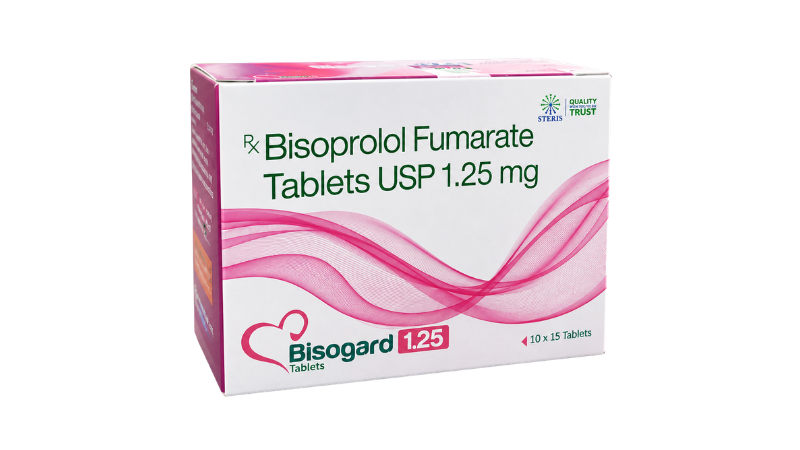
What is Bisogard 1.25? Bisoprolol 1.25mg Uses, Dosage & Side Effects Explained

Can Semaglutide Injection Be Used Without Diabetes?
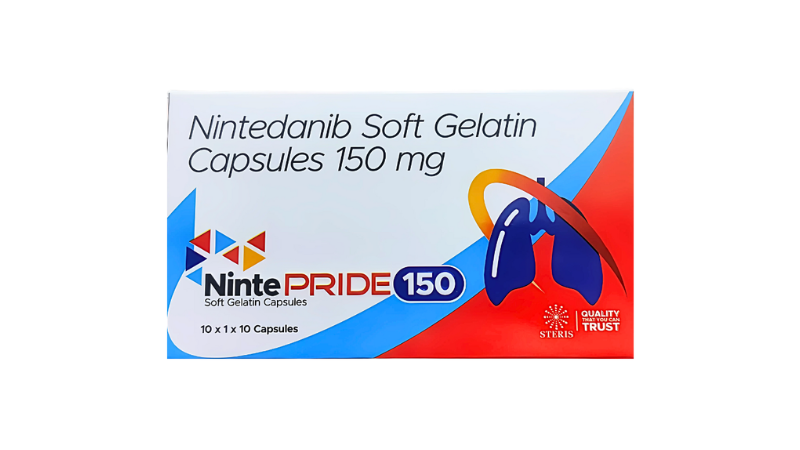
What Are Nintedanib Soft Gelatin Capsules Used For? Complete Guide
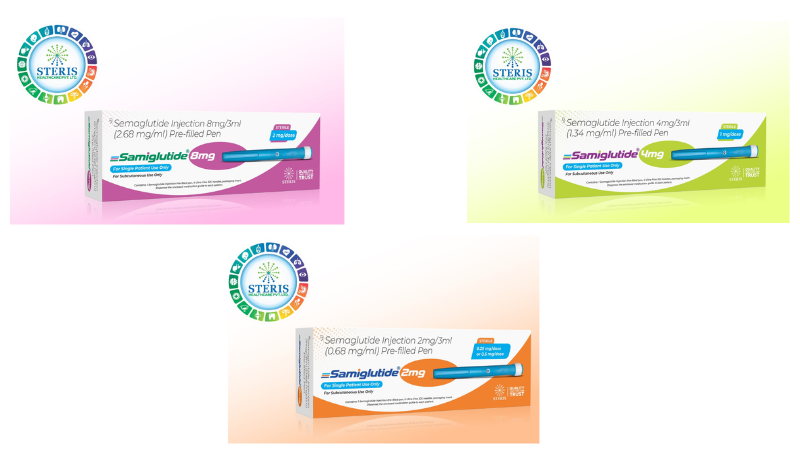
Where to Buy Semaglutide Injection in India: Price, Pen & Prescription Guide
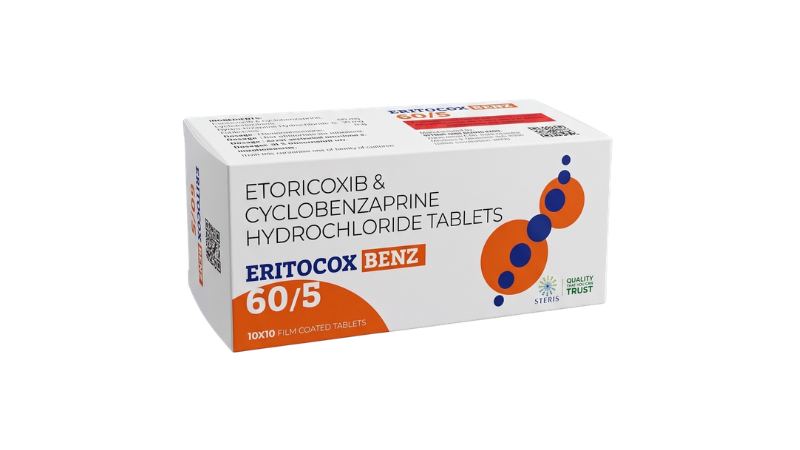
ERITOCOX BENZ 60/5 Dosage Guide: How to Take Etoricoxib & Cyclobenzaprine Tablets Safely
Gabapentin and Methylcobalamin Tablets Side Effects: What Patients Should Know
Thyroxine sodium tablets IP: उपयोग, फायदे और साइड इफेक्ट्स