


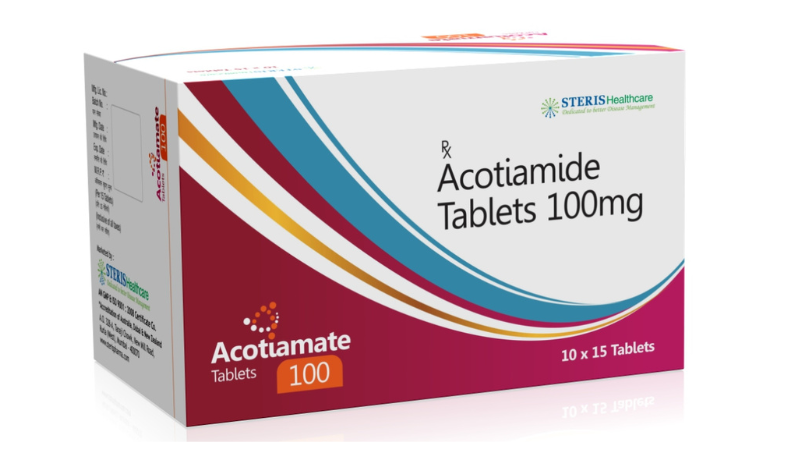



ACOTIAMATE 100 Tablet: View Uses, Dosage, Side Effects, and More....
Jun 17, 2024
What Is Acotiamide 100 mg?
Acotiamide 100 mg is an oral tablet formulation containing acotiamide, commonly used for functional dyspepsia with prominent meal-related symptoms. Product information for a 100 mg formulation lists postprandial bloating, epigastric bloating and premature satiety in functional dyspepsia as therapeutic indications.
Functional dyspepsia is a gastrointestinal disorder in which people experience recurring upper-digestive symptoms without an identifiable structural disease that adequately explains those symptoms.
Common symptoms can include:
- Feeling excessively full after meals
- Getting full unusually quickly
- Upper-abdominal bloating
- Epigastric discomfort
- Epigastric burning or pain
- Nausea
- Belching
The 2025 Second Asian Consensus Report describes the major cardinal symptoms of functional dyspepsia as epigastric pain or burning, postprandial fullness and early satiation.
Acotiamide is particularly relevant when post-meal fullness, bloating and early satiety are the dominant complaints.
Acotiamide Tablets 100mg How to Use
1. Functional Dyspepsia
The primary Acotiamide 100 mg use is the symptomatic management of functional dyspepsia.
Recent evidence-based Asian guidance states that fundic-relaxant drugs such as acotiamide may improve functional dyspepsia, particularly postprandial distress syndrome, with moderate-quality evidence.
2. Post-Meal Bloating
Acotiamide 100 mg for bloating is a common search because postprandial bloating is one of the symptoms specifically associated with its use.
It may be particularly useful when bloating is part of functional dyspepsia rather than being caused by constipation, food intolerance, infection or another gastrointestinal condition.
3. Early Satiety
Early satiety means feeling full sooner than expected during a meal.
Acotiamide has demonstrated particular relevance to meal-related symptoms. Clinical evidence has shown improvement in symptoms including postprandial fullness, upper-abdominal bloating and early satiation in patients with functional dyspepsia.
4. Postprandial Fullness
Postprandial fullness describes a prolonged or uncomfortable sensation of fullness after eating.
Because acotiamide affects gastric accommodation and motility, it may help patients whose functional dyspepsia is characterized by this symptom.
How Does Acotiamide 100 mg Work?
Acotiamide is generally classified as a prokinetic and fundic-relaxant medicine.
It influences cholinergic signaling in the gastrointestinal tract. Its pharmacological action can support gastric accommodation and gastrointestinal motility, which are relevant to some forms of functional dyspepsia.
In simple terms:
Acotiamide → modulates cholinergic activity → supports gastric accommodation/motility → may reduce meal-related fullness and bloating.
Functional dyspepsia is complex and can involve several mechanisms, including impaired gastric accommodation, delayed gastric emptying and visceral hypersensitivity. The latest Asian consensus emphasizes that no single mechanism explains every patient's symptoms.
Therefore, acotiamide is most appropriately viewed as a symptom-targeted treatment, rather than a medicine that cures every underlying cause of indigestion.
Key Benefits of Acotiamide 100 mg
When prescribed for an appropriate patient, potential Acotiamide 100 mg benefits include:
- Helps manage post-meal fullness.
- May reduce upper-abdominal bloating.
- Helps relieve early satiety.
- May improve postprandial distress symptoms.
- Supports gastric accommodation.
- May improve certain gastrointestinal motility-related symptoms.
- Can make meals more comfortable for some people with functional dyspepsia.
- Provides a prescription treatment option specifically relevant to meal-related dyspeptic symptoms.
A systematic review and meta-analysis found acotiamide to be more effective than placebo for overall functional-dyspepsia symptom improvement, with particularly relevant benefits in PDS-type symptoms.
The newer Asian consensus reviewed randomized trials and reported that acotiamide improved overall FD symptoms compared with placebo; the authors specifically identify fundic relaxants such as acotiamide as potentially useful in PDS.
Acotiamide 100 mg Dosage
For an adult 100 mg formulation, product information specifies:
100 mg orally three times daily before meals.
A typical prescribed schedule may therefore be:
- 100 mg before breakfast
- 100 mg before lunch
- 100 mg before dinner
However, patients should not self-prescribe this dosage merely because it is commonly reported for the medicine. Your doctor's instructions and the specific product information should take priority.
Clinical research has also evaluated 100 mg three times daily as an effective dose for meal-related functional-dyspepsia symptoms.
Important
Do not:
- Increase the dose yourself.
- Take extra tablets to obtain faster relief.
- Continue treatment indefinitely without medical review.
- Give the medicine to another person with similar symptoms.
How to Take Acotiamide 100 mg
If your doctor has prescribed acotiamide 100 mg before meals:
- Take the tablet according to the prescribed schedule.
- Take it before meals.
- Swallow it with water.
- Maintain consistent timing around meals.
- Do not crush or alter the tablet unless your specific product permits it.
- If you miss a dose, follow your pharmacist's or doctor's instructions rather than automatically doubling the next dose.
Product-specific instructions should always be followed.
Acotiamide 100 mg Side Effects
Like all medicines, Acotiamide 100 mg can cause side effects, although many patients tolerate it well.
Reported adverse effects include:
- Diarrhea
- Constipation
- Headache
- Nausea
- Vomiting
- Skin rash
- Changes in liver-related laboratory values
- Increased triglycerides
- Changes in prolactin levels
The 2025 Asian Consensus Report specifically lists headache and diarrhea among adverse effects associated with acotiamide.
A systematic review found no significant overall difference in adverse events between acotiamide and placebo groups, although individual adverse reactions and laboratory abnormalities can occur.
When to Contact a Doctor
Contact a healthcare professional if you experience:
- Persistent or severe diarrhea
- Severe abdominal symptoms
- Significant skin reaction
- Unusual weakness
- Yellowing of the skin or eyes
- Persistent vomiting
- Any unexpected reaction that concerns you
Is Acotiamide 100 mg Safe?
Available clinical evidence generally indicates that acotiamide is well tolerated, but “safe” does not mean appropriate for everyone.
The 2025 Asian consensus reviewed efficacy and safety evidence and noted that acotiamide has been associated with symptom improvement and long-term safety data.
The medicine should nevertheless be used under medical supervision, particularly when symptoms are persistent or when the patient has other medical conditions.
Importantly, functional dyspepsia is a diagnosis that requires appropriate clinical evaluation. Persistent symptoms should not simply be treated repeatedly without reconsidering the diagnosis.
Acotiamide 100 mg for Bloating
One of the strongest potential search-intent topics is “Acotiamide 100 mg for bloating.”
Acotiamide may help when bloating is a post-meal symptom of functional dyspepsia.
A randomized placebo-controlled trial cited in the 2025 Asian Consensus Report found that acotiamide 100 mg three times daily was significantly better than placebo at eliminating PDS symptoms after four weeks, including:
- Postprandial fullness
- Upper-abdominal bloating
- Early satiation
The reported elimination rates were 15.3% with acotiamide versus 9.0% with placebo.
However, this does not mean acotiamide is appropriate for every person with bloating.
Bloating can also result from:
- Constipation
- Food intolerance
- Irritable bowel syndrome
- Excessive gas
- Gastrointestinal infection
- Dietary factors
- Other digestive diseases
Correct diagnosis is therefore important.
Acotiamide 100 mg for Early Satiety
Early satiety is one of the key symptoms associated with acotiamide.
A person with early satiety may feel full after eating only a small portion of food, sometimes accompanied by upper-abdominal discomfort or bloating.
Clinical trials have reported that acotiamide 100 mg can improve meal-related symptoms, and earlier dose-ranging research found particular benefits among patients whose primary complaints were postprandial fullness, upper-abdominal bloating and early satiety.
This makes acotiamide particularly relevant to the postprandial-distress syndrome pattern of functional dyspepsia.
Acotiamide 100 mg for Indigestion
Acotiamide can be prescribed for functional dyspepsia, which is sometimes described by patients as chronic indigestion.
However, it is important to distinguish functional dyspepsia from occasional indigestion after a heavy meal.
Acotiamide is not an antacid and is not primarily intended to neutralize stomach acid.
Therefore, if your main symptom is:
- Heartburn
- Acid regurgitation
- Burning behind the breastbone
another condition such as gastroesophageal reflux disease may need to be considered.
Acotiamide 100 mg vs Antacid Medicines
These medicines work differently.
| Acotiamide 100 mg | Antacid/acid-suppressing medicines |
|---|---|
| Targets gastrointestinal motility/accommodation | Primarily targets gastric acid |
| Relevant to postprandial fullness | More relevant to acid-related symptoms |
| Used in functional dyspepsia | Used in various acid-related conditions |
| Particularly relevant to PDS symptoms | May be used for heartburn/reflux depending on diagnosis |
Therefore, Acotiamide 100 mg is not simply another acidity tablet.
Recent Evidence on Acotiamide 100 mg
The latest evidence is important for creating medically responsible SEO content.
The Second Asian Consensus Report on Functional Dyspepsia, published in the Journal of Gastroenterology and Hepatology, reviewed current evidence and concluded that fundic-relaxant drugs such as acotiamide may be effective in improving functional dyspepsia, especially PDS, with moderate evidence.
The consensus also reported a meta-analysis of randomized controlled trials showing acotiamide at doses ranging from 50–300 mg three times daily was more effective than placebo for overall FD symptom improvement.
This supports positioning acotiamide as a targeted option for functional dyspepsia, rather than making broad claims that it treats all digestive problems.
Acotiamide 100 mg Precautions
Before taking this medicine, tell your doctor if you have:
- Liver disease
- Kidney disease
- Persistent vomiting
- Severe abdominal pain
- Unexplained weight loss
- Gastrointestinal bleeding
- Difficulty swallowing
- Long-standing unexplained indigestion
- A history of medicine allergies
Also provide a complete list of prescription medicines, OTC products, vitamins and supplements you take.
When Should You See a Doctor?
Persistent digestive symptoms should not always be treated as simple indigestion.
Seek medical assessment if you experience:
- Unexplained weight loss
- Recurrent vomiting
- Blood in vomit
- Black or bloody stools
- Difficulty swallowing
- Severe or persistent abdominal pain
- Significant weakness or suspected anemia
- Symptoms that are getting worse
- Symptoms that fail to improve with appropriate treatment
Current functional-dyspepsia guidance emphasizes appropriate diagnostic evaluation and recognizes that persistent or atypical symptoms may require further investigation.
Diet and Lifestyle Tips With Acotiamide 100 mg
Medication can be combined with practical lifestyle measures.
Eat Smaller Meals
Large meals can increase postprandial fullness and discomfort.
Eat Slowly
Eating slowly may help avoid overeating and improve meal tolerance.
Identify Trigger Foods
A food diary can help identify foods that consistently worsen symptoms.
Avoid Very Heavy Meals
Fatty, spicy or very large meals can worsen dyspeptic symptoms in some people.
Maintain Healthy Habits
Regular physical activity, adequate sleep and appropriate hydration may support overall gastrointestinal health.
Don't Repeatedly Self-Medicate
If symptoms continue, seek professional evaluation rather than continuously adding different digestive medicines.
Buyer’s Guide: Buy Acotiamide 100 mg Online
Before ordering, verify:
Composition
Confirm that the product contains Acotiamide 100 mg or the stated equivalent of acotiamide hydrochloride hydrate.
Manufacturer
Check the manufacturer and marketer details.
Batch Number
Ensure the pack has a traceable batch number.
Expiry Date
Do not purchase or use expired medicines.
Packaging
Check that the blister and outer packaging are intact.
Pharmacy/Seller
Choose a legitimate and reputable pharmacy.
Prescription
Use Acotiamide 100 mg according to a healthcare professional's recommendation.
Product Information
A high-quality product page should clearly provide:
- Composition
- Strength
- Uses
- Dosage
- Precautions
- Side effects
- Manufacturer
- Storage information
- Batch/expiry details
This buyer-focused information helps consumers compare products while reducing the risk of purchasing medicines with unclear composition or questionable authenticity.
Frequently Asked Questions About Acotiamide 100 mg
1. What is Acotiamide 100 mg used for?
Acotiamide 100 mg is mainly used for functional dyspepsia, particularly meal-related symptoms such as postprandial fullness, upper-abdominal bloating and early satiety.
2. Does Acotiamide 100 mg help with bloating?
Yes. Acotiamide may help post-meal bloating when it is associated with functional dyspepsia, particularly the postprandial-distress pattern.
3. What is the usual Acotiamide 100 mg dosage?
A commonly specified adult regimen for a 100 mg formulation is 100 mg three times daily before meals. The exact dosage should follow your doctor's prescription and the specific product label.
4. What are the side effects of Acotiamide 100 mg?
Possible side effects include diarrhea, constipation, headache, nausea, vomiting and skin rash. Changes in certain laboratory parameters, including liver enzymes, triglycerides and prolactin, have also been reported.
5. Is Acotiamide 100 mg good for early satiety?
Yes. Early satiety is one of the meal-related symptoms for which acotiamide has demonstrated clinical benefit in functional dyspepsia. Evidence is particularly relevant to patients with postprandial-distress symptoms.
6. Is Acotiamide 100 mg an antacid?
No. Acotiamide is primarily a gastrointestinal motility/fundic-relaxant medicine. It is not an acid-neutralizing antacid or a conventional acid-suppressing medicine.
7. Is Acotiamide 100 mg a prokinetic?
Yes. Acotiamide is generally described as a prokinetic/fundic-relaxant medicine that modulates cholinergic activity and supports gastric accommodation and motility.
8. Should Acotiamide 100 mg be taken before or after food?
For the 100 mg formulation referenced in product information, it is taken before meals. Always follow your own prescription and product label.
9. How long does Acotiamide 100 mg take to work?
Clinical studies have evaluated symptom improvement over several weeks, with a four-week treatment period frequently used in trials. Individual response varies, so persistent symptoms should be discussed with a healthcare professional.
10. Can I buy Acotiamide 100 mg without a prescription?
Acotiamide should be used under appropriate medical guidance. If you have persistent indigestion, bloating or early satiety, a healthcare professional should determine whether functional dyspepsia is the correct diagnosis before treatment.
Conclusion: Acotiamide 100 mg for Functional Dyspepsia
Acotiamide 100 mg is a prescription gastrointestinal medicine primarily used for functional dyspepsia, especially when post-meal fullness, upper-abdominal bloating and early satiety are prominent symptoms. Its pharmacological effects on cholinergic gastrointestinal pathways, gastric accommodation and motility make it particularly relevant to postprandial distress syndrome (PDS). Recent Asian consensus guidance supports acotiamide as a potential treatment option for PDS, based on moderate evidence.
Recent Post
BEST semaglutide injection price in india
How Semaglutide Injection 4 mg Helps Control Blood Sugar
What Is Telmisartan and Metoprolol Succinate Combination Used For?
TELMISTRUM TRIO 6.25: Telmisartan, Cilnidipine & Chlorthalidone Uses & Side Effects
TELMISTRUM AZ 16: Telmisartan 40mg & Azelnidipine 16mg Uses, Dosage & Side Effects
What Is Telmisartan and Chlorthalidone Combination Used For?
Telmisartan 40mg + Amlodipine 5mg Tablets: Uses, Dosage & Side Effects
Clarithromycin, Esomeprazole & Amoxicillin Combo Kit: View Uses, Side Effects and Medicines
What Is Amoxicillin Clavulanate with Lactic Acid Bacillus Used For?
Semaglutide Injection 2mg/3ml (SAMIGLUTIDE) – Uses, Benefits, Dosage & Side Effects

