


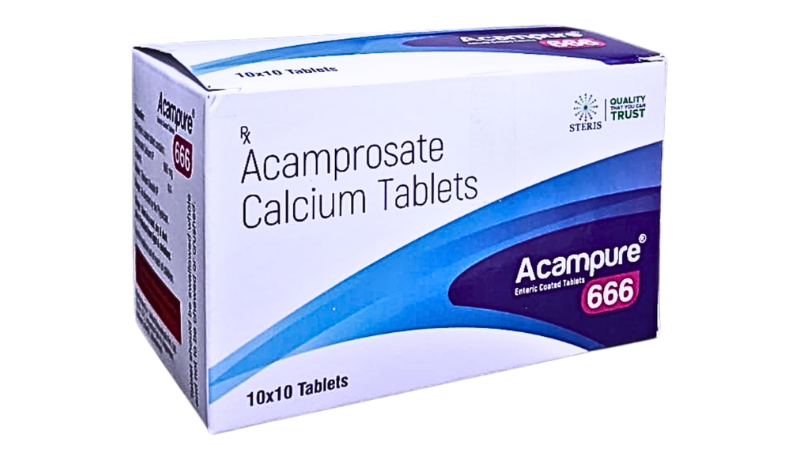



Acamprosate Gastro Resistant (666mg) - Explore.....
Jul 31, 2024
What Is Acamprosate Tablet?
Acamprosate tablet contains acamprosate, a medicine used to support continued abstinence from alcohol in people who have already stopped drinking.
The medicine is thought to help stabilize changes in brain signaling that occur after long-term alcohol exposure. Rather than producing an alcohol-like effect, acamprosate is intended to help reduce the neurochemical imbalance associated with recovery and may reduce the desire to drink.
The important distinction is that acamprosate supports maintaining sobriety; it does not replace detoxification, counseling or ongoing recovery support.
The official prescribing information states that its effectiveness for promoting abstinence has not been demonstrated in people who have not undergone detoxification and achieved abstinence before starting treatment.
Acamprosate Tablet Uses
The primary acamprosate tablet use is:
Maintenance of abstinence from alcohol
Acamprosate is prescribed to adults with alcohol dependence who have stopped drinking and want help maintaining abstinence.
It may be particularly useful as part of a broader recovery plan that includes:
- Counseling
- Psychosocial support
- Relapse-prevention strategies
- Family or social support
- Regular medical follow-up
Current Indian pharmacy information similarly describes acamprosate as a medicine for maintaining abstinence and reducing alcohol cravings after drinking has stopped.
What Acamprosate Does Not Treat
This is one of the most important points for patients and buyers.
Acamprosate does not:
- Treat acute alcohol withdrawal
- Prevent withdrawal seizures
- Treat alcohol poisoning
- Make continued alcohol consumption safe
- Cure alcohol dependence by itself
- Replace counseling or addiction treatment
The official label specifically warns that acamprosate does not eliminate or reduce alcohol-withdrawal symptoms.
If someone is currently drinking heavily and wants to stop, they should speak with a healthcare professional before abruptly stopping. Alcohol withdrawal can sometimes be medically dangerous and may require supervised treatment.
How Does Acamprosate Tablet Work?
Acamprosate acts on neurotransmitter systems involved in the brain's adaptation to chronic alcohol exposure.
Long-term alcohol use can alter the balance between excitatory and inhibitory brain signaling. When alcohol is removed, this altered balance may contribute to craving and difficulty maintaining abstinence.
Acamprosate is believed to help stabilize this altered signaling, particularly through effects involving glutamatergic and GABA-related neurotransmission.
In practical terms, the medicine is intended to make maintaining abstinence easier for some people by helping reduce the biological drive to drink.
It does not create a substitute alcohol effect and is not intended to cause intoxication.
Key Benefits of Acamprosate Tablet
1. Helps Maintain Alcohol Abstinence
The main benefit is supporting people who have already stopped drinking to remain abstinent. This is the approved indication in current U.S. prescribing information.
2. May Reduce Alcohol Cravings
Acamprosate can help reduce the persistent desire to drink that some people experience during recovery.
However, individual responses vary. It should be considered one component of a complete treatment strategy rather than a guaranteed solution.
3. Supports Long-Term Recovery
Because acamprosate is intended for maintenance of abstinence, it can be used during the ongoing recovery phase after detoxification and initial alcohol withdrawal.
4. Can Be Combined With Psychosocial Treatment
The official label recommends using acamprosate as part of a comprehensive management program that includes psychosocial support.
This means medication and behavioral support can work together rather than being treated as competing approaches.
5. Does Not Produce Alcohol-Like Intoxication
Acamprosate is not an alcohol substitute and is not intended to create a euphoric or intoxicating effect.
This makes its therapeutic role different from medicines that directly affect alcohol metabolism or produce an aversive reaction to drinking.
Acamprosate Tablet Dosage
The commonly marketed tablet strength is 333 mg.
For the U.S. delayed-release formulation, the standard adult dosage is:
666 mg (two 333 mg tablets), three times daily.
For patients with moderate renal impairment, defined in the label as creatinine clearance of 30–50 mL/min, the recommended dose is reduced to:
333 mg three times daily.
Acamprosate is contraindicated in people with severe renal impairment, defined as creatinine clearance of 30 mL/min or less.
This is a critical safety point because acamprosate is eliminated primarily through the kidneys.
Do not use the dosage above as a personal prescription. Your doctor may adjust treatment according to kidney function, formulation, other medicines and your clinical circumstances.
Should Acamprosate Be Taken With Food?
The official label says acamprosate can be taken without regard to meals, although administration with meals was used in clinical trials and may be suggested for people who regularly eat three meals a day.
Follow the directions provided with your specific product.
Acamprosate Tablet Side Effects
Like other prescription medicines, acamprosate can cause side effects.
One of the most commonly reported adverse effects is diarrhea.
Other possible side effects include:
- Abdominal pain
- Nausea
- Vomiting
- Flatulence
- Headache
- Dizziness
- Itching
- Skin rash
- Changes in libido
- Fatigue or weakness
Current Indian product information lists abdominal pain, nausea, vomiting, decreased libido and itching among possible adverse effects.
Diarrhea is particularly relevant because persistent diarrhea can cause dehydration. Drink adequate fluids unless your doctor has given you fluid restrictions.
Mental Health and Suicidal Thoughts
People receiving treatment for alcohol dependence may already have depression, anxiety or other mental-health conditions.
The current acamprosate label advises monitoring for depression and suicidal ideation. In controlled clinical trials, suicidal-type adverse events were uncommon overall but occurred more frequently in acamprosate-treated patients than placebo-treated patients in the cited data.
Any new or worsening depression, suicidal thoughts or significant behavioral changes should be reported to a healthcare professional promptly.
If there is an immediate risk of self-harm, seek emergency medical assistance.
Who Should Not Take Acamprosate Without Medical Advice?
Before taking acamprosate, tell your doctor if you have:
- Kidney disease
- A history of depression or suicidal thoughts
- Other psychiatric conditions
- Allergies to acamprosate or any tablet ingredients
- Pregnancy or plans to become pregnant
- Breastfeeding
- Other significant medical conditions
Kidney Function Is Especially Important
Acamprosate is one of the medicines where kidney function directly affects dosing.
The current prescribing information requires dose reduction in moderate renal impairment and lists severe renal impairment as a contraindication.
Therefore, someone with kidney disease should not purchase and self-start acamprosate based solely on an online recommendation.
Acamprosate Tablet and Alcohol: Can You Drink While Taking It?
Acamprosate is intended to support abstinence from alcohol.
It does not make drinking alcohol safe, and continuing to drink does not turn acamprosate into an alcohol-protection medicine.
The medicine should be part of a treatment plan designed to maintain sobriety. If a person relapses after starting treatment, they should contact their healthcare professional rather than simply stopping the medication on their own. The current label states that treatment should be maintained if relapse occurs, while the overall treatment plan should continue to address alcohol dependence.
Acamprosate vs Medicines Used During Alcohol Withdrawal
Acamprosate should not be confused with medicines used for acute alcohol withdrawal.
Someone who has recently stopped heavy alcohol consumption may experience:
- Tremors
- Sweating
- Anxiety
- Nausea
- Rapid heart rate
- Confusion
- Hallucinations
- Seizures
These symptoms can require urgent medical assessment. Acamprosate does not prevent or treat alcohol-withdrawal symptoms.
Its role begins in the maintenance phase after abstinence has been established.
What to Check Before Buying Acamprosate Tablet Online
If your doctor has prescribed acamprosate, check the following before ordering:
- Active ingredient: Acamprosate/acamprosate calcium.
- Strength: Commonly 333 mg per tablet.
- Dosage form: Delayed-release/enteric-coated where applicable.
- Pack size: Compare the price per tablet, not only the strip price.
- Manufacturer: Verify the manufacturer on the packaging.
- Prescription requirement: Current Indian listings identify acamprosate products as prescription medicines.
- Expiry date: Do not accept expired or damaged medication.
- Storage: Follow the product's storage instructions.
- Seller authenticity: Use a legitimate pharmacy.
- Substitution: Confirm any brand substitution with your pharmacist or doctor.
Common Acamprosate Brands in India
Current online listings include brands such as:
- Acamprol
- Acamptas
- Acumpros
- Acampcon
- Akkam
The exact brands available to you may differ by city and pharmacy. Current listings confirm that these products contain acamprosate 333 mg, but pack sizes and prices differ.
Do not choose a substitute solely because it is cheaper.
Acamprosate Tablet: Buyer-Intent Quick Guide
Looking for acamprosate uses? It is primarily used to help maintain abstinence from alcohol after a person has stopped drinking.
Looking for benefits? It can support continued abstinence and may help reduce alcohol cravings as part of comprehensive addiction treatment.
Looking for side effects? Diarrhea, abdominal symptoms, nausea and vomiting are among the possible adverse effects.
Looking for dosage? The commonly referenced adult dose is 666 mg three times daily, but kidney impairment requires dose reduction and severe renal impairment is a contraindication.
Looking to buy acamprosate online? Verify the 333 mg strength, prescription status, manufacturer, expiry and price per tablet.
Looking for a cheaper substitute? Ask a pharmacist or doctor to confirm that the replacement has the same active ingredient and appropriate formulation.
Conclusion: Is Acamprosate Tablet Right for You?
Acamprosate tablet is a prescription medicine designed to help people with alcohol dependence maintain abstinence after they have stopped drinking. Its primary role is relapse prevention and support for ongoing sobriety—not treatment of acute alcohol withdrawal.
The key potential benefits are helping maintain abstinence, supporting recovery and reducing alcohol cravings in appropriately selected patients. The best results come when acamprosate is combined with counseling, psychosocial support and a broader recovery plan.
The most important safety consideration is kidney function. The current prescribing information recommends a lower dose for moderate renal impairment and contraindicates acamprosate in severe renal impairment. Patients should also be monitored for depression or suicidal thoughts.
For buyers in India, several acamprosate 333 mg brands are currently listed online, with recent prices varying by brand and pack size. Before ordering, verify the exact strength, formulation, manufacturer, expiry date and prescription requirements rather than choosing solely by price.
Most importantly, if you or someone you know is trying to stop heavy alcohol use, medical guidance is important. Acamprosate should be part of a structured recovery plan—not a self-medication strategy.
Frequently Asked Questions About Acamprosate Tablet
1. What is acamprosate tablet used for?
Acamprosate tablet is used to help maintain abstinence from alcohol in people with alcohol dependence who have already stopped drinking. It is generally used alongside psychosocial support and other recovery measures.
2. Does acamprosate reduce alcohol cravings?
Yes. Acamprosate can help reduce the desire to drink and support continued abstinence in some people. However, it works best as part of a comprehensive alcohol-dependence treatment program rather than as a standalone treatment.
3. Can acamprosate treat alcohol withdrawal symptoms?
No. Acamprosate does not treat or prevent acute alcohol-withdrawal symptoms. People who may be experiencing dangerous withdrawal should receive appropriate medical assessment and treatment.
4. What are the side effects of acamprosate tablets?
Common possible side effects include diarrhea, abdominal pain, nausea, vomiting, headache, dizziness, itching and changes in libido. Persistent or severe symptoms should be discussed with a healthcare professional.
5. What is the usual acamprosate tablet dose?
For the U.S. delayed-release 333 mg formulation, the standard adult dose is two 333 mg tablets three times daily, totaling 666 mg per dose. People with moderate renal impairment require a reduced dose of one 333 mg tablet three times daily.
6. Can I take acamprosate if I have kidney disease?
It depends on kidney function. Moderate renal impairment requires dose reduction, while severe renal impairment—creatinine clearance of 30 mL/min or less—is a contraindication according to the current prescribing information.
7. Can I drink alcohol while taking acamprosate?
Acamprosate is intended to support abstinence from alcohol. It does not make drinking safe and should not be considered protection against alcohol-related harm. If you relapse, contact your healthcare professional for guidance rather than changing the medication yourself.
8. Can I buy acamprosate tablets online?
Current Indian online pharmacies list acamprosate products, including 333 mg formulations. These products are identified as prescription medicines, so purchase and use should follow a valid prescription and professional advice.
9. Is acamprosate addictive?
Acamprosate is not intended to produce intoxication or an alcohol-like effect. Its purpose is to support abstinence rather than replace alcohol. It should nevertheless be used under medical supervision.
10. Should I take acamprosate with food?
The current prescribing information allows dosing without regard to meals, although taking doses with meals was used in clinical trials and may be suggested for people who regularly eat three meals daily. Follow the instructions for your specific prescription.
11. What happens if I start drinking again while taking acamprosate?
A relapse should be discussed with your healthcare professional. The current prescribing information states that acamprosate treatment should be maintained if a patient relapses, while the comprehensive treatment program continues.
12. Acamprovis 666?
Acamprovis-666 contains acamprosate 666 mg. It is a prescription medicine used to help maintain abstinence from alcohol after stopping drinking
Recent Post
Semaglutide 8mg Injection: Frequently Asked Questions Answered by Experts
Mycophenolate Mofetil 500mg (Mycofortic M 500): Uses, Benefits & Precautions – Complete Guide
What is Bisogard 1.25? Bisoprolol 1.25mg Uses, Dosage & Side Effects Explained

Can Semaglutide Injection Be Used Without Diabetes?
What Are Nintedanib Soft Gelatin Capsules Used For? Complete Guide
Where to Buy Semaglutide Injection in India: Price, Pen & Prescription Guide
ERITOCOX BENZ 60/5 Dosage Guide: How to Take Etoricoxib & Cyclobenzaprine Tablets Safely
Gabapentin and Methylcobalamin Tablets Side Effects: What Patients Should Know
Thyroxine sodium tablets IP: उपयोग, फायदे और साइड इफेक्ट्स
Semaglutide 2 mg Injection Dosage Guide: How to Use It Safely

