




What is Naltrexone Hydrochloride Prescribed For? A Complete Guide.
Aug 02, 2025
What Is Naltrexone HCl 50 mg Tablet?
Naltrexone HCl 50 mg tablet contains 50 mg of naltrexone hydrochloride, an opioid antagonist. Unlike opioid medicines, naltrexone does not produce opioid effects. Its pharmacological action is primarily to block opioid receptors, reducing or preventing the effects of opioid drugs.
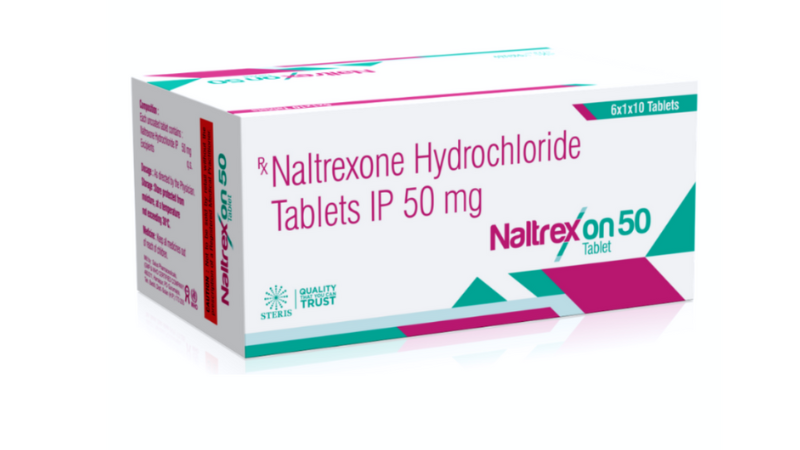
The 50 mg tablet is an established oral formulation. Current DailyMed listings describe naltrexone hydrochloride tablets as film-coated tablets containing 50 mg of naltrexone hydrochloride, with different manufacturers offering different tablet appearances and packaging.
For people considering treatment, it is important to understand that naltrexone is not a standalone cure for addiction. Its labeling indicates that it should form part of an appropriate addiction-management plan, which can include counseling, behavioral treatment, recovery support, and medical monitoring.
What Is Naltrexone HCl 50 mg Used For?
The main approved uses of oral naltrexone include:
- Alcohol dependence: Naltrexone may be prescribed as part of a comprehensive treatment program to help people who have stopped drinking maintain abstinence and reduce the reinforcing effects associated with alcohol use.
- Opioid blockade: Naltrexone blocks the effects of externally administered opioids and is used as part of appropriate treatment planning for opioid dependence.
- Relapse-prevention support: By blocking opioid effects and influencing reward pathways involved in alcohol use, naltrexone can be one component of a broader recovery strategy.
MedlinePlus notes that naltrexone can be used with counseling and social support to help people who have stopped drinking alcohol or using street drugs continue avoiding these substances.
Importantly, naltrexone does not treat acute opioid withdrawal. In fact, taking it while opioids are still present in the body can precipitate severe withdrawal.
How Does Naltrexone HCl 50 mg Work?
Naltrexone is classified as an opioid antagonist. It binds to opioid receptors and prevents opioid drugs from producing their expected effects. This receptor-blocking action is fundamentally different from opioid agonist medicines, which activate opioid receptors.
For alcohol-use treatment, the clinical benefit is more complex. Naltrexone can reduce the rewarding effects associated with alcohol and may help some patients reduce drinking or maintain abstinence when combined with behavioral and psychosocial support.
The medicine therefore works best as one part of a structured treatment plan, rather than as a substitute for counseling, recovery support, or medical care.
Key Benefits of Naltrexone HCl 50 mg Tablet
Potential benefits depend on the condition being treated and the individual patient's response.
1. Helps support alcohol-use disorder treatment
Naltrexone may help reduce alcohol-related reward and cravings for some patients. It is commonly considered when medication is appropriate for an individual's alcohol-use treatment plan.
2. Blocks opioid effects
One of the defining benefits of naltrexone is its ability to block the effects of opioid drugs. This makes it fundamentally different from medicines that provide opioid receptor activation.
3. Available as a convenient oral tablet
The 50 mg formulation provides an oral option that can be taken according to an individualized prescription. MedlinePlus states that oral naltrexone is commonly taken once daily when used at home, although the exact regimen should always follow the prescriber's instructions.
4. Non-opioid pharmacological profile
Naltrexone has no opioid agonist properties, meaning it does not produce the typical opioid effects associated with opioid agonist medications.
Naltrexone HCl 50 mg Side Effects
Like other prescription medicines, naltrexone can cause adverse effects. Some people experience no significant problems, while others may develop symptoms that require medical attention.
Possible side effects can include:
- Nausea
- Headache
- Dizziness
- Nervousness or anxiety
- Fatigue
- Trouble sleeping
- Abdominal discomfort
- Vomiting
- Reduced appetite
- Muscle or joint discomfort
The exact frequency and severity of adverse effects can vary between individuals and formulations.
Serious liver-related concerns
Liver injury is an important safety consideration with naltrexone. Patients with existing liver disease should discuss their medical history with their healthcare professional before treatment. Symptoms such as unusual tiredness, abdominal pain, dark urine, or yellowing of the skin or eyes warrant prompt medical evaluation.
Do not assume that a higher dose or more frequent dosing will provide greater benefit. Naltrexone should be taken exactly as prescribed.
Who Should Not Take Naltrexone HCl 50 mg?
One of the most important safety questions is whether opioids are currently being used.
Naltrexone is contraindicated in people who are currently receiving opioid analgesics, are opioid-dependent, are experiencing acute opioid withdrawal, or have a positive opioid screen or fail an appropriate naloxone challenge under the relevant clinical protocol.
This matters because naltrexone can suddenly displace opioids from receptors and trigger precipitated withdrawal, which can be severe.
Before starting treatment, tell the prescriber about:
- Prescription pain medicines
- Opioid-containing cough or cold medicines
- Methadone
- Buprenorphine
- Heroin or other illicit opioids
- Recent opioid use
- Liver disease
- Previous reactions to naltrexone
- All prescription and nonprescription medicines being taken
An Important Opioid-Overdose Warning
A particularly important safety issue is what happens after stopping naltrexone.
Because naltrexone blocks opioid effects, some individuals may attempt to overcome the blockade by taking larger opioid doses. This can lead to serious injury, overdose, or death. Additionally, after a period of abstinence, opioid tolerance can decrease, increasing overdose risk if opioid use is resumed.
For this reason, attempting to "override" naltrexone with opioids is dangerous and should never be used as a dosing strategy.
How to Take Naltrexone HCl 50 mg Tablet
The appropriate dose and treatment schedule depend on the patient's medical situation and the prescriber's treatment plan. Do not change the dose, take additional tablets, or discontinue treatment without medical advice.
For oral naltrexone taken at home, MedlinePlus describes once-daily administration as a common regimen, with or without food, but patients should follow their individual prescription rather than relying on a general dosing schedule.
If you miss a dose, do not automatically double the next dose. Contact your pharmacist or prescriber if you are unsure what to do.
Buying Naltrexone HCl 50 mg Tablets: What Should You Check?
Before purchasing, check:
- Whether a valid prescription is required in your country.
- Whether the pharmacy is properly licensed or regulated.
- The manufacturer's name and product packaging.
- The tablet strength: 50 mg naltrexone hydrochloride.
- Expiration date and packaging integrity.
- Storage instructions.
- Whether the product is an approved medicine in your market.
Current U.S. DailyMed listings show multiple manufacturers and presentations of naltrexone hydrochloride 50 mg tablets, so tablet color, shape, imprint, packaging, and inactive ingredients can differ between manufacturers.
Avoid purchasing prescription medicine from websites that do not require appropriate medical oversight or that cannot provide reliable product and manufacturer information.
Naltrexone HCl 50 mg vs. Naltrexone: Are They the Same?
In ordinary prescribing discussions, "naltrexone" and "naltrexone HCl" refer to the active medicine/formulation, while naltrexone hydrochloride is the hydrochloride salt used in the tablet.
The tablet contains naltrexone hydrochloride, with the active moiety being naltrexone. Current labeling identifies the product as naltrexone hydrochloride tablets containing 50 mg of the hydrochloride salt.
Frequently Asked Questions About Naltrexone HCl 50 mg Tablet
1. What is naltrexone HCl 50 mg tablet used for?
Naltrexone HCl 50 mg tablet is a prescription opioid antagonist used as part of treatment for alcohol dependence and to block the effects of externally administered opioids. It should be used within an appropriate treatment program rather than as a standalone treatment.
2. What are the most common side effects of naltrexone 50 mg?
Potential side effects include nausea, headache, dizziness, fatigue, sleep problems, abdominal discomfort, and other gastrointestinal or nervous-system symptoms. Individual responses vary, so persistent or severe symptoms should be discussed with a healthcare professional.
3. Can I take naltrexone if I am using opioid painkillers?
Generally, no. Naltrexone is contraindicated in patients receiving opioid analgesics. It can interfere with opioid medicines and may precipitate withdrawal in opioid-dependent individuals.
4. Does naltrexone 50 mg stop alcohol cravings?
Naltrexone may reduce alcohol-related reward and help some people reduce drinking or maintain abstinence, but it does not work identically for everyone. It is intended to be used as part of a comprehensive treatment plan that may include counseling and behavioral support.
5. Can naltrexone cause liver problems?
Liver-related adverse effects are an important safety consideration. People with liver disease or symptoms suggesting liver injury should receive appropriate medical evaluation. A prescriber may consider medical history and relevant laboratory testing when determining whether treatment is appropriate.
6. Can naltrexone 50 mg cause opioid withdrawal?
Yes, if opioids are still present in a person who is physically dependent on them. Naltrexone can precipitate acute withdrawal, which is why opioid status must be assessed before treatment begins.
7. Is naltrexone 50 mg addictive?
Naltrexone is an opioid antagonist and does not have the opioid agonist effects associated with medicines such as morphine or heroin. However, it remains a prescription medicine that should be used under appropriate medical supervision.
8. Can I buy naltrexone HCl 50 mg tablets without a prescription?
Naltrexone hydrochloride 50 mg tablets are prescription medicines in the United States. Local requirements can differ by country, so buyers should use a properly regulated pharmacy and follow local prescription rules.
9. What should I do if I want to start naltrexone?
Speak with a qualified healthcare professional first. The clinician should determine whether naltrexone is appropriate, review recent opioid exposure, consider liver health and other medicines, and establish the correct treatment plan.
10. What is naltrexone?
Naltrexone is a prescription medicine used to reduce alcohol cravings and block opioid effects in the body.
Conclusion
Naltrexone HCl 50 mg tablet is an established prescription medicine with an important role in the treatment of alcohol dependence and in blocking opioid effects. Its key advantages include its opioid-antagonist action, oral 50 mg formulation, and potential role in a comprehensive recovery program.
Recent Post
Probiotic Sachet with FOS, L-Glutamine & Colostrum – Uses and Benefits
How Telmisartan and Nebivolol Work to Manage High Blood Pressure
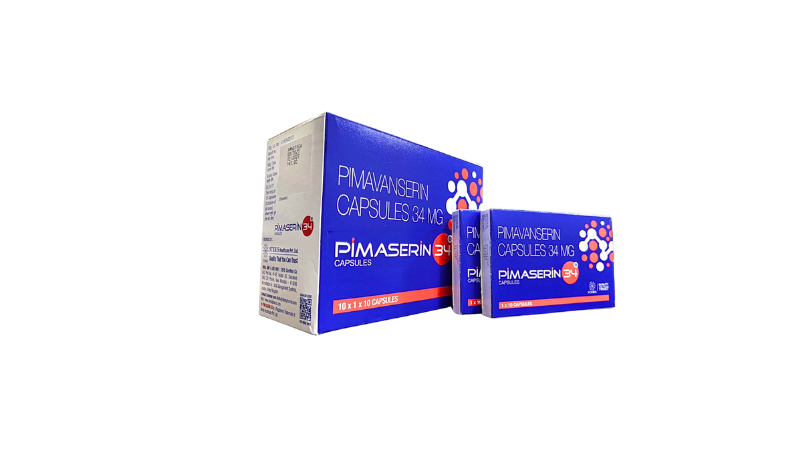
Pimavanserin 34 mg Capsules – Uses & Benefits
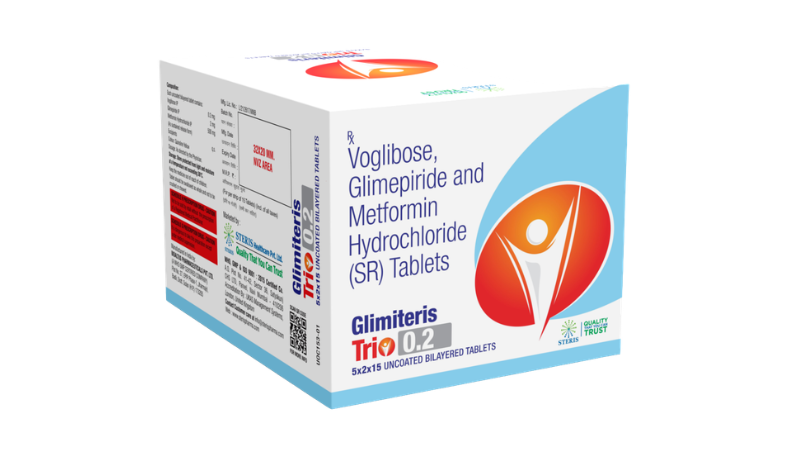
Voglibose, Glimepiride and Metformin: Uses, Benefits and Side Effects
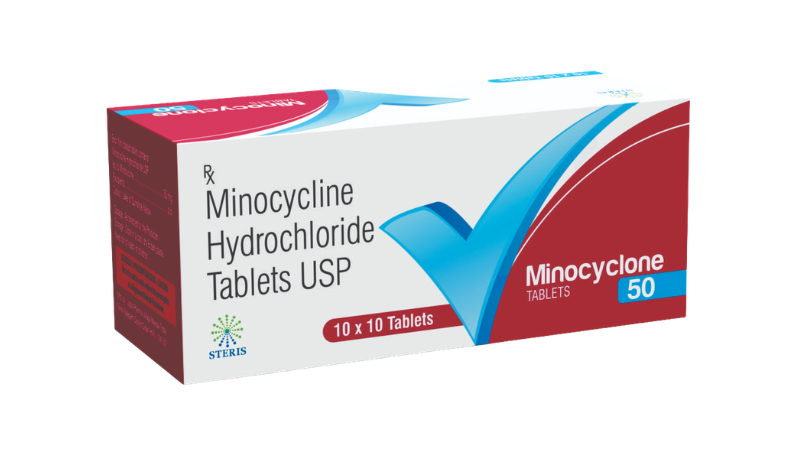
What Is Minocycline Hydrochloride Used For? A Complete Guide
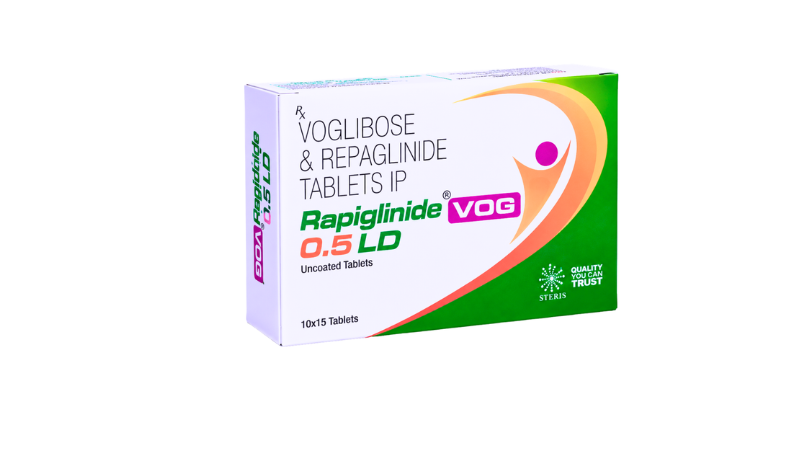
Voglibose and Repaglinide Tablets – Uses, Price & Buy Online in India
Amorphous Hydrogel with Colloidal Silver: Uses & Benefits
Donepezil Hydrochloride with Memantine Hydrochloride Uses, Benefits & Price in India
Amino Acid with Vitamin and Mineral Tablets Nutritional Support Explained
Fluticasone Furoate, Umeclidinium Bromide & Vilanterol Inhalation Powder