


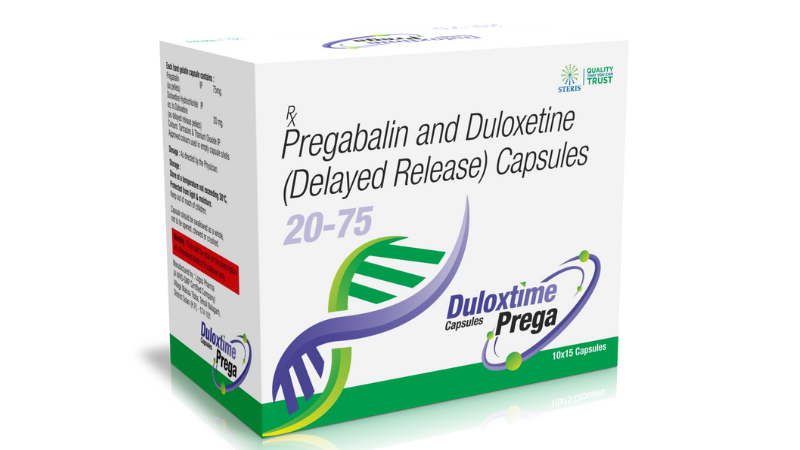



Pregabalin 75mg & Duloxetine 20mg .. . ..
Dec 07, 2023
Pain is supposed to be an alarm system. You touch a hot stove, your nerves send a signal, and you pull your hand away. The pain stops.
But for millions of people, that alarm system is broken. It rings constantly, loudly, and without a clear cause. This is the reality of Neuropathic Pain. It feels like burning, electric shocks, shooting needles, or a deep, aching cold. It keeps you awake at night, drains your energy, and steals your joy.
If you have been diagnosed with Diabetic Neuropathy, Fibromyalgia, or chronic nerve pain, you know that standard painkillers like Ibuprofen or Paracetamol often do nothing. That is because the problem isn't inflammation; the problem is your nerves themselves.
Enter DULOXTIME PREGA.
Formulated with a synergistic blend of Pregabalin (75 mg) and Duloxetine (20 mg), DULOXTIME PREGA is a dual-action medication designed to silence the false alarms in your nervous system.
In this comprehensive 3,000-word guide, we will explore why "two is better than one" when it comes to nerve pain, the science behind this specific composition, and how DULOXTIME PREGA can help you reclaim a life free from chronic suffering.
(Disclaimer: This article is for educational purposes only and does not constitute medical advice. Always follow the specific instructions of your physician.)
Part 1: What is DULOXTIME PREGA?
DULOXTIME PREGA is a prescription medication used for the management of neuropathic pain associated with diabetic peripheral neuropathy, fibromyalgia, and chronic musculoskeletal pain.
It is a Fixed-Dose Combination (FDC). This means it combines two different classes of drugs into a single capsule to attack pain from two different angles.
The Composition
- Pregabalin (75 mg):
- Class: Gabapentinoid / Anticonvulsant.
- Role: It calms down the over-excited nerves. Think of it as turning down the "volume knob" on pain signals.
- Duloxetine (20 mg):
- Class: SNRI (Serotonin-Norepinephrine Reuptake Inhibitor).
- Role: It acts as an antidepressant that also works on pain. It boosts the body's natural "pain-blocking" chemicals in the brain and spinal cord.
Why This Specific Ratio (75mg / 20mg)?
Pain management is a balancing act.
- 75mg Pregabalin: This is a standard, effective therapeutic dose for nerve stabilization without causing extreme sedation.
- 20mg Duloxetine: This is a gentle starting dose for an SNRI. High doses of Duloxetine can cause nausea or insomnia. By keeping the Duloxetine at 20mg and combining it with Pregabalin, DULOXTIME PREGA aims to maximize pain relief while minimizing side effects.
Part 2: The Science of Synergy: How It Works
Why combine two drugs? Why not just take one?
In chronic pain, the nervous system malfunctions in multiple places. Using one drug is like fighting a fire with only one hose. DULOXTIME PREGA uses two.
Mechanism A: Pregabalin (The "Damper")
Nerve cells communicate by sending electrical signals. They do this by opening "Calcium Channels." In neuropathic pain, these channels stay open too long, releasing too many neurotransmitters (pain messages).
- Pregabalin binds to a specific part of these channels (the alpha-2-delta subunit).
- It reduces the release of excitatory neurotransmitters (like glutamate).
- Result: The screaming nerve signals are quieted down.
Mechanism B: Duloxetine (The "Booster")
Your body has a natural descending pain-control system. The brain sends serotonin and norepinephrine down the spinal cord to say, "Stop feeling that pain." In chronic pain, this system is weak.
- Duloxetine stops your neurons from reabsorbing serotonin and norepinephrine.
- This increases the levels of these chemicals in the spinal cord.
- Result: The body's natural ability to block pain is strengthened.
The Synergistic Effect
Research shows that combining Pregabalin and Duloxetine can provide superior pain relief compared to monotherapy (using just one).
- Pregabalin works on the peripheral nerves (where the pain starts).
- Duloxetine works on the central nervous system (how the brain processes pain).
- DULOXTIME PREGA covers the entire pain pathway.
Part 3: What Does DULOXTIME PREGA Treat?
This medication is versatile and used for several difficult-to-treat conditions.
1. Diabetic Peripheral Neuropathy (DPN)
High blood sugar damages the tiny nerves in the hands and feet.
- Symptoms: Burning feet, tingling, numbness, or "walking on glass" sensation.
- How it helps: DULOXTIME PREGA is a first-line treatment choice. It reduces the burning sensation and helps patients sleep better.
2. Fibromyalgia
A chronic disorder characterized by widespread musculoskeletal pain, fatigue, and tenderness.
- The Mystery: In Fibromyalgia, the brain turns up the volume on all sensations. A gentle touch can feel painful (Allodynia).
- How it helps: Duloxetine addresses the mood and fatigue components, while Pregabalin reduces the widespread body pain and improves sleep quality.
3. Neuropathic Pain from Spinal Injury
Pinched nerves (radiculopathy) or sciatica can cause chronic shooting pains. DULOXTIME PREGA helps stabilize the nerve root irritation.
4. Chronic Anxiety with Pain
Chronic pain often causes anxiety, and anxiety lowers your pain threshold. It is a vicious cycle. Since Duloxetine is also an anti-anxiety medication, DULOXTIME PREGA treats both the physical pain and the emotional distress associated with it.
Part 4: The Dosage Strategy
DULOXTIME PREGA is designed for convenience and compliance.
- Frequency: Usually prescribed twice daily or once daily at night, depending on severity and doctor’s advice.
- Consistency: It must be taken at the same time every day. Unlike a headache pill, it does not work instantly. It needs to build up in your system.
- The "Titration" Period: You might not feel full relief on Day 1. It may take 1 to 2 weeks to feel the full benefits. Do not stop taking it because "it isn't working yet."
With or Without Food?
You can take DULOXTIME PREGA with or without food. However, taking it with a meal is often recommended to reduce the risk of nausea, which can occur due to the Duloxetine component.
Part 5: Side Effects and How to Manage Them
Transparency is key. Both Pregabalin and Duloxetine affect brain chemistry, so side effects are possible. Most are mild and fade as your body adjusts.
Common Side Effects
- Dizziness and Somnolence (Sleepiness): Caused by Pregabalin.
- Management: Be careful when standing up quickly. Do not drive until you know how the medicine affects you. This usually improves after the first few weeks.
- Dry Mouth: A common effect of Duloxetine.
- Management: Stay hydrated, chew sugar-free gum.
- Nausea: Caused by the serotonin increase.
- Management: Take the capsule with food.
- Weight Gain: Pregabalin can increase appetite in some people.
- Management: Be mindful of your calorie intake and maintain gentle activity.
Serious Side Effects (Rare)
- Mood Changes: If you notice worsening depression or suicidal thoughts (FDA warning for all antidepressants), contact your doctor immediately.
- Edema (Swelling): Swelling in the hands or feet.
- Blurred Vision.
The Withdrawal Warning
NEVER stop DULOXTIME PREGA cold turkey.
Stopping abruptly can cause "Discontinuation Syndrome."
- Symptoms: Nausea, headache, dizziness, "electric shock" sensations in the head (brain zaps), and irritability.
- The Right Way: Your doctor will gradually lower your dose over a few weeks.
Part 6: Lifestyle Integration: Enhancing the Effect
Medication is a bridge, not the destination. To get the best results from DULOXTIME PREGA, consider these lifestyle adjustments.
1. Vitamin B12 and Alpha-Lipoic Acid
For diabetic patients, supplementing with Methylcobalamin (B12) and Alpha-Lipoic Acid helps repair the nerve sheath while DULOXTIME PREGA manages the pain.
2. Gentle Movement
When you are in pain, you don't want to move. But inactivity makes stiffness worse.
- Try: Swimming, Tai Chi, or slow walking. These activities release endorphins without stressing the nerves.
3. Sleep Hygiene
Nerve pain is often worse at night.
- Establish a cool, dark sleep environment.
- DULOXTIME PREGA (specifically the Pregabalin component) often helps deepen sleep, which is crucial for nerve repair.
4. Foot Care (For Diabetics)
Since the medication might reduce pain sensation, you might not feel a cut or blister. Check your feet daily to prevent infection.
Part 7: Drug Interactions and Safety
DULOXTIME PREGA is a potent medication. It interacts with several other substances.
1. Alcohol
Avoid alcohol completely.
- Alcohol enhances the sedative effect of Pregabalin (making you dangerously drowsy).
- Alcohol can damage the liver. Since Duloxetine is processed by the liver, combining them increases the risk of liver toxicity.
2. Other Serotonergic Drugs
Do not take DULOXTIME PREGA with:
- Tramadol (painkiller).
- Triptans (migraine meds).
- St. John's Wort.
- MAO Inhibitors.
- Risk: This can lead to Serotonin Syndrome, a potentially life-threatening condition characterized by high fever, agitation, and muscle rigidity.
3. ACE Inhibitors (Blood Pressure)
Pregabalin can occasionally increase the risk of swelling (angioedema) if taken with certain blood pressure meds.
Conclusion: Turning Down the Volume on Pain
Chronic pain can make you feel like a prisoner in your own body. It limits what you do, where you go, and how you feel.
DULOXTIME PREGA (Pregabalin 75mg + Duloxetine 20mg) offers a key to unlock those chains.
By combining the nerve-calming power of Pregabalin with the pain-blocking strength of Duloxetine, this formulation offers a sophisticated, dual-action approach to pain management. It doesn't just mask the pain; it modifies how your body processes it.
Whether you are battling the burning of diabetic neuropathy or the widespread ache of fibromyalgia, DULOXTIME PREGA can help lower the volume of your pain, improve your sleep, and help you get back to being you.
Frequently Asked Questions (FAQ)
Q: Is DULOXTIME PREGA a steroid?
A: No. It contains no steroids. It acts on nerve chemicals (neurotransmitters).
Q: Is it addictive?
A: Pregabalin has a low potential for dependence, but it is not a narcotic like opioids. However, your body will become accustomed to it, which is why you must taper off slowly rather than quitting abruptly.
Q: Can I take it for back pain?
A: Yes, but only if the back pain is "neuropathic" (nerve-related), such as sciatica or chronic radiculopathy. It is not effective for simple muscle strains.
Q: How long does it take to work?
A: Some relief may be felt within a week, but full efficacy usually takes 2 to 4 weeks.
Q: Can I drive while taking it?
A: You should avoid driving when you first start the medication or increase the dose, as it can cause dizziness and slowed reaction times. Once you are stable and know how it affects you, you may be able to drive.
Recent Post

Nateglinide 60 mg: Uses, Benefits, Dosage, and Side Effects Explained

Why Doctors Recommend Ferric Pyrophosphate with Vitamin B12 and Folic Acid

Esomeprazole 20 mg Tablet: Uses, Benefits, Price and Side Effects Explained

Gabapentin 450 mg Sustained Release: Uses in Neuropathy and Seizure Disorders

What Is Glycopyrrolate, Formoterol & Budesonide Inhaler? Complete Guide for COPD Patients

Why Doctors Recommend Bacillus Clausii Spores Suspension for Gut Health

How Brimonidine Tartrate Eye Drops IP 0.2% w/v Help Lower Intraocular Pressure

Dorzolamide and Timolol Eye Drops IP: Effective Treatment for Glaucoma and Ocular Hypertension

Bethanechol Chloride Extended Release 75 mg Tablets: Uses, Dosage, and Side Effects

How Metoprolol 25 mg & Amlodipine 2.5 mg Tablets Help Control Hypertension