


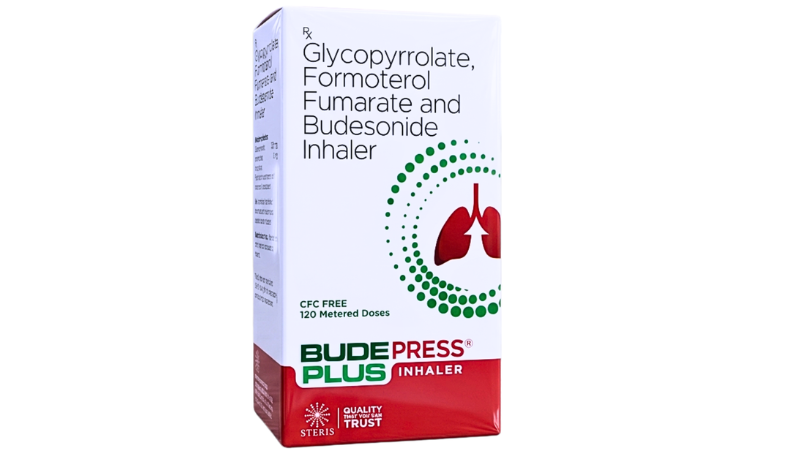



What Is Glycopyrrolate, Formoterol & Budesonide Inhaler? Complete Guide for COPD Patients
May 15, 2026
Managing chronic respiratory conditions requires a reliable, fast-acting, and deeply protective therapeutic approach. Budepress Plus Inh, formulated by Steris Healthcare, is a premier prescription medication designed to provide comprehensive control over obstructive airway diseases. At its core, this advanced inhaler utilizes a dual-action mechanism featuring a Budesonide Inhaler framework combined with a long-acting beta-agonist to address both the underlying inflammation and acute bronchoconstriction that restrict breathing.
If you struggle with persistent coughing, chest tightness, wheezing, or frequent breathlessness, understanding what this medication does is your first step toward reclaimed vitality. Budepress Plus Inh is primarily prescribed for the long-term management and maintenance of bronchial asthma and Chronic Obstructive Pulmonary Disease (COPD). Rather than simply masking your respiratory symptoms temporarily, it alters the cellular and structural environment of your lungs to prevent episodes from triggering in the first place, ensuring your airways remain dilated and free of excessive mucus.
Why its important
When an individual suffers from chronic airway inflammation, the respiratory passages are perpetually sensitive. Minor environmental triggers—such as dust, pollen, cold air, physical exertion, or minor viral infections—can instantly set off a cascade of swelling, smooth muscle spasms, and thick mucus production. This severe narrowing makes it incredibly difficult to exhale, leading to the terrifying sensation of air trapping.
Using a high-quality maintenance medication like Budepress Plus Inh from Steris Healthcare is critical because it breaks this cycle of hypersensitivity.
-
Preventing Irreversible Airway Remodeling: Years of unmanaged asthma or COPD cause the walls of the lungs to fibrose (scar) and thicken. Consistent application of a Budesonide Inhaler suppresses this chronic injury-and-repair cycle, preserving long-term lung elasticity and capacity.
-
Reducing Emergency Interventions: Patients who strictly adhere to their controller inhalers experience drastically fewer sudden flare-ups, translating directly to a decreased reliance on systemic oral steroids, fewer emergency room visits, and lower hospitalization rates.
-
Stabilizing Daily Rhythms: Severe respiratory distress often peaks during the early morning hours due to natural circadian drops in your body’s cortisol levels. This medication stabilizes airway responsiveness across a full 24-hour cycle, protecting your sleep and daily productivity.
Key Benefits of Budepress Plus Inh
Steris Healthcare’s Budepress Plus Inh represents a major technological leap forward in respiratory drug delivery. By matching a potent inhaled corticosteroid with a rapid-onset, long-acting bronchodilator (Formoterol Fumarate), it provides immediate clinical relief alongside long-term structural protection.
+----------------------------------------------------------------------------+
|                        BUDEPRESS PLUS INH DUAL-ACTION                      |
+------------------------------------+---------------------------------------+
|  1. BUDESONIDE INHALER COMPONENT   |   2. FORMOTEROL FUMARATE COMPONENT   |
|  - Targets deep cellular swelling   |   - Relaxes smooth muscle tissues     |
|  - Minimizes daily mucus output    |   - Dilates pathways in 1-3 minutes   |
|  - Lowers systemic side effects    |   - Provides sustained 12-hour relief |
+------------------------------------+---------------------------------------+
What are the benefits
-
Rapid Bronchodilation with Prolonged Action: Unlike traditional maintenance treatments that take hours to show a noticeable effect, the inclusion of formoterol fumarate and budesonide means your airways start to widen within 1 to 3 minutes of inhalation, while maintaining that wide-open state for up to 12 hours.
-
Targeted, Localized Drug Delivery: Because it is delivered via an inhaler directly into the lungs, a highly concentrated dose reaches the compromised tissues immediately. This minimizes the volume of medication entering your bloodstream, drastically reducing the risk of systemic side effects typical of oral steroid tablets.
-
Synergistic Efficacy: Clinical studies show that corticosteroids and long-acting beta-agonists work better together than apart. Budesonide actually increases the density and sensitivity of beta-receptors on your airway cells, making the Formoterol component even more effective over extended periods.
-
Marked Reduction in Mucus Production: Hypersecretion of mucus is a hallmark of severe COPD and persistent asthma. Budesonide downregulates the genes responsible for goblet cell hyperplasia, keeping your airways dry, clear, and easy to breathe through.
Mechanism of Action and Composition
To truly appreciate the clinical power of Budepress Plus Inh, we must break down its molecular composition and how it interacts with human respiratory tissue.
Active Composition
Each metered dose of Budepress Plus Inh contains a precisely engineered combination:
-
Budesonide IP: A potent non-halogenated glucocorticoid with high local anti-inflammatory activity.
-
Formoterol Fumarate Dihydrate IP: A selective, long-acting $\beta_2$-adrenergic receptor agonist (LABA).
The Cellular Mechanism of Action
When you actuate the inhaler, the micronized drug particles travel down your trachea into the bronchioles.
-
The Anti-Inflammatory Pathway (Budesonide): Budesonide diffuses easily across the cell membranes of airway inflammatory cells and binds with high affinity to cytoplasmic glucocorticoid receptors. This complex moves into the nucleus, binding to specific DNA sequences to inhibit the transcription of inflammatory genes (like NF-$\kappa$B) and block the production of pro-inflammatory cytokines, interleukins, and chemokines. It also stabilizes lysosomal membranes, preventing the release of destructive enzymes.
-
The Smooth Muscle Relaxation Pathway (Formoterol Fumarate): Concurrently, Formoterol molecules bind selectively to $\beta_2$-adrenergic receptors lining the smooth muscle tissues of the lungs. This binding stimulates an enzyme called adenyl cyclase, which rapidly converts adenosine triphosphate (ATP) into cyclic adenosine monophosphate (cAMP).
-
The Resulting Airway Opening: Rising intracellular cAMP levels activate protein kinase A, which decreases intracellular calcium ions and triggers immediate, deep relaxation of the bronchial smooth muscles, completely reversing bronchospasm.
Indications, Efficacy, and Clinical Evidence
Indications
Budepress Plus Inh is indicated for the regular treatment of:
-
Asthma: Where the use of a combination product (bronchodilator and corticosteroid) is clinically deemed appropriate.
-
Chronic Obstructive Pulmonary Disease (COPD): Including chronic bronchitis and emphysema, particularly in patients with a history of repeated exacerbations despite regular monotherapy bronchodilator treatment.
Efficacy & Clinical Evidence
Extensive global clinical trials focusing on formoterol fumarate and budesonide inhalation demonstrate a clear clinical superiority over single-agent regimens. In large-scale, double-blind randomized trials, patients using this specific combination showed a 40% to 50% reduction in moderate-to-severe respiratory exacerbations.
Pulmonary function tests (PFTs), specifically measuring Forced Expiratory Volume in 1 second ($FEV_1$), consistently reveal sustained improvements within the first week of initiating therapy. Furthermore, clinical evidence confirms that using this combination significantly lowers the daily requirement for short-acting rescue inhalers (like salbutamol), proving that the underlying disease is better controlled.
Side Effects of Budepress Plus Inh
While Budepress Plus Inh is exceptionally safe because it focuses its activity directly in the lungs, it is a potent clinical formulation. Some patients may experience minor, manageable side effects as their bodies adapt to the medicine.
Common Side Effects
-
Mild Throat Irritation & Hoarseness (Dysphonia): Occurs due to localized deposition of powder particles on the vocal cords.
-
Palpitations & Mild Hand Tremors: A known, temporary effect of the $\beta_2$-agonist component stimulating muscle and cardiac receptors. This usually fades within a few days of consistent use.
-
Headaches or Nasal Congestion: Occasional mild, transient neurovascular changes.
Serious Side Effects Of Budepress Plus Inh
Though rare, you should seek immediate medical evaluation if you notice any of the following symptoms:
[!WARNING]
Paradoxical Bronchospasm: An unexpected, sudden tightening of the airways immediately after inhaling the dose. If you experience sudden, severe wheezing right after use, stop using the inhaler immediately and use a fast-acting rescue inhaler.
Oropharyngeal Candidiasis (Oral Thrush): A localized fungal infection appearing as white patches on your tongue or inner cheeks. This happens if the steroid suppresses local immune responses in the mouth. It is easily treated with antifungal drops and entirely preventable by rinsing your mouth thoroughly after every use.
Systemic Corticosteroid Effects: Signs of adrenal suppression, bone density depletion, or ocular changes (such as glaucoma or cataracts) if used at abnormally high doses for many years.
Cardiac Arrhythmias: Hypokalemia (low blood potassium) or prolonged QT interval, marked by severe dizziness or a rapid, irregular heartbeat.
Available Substitute For Budepress Plus Inh
If your medical provider needs to adjust your prescription or if there are specific supply line preferences, there are multiple trusted alternatives in the market utilizing identical or highly therapeutic parallel compositions. However, you should never switch brands without consulting your doctor.
-
Budetrol Inhaler: A popular alternative formulation containing the same active ingredients.
-
Foracort Inhaler: A widely recognized combination of formoterol and budesonide.
-
Symbicort: The global innovator brand containing the formoterol fumarate and budesonide powder for inhalation ip structure.
-
Budesonide Respules & Nebulizers: For patients who struggle with standard hand-held inhalers due to age or reduced lung capacity, alternate formats like a budesonide nebulizer or budesonide nebuliser suspension bp are available. Brands like Budecort Respules provide standard liquid formats for machine-driven inhalation.
Dosage Guidelines For Budepress Plus Inh
Dosage must always be tailored strictly by a licensed medical provider based on the clinical severity of your asthma or COPD.
-
Standard Adult Maintenance Dose (Asthma): Typically 1 to 2 inhalations twice daily (morning and evening).
-
COPD Maintenance Dose: Generally 2 inhalations twice daily to ensure open airways through changing weather and daily physical tasks.
-
Maximum Daily Limits: Never exceed the total daily dosage recommended by your pulmonologist, as overusing the medicine can overstimulate cardiac receptors.
Steps for Correct Inhaler Use
To ensure the medication travels deep into your lungs rather than sticking to the back of your mouth, follow these steps carefully:
-
Shake the inhaler vigorously for 5 seconds before removing the cap.
-
Breathe out completely through your mouth, emptying your lungs as much as possible.
-
Place the mouthpiece firmly between your lips, creating a tight seal.
-
Start breathing in slowly and deeply, then press the top of the canister down firmly once to release the medication.
-
Continue breathing in slowly for another 3 to 5 seconds to draw the medicine down into your lungs.
-
Hold your breath for up to 10 seconds to allow the drug particles to settle on the tissue.
-
Crucial Step: Always rinse your mouth thoroughly with warm water and spit it out after you finish. Do not swallow this water.
Precautions & Warnings
Before incorporating Budepress Plus Inh into your morning and evening routines, carefully review these safety parameters with your healthcare provider:
-
Cardiovascular Diseases: Use with caution if you have a history of high blood pressure, coronary artery disease, heart rhythm disorders, or aneurysms, as the beta-agonist component can subtly raise heart rates.
-
Endocrine System Status: Patients with diabetes must monitor blood glucose levels closely when starting therapy. Corticosteroids can occasionally promote hepatic glucose production.
-
Infections: If you have active pulmonary tuberculosis, fungal infections, or severe viral infections, inform your physician. Corticosteroids can naturally modulate local immune defense pathways.
-
Pregnancy and Lactation: If you are expecting or breastfeeding, consult your doctor. They will evaluate whether the clear clinical benefits of keeping your breathing stable outweigh any minor risks to your baby.
Conclusion
Budepress Plus Inh by Steris Healthcare stands as a highly dependable option for managing asthma and COPD. By pairing the long-term anti-inflammatory protection of a Budesonide Inhaler with the rapid, reliable relief of Formoterol Fumarate, it gives you a comprehensive way to keep your airways clear and functioning comfortably.
Taking charge of your lung health requires using your medication consistently, mastering your inhalation technique, and staying in close communication with your doctor. With a proper maintenance routine built around Budepress Plus Inh, you can worry less about sudden flare-ups and get back to enjoying a full, active life.
Frequently Asked Questions
A Budesonide Inhaler is an everyday maintenance medication prescribed to manage and prevent symptoms of chronic respiratory conditions like bronchial asthma and COPD. It works locally within the lungs to reduce tissue swelling, lower mucus production, and prevent airways from overreacting to daily irritants.
2. Is budesonide a steroid?
Yes, budesonide is a potent corticosteroid (glucocorticoid). However, it is fundamentally different from anabolic steroids used for muscle building. Inhaled budesonide targets inflammation locally inside the lungs, allowing you to use a minimal dose while avoiding most of the side effects of oral steroid pills.
3. What is the difference between salbutamol and budesonide?
Salbutamol is a short-acting rescue inhaler designed to quickly relax tight airway muscles during a sudden asthma attack. Budesonide is a long-term controller steroid that reduces the underlying swelling over time. Salbutamol fixes immediate breathlessness, while budesonide prevents attacks from happening in the first place.
4. Does budesonide stop coughing?
Yes, it effectively stops chronic coughing when that cough is caused by underlying airway swelling, hyper-reactive asthma, or COPD. Because it reduces tissue irritation and mucus production inside your lungs, it calms the chronic hyper-responsiveness that triggers persistent coughing fits.
5. Can I combine budesonide and salbutamol?
Yes. In fact, doctors frequently prescribe them together. Budesonide works as your daily morning and evening controller medication to keep swelling down, while Salbutamol stays with you as a fast-acting rescue inhaler to use if you experience a sudden, unexpected flare-up.
6. Which inhaler is best for shortness of breath?
For sudden, acute shortness of breath, a fast-acting rescue inhaler like Salbutamol provides the quickest relief. For long-term, daily protection against shortness of breath, a combination maintenance inhaler like Budepress Plus Inh is exceptionally effective because it combines an immediate bronchodilator with an anti-inflammatory steroid.
7. What does "budesonide nebuliser suspension bp uses" mean in everyday terms?
This refers to a liquid form of budesonide packaged in sterile plastic ampoules (often called budesonide respules). It is designed to be poured into a medical nebulizer machine, which turns the liquid into a fine mist. This format is ideal for young children, elderly individuals, or anyone during a severe flare-up who struggles to coordinate a standard hand-held inhaler.
8. What are the common uses of budesonide respules in Hindi?
आम भाषा में कहें तो budesonide nebuliser suspension bp uses in hindi का मुख्य उपयोग अस्थमा (Asthma) और सीओपीडी (COPD) के कारण सांस लेने में होने वाली तकलीफ को दूर करने के लिए किया जाता है। यह फेफड़ों की सूजन और बलगम को कम करता है, जिससे सांस की नली खुल जाती है और मरीज को सांस लेने में आसानी होती है। इसे नेबुलाइजर मशीन के जरिए भाप के रूप में लिया जाता है।
9. Why must I rinse my mouth after using Budepress Plus Inh?
Rinsing and spitting with water removes residual steroid particles left behind in your mouth and throat. If left in place, these particles can cause local voice hoarseness or lead to oral thrush, a simple but uncomfortable fungal infection.
10. How quickly does formoterol fumarate and budesonide start working?
Thanks to the Formoterol component, your airways begin to relax and open up within 1 to 3 minutes of taking a puff. Meanwhile, the Budesonide component builds up over a few weeks of consistent use to provide long-term protection against daily swelling.
11. Is Budepress Plus Inh safe to use every single day?
Yes, it is explicitly designed for daily, long-term use. Skipping doses when you feel well allows hidden tissue inflammation to build back up. Consistent, daily use keeps your lungs stabilized and protected against unexpected environmental triggers.
12. Can a budesonide inhaler cause high blood pressure?
Because it is inhaled directly into the lungs, very little medication enters the general bloodstream, making significant blood pressure changes unlikely. However, the bronchodilator component (Formoterol) can occasionally cause temporary heart palpitations or a mild pulse increase in sensitive individuals.
13. What should I do if I accidentally miss a dose?
Take your missed dose as soon as you remember. However, if it is nearly time for your next scheduled dose, skip the missed one entirely and return to your normal routine. Never take a double dose to make up for a missed one.
14. Does long-term use of budesonide weaken your immune system?
Inhaled budesonide works locally in your airways, so it does not suppress your body's overall immune system the way oral steroid tablets can. It may slightly modify immune responses right on the surface of your throat tissue, which is why keeping up with your post-use mouth rinsing is so important.
15. Can I stop using Budepress Plus Inh as soon as my breathing feels completely normal?
No, you should never stop using your maintenance inhaler suddenly without consulting your doctor. Feeling normal means the medication is successfully doing its job. Stopping abruptly can cause your airway inflammation to return, putting you at risk for a severe rebound asthma attack or COPD flare-up.
For Further More Information:
Mail Us: contact@sterispharma.com or info@sterispharma.com
Call Now: +918824175417, +919982524671
Recent Post

Semaglutide Injection 2mg/3ml (SAMIGLUTIDE) – Uses, Benefits, Dosage & Side Effects

L-Glutathione, Vitamin C & Alpha Lipoic Acid Tablets: Uses, Benefits & Side Effects

Vitamin A, D & Calcium Chloride: Uses, Benefits & Safety Information

How Does Vitamin C Face Serum Benefit Your Skin?

Minoxidil & Finasteride Topical Solution: How Does It Work?

Minoxidil Gel: Uses, Side Effects & Important Precautions
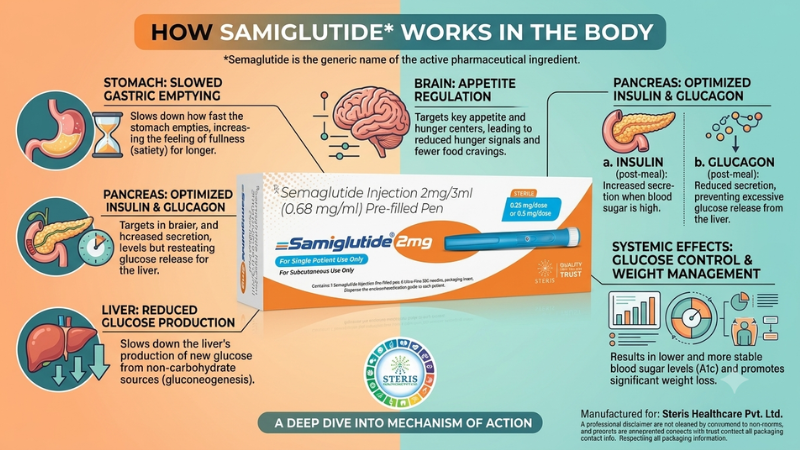
What Does Semaglutide Do to Your Body? Benefits & Risks
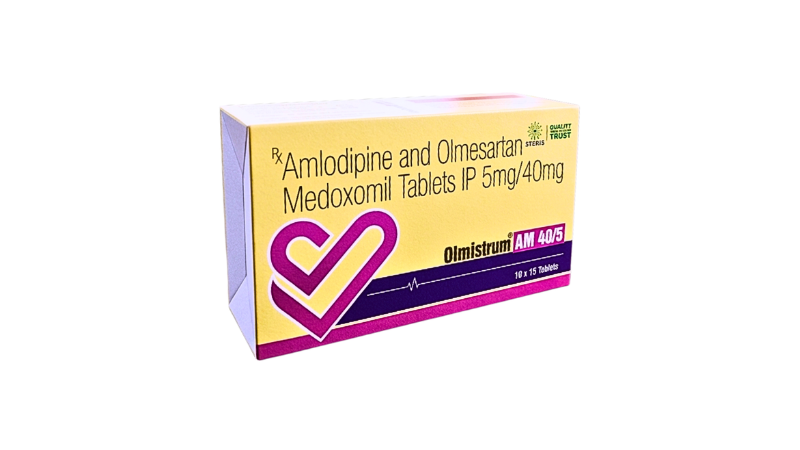
Amlodipine 5 mg + Olmesartan 40 mg: Benefits, Dosage & Precautions
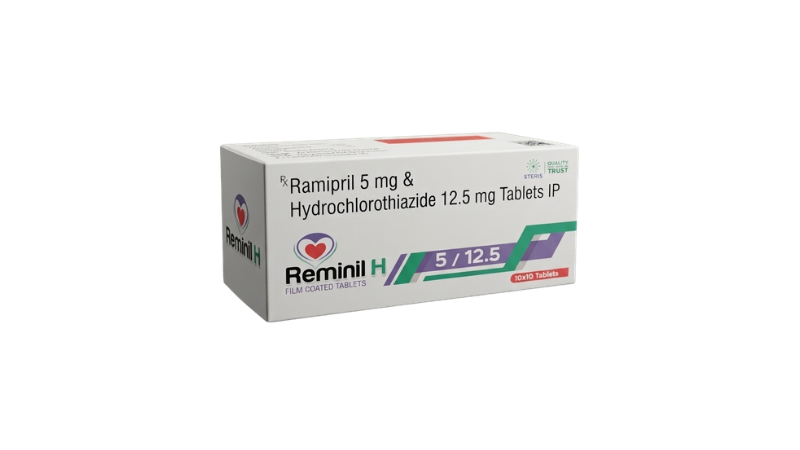
Ramipril 2.5 mg and Hydrochlorothiazide 12.5 mg: Uses, Benefits & Dosage
Atorvastatin 5 mg क्या है? जानें उपयोग, फायदे और साइड इफेक्ट्स

