





Mycophenolate mofetil (250mg)
May 03, 2023
In the realm of modern medicine, the ability to modulate the immune system has changed the course of life for thousands of patients. Whether it is preventing the rejection of a life-saving organ or managing a complex autoimmune condition, immunosuppressants are the unsung heroes of clinical pharmacology.
Among these vital medications is MYCOPLASM M 250. Containing the active ingredient Mycophenolate Mofetil (250mg), this medication is a cornerstone in transplant medicine and rheumatology. In this exhaustive guide, we will explore the science, the applications, and the essential safety protocols for MYCOPLASM M 250.
1. What is MYCOPLASM M 250?
MYCOPLASM M 250 is a potent immunosuppressive agent. The "250" refers to the dosage of 250mg per capsule or tablet, which allows for precise titration of the drug based on a patient’s specific needs.
The Composition: Mycophenolate Mofetil
The active pharmaceutical ingredient (API), Mycophenolate Mofetil (MMF), is a "prodrug." This means that when you swallow the tablet, it is inactive until it is converted by the liver into Mycophenolic Acid (MPA). MPA is the active form that actually performs the work of suppressing the immune system.
2. Mechanism of Action: How Does It Work?
To understand how MYCOPLASM M 250 works, we have to look at how the body’s defense system—specifically T-cells and B-cells (lymphocytes)—replicates.
The De Novo Pathway
Most cells in the human body can create the "building blocks" of DNA (purines) through two different pathways. However, T and B lymphocytes are unique; they rely almost exclusively on the de novo synthesis pathway to produce guanosine nucleotides.
MYCOPLASM M 250 works by inhibiting an enzyme called Inosine Monophosphate Dehydrogenase (IMPDH). By blocking this enzyme:
- The lymphocytes cannot produce the DNA they need to multiply.
- The immune response is "blunted" or slowed down.
- Because other cells in the body can use an alternative "salvage pathway" to create DNA, Mycophenolate Mofetil is more selective for the immune system, leading to fewer side effects compared to older, broader chemotherapy drugs.
3. Primary Uses of MYCOPLASM M 250
A. Organ Transplant Rejection Prophylaxis
The most common use for MYCOPLASM M 250 is in patients who have received an organ transplant. The body’s natural instinct is to attack a foreign organ. MYCOPLASM M 250 is typically used in a "triple therapy" regimen alongside:
- A Corticosteroid (like Prednisone).
- A Calcineurin Inhibitor (like Cyclosporine or Tacrolimus).
It is used in:
- Kidney Transplants: To prevent acute and chronic rejection.
- Heart Transplants: Improving long-term survival rates.
- Liver Transplants: Managing the immune balance post-surgery.
B. Autoimmune and Inflammatory Diseases (Off-Label)
Because of its efficacy in controlling lymphocytes, many specialists prescribe MYCOPLASM M 250 for conditions where the immune system attacks the body's own tissues:
- Lupus Nephritis: A serious complication of Systemic Lupus Erythematosus (SLE) affecting the kidneys.
- Rheumatoid Arthritis: When standard DMARDs (Disease-Modifying Anti-Rheumatic Drugs) fail.
- Dermatomyositis and Polymyositis: Inflammatory muscle diseases.
- Scleroderma: Particularly for associated lung disease.
4. Dosage and Administration of MYCOPLASM M 250
The 250mg strength of MYCOPLASM M 250 is designed for flexibility. Doctors often start with a lower dose and "titrate" upwards to minimize gastrointestinal discomfort.
- Standard Adult Dose for Transplants: Usually ranges from 1g to 1.5g twice daily (meaning 4 to 6 tablets of MYCOPLASM M 250 every 12 hours).
- Empty Stomach vs. Food: For the most consistent absorption, it is generally recommended to take MYCOPLASM M 250 on an empty stomach (1 hour before or 2 hours after a meal). However, if stomach upset is severe, your doctor may allow you to take it with food.
- Consistency is Key: You must take the medication at the same time every day to maintain steady levels in your blood.
5. Potential Side Effects
While MYCOPLASM M 250 is highly effective, it does require careful monitoring.
Common Side Effects:
- Gastrointestinal Distress: Diarrhea, nausea, vomiting, and stomach cramps are the most common issues.
- Hematologic Changes: Because it affects cell division, it can lower blood counts (Anemia, Leukopenia, and Thrombocytopenia).
- Infections: Because the immune system is suppressed, patients are more susceptible to UTIs, respiratory infections, and "opportunistic" infections like CMV (Cytomegalovirus).
Serious Side Effects:
- Increased Risk of Malignancy: Long-term use of immunosuppressants can increase the risk of developing lymphomas and skin cancers.
- Pure Red Cell Aplasia (PRCA): A very rare condition where the body stops making red blood cells.
6. Critical Warnings and Precautions
The Pregnancy Warning (Boxed Warning)
MYCOPLASM M 250 carries a severe warning regarding pregnancy. Mycophenolate mofetil is a known teratogen.
- First Trimester Risks: Exposure during pregnancy increases the risk of first-trimester pregnancy loss and severe congenital malformations (ear, limb, and facial deformities).
- The REMS Program: In many countries, patients must participate in a Risk Evaluation and Mitigation Strategy.
- Contraception: Women of childbearing age must use two forms of effective contraception simultaneously for at least 4 weeks before starting, during the treatment, and for 6 weeks after stopping the medication.
Skin Cancer Protection
Because the medication reduces the body’s ability to destroy precancerous skin cells, patients on MYCOPLASM M 250 should:
- Limit exposure to sunlight and UV rays.
- Wear high-SPF sunscreen daily.
- Wear protective clothing and hats.
7. Drug Interactions: What to Watch For
MYCOPLASM M 250 interacts with several other medications:
- Antacids and Proton Pump Inhibitors (PPIs): Drugs like Magnesium/Aluminum hydroxide or Omeprazole can significantly reduce the absorption of Mycophenolate.
- Acyclovir/Valacyclovir: Competition for renal excretion can increase the levels of both drugs.
- Cholestyramine: This cholesterol drug can bind to Mycophenolate in the gut and prevent it from being absorbed.
- Live Vaccines: You should avoid live vaccines (like the FluMist, MMR, or Yellow Fever vaccine) while on MYCOPLASM M 250, as the vaccine virus could cause a full-blown infection.
8. Lifestyle Management While Taking MYCOPLASM M 250
Living with a suppressed immune system requires a few adjustments:
- Hand Hygiene: Frequent handwashing is your first line of defense against infection.
- Food Safety: Avoid raw or undercooked meats, unpasteurized dairy, and "buffet-style" dining where foodborne illnesses are more common.
- Regular Blood Tests: You will need frequent "CBC" (Complete Blood Count) tests to ensure your white blood cell levels haven't dropped too low.
- Dental Care: Inform your dentist that you are on an immunosuppressant before any procedure, as you may need prophylactic antibiotics.
9. Conclusion: The Importance of MYCOPLASM M 250
MYCOPLASM M 250 (Mycophenolate Mofetil 250mg) is a sophisticated medical tool that offers a second chance at life for many. By precisely targeting the cells responsible for organ rejection and autoimmune attacks, it provides a level of control that was once thought impossible.
Success with MYCOPLASM M 250 comes down to three things: Consistency, Monitoring, and Communication. By working closely with your medical team and adhering to the safety protocols—especially regarding pregnancy and infection prevention—you can manage your health effectively and live a full, active life.
Frequently Asked Questions
Q1: Can I stop taking MYCOPLASM M 250 if I feel fine?
Absolutely not. In transplant patients, stopping this medication—even for a few days—can trigger an irreversible rejection episode. Always consult your transplant team or rheumatologist before making any changes.
Q2: What should I do if I miss a dose?
If it is within a few hours of your scheduled time, take it. If it is almost time for your next dose, skip the missed one. Never double the dose.
Q3: Is MYCOPLASM M 250 a steroid?
No. While it is often prescribed with steroids, MYCOPLASM M 250 is an antimetabolite immunosuppressant. It works differently and does not carry the same side effects as long-term steroid use (like weight gain or bone loss).
Q4: How long do I need to take this medication?
For transplant patients, this is usually a lifelong medication. For those with autoimmune conditions, the duration depends on the disease's "remission" status.
| Composition | Brand Name |
| mycophenolate sodium 360 mg |
MYCOPLASM S 360 |
|
MYCOPLASM M 500 |
Recent Post
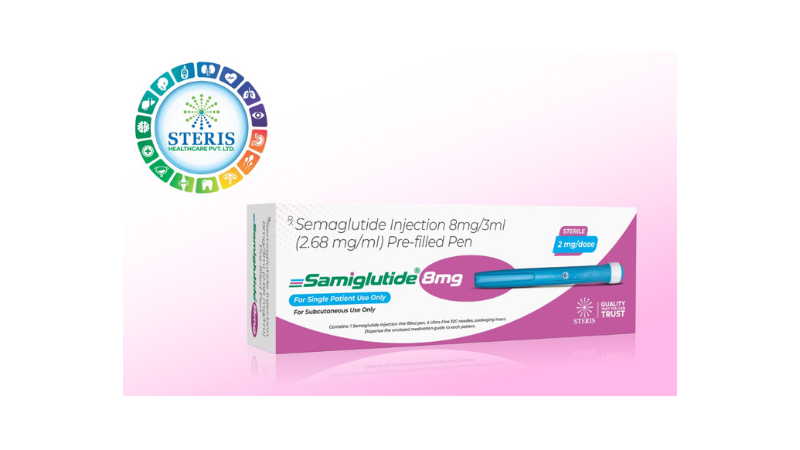
Semaglutide 8mg Injection: Frequently Asked Questions Answered by Experts
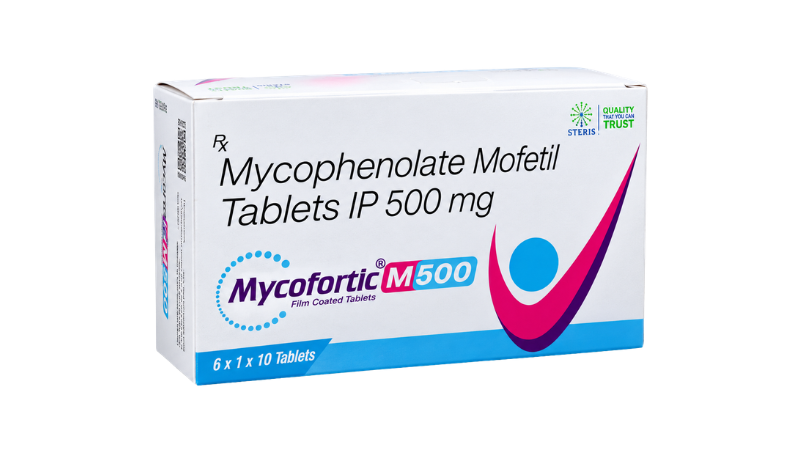
Mycophenolate Mofetil 500mg (Mycofortic M 500): Uses, Benefits & Precautions – Complete Guide
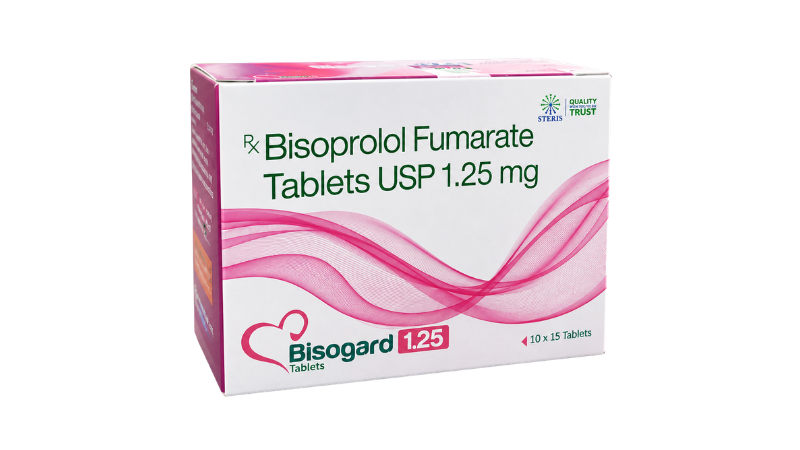
What is Bisogard 1.25? Bisoprolol 1.25mg Uses, Dosage & Side Effects Explained

Can Semaglutide Injection Be Used Without Diabetes?
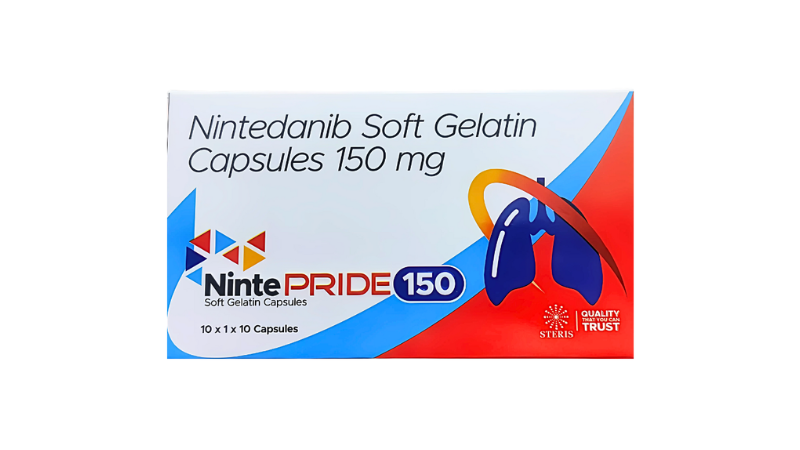
What Are Nintedanib Soft Gelatin Capsules Used For? Complete Guide

Where to Buy Semaglutide Injection in India: Price, Pen & Prescription Guide
ERITOCOX BENZ 60/5 Dosage Guide: How to Take Etoricoxib & Cyclobenzaprine Tablets Safely
Gabapentin and Methylcobalamin Tablets Side Effects: What Patients Should Know
Thyroxine sodium tablets IP: उपयोग, फायदे और साइड इफेक्ट्स
Semaglutide 2 mg Injection Dosage Guide: How to Use It Safely