





Metoprolol Succinate Prolonged Release and Amlodipine Tablets IP: Buy Now From Steris.
Jun 08, 2026
Metaprolate R 50 Available By Steris Healthcare, More than 220 million Indians live with hypertension — yet fewer than 15% achieve optimal blood pressure control on monotherapy alone (ICMR, 2023). For cardiologists, physicians, and pharmaceutical buyers seeking a scientifically validated, patient-compliant solution, Metoprolol Succinate Prolonged Release and Amlodipine Tablets IP represents one of the most clinically proven fixed-dose combinations (FDC) in cardiovascular medicine today.
Patients on two separate tablets face pill fatigue, missed doses, and suboptimal BP control. An FDC eliminates this barrier entirely — combining two complementary mechanisms into a single, once-daily prolonged-release tablet.
In this complete product description, you will discover the pharmacological profile, clinical evidence, approved indications, dosage guidelines, and third-party manufacturing options for Metoprolol Succinate Prolonged Release and Amlodipine Tablets IP — without wading through fragmented drug databases.
Steris Healthcare Private Limited is a Jaipur-based WHO-GMP certified pharmaceutical company specialising in branded formulations and third-party contract manufacturing of cardiovascular, diabetic, and nutraceutical products for the Indian market and institutional buyers.
What Is Metoprolol Succinate Prolonged Release and Amlodipine Tablets IP?
Metoprolol Succinate Prolonged Release and Amlodipine Tablets IP is a fixed-dose combination (FDC) antihypertensive formulation approved under the Indian Pharmacopoeia (IP) standard. It pairs a cardioselective beta-1 adrenergic blocker with a long-acting calcium channel blocker (CCB) to deliver dual-pathway blood pressure reduction in a single prolonged-release tablet.
Composition & Standard Strengths
The standard formulation available from Steris Healthcare is:
• Metoprolol Succinate SR — 50 mg (prolonged-release core)
• Amlodipine Besylate IP — equivalent to Amlodipine 5 mg
Higher-strength variants (Metoprolol Succinate 25 mg + Amlodipine 5 mg, and Metoprolol Succinate 100 mg + Amlodipine 5 mg) are also manufactured based on institutional orders, subject to regulatory approval of the combination strength.
IP Standard Compliance
The term 'IP' (Indian Pharmacopoeia) confirms that the formulation adheres to quality, purity, and dissolution standards set by the Indian Pharmacopoeia Commission (IPC). Each batch must pass dissolution testing for both active pharmaceutical ingredients (APIs), ensuring the prolonged-release layer delivers metoprolol succinate steadily over 24 hours, while amlodipine is released in the immediate layer.
How Does Metoprolol Succinate Prolonged Release and Amlodipine Work?
Understanding the dual mechanism is essential for clinicians choosing between monotherapy and FDC therapy. The two components act on distinct cardiovascular pathways — and their combination produces an additive, synergistic antihypertensive effect.
Metoprolol Succinate SR — Beta-1 Blockade
Metoprolol Succinate acts on beta-1 adrenergic receptors in the heart. By competitively blocking catecholamine binding (norepinephrine, epinephrine), it reduces:
• Heart rate (negative chronotropy)
• Myocardial contractility (negative inotropy)
• AV node conduction velocity
• Renin secretion from juxtaglomerular cells
The succinate salt form, combined with the prolonged-release matrix, ensures a flat plasma concentration curve — avoiding peak-trough fluctuations seen with tartrate immediate-release formulations. This translates into consistent 24-hour heart rate and blood pressure control.
Amlodipine — Peripheral Vasodilation
Amlodipine blocks L-type voltage-gated calcium channels in vascular smooth muscle cells. This prevents calcium-mediated vasoconstriction, leading to:
• Peripheral arterial vasodilation
• Reduction in systemic vascular resistance (SVR)
• Decrease in afterload on the left ventricle
• Modest reflex tachycardia (counteracted by metoprolol in this FDC)
Clinically, the combination is particularly beneficial because metoprolol suppresses the reflex tachycardia that amlodipine can trigger — making the FDC haemodynamically superior to amlodipine monotherapy in patients with high resting heart rates.
Approved Indications: Who Should Be Prescribed This FDC Tablet?
The combination of Metoprolol Succinate SR and Amlodipine is indicated across a broad spectrum of cardiovascular disorders, making it one of the most versatile FDC antihypertensives in the Indian market.
Primary Indications
• Essential hypertension (systolic and diastolic) — adults and elderly
• Hypertension with stable angina pectoris
• Hypertension with concomitant tachyarrhythmia or fast heart rate
• Add-on therapy when single-drug BP control is insufficient
• Post-myocardial infarction hypertensive patients requiring beta blockade
Why FDC Over Two Separate Tablets?
Clinical data consistently supports FDC use for improved adherence. A landmark meta-analysis by Gupta et al. (ESC Journal, 2022) found that patients on single-pill FDC antihypertensives had a 33% higher medication adherence rate at 12 months compared to those on free-equivalent combinations. This adherence differential translates into measurably better BP control, fewer CV events, and reduced hospitalisations — a compelling case for both prescribers and institutional buyers.
Product Comparison: Metoprolol + Amlodipine FDC vs Individual Agents
The table below summarises the pharmacological and clinical differences between the individual drugs and the combination IP formulation — useful for prescribers, medical representatives, and procurement officers comparing product options.
|
Feature |
Metoprolol Succinate SR 50mg |
Amlodipine 5mg |
Combination Tablet IP |
|
Drug Class |
Beta-1 Blocker |
CCB (Dihydropyridine) |
Dual-action antihypertensive |
|
Mechanism |
Reduces heart rate & cardiac output |
Relaxes peripheral arteries |
Synergistic BP control |
|
Onset of Action |
~1–2 hours (SR release) |
Gradual (6–12 hours) |
Rapid + sustained |
|
Duration |
24 hours (once daily) |
24 hours (once daily) |
24 hours (once daily) |
|
Best For |
Angina, tachycardia, post-MI |
Isolated systolic HTN |
Stage 2 hypertension |
|
Pill Burden |
1 tablet/day |
1 tablet/day |
1 tablet/day (combined) |
Dosage, Administration & Storage Guidelines
Correct dosage and storage instructions are critical for maintaining the integrity of the prolonged-release tablet and ensuring therapeutic efficacy. The following guidelines are based on standard prescribing information and IP specifications.
Standard Dosing Protocol
• Route: Oral
• Frequency: Once daily (24-hour sustained coverage)
• Timing: Morning preferred; may be taken with or without food
• Administration: Swallow whole — do NOT crush, split, or chew
• Duration: As prescribed by physician; do not discontinue abruptly (risk of rebound tachycardia/angina)
Special Populations
• Elderly patients: No dose adjustment required; monitor for bradycardia
• Hepatic impairment: Reduce dose — amlodipine is extensively hepatically metabolised
• Renal impairment: No significant adjustment needed
• Paediatric use: Not recommended (insufficient safety data for FDC)
Storage Conditions
• Store below 25°C in a cool, dry place
• Protect from direct sunlight and moisture
• Keep in original blister pack until use
• Keep out of reach of children
Side Effects, Contraindications & Drug Interactions
Medical representatives and prescribers must communicate the safety profile accurately. The following information covers the most clinically relevant adverse effects and contraindication scenarios for Metoprolol Succinate Prolonged Release and Amlodipine Tablets IP.
Common Adverse Effects
• Bradycardia (heart rate <60 bpm) — dose-dependent
• Fatigue and asthenia — especially in the first 4–6 weeks
• Peripheral oedema — primarily due to amlodipine component
• Dizziness and orthostatic hypotension
• Cold extremities — beta-blockade mediated
• Headache — typically mild and transient
Absolute Contraindications
• Cardiogenic shock
• Decompensated or acute heart failure
• Second or third-degree AV block (without pacemaker)
• Severe bradycardia (<50 bpm)
• Severe reactive airway disease / bronchial asthma (beta-1 selectivity is dose-dependent)
Key Drug Interactions
• Verapamil / Diltiazem: Risk of severe bradycardia and AV block — avoid combination
• Digoxin: Additive AV node slowing — monitor ECG
• Clonidine: Abrupt withdrawal of clonidine with beta-blocker can trigger rebound hypertension
• CYP3A4 inhibitors (erythromycin, ketoconazole): Increase amlodipine plasma levels
• NSAIDs: May reduce antihypertensive efficacy
Clinical Evidence & Expert Perspective on Beta-Blocker + CCB Combination Therapy
The clinical rationale for combining a beta-1 blocker with a dihydropyridine CCB is well-established in international and Indian cardiovascular guidelines.
According to the Joint National Committee (JNC 8) guidelines and the Indian Guidelines on Hypertension (IGH-V, 2019), combination antihypertensive therapy is recommended as first-line treatment when blood pressure is more than 20/10 mmHg above the target level — precisely the patient profile where Metoprolol Succinate SR + Amlodipine FDC delivers its maximum benefit.
The use of fixed-dose combinations improves hypertension control rates by reducing pill burden, simplifying regimens, and enhancing patient compliance — factors that are particularly critical in resource-limited and high-volume primary care settings in India." — Dr. Rajeev Gupta, Senior Cardiologist, Fortis Escorts Heart Institute, New Delhi (Indian Heart Journal, 2022)
From Steris Healthcare's manufacturing experience across cardiovascular FDCs, prolonged-release matrix technology for metoprolol succinate is one of the most demanding formulation challenges — requiring precise polymer coat weight control to maintain dissolution profile consistency across batches. Our WHO-GMP certified facility in Jaipur employs in-process dissolution testing at every production stage to ensure IP compliance.
Frequently Asked Questions (FAQ)
|
Q: What is the difference between Metoprolol Succinate and Metoprolol Tartrate? A: Metoprolol Succinate is a prolonged-release (SR/XL) formulation providing 24-hour coverage with once-daily dosing. Metoprolol Tartrate is an immediate-release formulation requiring twice- or thrice-daily dosing. Succinate is preferred in hypertension and heart failure due to its consistent plasma levels and superior long-term tolerability. |
|
Q: Can Metoprolol Succinate and Amlodipine be taken together safely? A: Yes. The combination is clinically validated and included in major cardiovascular guidelines. Metoprolol controls heart rate while amlodipine induces vasodilation — they complement each other. The FDC tablet eliminates the risk of missed doses and simplifies patient management. Always prescribe under physician supervision. |
|
Q: What is the brand name of Metoprolol Succinate Prolonged Release and Amlodipine Tablets IP from Steris Healthcare? A: Steris Healthcare Private Limited manufactures Metoprolol Succinate Prolonged Release and Amlodipine Tablets IP under its branded and third-party manufacturing portfolio. Buyers and distributors can contact Steris Healthcare directly for branded product listings, private labelling, and contract manufacturing inquiries. |
|
Q: Is this FDC tablet available for third-party manufacturing in India? A: Yes. Steris Healthcare Private Limited, based in Jaipur, offers third-party and contract manufacturing of Metoprolol Succinate SR + Amlodipine Tablets IP for pharma companies, distributors, and institutional buyers across India. WHO-GMP certified facility with DCGI-approved formulations. |
|
Q: What is the shelf life of Metoprolol Succinate Prolonged Release and Amlodipine Tablets IP? A: The standard shelf life is 24 months from date of manufacture when stored below 25°C in a dry, cool place, protected from light and moisture. Refer to the product label and Certificate of Analysis (CoA) for batch-specific expiry information. |
Conclusion
Metoprolol Succinate Prolonged Release and Amlodipine Tablets IP is a clinically superior, guideline-recommended fixed-dose combination for essential hypertension, stable angina, and co-existing cardiovascular conditions. Its dual mechanism — beta-1 blockade combined with peripheral vasodilation — delivers comprehensive 24-hour BP and heart rate control in a single once-daily tablet, significantly improving patient adherence over free-combination therapy.
For prescribers, the FDC simplifies treatment regimens for complex patients. For pharmaceutical buyers, distributors, and companies seeking contract manufacturing partners, Steris Healthcare Private Limited offers a reliable, WHO-GMP certified supply chain for this formulation under both branded and private-label models.
To place an order, request a product sample, or enquire about third-party manufacturing of Metoprolol Succinate Prolonged Release and Amlodipine Tablets IP, contact Steris Healthcare Private Limited, Jaipur, Rajasthan.
About Steris Healthcare Private Limited
Steris Healthcare Private Limited is a Jaipur-based pharmaceutical company specialising in branded formulations, nutraceuticals, and third-party contract manufacturing across cardiovascular, diabetic, antibiotic, and specialty therapeutic segments. Operating from a WHO-GMP certified manufacturing facility, Steris Healthcare serves PAN-India pharma companies, institutional buyers, hospital chains, and retail distributors seeking quality-compliant, competitively priced pharmaceutical products.
• Location: Jaipur, Rajasthan, India
• Manufacturing: WHO-GMP Certified Facility
• Segments: Cardiovascular | Diabetology | Nutraceuticals | Antibiotics | General Medicine
• Services: Third-Party Manufacturing | Private Labelling | Contract Manufacturing
• Regulatory: DCGI Approved | IP / BP / USP Compliant Formulations
Recent Post
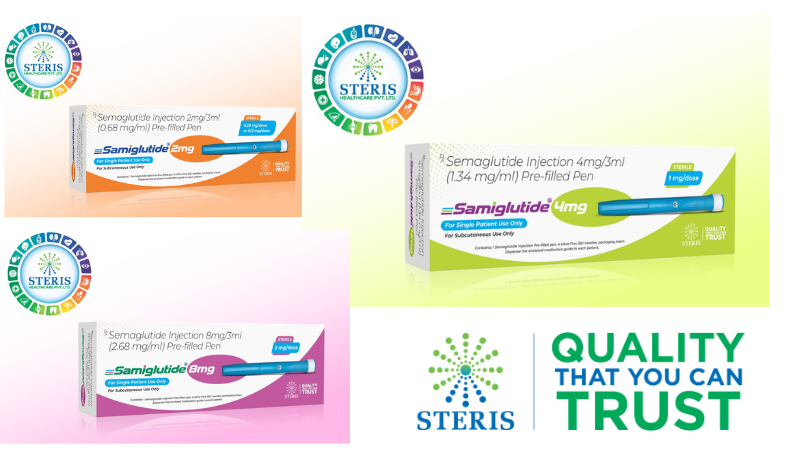
Semaglutide Injection 2mg/3ml (SAMIGLUTIDE) – Uses, Benefits, Dosage & Side Effects

L-Glutathione, Vitamin C & Alpha Lipoic Acid Tablets: Uses, Benefits & Side Effects

Vitamin A, D & Calcium Chloride: Uses, Benefits & Safety Information

How Does Vitamin C Face Serum Benefit Your Skin?

Minoxidil & Finasteride Topical Solution: How Does It Work?

Minoxidil Gel: Uses, Side Effects & Important Precautions
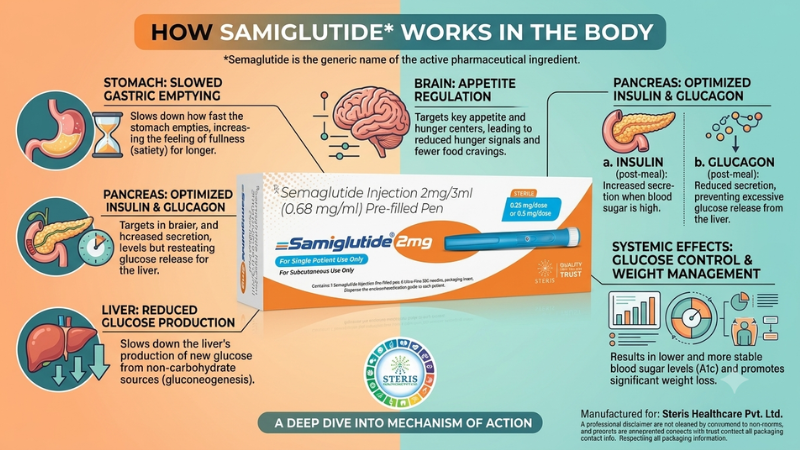
What Does Semaglutide Do to Your Body? Benefits & Risks
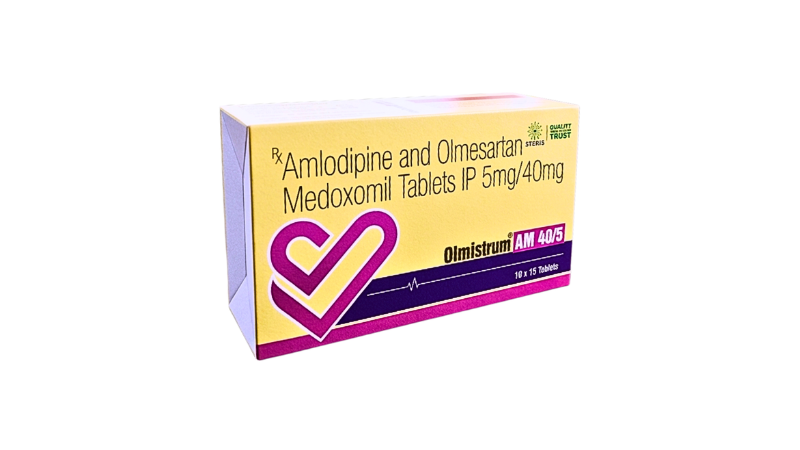
Amlodipine 5 mg + Olmesartan 40 mg: Benefits, Dosage & Precautions
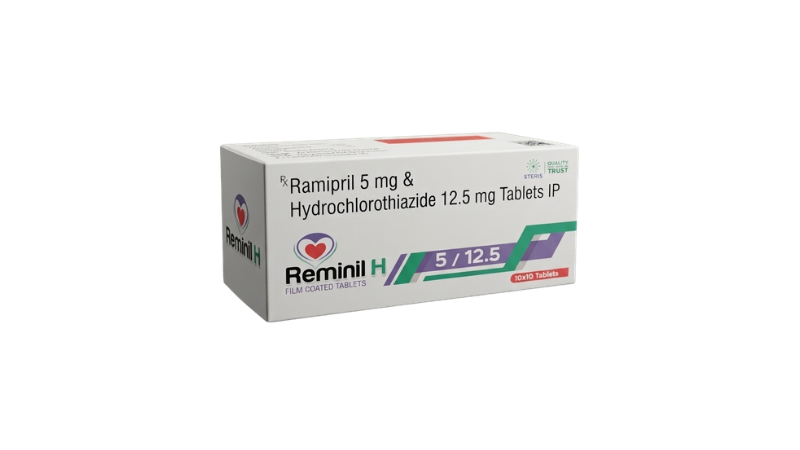
Ramipril 2.5 mg and Hydrochlorothiazide 12.5 mg: Uses, Benefits & Dosage
Atorvastatin 5 mg क्या है? जानें उपयोग, फायदे और साइड इफेक्ट्स

