





Dapagliflozin 10 mg and Gliclazide SR 60 mg: Uses, Benefits, and Side Effects
Jun 04, 2026
What Are Gliclazide and Dapagliflozin Tablets?
Gliclazide and dapagliflozin tablets are combination oral medicines used primarily for type 2 diabetes mellitus.
The two active ingredients work differently:
- Gliclazide increases insulin secretion from pancreatic beta cells.
- Dapagliflozin inhibits the SGLT2 protein in the kidneys, increasing glucose excretion through urine.
- Together, they can provide complementary blood-glucose-lowering effects.
The 2026 American Diabetes Association Standards of Care recognize SGLT2 inhibitors as important medicines for appropriate people with type 2 diabetes, particularly when cardiovascular or kidney disease is present. For people with type 2 diabetes and chronic kidney disease, an SGLT2 inhibitor with demonstrated benefit is recommended at appropriate kidney-function levels to reduce CKD progression and cardiovascular events.
Gliclazide and Dapagliflozin Uses
The primary use of this combination is to help control high blood glucose in adults with type 2 diabetes.
It is generally used together with an individualized eating plan, physical activity and regular diabetes monitoring.
1. Type 2 diabetes management
Gliclazide can increase the amount of insulin released by the pancreas, while dapagliflozin helps remove excess glucose through urine. Their different mechanisms can make the combination useful for selected patients.
2. Additional glucose lowering when treatment needs intensification
Some people with type 2 diabetes do not achieve their individualized glucose targets with one medicine. A healthcare professional may add another medicine with a different mechanism.
However, combination therapy should be based on factors such as HbA1c, kidney function, hypoglycemia risk, cardiovascular disease, other medicines, age and individual treatment goals.
3. Kidney and cardiovascular risk reduction with dapagliflozin
An important distinction for buyers is that the potential kidney and cardiovascular benefits of dapagliflozin are not simply the same as its blood-glucose-lowering effect.
This does not mean every gliclazide + dapagliflozin product is automatically suitable for someone with kidney disease. Individual kidney function, indication and product labeling still matter.
How Does Gliclazide Work?
Gliclazide belongs to the sulfonylurea class of glucose-lowering medicines.
It stimulates pancreatic beta cells to release insulin. Insulin helps glucose move from the bloodstream into body tissues, thereby lowering blood glucose.
The major safety consideration is that stimulating insulin release can cause hypoglycemia, especially if meals are skipped, food intake is insufficient, exercise changes significantly, or gliclazide is combined with other glucose-lowering medicines.
This is one reason gliclazide should be taken exactly according to the prescribed instructions.
How Does Dapagliflozin Work?
Dapagliflozin belongs to the SGLT2 inhibitor class.
The kidneys normally filter glucose and then reabsorb much of it. Dapagliflozin blocks SGLT2-mediated glucose reabsorption, allowing more glucose to leave the body in urine.
This mechanism can also increase urinary fluid loss. Consequently, increased urination, dehydration and genital or urinary infections are important considerations when taking dapagliflozin.
The 2026 ADA Standards describe SGLT2 inhibitors as having cardiovascular and kidney benefits that can extend beyond their glucose-lowering effect.
Key Benefits of Gliclazide and Dapagliflozin
Dual mechanism for blood-glucose control
The main potential benefit of the combination is that it uses two different glucose-lowering mechanisms.
Gliclazide works through insulin secretion, while dapagliflozin works through renal glucose excretion. This can provide additional glucose lowering when combination treatment is clinically appropriate.
Dapagliflozin may support kidney protection
For appropriate people with type 2 diabetes and CKD, SGLT2 inhibitors such as dapagliflozin are recommended because of evidence for slowing CKD progression and reducing cardiovascular events.
Potential cardiovascular benefits
Dapagliflozin has demonstrated cardiovascular benefits in appropriate clinical populations. The 2026 ADA pharmacologic-treatment guidance lists dapagliflozin among SGLT2 inhibitors with cardiovascular and kidney benefits.
Possible modest weight reduction
SGLT2 inhibitors can be associated with weight loss. This occurs partly because glucose and accompanying calories are lost through urine.
Nevertheless, dapagliflozin should not be viewed as a general-purpose weight-loss medicine. It should be used for an appropriate medical indication.
Gliclazide and Dapagliflozin Side Effects
Side effects vary between individuals and can depend on the dose, other medicines and underlying health conditions.
Potential side effects of this combination include:
- Hypoglycemia or low blood sugar
- Increased urination
- Dehydration
- Dizziness
- Urinary tract infections
- Genital fungal infections
- Nausea
- Gastrointestinal discomfort
- Headache or weakness in some patients
Low blood sugar
Hypoglycemia is particularly important because of the gliclazide component.
Possible warning symptoms include:
- Sweating
- Shaking
- Hunger
- Dizziness
- Weakness
- Fast heartbeat
- Confusion
- Difficulty concentrating
If you are prescribed gliclazide, ask your healthcare professional how to recognize and treat hypoglycemia according to your personal diabetes plan.
Do not routinely skip meals while taking gliclazide unless your healthcare professional has given you specific instructions.
Dapagliflozin-Related Side Effects
Increased urination
Because dapagliflozin causes more glucose to pass into urine, you may urinate more frequently.
This effect is part of how the medicine works, but excessive fluid loss can contribute to dehydration.
Urinary tract infections
Some people taking dapagliflozin develop urinary tract infections.
Symptoms can include painful urination, urinary urgency, frequent urination or lower abdominal discomfort.
Genital infections
Because more glucose is present in the urine and genital area, genital fungal infections can occur.
Seek medical advice if you develop persistent genital itching, irritation, unusual discharge, swelling or pain.
Dehydration and low blood pressure
Dapagliflozin can increase fluid loss. People who are elderly, taking diuretics, experiencing vomiting or diarrhea, or unable to drink enough fluids may be at greater risk.
Dizziness or light-headedness, especially when standing, should be discussed with a healthcare professional if persistent or severe.
Rare but Serious Side Effect: Diabetic Ketoacidosis
SGLT2 inhibitors can rarely cause diabetic ketoacidosis (DKA).
DKA can occur even when blood glucose is not extremely high. The FDA labeling for dapagliflozin includes warnings about ketoacidosis and situations that can increase risk.
Get urgent medical attention if you develop symptoms such as:
- Persistent nausea or vomiting
- Abdominal pain
- Unusual tiredness
- Difficulty breathing
- Confusion
- Feeling seriously unwell
Who Should Discuss This Medicine With a Doctor Before Taking It?
Extra caution may be needed if you have:
- Type 1 diabetes
- Previous diabetic ketoacidosis
- Kidney disease
- Liver disease
- Frequent hypoglycemia
- Dehydration
- Recurrent urinary or genital infections
- Severe acute illness
- A planned operation
- Prolonged fasting
- Pregnancy or breastfeeding
- Allergy to gliclazide, dapagliflozin or related ingredients
Dapagliflozin is not a treatment for type 1 diabetes or diabetic ketoacidosis.
How to Take Gliclazide and Dapagliflozin
Take the medicine exactly as prescribed.
Do not determine your own dose from an online article because products can differ in:
- Gliclazide strength
- Dapagliflozin strength
- Immediate-release versus modified/extended-release formulation
- Combination ingredients
- Recommended timing
Follow the instructions on your prescription and medicine pack.
If you miss a dose, follow the instructions provided by your doctor or the product information. Do not automatically double the next dose.
Regular monitoring of blood glucose and HbA1c may be necessary to determine whether treatment is achieving the desired result.
What Should You Check Before Buying Gliclazide and Dapagliflozin?
1. Verify the active ingredients
Make sure the product contains both gliclazide and dapagliflozin in the prescribed strengths.
Some diabetes products contain additional medicines such as metformin. These are different formulations and should not be substituted without professional advice.
2. Compare the strength
Check the number of milligrams of each active ingredient per tablet.
A product with the same medicine names but a different strength is not automatically an equivalent substitute.
3. Check whether it is a prescription medicine
Gliclazide and dapagliflozin are prescription diabetes medicines. Purchase them from a legitimate pharmacy and use them under medical supervision.
4. Verify the pack
Before purchase, check:
- Product name
- Active ingredients
- Strength
- Manufacturer
- Batch number
- Expiry date
- Packaging condition
- Prescription requirements
5. Compare price correctly
When comparing online pharmacy prices, look at the price per tablet and pack size, not merely the displayed discount percentage.
Prices, availability and promotional discounts can change, so current pharmacy listings should be checked at the time of purchase.
Gliclazide and Dapagliflozin vs Dapagliflozin Alone
These are not interchangeable treatments.
Dapagliflozin alone may be prescribed for appropriate patients with type 2 diabetes and, depending on the indication, for heart failure or chronic kidney disease.
Adding gliclazide introduces an additional insulin-releasing mechanism and therefore changes the treatment's benefits and risks.
For someone with significant hypoglycemia risk, for example, the choice of glucose-lowering medicines may be different from that for someone whose main treatment priority is kidney or cardiovascular protection.
The 2026 ADA Standards emphasize selecting glucose-lowering therapy according to individual cardiovascular, kidney, weight, hypoglycemia, adverse-effect and cost considerations rather than using a single medication strategy for every patient.
Buyer-Intent Guide: Is This the Right Product to Purchase?
Before clicking Buy, ask these questions:
Is this exactly the combination prescribed?
Check both active ingredients and their strengths.
Is the dosage form the same?
Modified-release and immediate-release products should not be assumed to be interchangeable.
Do I take other diabetes medicines?
Combining glucose-lowering drugs can alter hypoglycemia risk.
Do I have kidney or heart disease?
Dapagliflozin may offer important benefits for appropriate patients, but the treatment plan should account for kidney function and the reason for prescribing it.
Do I have a history of dehydration or recurrent infections?
These factors can affect whether dapagliflozin is appropriate.
Am I buying from a legitimate pharmacy?
Prescription medicines should be sourced through reputable, regulated channels.
What Makes This Combination Different?
The combination is notable because it brings together:
| Feature | Gliclazide | Dapagliflozin |
|---|---|---|
| Medicine class | Sulfonylurea | SGLT2 inhibitor |
| Main action | Increases insulin release | Increases urinary glucose excretion |
| Main use | Type 2 diabetes | Type 2 diabetes and other approved indications |
| Hypoglycemia risk | Important consideration | Low when used alone, but overall risk depends on combination therapy |
| Urination | Usually not the defining effect | Increased urination can occur |
| Kidney/cardiovascular effects | Primarily glucose lowering | Important kidney and cardiovascular benefits in appropriate patients |
This difference explains why a combination may be considered when a single treatment does not provide adequate glucose control.
Conclusion
Gliclazide and dapagliflozin are prescription medicines used primarily to manage type 2 diabetes, with each ingredient lowering glucose through a different pathway. Gliclazide stimulates insulin release, while dapagliflozin increases glucose excretion through the kidneys.
The key safety issues are hypoglycemia, dehydration, increased urination, urinary or genital infections and, rarely, diabetic ketoacidosis. Therefore, this is not a medicine combination that should be selected simply by searching for the cheapest product online.
For a purchase decision, verify the exact composition, strength, release formulation, manufacturer, expiry date and prescription instructions. If you have kidney disease, heart failure, recurrent infections, dehydration, a history of ketoacidosis, or you are preparing for surgery or prolonged fasting, speak with your healthcare professional before taking dapagliflozin-containing treatment.
Frequently Asked Questions About Gliclazide and Dapagliflozin
1. What are gliclazide and dapagliflozin used for?
Gliclazide and dapagliflozin are used together to help control type 2 diabetes. Gliclazide increases insulin secretion, while dapagliflozin increases glucose elimination through urine.
2. What are the main benefits of gliclazide and dapagliflozin?
The combination provides two different glucose-lowering mechanisms. Dapagliflozin may additionally provide kidney and cardiovascular benefits in appropriate patients, particularly those with type 2 diabetes and CKD.
3. What are the side effects of gliclazide and dapagliflozin?
Common or clinically important side effects can include low blood sugar, increased urination, dehydration, dizziness, urinary tract infections and genital infections. Rarely, dapagliflozin can contribute to diabetic ketoacidosis.
4. Can gliclazide and dapagliflozin cause low blood sugar?
Yes. Gliclazide can cause hypoglycemia because it stimulates insulin release. The risk depends on the dose, meals, physical activity and other diabetes medicines being taken.
5. Does dapagliflozin make you urinate more?
Yes. Increased urination can occur because dapagliflozin causes more glucose to be eliminated through urine. Adequate hydration is important unless your doctor has given you a fluid restriction.
6. Can gliclazide and dapagliflozin be taken together?
Yes, this combination can be prescribed for some adults with type 2 diabetes. The appropriate strength and dose must be determined by a healthcare professional.
7. Is gliclazide and dapagliflozin safe for people with kidney disease?
Dapagliflozin has important kidney-protective uses in appropriate people with type 2 diabetes and CKD. However, suitability depends on kidney function, the indication and the complete treatment plan. The 2026 ADA Standards recommend an SGLT2 inhibitor with demonstrated benefit for appropriate patients with type 2 diabetes and CKD.
8. Can I stop gliclazide and dapagliflozin when my blood sugar becomes normal?
No. Do not stop or change prescribed diabetes treatment without discussing it with your healthcare professional. Normal glucose may indicate that the current treatment is working.
9. What should I check before buying gliclazide and dapagliflozin tablets?
Check the exact active ingredients, strength, dosage form, manufacturer, expiry date, pack size and prescription requirements. Make sure the product matches the medicine prescribed for you.
10. Can dapagliflozin cause diabetic ketoacidosis?
Rarely, yes. SGLT2 inhibitors are associated with a risk of diabetic ketoacidosis, which can sometimes occur without extremely high blood glucose. Seek urgent medical attention for symptoms such as vomiting, abdominal pain, unusual fatigue or difficulty breathing.
11. Is dapagliflozin useful for heart or kidney problems?
Dapagliflozin has established cardiovascular and kidney benefits in appropriate patients. The 2026 ADA Standards identify SGLT2 inhibitors including dapagliflozin as therapies with demonstrated cardiovascular and kidney benefits.
12. What should I do if I become sick while taking dapagliflozin?
If you have significant vomiting, diarrhea, dehydration, prolonged fasting or serious illness, contact your healthcare professional promptly. SGLT2 inhibitors may require temporary management changes during certain acute illnesses or around surgery.
13. Can dapagliflozin lower blood sugar?
Yes, dapagliflozin lowers blood sugar by helping the kidneys remove excess glucose through urine.
Recent Post

Semaglutide Injection 2mg/3ml (SAMIGLUTIDE) – Uses, Benefits, Dosage & Side Effects

L-Glutathione, Vitamin C & Alpha Lipoic Acid Tablets: Uses, Benefits & Side Effects

Vitamin A, D & Calcium Chloride: Uses, Benefits & Safety Information

How Does Vitamin C Face Serum Benefit Your Skin?

Minoxidil & Finasteride Topical Solution: How Does It Work?

Minoxidil Gel: Uses, Side Effects & Important Precautions
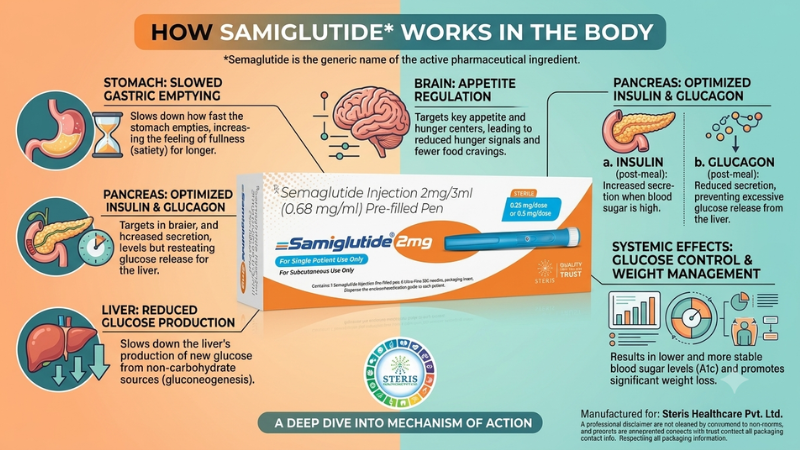
What Does Semaglutide Do to Your Body? Benefits & Risks
Amlodipine 5 mg + Olmesartan 40 mg: Benefits, Dosage & Precautions
Ramipril 2.5 mg and Hydrochlorothiazide 12.5 mg: Uses, Benefits & Dosage
Atorvastatin 5 mg क्या है? जानें उपयोग, फायदे और साइड इफेक्ट्स