





Mirabegron (ER) (50mg) and Solifenacin succinate (5mg)
Nov 07, 2022
If you find yourself constantly mapping out the nearest public restrooms, waking up multiple times a night, or experiencing sudden, uncontrollable urges to urinate, you are not alone. Millions of people worldwide manage these exact symptoms, which are hallmarks of Overactive Bladder (OAB).
When lifestyle changes and single-medication therapies aren't enough to bring relief, healthcare providers often turn to advanced combination treatments. One such highly effective combination is MIRAGRON S 50/5.
This ultimate guide will break down everything you need to know about MIRAGRON S 50/5—its composition, how it works, its benefits, potential side effects, and how to take it safely.
What is MIRAGRON S 50/5?
MIRAGRON S 50/5 is a prescription medication specifically formulated to treat the symptoms of Overactive Bladder (OAB). It is a combination drug, meaning it merges two distinct, powerful active ingredients into a single tablet to tackle bladder urgency from two different physiological angles.
The Power of Two: The Composition
The name "50/5" represents the specific strengths of its two active components:
-
Mirabegron (Extended-Release) – 50mg: A medication belonging to the class of $\beta_3$-adrenergic receptor agonists.
-
Solifenacin Succinate – 5mg: A medication belonging to the class of antimuscarinics (or anticholinergics).
Instead of taking two separate pills at different times of the day, MIRAGRON S 50/5 simplifies your routine by combining them into one daily dose.
Understanding Overactive Bladder (OAB)
To appreciate how MIRAGRON S 50/5 works, it helps to understand what happens inside the body when you have an overactive bladder.
The bladder is essentially a muscular sac. As it fills with urine, the brain receives signals letting you know it's getting full. When you are ready to use the restroom, the bladder muscle—called the detrusor muscle—contracts to squeeze the urine out.
In a healthy bladder, this muscle stays relaxed while filling. However, in a person with OAB, the detrusor muscle contracts involuntarily and unpredictably, even when the bladder isn't actually full. This creates:
-
Urgency: A sudden, compelling desire to pass urine that is difficult to defer.
-
Frequency: Needing to urinate much more often than normal (usually 8 or more times in 24 hours).
-
Nocturia: Waking up two or more times during the night to urinate.
-
Urge Incontinence: Involuntary leakage of urine accompanied by or immediately preceded by urgency.
How MIRAGRON S 50/5 Works: The Dual-Action Mechanism
What makes MIRAGRON S 50/5 exceptionally effective is its synergistic dual mechanism. By combining Mirabegron and Solifenacin, the medication addresses bladder spasms through two entirely different chemical pathways in the body.
1. The Role of Mirabegron (50mg)
Mirabegron is a $\beta_3$-adrenergic receptor agonist. It works by mimicking the signals that tell the bladder muscle to relax.
-
The Action: It activates specific receptors ($\beta_3$) located on the detrusor muscle.
-
The Result: This activation relaxes the bladder muscle while it is filling up with urine. A relaxed bladder can hold more volume, significantly increasing the time between your trips to the bathroom and reducing that sudden "panic" feeling of urgency.
-
Extended-Release (ER): The "ER" means the drug releases slowly into your bloodstream throughout the day, providing steady, 24-hour symptom control.
2. The Role of Solifenacin Succinate (5mg)
Solifenacin is an antimuscarinic (anticholinergic) agent. It works by blocking a different set of signals.
-
The Action: It blocks muscarinic ($M_3$) receptors on the bladder wall. These receptors are responsible for receiving acetylcholine, the chemical messenger that commands the bladder to contract.
-
The Result: By blocking these receptors, Solifenacin prevents the sudden, involuntary bladder spasms that cause immediate urgency and accidental leaks.
Why the Combination is Superior
For many individuals, a single medication only solves half the problem. If you only relax the bladder (Mirabegron), it might still spasm. If you only stop the spasms (Solifenacin), the bladder might not relax enough to hold a comfortable amount of fluid.
Clinical Insight: Studies have shown that combining a low dose of Solifenacin (5mg) with Mirabegron (50mg) offers significantly greater efficacy in reducing leaks and daily trips to the bathroom compared to increasing the dose of either drug alone, often with a better side-effect profile.
Key Benefits of MIRAGRON S 50/5
Choosing a combination therapy like MIRAGRON S 50/5 offers several distinct advantages for managing OAB:
| Benefit | How It Improves Your Life |
| Fewer Daily Restroom Trips | Noticeably reduces the total number of times you need to urinate each day. |
| Reduced Urgency Control | Dulls the sharp, sudden "must-go-now" feeling, giving you more time to reach a bathroom calmly. |
| Decreased Leakage Episodes | Significantly cuts down on accidental urge incontinence episodes, saving you from embarrassment. |
| Better Nighttime Sleep | By reducing nocturia, it helps you sleep longer through the night without frequent, disruptive wake-ups. |
| Enhanced Quality of Life | Restores the confidence to travel, attend social gatherings, and sit through movies without constant anxiety. |
| Better Compliance | Taking one single pill daily is far easier to remember than managing multiple separate prescriptions. |
Who is MIRAGRON S 50/5 For?
MIRAGRON S 50/5 is primarily prescribed for adults who have been diagnosed with Overactive Bladder. It is typically recommended for:
-
Patients who have tried lifestyle modifications (like bladder training and cutting back on caffeine) without adequate success.
-
Patients who tried a single medication (either just an anticholinergic or just a $\beta_3$-agonist) and found that it didn't fully control their symptoms.
-
Patients looking to maximize their OAB control without taking a high dose of a single drug, which might trigger worse side effects.
How to Take MIRAGRON S 50/5 Correctly
To get the most benefit out of your medication and ensure safety, always follow the exact directions provided by your prescribing doctor or pharmacist.
Standard Guidelines:
-
Dosage: The standard dose is one tablet taken once daily. Do not alter your dose unless directed by a doctor.
-
With or Without Food: MIRAGRON S 50/5 can generally be taken with or without food. Consistency is key; try to take it at the same time every day.
-
Do Not Crush or Chew: The tablet must be swallowed whole with a glass of water. Because it contains an extended-release formulation (Mirabegron ER), crushing, breaking, or chewing the tablet will destroy the slow-release mechanism, releasing all the medication into your system at once and increasing the risk of side effects.
What to Do If You Miss a Dose
If you miss a dose, take it as soon as you remember. If it is almost time for your next scheduled dose, skip the missed dose and resume your regular schedule. Never take two doses at the same time to make up for a missed one.
Potential Side Effects and Management
Like all prescription medications, MIRAGRON S 50/5 can cause side effects, though not everyone experiences them. Because this pill combines two different drugs, it's helpful to understand which side effects stem from which component.
Common Side Effects
Most side effects are mild to moderate and often improve as your body adjusts to the medication.
-
Dry Mouth: This is the most common side effect of Solifenacin. Tip: Sip water throughout the day, chew sugarless gum, or use ice chips.
-
Constipation: Another common effect of antimuscarinics. Tip: Maintain a high-fiber diet, stay well-hydrated, and engage in light daily exercise.
-
Increased Blood Pressure: Mirabegron can cause a slight increase in blood pressure. Your doctor will likely monitor your blood pressure periodically while you are on this medication.
-
Headache or Dizziness: Can occur occasionally, particularly during the first few weeks of starting treatment.
-
Urinary Tract Infection (UTI) Symptoms: Some patients report minor bladder discomfort or a change in urine odor. Notify your doctor if you experience painful urination.
Serious Side Effects (Seek Medical Attention Immediately)
While rare, some side effects require immediate medical evaluation:
-
Urinary Retention: The inability to empty your bladder at all. If you feel like your bladder is full but you cannot pass urine, seek emergency medical care.
-
Severe Hypertension: A dangerous, sudden spike in blood pressure accompanied by severe headaches or chest pain.
-
Allergic Reactions: Signs like swelling of the face, lips, tongue, or throat, severe skin rash, or difficulty breathing.
-
Angioedema: A rare swelling under the skin.
Warnings and Precautions: Who Should Avoid It?
MIRAGRON S 50/5 is highly effective, but it is not suitable for everyone. Before starting this medication, it is vital to disclose your full medical history to your doctor.
Do NOT take MIRAGRON S 50/5 if you have:
-
Severe Uncontrolled Hypertension: Because Mirabegron can elevate blood pressure, it should not be used if your blood pressure is high and not properly managed.
-
Urinary Retention: If you already have difficulty emptying your bladder, this medication can worsen the condition.
-
Gastric Retention or Severe GI Conditions: Solifenacin slows down the digestive system; it should be avoided if you have severe delayed stomach emptying.
-
Uncontrolled Narrow-Angle Glaucoma: Anticholinergic drugs like Solifenacin can dangerously increase pressure inside the eyes of individuals with this specific condition.
-
Severe Liver or Kidney Disease: Your body may not clear the drug efficiently, leading to dangerous buildups.
Talk to your doctor if you are:
-
Pregnant or Breastfeeding: The safety of this combination has not been thoroughly established in pregnant or nursing mothers. It should only be used if the benefits clearly outweigh the risks.
-
Taking other medications: Inform your doctor about all prescriptions, over-the-counter drugs, vitamins, and herbal supplements you take to avoid drug interactions (especially other anticholinergics or medications metabolized by the liver enzyme CYP2D6).
Complementary Lifestyle Tips to Boost Efficacy
While MIRAGRON S 50/5 does the heavy lifting chemically, combining it with simple lifestyle adjustments can accelerate your progress and provide even greater control over your bladder.
1. Watch Your Dietary Triggers
Certain foods and beverages irritate the bladder lining and increase the urge to urinate. Try limiting or avoiding:
-
Caffeine: Coffee, energy drinks, and certain teas are natural diuretics and bladder stimulants.
-
Alcohol: Acts as a bladder irritant and increases urine production.
-
Acidic Foods: Citrus fruits, tomatoes, and vinegar can worsen OAB urgency.
-
Spicy Foods: Can trigger sudden bladder spasms in sensitive individuals.
2. Practice Pelvic Floor Exercises (Kegels)
Strengthening the muscles that support your bladder gives you physical control over sudden urges.
-
How to do them: Squeeze the muscles you would use to stop the flow of urine mid-stream. Hold for 3 to 5 seconds, then relax for 3 to 5 seconds. Repeat this 10 to 15 times per session, 3 times a day.
-
Note: Do not practice Kegels while actually urinating, as this can disrupt normal bladder emptying.
3. Implement Bladder Training
Train your bladder to hold urine longer by creating a fixed urination schedule. Start by going to the bathroom every 2 hours, whether you feel the urge or not. Gradually increase the interval by 15 to 30 minutes every week until you can comfortably wait 3 to 4 hours between visits.
4. Optimize Fluid Intake
It’s a common mistake to stop drinking water altogether to avoid leaks. However, dehydration leads to highly concentrated, acidic urine, which actually irritates the bladder wall and worsens urgency. Drink a moderate, steady amount of water throughout the day, but taper off your intake 2 hours before bedtime to reduce nighttime awakenings.
Conclusion: Reclaiming Your Daily Life
Living with an overactive bladder can feel isolating, exhausting, and stressful. It forces you to plan your entire day around the availability of restrooms and disrupts your sleep night after night.
Thankfully, advanced therapeutic options like MIRAGRON S 50/5 offer a highly sophisticated, dual-action solution. By simultaneously relaxing the bladder wall with Mirabegron (50mg) and blocking involuntary spasms with Solifenacin (5mg), this single daily tablet addresses the root physiological causes of OAB.
If you are tired of OAB controlling your schedule, schedule a conversation with your urologist or healthcare provider. Ask them if a dual-action combination like MIRAGRON S 50/5 is the right step forward for you. True relief is entirely possible, and you don't have to navigate this journey alone.
Frequently Asked Questions (FAQs)
How long does it take for MIRAGRON S 50/5 to work?
Some patients notice a gradual improvement within the first 1 to 2 weeks of starting the medication. However, it typically takes 4 to 8 weeks of consistent, daily use to realize the full therapeutic benefits of MIRAGRON S 50/5. Give your body time to respond before evaluating its success.
Can I drink alcohol while taking MIRAGRON S 50/5?
It is highly recommended to limit or avoid alcohol. Alcohol is a well-known bladder irritant that increases urine production, directly counteracting the benefits of the medication. Additionally, combining alcohol with Solifenacin can increase feelings of drowsiness or dizziness.
Will MIRAGRON S 50/5 cure my Overactive Bladder permanently?
MIRAGRON S 50/5 is designed to manage and control the symptoms of OAB effectively; it is not a permanent cure. If you stop taking the medication, your bladder muscle spasms and urgency symptoms will likely return to their previous levels.
What should I do if I experience a very dry mouth?
Dry mouth is a common consequence of the Solifenacin component. You can manage this by chewing sugar-free gum, sucking on sugar-free hard candies, melting ice chips in your mouth, or using over-the-counter saliva substitutes. Ensuring you stay appropriately hydrated also helps.
Can men take MIRAGRON S 50/5?
Yes. OAB affects both men and women. Men experiencing overactive bladder symptoms can safely take MIRAGRON S 50/5, provided they do not have a severe urinary tract obstruction, such as severe benign prostatic hyperplasia (BPH) that prevents them from urinating.
Recent Post
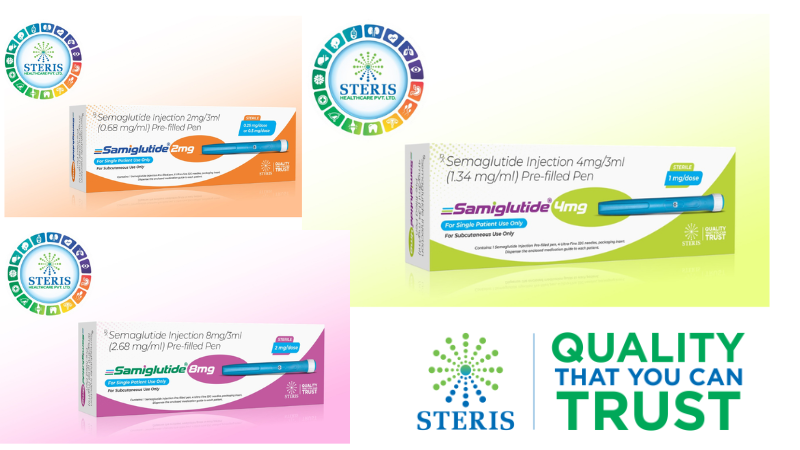
BEST semaglutide injection price in india
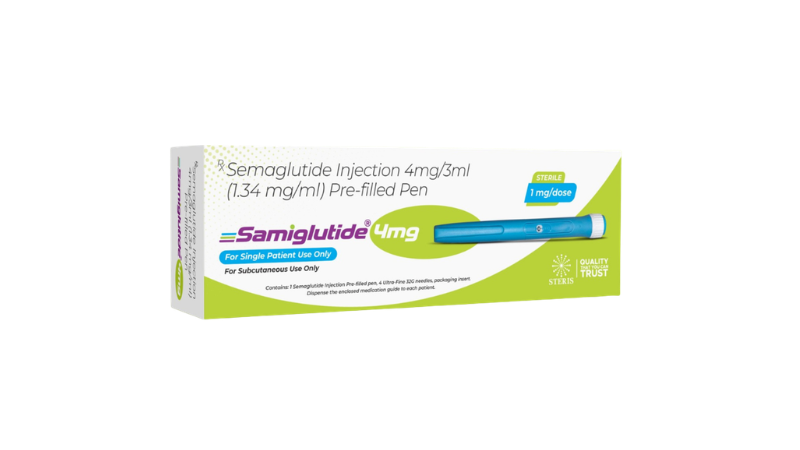
How Semaglutide Injection 4 mg Helps Control Blood Sugar
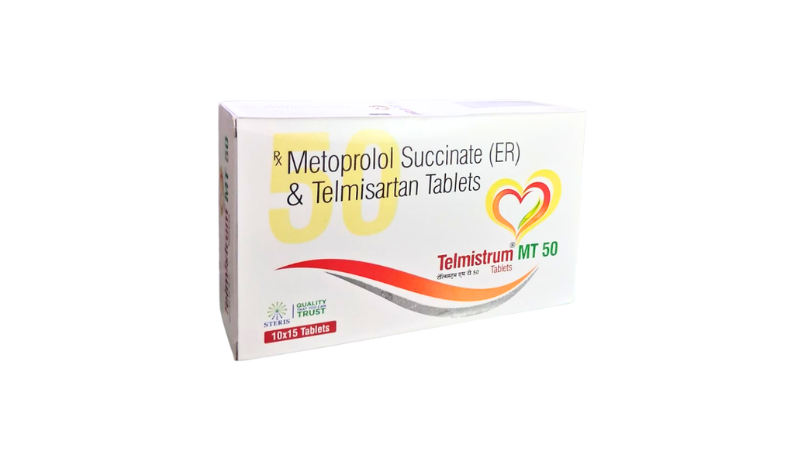
What Is Telmisartan and Metoprolol Succinate Combination Used For?
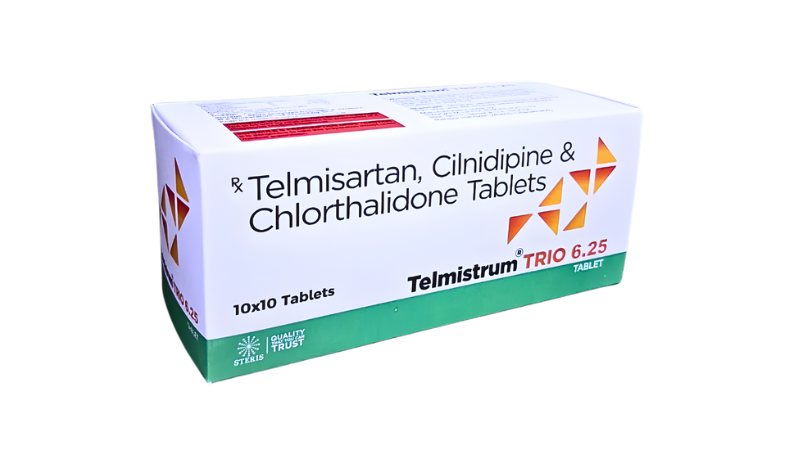
TELMISTRUM TRIO 6.25: Telmisartan, Cilnidipine & Chlorthalidone Uses & Side Effects
TELMISTRUM AZ 16: Telmisartan 40mg & Azelnidipine 16mg Uses, Dosage & Side Effects
What Is Telmisartan and Chlorthalidone Combination Used For?
Telmisartan 40mg + Amlodipine 5mg Tablets: Uses, Dosage & Side Effects
Clarithromycin, Esomeprazole & Amoxicillin Combo Kit: View Uses, Side Effects and Medicines
What Is Amoxicillin Clavulanate with Lactic Acid Bacillus Used For?
Semaglutide Injection 2mg/3ml (SAMIGLUTIDE) – Uses, Benefits, Dosage & Side Effects

