


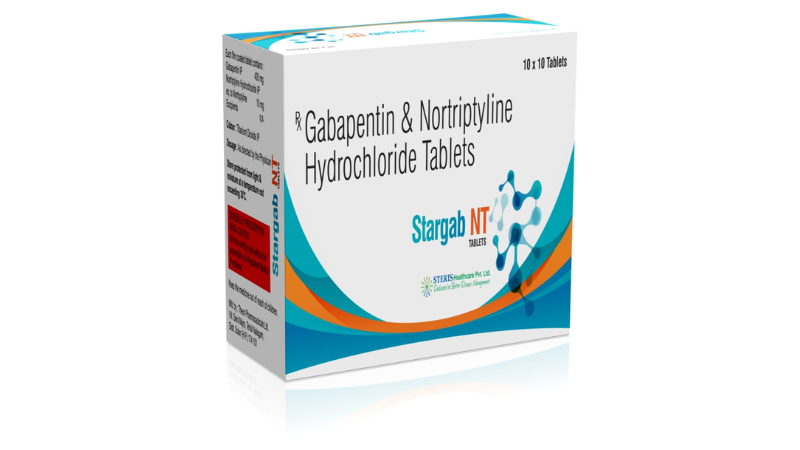



Gabapentin and Nortriptyline Tablets Uses: Complete Guide to STARGAB NT
Aug 02, 2025
Gabapentin and Nortriptyline Tablets are a prescription combination medicine widely used to manage neuropathic (nerve) pain, a chronic condition caused by nerve damage or dysfunction. This combination brings together Gabapentin, an anticonvulsant that helps calm overactive nerve signals, and Nortriptyline, a tricyclic antidepressant that enhances the body's natural pain-control pathways. Together, they provide effective relief from burning, tingling, shooting, or stabbing pain associated with nerve-related disorders.
Neuropathic pain can result from diabetes, shingles, spinal cord injuries, nerve compression, chemotherapy, or other neurological conditions. Unlike ordinary pain, nerve pain often persists for months or years and may interfere with sleep, mobility, work, and overall quality of life. Gabapentin and Nortriptyline Tablets target the underlying abnormal nerve signaling rather than simply masking pain, making them an effective long-term treatment option for many patients.
Doctors frequently prescribe this combination for diabetic neuropathy, post-herpetic neuralgia, sciatica, cervical and lumbar radiculopathy, peripheral neuropathy, fibromyalgia-related nerve pain, and other chronic pain conditions. While these tablets are highly effective, they should be taken only under medical supervision because dosage adjustments depend on the patient's age, kidney function, medical history, and response to treatment.
For the best outcomes, patients should take the medicine consistently, avoid missing doses, and continue treatment for the duration recommended by their healthcare provider. Since improvement may occur gradually over several weeks, patience and regular follow-up are essential.
What are Gabapentin and Nortriptyline Tablets?
Gabapentin and Nortriptyline Tablets combine two medicines with complementary mechanisms of action.
Gabapentin reduces abnormal electrical activity in damaged nerves by binding to calcium channels in the nervous system. This decreases the transmission of pain signals to the brain.
Nortriptyline increases the availability of neurotransmitters such as serotonin and norepinephrine, which help regulate pain perception and improve mood. By enhancing these natural pain-modulating pathways, Nortriptyline contributes to long-lasting relief from chronic nerve pain.
The combination is considered more effective in many patients than either medicine alone because it addresses pain through multiple pathways.
How Do Gabapentin and Nortriptyline Tablets Work?
Nerve pain develops when damaged nerves continuously send pain signals to the brain even in the absence of injury. Gabapentin decreases the release of excitatory neurotransmitters involved in abnormal nerve activity, reducing nerve hypersensitivity.
Nortriptyline complements this action by strengthening the body's descending pain-inhibitory pathways within the central nervous system. It also improves sleep quality in many patients with chronic pain, which can further reduce pain intensity and improve daily functioning.
Together, these medicines reduce pain frequency, improve comfort, and help patients regain normal activities.
Uses of Gabapentin and Nortriptyline Tablets
Doctors prescribe this medicine for several nerve-related conditions.
Common uses include:
- Treatment of diabetic peripheral neuropathy
- Management of post-herpetic neuralgia (pain after shingles)
- Relief of chronic neuropathic pain
- Treatment of sciatica and nerve compression pain
- Management of cervical and lumbar radiculopathy
- Peripheral nerve injury pain
- Fibromyalgia-associated nerve pain
- Certain chronic pain syndromes as advised by a physician
Benefits of Gabapentin and Nortriptyline Tablets
This combination offers multiple benefits for patients experiencing persistent nerve pain.
Key benefits include:
- Provides effective relief from chronic nerve pain
- Reduces burning, tingling, and shooting sensations
- Improves sleep disturbed by nerve pain
- Enhances daily mobility and physical activity
- Reduces pain intensity over time
- Improves overall quality of life
- Offers dual-action pain control through two complementary mechanisms
- May reduce dependence on stronger pain medicines in suitable patients
Dosage and Administration
Gabapentin and Nortriptyline Tablets should always be taken exactly as prescribed by your doctor. The dosage varies depending on the severity of symptoms, age, kidney function, concurrent medical conditions, and response to treatment.
Doctors often begin with a lower dose and gradually increase it to minimize side effects such as dizziness or drowsiness. The tablet is usually taken once daily in the evening or as directed. It may be taken with or without food, but taking it at the same time each day helps maintain consistent medicine levels.
Patients should swallow the tablet whole with water and should not crush or chew it unless instructed otherwise. Abrupt discontinuation is not recommended because it may worsen symptoms or cause withdrawal effects. If treatment needs to be stopped, the doctor will usually advise gradually reducing the dose.
Side Effects of Gabapentin and Nortriptyline Tablets
Like all medicines, this combination may cause side effects, although not everyone experiences them.
Common side effects include:
- Drowsiness
- Dizziness
- Dry mouth
- Constipation
- Blurred vision
- Fatigue
- Weight gain
- Mild swelling of hands or feet
- Difficulty concentrating
Serious side effects requiring immediate medical attention include:
- Severe allergic reaction
- Mood changes or depression
- Suicidal thoughts or unusual behavior
- Difficulty breathing
- Irregular heartbeat
- Severe confusion
- Persistent swelling of the face, lips, or tongue
If any severe symptoms occur, seek immediate medical care.
Precautions and Warnings
Before starting Gabapentin and Nortriptyline Tablets, inform your doctor about all existing medical conditions, including kidney disease, liver disease, epilepsy, glaucoma, heart disease, urinary retention, thyroid disorders, depression, or previous allergic reactions.
This medicine may cause dizziness and sleepiness, particularly during the initial weeks of treatment. Patients should avoid driving, operating heavy machinery, or performing hazardous activities until they know how the medicine affects them.
Alcohol should be avoided because it may increase drowsiness and impair coordination. Elderly patients may be more sensitive to the medicine's effects and may require lower doses.
Pregnant and breastfeeding women should use this medicine only if clearly recommended by their healthcare provider after carefully evaluating the benefits and potential risks.
Drug Interactions
Gabapentin and Nortriptyline Tablets may interact with several medicines, including sleeping pills, opioid pain relievers, anti-anxiety medicines, antidepressants, antihistamines, and certain anticonvulsants.
Patients should provide a complete list of prescription medicines, over-the-counter products, vitamins, and herbal supplements before starting treatment. This helps reduce the risk of harmful drug interactions.
Storage Instructions
Store Gabapentin and Nortriptyline Tablets in a cool, dry place away from direct sunlight, moisture, and excessive heat. Keep the tablets in their original packaging and out of reach of children and pets. Do not use the medicine after the expiry date printed on the pack.
Conclusion
Gabapentin and Nortriptyline Tablets are an effective prescription treatment for neuropathic pain, offering dual-action relief by calming overactive nerve signals and strengthening the body's natural pain-control mechanisms. They are widely used for conditions such as diabetic neuropathy, post-herpetic neuralgia, sciatica, and other chronic nerve pain disorders. When taken consistently under medical supervision, this combination can reduce pain intensity, improve sleep quality, enhance mobility, and support a better quality of life.
Because the medicine may cause drowsiness, dizziness, or other side effects, patients should follow their doctor's instructions carefully and attend regular follow-up appointments. Lifestyle measures such as maintaining healthy blood sugar levels in diabetic patients, engaging in physician-approved physical activity, and adhering to prescribed treatment plans can further improve outcomes.
Frequently Asked Questions
1. What are Gabapentin and Nortriptyline Tablets used for?
Gabapentin and Nortriptyline Tablets are used to treat neuropathic (nerve) pain, including diabetic neuropathy, post-herpetic neuralgia, sciatica, peripheral neuropathy, and other chronic nerve pain conditions.
2. How do Gabapentin and Nortriptyline Tablets work?
Gabapentin reduces abnormal nerve signaling, while Nortriptyline enhances the body's natural pain-inhibiting pathways. Together, they provide effective relief from chronic nerve pain.
3. Can Gabapentin and Nortriptyline Tablets cure nerve damage?
No. These tablets do not cure the underlying nerve damage but help control pain symptoms, improve comfort, and enhance quality of life.
4. How long does it take for Gabapentin and Nortriptyline Tablets to work?
Some patients notice improvement within a few days, but optimal pain relief often develops over 2 to 4 weeks of regular treatment, depending on the condition and individual response.
5. Can I take Gabapentin and Nortriptyline Tablets every day?
Yes. They are generally taken daily as prescribed. Do not stop treatment suddenly without consulting your doctor.
6. Can these tablets make me sleepy?
Yes. Drowsiness and dizziness are among the most common side effects, especially during the first few weeks or after dose increases.
7. Is it safe to drink alcohol while taking Gabapentin and Nortriptyline Tablets?
No. Alcohol can increase drowsiness, dizziness, and reduce alertness. It is best avoided unless your doctor advises otherwise.
8. Are Gabapentin and Nortriptyline Tablets habit-forming?
They are generally not considered addictive when used as prescribed. However, they should only be taken under medical supervision, and treatment should not be stopped abruptly.
9. Can diabetic patients take Gabapentin and Nortriptyline Tablets?
Yes. This combination is commonly prescribed for diabetic peripheral neuropathy, one of the most common causes of chronic nerve pain.
10. Who should not take Gabapentin and Nortriptyline Tablets?
People with known allergies to either ingredient, certain heart rhythm disorders, severe kidney impairment (without dose adjustment), or those taking interacting medicines should consult their doctor before use. The medicine should only be taken with a valid prescription and appropriate medical supervision.
11. Gabapentin and nortriptyline hydrochloride tablets is painkiller?
No. Gabapentin and Nortriptyline Hydrochloride tablets treat nerve pain, not general pain, and are prescription medicines.
Recent Post
Probiotic Sachet with FOS, L-Glutamine & Colostrum – Uses and Benefits

How Telmisartan and Nebivolol Work to Manage High Blood Pressure
Pimavanserin 34 mg Capsules – Uses & Benefits
Voglibose, Glimepiride and Metformin: Uses, Benefits and Side Effects
What Is Minocycline Hydrochloride Used For? A Complete Guide
Voglibose and Repaglinide Tablets – Uses, Price & Buy Online in India

Amorphous Hydrogel with Colloidal Silver: Uses & Benefits
Donepezil Hydrochloride with Memantine Hydrochloride Uses, Benefits & Price in India
Amino Acid with Vitamin and Mineral Tablets Nutritional Support Explained
Fluticasone Furoate, Umeclidinium Bromide & Vilanterol Inhalation Powder

