





FAROPINOM ER 300 Mg : Uses, Dosage, Side Effects, and More
Jul 29, 2024
FAROPINOM ER 300 contains Faropenem Sodium 300mg Extended Release, a broad-spectrum oral antibiotic used to treat a wide range of bacterial infections. Belonging to the penem class of β-lactam antibiotics, faropenem is known for its strong antibacterial activity, excellent tissue penetration, and improved oral bioavailability.
In the Indian healthcare landscape, bacterial infections—especially those affecting the respiratory tract, urinary tract, skin, and soft tissues—are increasingly common due to changing lifestyles, environmental exposure, and widespread antimicrobial resistance. FAROPINOM ER 300 offers an effective therapeutic option for physicians who require a safe, reliable, and potent oral antibiotic for moderate to severe infections.
The extended-release (ER) formulation ensures controlled and sustained drug release, improving patient compliance and maintaining adequate therapeutic levels for longer durations. FAROPINOM ER 300 is well-tolerated and beneficial for patients requiring broad gram-positive and gram-negative coverage, including bacteria that may show resistance to other antibiotics.
This detailed article explores the uses, benefits, dosage guidelines, side effects, precautions, and additional essential information about FAROPINOM ER 300, helping patients and healthcare professionals understand its value in clinical practice.
Uses of FAROPINOM ER 300 (Faropenem Sodium 300mg ER)
Faropenem Sodium is effective against a wide range of bacterial infections. FAROPINOM ER 300 is commonly prescribed for:
1. Respiratory Tract Infections
-
Acute bronchitis
-
Chronic obstructive pulmonary disease (COPD) exacerbations
-
Pneumonia
-
Sinusitis
-
Pharyngitis and tonsillitis
Its strong penetration into respiratory tissues makes FAROPINOM ER 300 suitable for treating both upper and lower respiratory infections.
2. Urinary Tract Infections (UTIs)
-
Cystitis
-
Pyelonephritis
-
Complicated urinary tract infections
Faropenem works effectively against common UTI-causing pathogens such as E. coli, Klebsiella, and Enterobacter species.
3. Skin and Soft Tissue Infections
-
Cellulitis
-
Abscesses
-
Infected wounds
-
Impetigo
-
Diabetic foot infections (mild to moderate)
Its broad antibacterial spectrum and deeper tissue penetration help manage resistant and recurrent skin infections.
4. Gynecological Infections
Including:
-
Pelvic inflammatory disease (PID)
-
Endometritis
-
Post-surgical infections
5. Ear, Nose & Throat (ENT) Infections
-
Otitis media
-
Mastoiditis
-
Chronic ear infections
6. Infections Caused by Resistant Bacteria
Faropenem is known for its efficacy against:
-
Penicillin-resistant strains
-
Cephalosporin-resistant bacteria
-
Some extended-spectrum β-lactamase (ESBL) producing organisms
Benefits of FAROPINOM ER 300
1. Broad-Spectrum Activity
FAROPINOM ER 300 offers excellent coverage against:
-
Gram-positive bacteria
-
Gram-negative bacteria
-
Anaerobic organisms
This makes it suitable for mixed or polymicrobial infections.
2. Extended-Release Mechanism
The ER formulation allows:
-
Prolonged antibacterial activity
-
Reduced dosing frequency
-
Improved patient compliance
-
Consistent therapeutic levels
3. Excellent Safety Profile
Faropenem is generally well-tolerated compared to many antibiotics. Common adverse effects are mild, making it suitable for long-term administration when needed.
4. Effective Against Resistant Pathogens
Faropenem shows significant activity against strains resistant to:
-
Penicillins
-
Cephalosporins
-
Some macrolides and fluoroquinolones
This makes Faropenem Sodium 300mg ER a preferred choice in resistant infections.
5. High Tissue Penetration
Faropenem reaches therapeutic concentrations in:
-
Lungs
-
Soft tissues
-
Urinary tract
-
Sinuses
-
Middle ear
6. Suitable for a Wide Range of Age Groups
Although dosage adjustments may be required, faropenem is considered safe for adults and older individuals with proper medical guidance.
7. Lower Risk of Gastrointestinal Disturbances
Compared to some broad-spectrum antibiotics, faropenem causes fewer GI-related side effects.
Dosage of FAROPINOM ER 300
Note: Always follow your doctor’s dosage recommendation. Do not self-medicate.
Typical Adult Dosage
-
300 mg once or twice daily, depending on the severity of the infection
-
The ER formulation means each dose maintains prolonged antibiotic activity
Duration of Therapy
-
Mild infections: 5–7 days
-
Moderate infections: 7–10 days
-
Severe or recurrent infections: 10–14 days
Method of Administration
-
Swallow the tablet whole
-
Do not chew or crush
-
Take with food for improved absorption
Missed Dose
If a dose is missed:
-
Take it as soon as you remember
-
Skip if it’s close to the next scheduled dose
-
Do not double the dose
Overdose
Symptoms may include:
-
Severe stomach upset
-
Diarrhea
-
Allergic reactions
Seek medical attention immediately in case of overdose.
Side Effects of FAROPINOM ER 300
FAROPINOM ER 300 is generally safe; however, some individuals may experience temporary side effects.
Common Side Effects
-
Nausea
-
Diarrhea
-
Abdominal discomfort
-
Headache
-
Mild rash
-
Fatigue
These usually resolve on their own.
Less Common Side Effects
-
Vomiting
-
Dizziness
-
Indigestion
-
Taste disturbances
Rare but Serious Side Effects
Seek immediate medical care if you experience:
-
Severe allergic reactions (swelling, breathing difficulty)
-
Persistent diarrhea (possible sign of colitis)
-
Yellowing of skin or eyes
-
Severe skin rashes
Precautions and Warnings
1. Allergy Warning
Avoid FAROPINOM ER 300 if you are allergic to:
-
Faropenem
-
Penems
-
Penicillins
-
Cephalosporins
-
Any β-lactam antibiotics
2. Pregnancy and Breastfeeding
-
Use only if recommended by a doctor
-
Faropenem may pass into breast milk
3. Kidney Disorders
Patients with kidney disease may require dose adjustments.
4. Liver Disorders
Use with caution in patients with pre-existing hepatic conditions.
5. Drug Interactions
Inform your doctor if you take:
-
Blood thinners
-
Antacids
-
Immunosuppressants
-
Other antibiotics
6. Avoid Alcohol
While no major interactions exist, alcohol may worsen gastric discomfort.
7. Complete the Full Course
Do not stop the medication midway, even if symptoms improve.
8. Pediatric Use
Use only under strict medical supervision.
Conclusion
FAROPINOM ER 300 (Faropenem Sodium 300mg ER) is a reliable and highly effective oral antibiotic designed to manage a wide range of bacterial infections. Its broad-spectrum activity, extended-release formulation, and favorable safety profile make it a valued option in modern antimicrobial therapy.
FAQs About FAROPINOM ER 300 (Faropenem Sodium 300mg ER)
1. What is FAROPINOM ER 300 used for?
It is used to treat respiratory infections, urinary tract infections, skin and soft tissue infections, gynecological infections, and ENT infections.
2. Is FAROPINOM ER 300 a strong antibiotic?
Yes, faropenem is a broad-spectrum, potent antibiotic effective against various resistant bacteria.
3. Can I take FAROPINOM ER 300 without food?
It is recommended to take it with food to enhance absorption.
4. Is it safe for long-term use?
It can be used safely for prescribed durations. Long-term or repeated courses should only be taken under medical supervision.
5. Can FAROPINOM ER 300 treat viral infections like the flu?
No. It works only against bacterial infections.
6. What should I do if I miss a dose?
Take it as soon as possible unless it’s close to the next dose. Do not double the dose.
7. Can I stop taking the medicine once I feel better?
No. Always complete the full course to prevent relapse and antibiotic resistance.
8. Is FAROPINOM ER 300 safe during pregnancy?
It should be used only when prescribed by a doctor.
9. Can alcohol be consumed with this antibiotic?
Avoid alcohol as it may increase stomach discomfort.
10. Does FAROPINOM ER 300 cause diarrhea?
Mild diarrhea is possible. Persistent or severe diarrhea should be reported to your doctor.
Recent Post
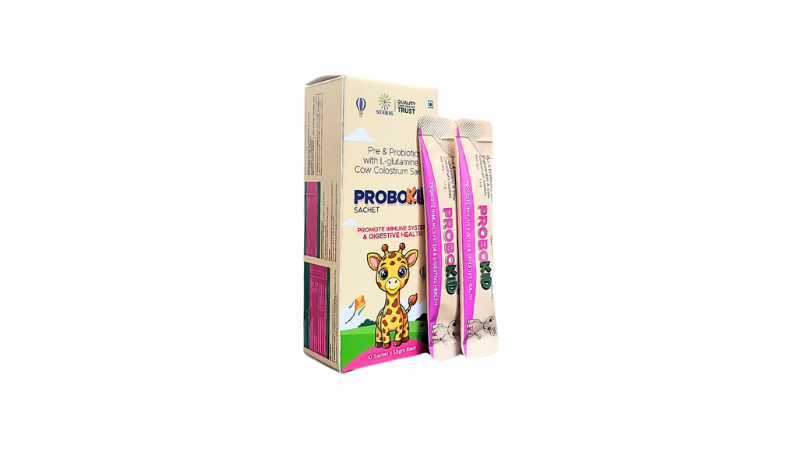
Probiotic Sachet with FOS, L-Glutamine & Colostrum – Uses and Benefits

How Telmisartan and Nebivolol Work to Manage High Blood Pressure
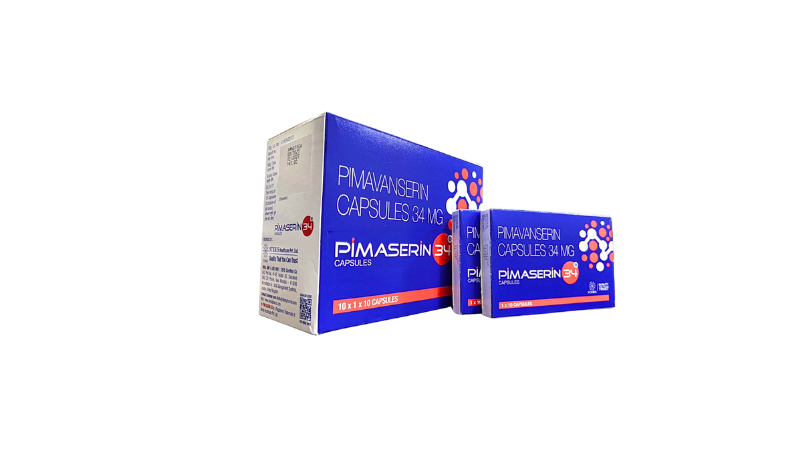
Pimavanserin 34 mg Capsules – Uses & Benefits
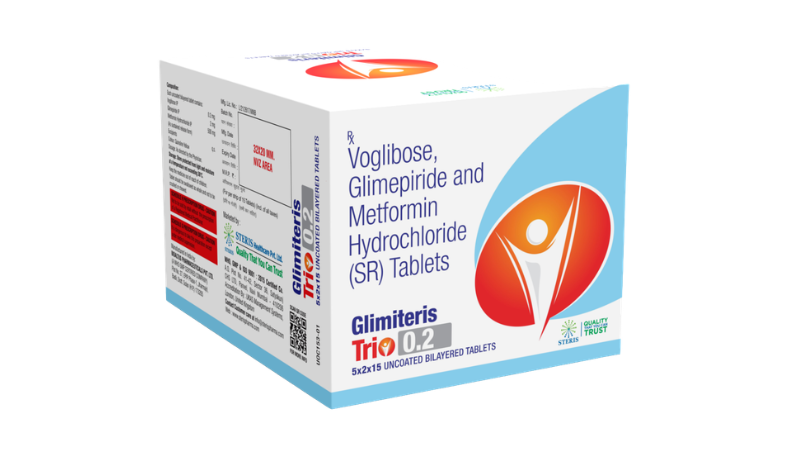
Voglibose, Glimepiride and Metformin: Uses, Benefits and Side Effects
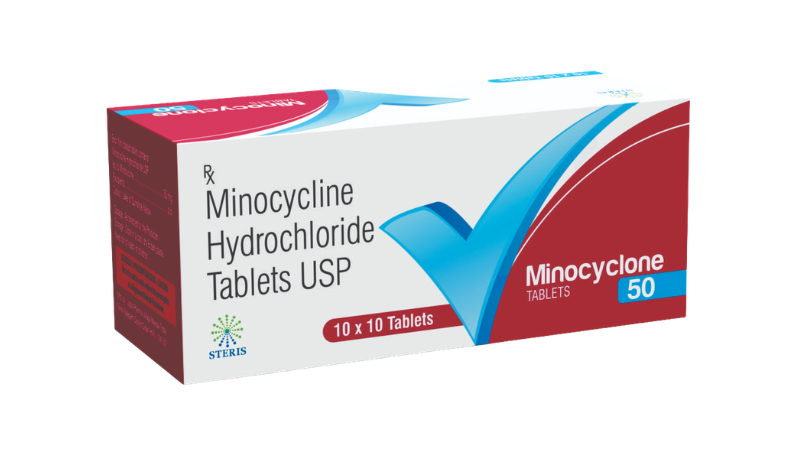
What Is Minocycline Hydrochloride Used For? A Complete Guide
Voglibose and Repaglinide Tablets – Uses, Price & Buy Online in India

Amorphous Hydrogel with Colloidal Silver: Uses & Benefits
Donepezil Hydrochloride with Memantine Hydrochloride Uses, Benefits & Price in India

Amino Acid with Vitamin and Mineral Tablets Nutritional Support Explained
Fluticasone Furoate, Umeclidinium Bromide & Vilanterol Inhalation Powder

