





Faropenem Sodium 300mg ER
May 01, 2023
In an era where bacterial resistance threatens to unravel decades of medical progress, finding effective, convenient, and resistance-busting antibiotics has become healthcare's most pressing challenge. We've all seen the headlines—superbugs that laugh at standard penicillins, urinary tract infections that require hospitalization for intravenous therapy, and respiratory infections that linger for weeks because oral medications simply aren't strong enough. For patients, this often means choosing between the convenience of oral tablets that don't work and the efficacy of hospital-grade IV antibiotics that disrupt their entire lives.
Enter FAROPINOM ER 300, a pharmaceutical breakthrough that bridges this critical gap. Containing Faropenem Sodium 300mg in an Extended Release (ER) formulation, this medication represents a rare achievement in antibiotic development: the power of a carbapenem-class antibiotic delivered in a convenient oral tablet. Faropenem belongs to the "penem" class—structurally related to the mighty carbapenems used in intensive care units, but uniquely bioavailable in oral form. This isn't just another antibiotic; it's a strategic weapon against beta-lactamase producing bacteria that have rendered older medications obsolete.
Whether you're a clinician seeking to reduce hospital admissions, a patient facing recurrent resistant infections, or simply someone who wants to understand why your doctor prescribed this specific medication, this comprehensive guide will walk you through everything you need to know about FAROPINOM ER 300. From the molecular mechanics that make it effective against resistant strains to practical dosing strategies that maximize its potential, we'll explore why this extended-release oral penem is changing the landscape of outpatient antibiotic therapy.
Understanding FAROPINOM ER 300: Composition and Classification
The Active Agent: Faropenem Sodium
At the heart of FAROPINOM ER 300 lies Faropenem Sodium, a member of the penem class of beta-lactam antibiotics. While the name might sound similar to penicillins and cephalosporins, penems occupy a distinct chemical space that confers unique advantages. Structurally, Faropenem features a penem nucleus—a bicyclic beta-lactam fused to a five-membered ring containing a double bond. This seemingly subtle structural difference from penicillins translates to profound functional advantages, particularly regarding stability against bacterial destruction.
Unlike traditional penicillins that succumb easily to beta-lactamase enzymes, Faropenem demonstrates remarkable stability against these bacterial defense mechanisms. Additionally, it shows resistance to dehydropeptidase-I (DHP-I), an enzyme in the human kidney that inactivates many carbapenems. This metabolic stability means Faropenem survives the journey through your body to reach infection sites in therapeutically active concentrations.
The "Sodium" salt form enhances water solubility, facilitating rapid absorption from the gastrointestinal tract. At 300mg, this dosage represents the standard therapeutic strength for adult patients, providing sufficient drug exposure to combat moderate to severe infections while maintaining a favorable safety profile.
The ER Advantage: Extended Release Technology
The "ER" in FAROPINOM ER 300 stands for Extended Release—a sophisticated pharmaceutical engineering feat that transforms how the medication delivers its therapeutic payload. While immediate-release Faropenem requires three daily doses (TID) to maintain effective blood levels, the ER formulation utilizes advanced matrix technology to slowly release the active compound over 12 hours.
This extended-release mechanism accomplishes several critical objectives:
Sustained Plasma Concentrations: By releasing medication gradually, FAROPINOM ER 300 maintains steady drug levels above the minimum inhibitory concentration (MIC) for target pathogens throughout the dosing interval. This continuous suppression prevents bacterial regrowth between doses.
Improved Adherence: Twice-daily dosing (BID) is significantly easier for patients to remember and maintain than thrice-daily regimens. Better adherence means complete bacterial eradication, reduced relapse rates, and slower development of resistance.
Reduced Peak-Related Side Effects: Immediate-release formulations create sharp peaks in blood concentration that can trigger nausea and gastrointestinal distress. The smooth pharmacokinetic profile of the ER formulation minimizes these peaks while preserving efficacy.
The Mechanism of Action: How FAROPINOM ER 300 Defeats Bacteria
Understanding how FAROPINOM ER 300 works reveals why it's so effective against organisms that defeat other antibiotics. The medication employs a multi-faceted bactericidal approach:
Cell Wall Synthesis Inhibition
Like other beta-lactam antibiotics, Faropenem targets bacterial cell wall synthesis—the process bacteria use to construct their protective outer armor. Specifically, it binds to penicillin-binding proteins (PBPs), particularly PBP2 and PBP3, with high affinity. These enzymes normally catalyze the cross-linking of peptidoglycan chains that give bacterial cell walls their structural integrity.
When Faropenem binds to these PBPs, it acts as a suicide inhibitor, permanently inactivating these crucial enzymes. Without functional PBPs, bacteria cannot complete cell wall construction. This proves fatal because bacteria live in environments with high osmotic pressure; without a rigid cell wall, they absorb water, swell, and ultimately lyse (burst). This bactericidal action directly kills bacteria rather than merely slowing their growth, leading to faster clinical improvement.
Beta-Lactamase Stability
Perhaps the most significant advantage of FAROPINOM ER 300 is its stability against beta-lactamase enzymes—the primary defense mechanism of resistant bacteria. Organisms like Haemophilus influenzae, Moraxella catarrhalis, and many Escherichia coli strains produce these enzymes to cleave the beta-lactam ring of conventional penicillins and cephalosporins, rendering them inactive.
Faropenem's unique stereochemistry creates steric hindrance that prevents beta-lactamase enzymes from effectively attacking the beta-lactam ring. Even extended-spectrum beta-lactamases (ESBLs) that defeat advanced cephalosporins often cannot inactivate Faropenem. This stability explains the drug's excellent activity against ampicillin-resistant respiratory pathogens and its utility in treating complicated urinary tract infections.
Enhanced Penetration
FAROPINOM ER 300 demonstrates superior penetration into various tissues and body fluids. It achieves high concentrations in lung tissue, making it ideal for respiratory infections. In the urinary tract, it reaches concentrations far exceeding those needed to kill uropathogens. This tissue penetration ensures that the medication reaches bacteria wherever they've established infection, rather than merely circulating in the bloodstream.
Clinical Indications: When to Prescribe FAROPINOM ER 300
FAROPINOM ER 300 has established efficacy across multiple anatomical sites and infection types. Understanding these indications helps clinicians select appropriate patients and helps patients understand why they've received this specific prescription.
Respiratory Tract Infections
Acute Bacterial Sinusitis: When sinusitis persists beyond ten days or worsens after initial improvement (double-sickening), bacterial involvement is likely. FAROPINOM ER 300 provides excellent coverage against the three major sinus pathogens: Streptococcus pneumoniae, Haemophilus influenzae (including beta-lactamase producing strains), and Moraxella catarrhalis. Its penetration into sinus tissues ensures drug levels sufficient to eradicate these entrenched infections.
Acute Exacerbations of Chronic Bronchitis (AECB): For patients with COPD or chronic bronchitis who develop acute bacterial worsening, FAROPINOM ER 300 offers coverage of typical respiratory pathogens including Haemophilus influenzae and Streptococcus pneumoniae. Its activity against ampicillin-resistant strains makes it particularly valuable when standard amoxicillin has failed or when local resistance patterns suggest high likelihood of beta-lactamase production.
Community-Acquired Pneumonia (CAP): While macrolides and respiratory fluoroquinolones are common CAP treatments, FAROPINOM ER 300 serves as an excellent alternative for patients with contraindications to fluoroquinolones (tendon risk, QT prolongation) or when atypical coverage isn't required. Its activity against Streptococcus pneumoniae (including penicillin-resistant strains) and Haemophilus influenzae covers the most common bacterial causes of outpatient pneumonia.
Genitourinary Infections
Uncomplicated Urinary Tract Infections (UTIs): For cystitis caused by susceptible organisms, particularly Escherichia coli and Klebsiella pneumoniae, FAROPINOM ER 300 provides rapid symptom relief. Its high urinary excretion means the drug essentially bathes the urinary tract in antibacterial concentrations, flushing out pathogens efficiently.
Complicated UTIs and Pyelonephritis: When infections ascend to the kidneys or occur in patients with anatomical abnormalities, diabetes, or immunocompromise, stronger coverage becomes necessary. FAROPINOM ER 300 offers oral step-down therapy for patients who initially required IV antibiotics, or primary oral treatment for moderate complicated UTIs. Its coverage of Enterobacteriaceae and stability against common resistance mechanisms makes it reliable for these serious infections.
Gynecological Infections: The drug demonstrates efficacy in treating various gynecological bacterial infections, including those caused by mixed flora where anaerobic coverage isn't the primary requirement. Its tissue penetration into reproductive organs supports its use in appropriately selected cases.
Skin and Soft Tissue Infections
For mild to moderate skin infections including cellulitis, abscesses, and wound infections caused by susceptible organisms, FAROPINOM ER 300 offers an oral alternative to hospitalization for IV therapy. Its activity against Staphylococcus aureus (methicillin-susceptible) and Streptococcus pyogenes covers the majority of community-acquired skin pathogens.
Dental Infections
Odontogenic infections often involve beta-lactamase producing organisms. FAROPINOM ER 300 provides effective coverage for dental abscesses and periodontal infections when patients cannot tolerate or have failed first-line penicillin therapy.
Dosage Guidelines: Optimizing FAROPINOM ER 300 Therapy
Proper dosing ensures maximal bacterial eradication while minimizing adverse effects and resistance development.
Standard Adult Dosing
For most indications, the recommended regimen is one FAROPINOM ER 300 tablet (300mg) taken orally twice daily—approximately every 12 hours. This BID dosing leverages the extended-release properties to maintain therapeutic levels throughout the day.
Duration Guidelines:
- Uncomplicated infections (simple UTI, sinusitis): 7-10 days
- Complicated infections (pyelonephritis, severe bronchitis): 10-14 days
- Skin/soft tissue infections: 7-14 days depending on severity and response
Completion Imperative: Patients must complete the full prescribed course even if symptoms resolve within 2-3 days. Premature discontinuation allows surviving bacteria to multiply, potentially creating a more resistant population that requires stronger antibiotics later.
Administration Instructions
With or Without Food: FAROPINOM ER 300 can be taken with or without food. However, taking it with food may reduce mild gastrointestinal side effects in sensitive patients. The extended-release matrix is generally robust enough that food doesn't significantly alter absorption, though high-fat meals might slightly delay peak concentrations.
Swallowing Whole: Patients must swallow tablets whole—never crush, chew, or split them. Breaking the tablet destroys the extended-release mechanism, causing immediate release of the entire 300mg dose. This "dose dumping" increases side effect risk and eliminates the 12-hour coverage advantage.
Missed Doses: If a dose is missed, take it as soon as remembered unless it's within 4 hours of the next scheduled dose. In that case, skip the missed dose and resume the regular schedule. Never double doses to compensate.
Renal Adjustment
While Faropenem undergoes both renal excretion and non-renal metabolism, significant renal impairment requires caution:
- Creatinine Clearance 30-49 mL/min: No adjustment typically needed, but monitor for accumulation if treatment extends beyond 14 days
- Creatinine Clearance <30 mL/min: Consider reducing frequency to once daily or extending interval to 24 hours, depending on infection severity and pathogen
- Hemodialysis: Faropenem is dialyzable; dose post-dialysis or administer supplemental dose after session
Hepatic Considerations
No dosage adjustment is necessary for mild to moderate hepatic impairment. Severe liver disease hasn't been well studied, so use caution and monitor liver function tests if prolonged therapy is necessary.
Safety Profile and Adverse Effects
FAROPINOM ER 300 maintains a favorable safety profile compared to many broad-spectrum antibiotics, but vigilance regarding potential adverse effects ensures early recognition and management.
Common Adverse Effects (1-10% incidence)
Gastrointestinal Disturbances: Diarrhea is the most frequently reported side effect, occurring in approximately 8-10% of patients. This typically results from the antibiotic's effect on gut flora and is usually mild and self-limiting. Nausea, vomiting, and abdominal pain occur less frequently (2-4%). Taking medication with food often mitigates these effects.
Headache: Mild headaches occur in 3-5% of patients, usually transient and responsive to standard analgesics.
Vaginal Candidiasis: As with most broad-spectrum antibiotics, alteration of vaginal flora can lead to yeast infections in susceptible women. Prophylactic antifungal therapy isn't routinely recommended, but patients should report symptoms of itching or discharge.
Rash: Cutaneous reactions occur in approximately 2% of patients, typically mild and maculopapular. These usually resolve upon discontinuation.
Serious Adverse Reactions (Rare but Critical)
Hypersensitivity Reactions: While Faropenem demonstrates low cross-reactivity with penicillin allergies (estimated <1%), severe allergic reactions including anaphylaxis can occur. Patients with history of immediate hypersensitivity to beta-lactams should receive the drug only in settings where emergency resuscitation equipment is available, or avoid it entirely if they've had severe reactions to multiple beta-lactam classes.
Clostridioides difficile-Associated Diarrhea (CDAD): All antibiotics carry risk of CDAD, ranging from mild diarrhea to fatal colitis. If patients develop severe, persistent diarrhea (more than three watery stools daily for >2 days) during or up to two months after therapy, they require immediate medical evaluation and specific treatment for C. difficile.
Seizures: Extremely rare cases of seizures have been reported with beta-lactam antibiotics, typically in patients with predisposing factors (renal failure, CNS lesions, or concurrent seizure-lowering drugs).
Hematologic Effects: Reversible neutropenia, thrombocytopenia, or eosinophilia may occur with prolonged therapy (>14 days).
Drug Interactions and Contraindications
Understanding FAROPINOM ER 300's interaction profile prevents therapeutic failures and adverse events.
Significant Interactions
Probenecid: This uricosuric agent reduces renal tubular secretion of Faropenem, increasing plasma concentrations by approximately 50%. While this could theoretically enhance efficacy, it also increases toxicity risk. Co-administration isn't contraindicated but may require monitoring.
Valproic Acid: Carbapenems (structural relatives) can significantly reduce valproic acid levels, potentially triggering seizures in epileptic patients. While this interaction is less documented with Faropenem specifically, caution is warranted when co-prescribing with valproate. Monitor valproic acid levels and consider alternative antibiotics or additional seizure prophylaxis.
Antacids: Aluminum or magnesium-containing antacids may reduce absorption of immediate-release Faropenem. The ER formulation's absorption is less affected, but separating administration by 2 hours remains prudent.
Oral Contraceptives: While Faropenem doesn't induce hepatic enzymes like some antibiotics, gastrointestinal disturbances could theoretically affect contraceptive absorption. Additional contraceptive precautions during treatment may be advisable.
Contraindications
Hypersensitivity: Known allergy to Faropenem or other penem/carbapenem antibiotics represents an absolute contraindication.
Anaphylaxis History: Patients with history of anaphylaxis to any beta-lactam antibiotic (penicillins, cephalosporins, carbapenems) should avoid FAROPINOM ER 300 unless skin testing and supervised challenge confirm safety.
FAROPINOM ER 300 vs. The Competition: Comparative Advantages
Versus Amoxicillin-Clavulanate (Augmentin)
While both offer beta-lactamase protection, FAROPINOM ER 300 provides superior activity against:
- Haemophilus influenzae (higher intrinsic activity)
- Ampicillin-resistant Enterobacteriaceae
- Organisms producing extended-spectrum beta-lactamases (some)
However, Amoxicillin-Clavulanate offers better anaerobic coverage, making it preferable for dental abscesses with significant anaerobic components or intra-abdominal infections.
Versus Fluoroquinolones (Ciprofloxacin, Levofloxacin)
FAROPINOM ER 300 serves as an excellent alternative when fluoroquinolones are contraindicated:
- Tendon Risk: No association with tendon rupture or tendinopathy
- QT Prolongation: No effect on cardiac repolarization
- Neurological: Lower risk of peripheral neuropathy and CNS effects
- Resistance: Preserves fluoroquinolone efficacy for future serious infections by avoiding overuse
However, fluoroquinolones offer once-daily dosing and better atypical coverage (Mycoplasma, Chlamydia, Legionella).
Versus IV Carbapenems (Meropenem, Imipenem)
FAROPINOM ER 300 allows outpatient treatment of infections that previously required hospitalization for IV therapy:
- Cost: Oral therapy eliminates hospitalization and IV administration costs
- Convenience: Patients maintain normal activities without infusion schedules
- Infection Risk: Avoids IV line complications (phlebitis, bloodstream infections)
However, IV carbapenems remain necessary for severe sepsis, meningitis, or infections caused by highly resistant organisms requiring higher drug concentrations than oral Faropenem achieves.
Patient Counseling and Best Practices
To maximize FAROPINOM ER 300 benefits:
Storage: Keep tablets at room temperature (20-25°C/68-77°F) in original packaging. Protect from moisture and light. Do not store in bathroom medicine cabinets.
Hydration: Maintain adequate fluid intake, particularly for UTIs, to facilitate drug excretion and bacterial flushing.
Probiotics: Consider starting a probiotic supplement (containing Saccharomyces boulardii or Lactobacillus species) 2 hours after antibiotic doses to reduce diarrhea risk. Continue for 1-2 weeks post-therapy.
Alcohol: While no direct interaction exists, alcohol may exacerbate GI side effects and dehydrate, potentially reducing drug efficacy in UTIs. Moderation is advisable.
Sun Protection: Unlike tetracyclines or fluoroquinolones, Faropenem doesn't cause photosensitivity, but good sun protection remains advisable during infection recovery.
Follow-up: Contact your physician if no improvement occurs within 48-72 hours, or if symptoms worsen. This may indicate resistant organisms or incorrect initial diagnosis.
Conclusion: The Future of Outpatient Antibiotic Therapy
FAROPINOM ER 300 represents a significant advancement in our antibiotic armamentarium—the rare successful translation of hospital-grade antimicrobial power into a convenient oral tablet. By delivering Faropenem Sodium 300mg in a sophisticated extended-release matrix, this medication offers patients and clinicians a reliable option for treating resistant respiratory, urinary, and soft tissue infections without the disruption and cost of hospitalization.
Frequently Asked Questions (FAQs)
Q: Is FAROPINOM ER 300 the same as penicillin? Can I take it if I'm allergic to penicillin?
A: While structurally related to penicillins (both are beta-lactams), Faropenem is a penem, distinct from penicillins. Cross-reactivity is low (<1%), but patients with severe penicillin allergies should only take FAROPINOM ER 300 under medical supervision with emergency medications available.
Q: How quickly will I feel better?
A: Most patients notice symptom improvement within 48-72 hours as bacterial loads decrease. Complete resolution typically requires the full 7-14 day course.
Q: Can I drink alcohol while taking FAROPINOM ER 300?
A: No direct interaction exists, but alcohol may worsen stomach upset and dehydrate you. It's best to avoid alcohol until you've completed the course and recovered.
Q: Why can't I crush the tablet?
A: Crushing destroys the extended-release mechanism, releasing all 300mg at once instead of over 12 hours. This causes side effects and doesn't provide the sustained bacterial suppression needed for cure.
Q: Is this stronger than regular antibiotics?
A: "Stronger" depends on the bacteria. Against susceptible organisms, it's highly effective. Against resistant bacteria that produce beta-lactamase, it's more reliable than amoxicillin or cephalexin because those bacteria can't destroy Faropenem.
Q: Can I use FAROPINOM ER 300 for viral infections like colds or flu?
A: Absolutely not. Antibiotics only treat bacterial infections. Using them for viral illnesses contributes to global antibiotic resistance and causes side effects without benefits.
Q: What if I get diarrhea?
A: Mild diarrhea is common. Stay hydrated. If diarrhea is severe, watery, bloody, or persists more than 2 days after stopping the antibiotic, contact your doctor immediately—this could indicate C. difficile infection.
Recent Post
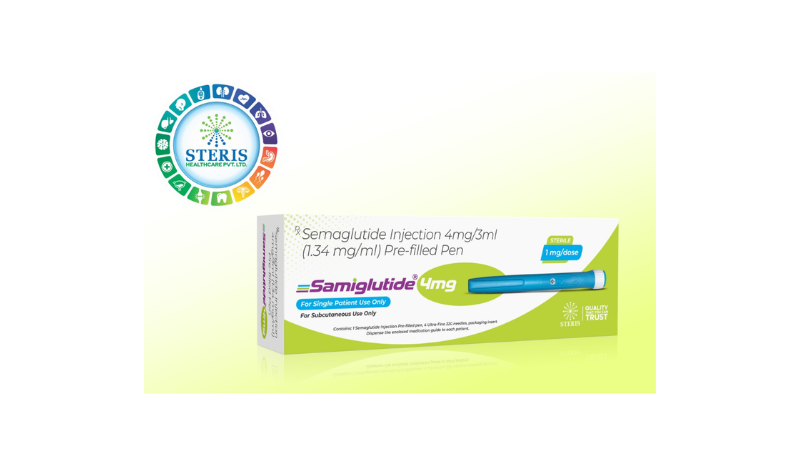
Semaglutide 4mg vs Pancreatitis Risk: What Doctors Want You to Know
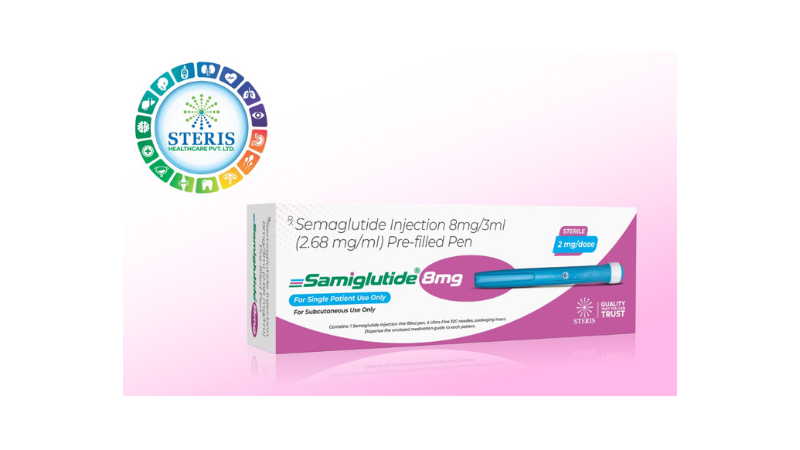
Semaglutide 8mg Injection: Frequently Asked Questions Answered by Experts
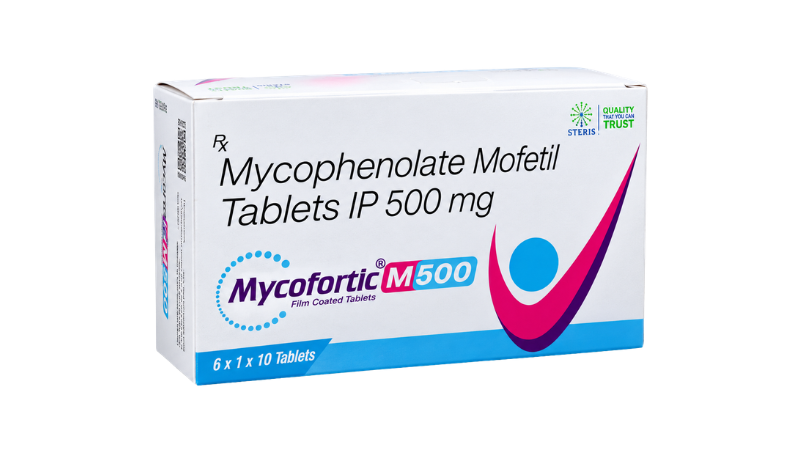
Mycophenolate Mofetil 500mg (Mycofortic M 500): Uses, Benefits & Precautions – Complete Guide
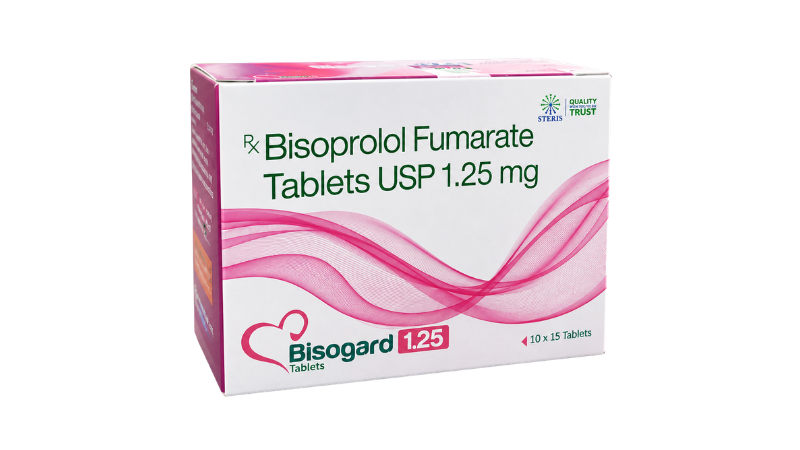
What is Bisogard 1.25? Bisoprolol 1.25mg Uses, Dosage & Side Effects Explained

Can Semaglutide Injection Be Used Without Diabetes?
What Are Nintedanib Soft Gelatin Capsules Used For? Complete Guide
Where to Buy Semaglutide Injection in India: Price, Pen & Prescription Guide
ERITOCOX BENZ 60/5 Dosage Guide: How to Take Etoricoxib & Cyclobenzaprine Tablets Safely
Gabapentin and Methylcobalamin Tablets Side Effects: What Patients Should Know
Thyroxine sodium tablets IP: उपयोग, फायदे और साइड इफेक्ट्स

