


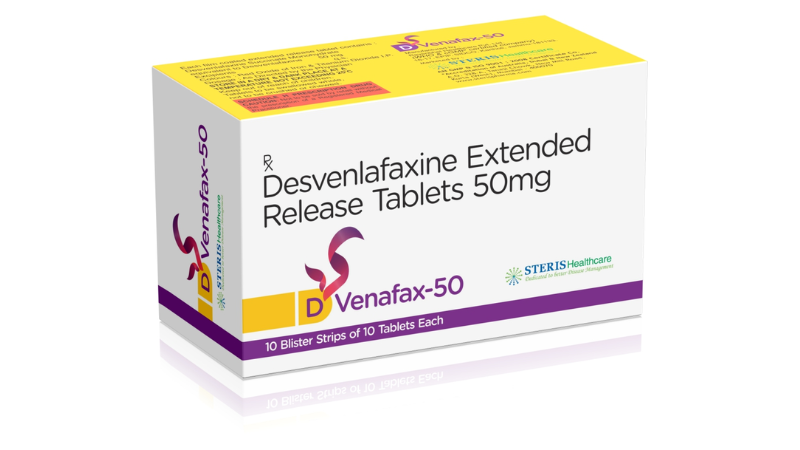



Desvenlafaxine 50 mg Extended Release Tablets for Effective Depression Relief
Jul 25, 2025
DVENAFAX 50 contains Desvenlafaxine Extended-Release (ER) 50 mg, an antidepressant medication widely prescribed for Major Depressive Disorder (MDD) and associated psychological symptoms such as sadness, irritability, emotional instability, and loss of interest. It is a well-studied serotonin-norepinephrine reuptake inhibitor (SNRI) that helps restore chemical balance in the brain and supports mental well-being.
This comprehensive guide explains everything about Desvenlafaxine ER 50 mg, including its uses, benefits, precautions, dosage schedule, drug interactions, side effects, safety in pregnancy, and long-term management. The content is crafted to support your SEO requirements while remaining medically accurate and patient-friendly.
Introduction to DVENAFAX 50 (Desvenlafaxine ER 50 mg)
In today’s fast-paced environment, psychological stress, anxiety, and depression are rising concerns across India. DVENAFAX 50 is designed to offer reliable support to patients dealing with major depressive symptoms. As an extended-release formulation, it ensures smooth drug release throughout the day and provides consistent therapeutic benefits with a lower risk of side effects.
Desvenlafaxine is a metabolite of venlafaxine and is known for its improved tolerability, predictable pharmacokinetics, and strong clinical outcomes in mood disorders. DVENAFAX 50 is commonly recommended as a first-line therapy due to its stability, efficacy, and better patient compliance.
What Is Desvenlafaxine and How Does It Work?
Desvenlafaxine belongs to the SNRI class of antidepressants. It works by increasing the levels of two key neurotransmitters:
1. Serotonin
Improves mood, emotional balance, sleep quality, and overall mental well-being.
2. Norepinephrine
Enhances focus, energy levels, motivation, and stress response.
By increasing the availability of these neurotransmitters in the brain, DVENAFAX 50 helps treat the core symptoms of depression and supports long-term emotional resilience.
Medical Uses of DVENAFAX 50 (Desvenlafaxine ER 50 mg)
DVENAFAX 50 is prescribed by psychiatrists and physicians for several reasons:
1. Major Depressive Disorder (MDD)
The primary use of Desvenlafaxine is to treat major depression characterized by:
-
Persistent sadness
-
Hopelessness
-
Loss of interest
-
Fatigue
-
Anxiety
-
Sleep disturbances
-
Poor concentration
2. Generalized Anxiety Symptoms (Off-label)
Although not officially indicated, Desvenlafaxine may help with:
-
Constant worry
-
Restlessness
-
Panic tendencies
-
Muscle tension
3. Menopause-Related Mood Instability (Off-label)
Desvenlafaxine can help reduce:
-
Mood swings
-
Irritability
-
Hot flashes
4. Stress-Induced Emotional Disturbances
Improves emotional stability, enhances coping ability, and supports a balanced mind.
Benefits of DVENAFAX 50
Patients using DVENAFAX 50 experience several positive outcomes, including:
1. Stabilized Mood
Reduces depressive episodes and improves emotional clarity.
2. Better Sleep Quality
Helps regulate sleep-wake cycles and reduces insomnia associated with depression.
3. Reduced Anxiety
Calms the mind and lowers stress-related symptoms.
4. Improved Focus and Productivity
Restores cognitive functions such as memory, concentration, and motivation.
5. Extended-Release Convenience
One tablet daily improves compliance and reduces fluctuations in blood drug levels.
6. Fewer Side Effects Compared to Older Antidepressants
Desvenlafaxine is better tolerated and safer for long-term use.
Before Using DVENAFAX 50
Patients should consider the following before starting Desvenlafaxine ER 50 mg:
1. Medical History
Inform your doctor if you have:
-
Kidney disorders
-
Liver disease
-
Seizures or epilepsy
-
Glaucoma
-
Bipolar disorder
-
Bleeding disorders
-
High blood pressure
2. Ongoing Medications
This medicine may interact with other psychiatric or chronic medications.
3. Pregnancy and Breastfeeding
Use only after a healthcare provider’s approval.
4. Alcohol Consumption
Alcohol may worsen drowsiness and mood instability.
Allergies
Avoid DVENAFAX 50 if you have ever experienced:
-
Rash
-
Breathing difficulty
-
Tongue or face swelling
-
Severe dizziness
after taking Desvenlafaxine, Venlafaxine, or similar antidepressants.
Immediate medical attention is essential if allergic reactions occur.
Use in Pediatric Patients
DVENAFAX 50 is not recommended under 18 years of age, unless a mental health specialist prescribes it in exceptional situations. Children may be more sensitive to mood fluctuations, suicidal thoughts, and emotional changes while using antidepressants.
Use in Geriatric Patients
Adults above 60 years can take the medicine safely, but they may require lower doses or closer monitoring because:
-
Kidney function declines with age
-
Blood pressure fluctuations may occur
-
Hyponatremia (low sodium) is more common
Regular follow-ups are required for elderly patients.
Use in Pregnancy
Desvenlafaxine should be used in pregnancy only when absolutely necessary. Potential newborn withdrawal symptoms may occur if taken close to delivery. Always consult a doctor for risk assessment.
Use During Breastfeeding
Small amounts of Desvenlafaxine may pass into breast milk. Breastfeeding mothers should discuss benefits versus risks with their doctor.
Drug Interactions
DVENAFAX 50 may interact with:
| Medicine Type | Effects |
|---|---|
| MAO inhibitors (linezolid, methylene blue, selegiline) | Risk of serotonin syndrome |
| Other antidepressants | Increased side effects |
| Blood thinners | Higher bleeding risk |
| NSAIDs (painkillers) | May cause stomach bleeding |
| Triptans (migraine) | Serotonin syndrome risk |
| Diuretics | Sodium levels may drop |
Patients should never mix this medicine with MAOIs within 14 days before or after use.
Other Interactions
1. Alcohol
Avoid alcohol as it worsens depression and increases sedation.
2. Herbal Supplements
St. John’s Wort increases serotonin syndrome risk.
3. Caffeine
May intensify anxiety or restlessness in some users.
Other Medical Problems
Inform your physician if you have:
-
Hypertension
-
Heart rhythm disorders
-
Vitamin deficiencies
-
Eating disorders
-
Frequent mood swings
-
Suicidal thoughts
These conditions may alter your treatment plan.
Proper Use of DVENAFAX 50
Follow your doctor’s instructions carefully:
1. Take Once Daily
Preferably at the same time every day for stable drug levels.
2. Do Not Chew or Crush
Extended-release tablets must be swallowed whole.
3. Continue Even After Improvement
Suddenly stopping antidepressants may cause withdrawal symptoms.
4. Healthy Routine
Combine treatment with:
-
Good sleep
-
Proper nutrition
-
Exercise
-
Stress management
This enhances treatment response.
Dosing Guidelines
The usual dosage for adults is:
Desvenlafaxine ER 50 mg Once Daily
This is the standard therapeutic dose. Some patients may require 100 mg, but only after medical supervision.
Special Situations
-
Kidney disease: Lower doses may be required
-
Severe disorders: Dose adjustments guided by psychiatrist
Never adjust your dosage on your own.
Missed Dose
If you miss a dose:
-
Take it as soon as you remember
-
Skip the dose if the next one is near
-
Never take two doses together
Regular consistency ensures best results.
Storage Instructions
Store DVENAFAX 50 at:
-
Room temperature
-
Away from heat, moisture, and direct sunlight
-
Out of reach of children
Do not use after the expiry date.
Precautions While Using DVENAFAX 50
1. Monitor Mood Changes
Depression medicines may sometimes cause:
-
Irritability
-
Suicidal thoughts
-
Mood swings
Report these immediately.
2. Avoid Driving Initially
Drowsiness or dizziness may occur.
3. Regular Blood Pressure Checks
SNRIs may slightly elevate BP.
4. Avoid Abrupt Discontinuation
Sudden stopping leads to withdrawal symptoms such as:
-
Anxiety
-
Sweating
-
Dizziness
-
Irritability
5. Avoid Alcohol
It worsens depression and affects sleep cycles.
Side Effects of DVENAFAX 50
Most side effects are mild and improve with continued use.
Common Side Effects
-
Nausea
-
Dry mouth
-
Dizziness
-
Constipation
-
Headache
-
Increased sweating
-
Insomnia
Less Common
-
Anxiety
-
Loss of appetite
-
Sexual dysfunction
-
Rapid heartbeat
-
Elevated blood pressure
Rare but Serious
-
Serotonin syndrome
-
Severe allergic reaction
-
Hyponatremia (low sodium)
-
Vision problems
Seek medical attention if severe symptoms occur.
Withdrawal Symptoms
Stopping suddenly may cause:
-
Irritability
-
Brain zaps
-
Flu-like feeling
-
Mood disturbances
-
Trouble sleeping
Always taper under medical supervision.
Long-Term Benefits of DVENAFAX 50
With consistent use and medical monitoring, Desvenlafaxine offers:
-
Better mood control
-
Stable emotional health
-
Improved confidence
-
Enhanced social functioning
-
Reduced anxiety and irritability
-
Stronger coping ability
Long-term therapy is safe when supervised by a psychiatrist.
Who Should Avoid DVENAFAX 50?
Do NOT use if you:
-
Are taking MAO inhibitors
-
Have uncontrolled hypertension
-
Have severe renal impairment
-
Experience severe allergic reactions to SNRIs
Patients with bipolar disorder require caution due to risk of mania.
Frequently Asked Questions (FAQ)
1. How long does DVENAFAX 50 take to work?
Improvement typically begins in 1–2 weeks, with full effect by 4–6 weeks.
2. Can it be taken long-term?
Yes, under medical supervision.
3. Is it addictive?
No, Desvenlafaxine is not habit-forming.
4. Can I stop once I feel better?
No, stopping abruptly is unsafe. Consult your doctor first.
5. Does it cause weight gain?
Weight changes are possible but less common than with older antidepressants.
Conclusion
DVENAFAX 50 (Desvenlafaxine ER 50 mg) is a dependable and well-researched antidepressant that helps patients regain emotional stability, reduce depressive symptoms, and restore mental wellness. Its once-daily extended-release formulation makes treatment comfortable and effective for long-term use.
Recent Post
How Semaglutide Injection 4 mg Helps Control Blood Sugar
What Is Telmisartan and Metoprolol Succinate Combination Used For?
TELMISTRUM TRIO 6.25: Telmisartan, Cilnidipine & Chlorthalidone Uses & Side Effects
TELMISTRUM AZ 16: Telmisartan 40mg & Azelnidipine 16mg Uses, Dosage & Side Effects
What Is Telmisartan and Chlorthalidone Combination Used For?
Telmisartan 40mg + Amlodipine 5mg Tablets: Uses, Dosage & Side Effects
Clarithromycin, Esomeprazole & Amoxicillin Combo Kit: View Uses, Side Effects and Medicines
What Is Amoxicillin Clavulanate with Lactic Acid Bacillus Used For?
Semaglutide Injection 2mg/3ml (SAMIGLUTIDE) – Uses, Benefits, Dosage & Side Effects

L-Glutathione, Vitamin C & Alpha Lipoic Acid Tablets: Uses, Benefits & Side Effects