





Eltrombopag Olamine 50 mg: Understanding Your Treatment for Low Platelets
Jan 19, 2026
Imagine a symphony orchestra where one crucial section consistently misses its notes, throwing the entire performance into disarray. In the intricate orchestra of the human body, platelets play a vital role, acting as the tiny, tireless musicians responsible for preventing uncontrolled bleeding. When their numbers drop too low, a condition known as thrombocytopenia, the body's ability to halt bleeding is compromised, posing a silent yet significant threat to health and well-being. This can range from annoying bruises and nosebleeds to severe, life-threatening internal hemorrhages.
For individuals grappling with persistent low platelet counts due to conditions like Immune Thrombocytopenia (ITP), Severe Aplastic Anemia (SAA), or even certain viral infections like Hepatitis C, the search for an effective, sustainable treatment is paramount. The journey often involves a complex dance between managing symptoms, mitigating risks, and seeking therapies that can restore the body's delicate balance.
Today, there is substantial hope on the horizon. Medical science has made significant strides in understanding the complex mechanisms that regulate platelet production. This deeper understanding has paved the way for innovative treatments designed to specifically target the root cause of low platelet counts. Among these breakthroughs, LTROLAMINE 50 stands out as a leading therapeutic option.
LTROLAMINE 50, ALSO AVAILABLE IN Eltrombopag Olamine 25mg containing the active ingredient Eltrombopag Olamine at a potent 50 mg dose, represents a new era in the management of thrombocytopenia. It's not merely a band-aid solution; it's a targeted intervention designed to empower the body to produce more platelets, thereby reducing the risk of bleeding and significantly improving the quality of life for countless patients.
This comprehensive guide aims to demystify LTROLAMINE 50, providing an in-depth exploration of its mechanism, its pivotal role in treating various forms of thrombocytopenia, how it's administered, and what patients can expect during their treatment journey. Whether you are a patient, a caregiver, or a healthcare professional, this article will serve as your definitive resource for understanding the profound impact of LTROLAMINE 50 in advancing the fight against low platelet counts.
Section 1: Decoding Thrombocytopenia – When Platelets Fall Short
Before delving into the specifics of LTROLAMINE 50, it’s crucial to understand the fundamental role of platelets and the implications of their deficiency.
What Exactly Are Platelets and Why Are They Vital?
Platelets, also known as thrombocytes, are tiny, disc-shaped cell fragments circulating in our blood. They are not full cells but are fragments derived from larger bone marrow cells called megakaryocytes. Despite their diminutive size, their function is monumental: they are the first responders in the body's clotting cascade.
When a blood vessel is damaged, platelets rush to the site, adhere to the injured surface, and aggregate together to form a "platelet plug." This initial plug acts like a temporary patch, staunching the flow of blood and providing a scaffold for the more robust fibrin clot to form. Without sufficient or functional platelets, even minor injuries can lead to prolonged bleeding, and spontaneous bleeding can occur internally.
Defining Thrombocytopenia: The Lowdown
Thrombocytopenia is a medical condition characterized by an abnormally low number of platelets in the blood. A normal platelet count typically ranges from 150,000 to 450,000 platelets per microliter of blood. When this count falls below 150,000, a person is diagnosed with thrombocytopenia. The severity of symptoms and bleeding risk generally correlate with how low the platelet count drops.
Common Causes of Thrombocytopenia
Thrombocytopenia can arise from various underlying causes, which generally fall into two categories: decreased production of platelets in the bone marrow or increased destruction or sequestration of platelets in the bloodstream or spleen.
-
Immune Thrombocytopenia (ITP):
- Understanding ITP: ITP is an autoimmune disorder where the body's immune system mistakenly attacks and destroys its own platelets. This can occur in both children and adults. It's classified as acute (lasting less than 6 months) or chronic (lasting 6 months or longer).
- Impact: Patients with ITP often experience bruising, petechiae (tiny red or purple spots on the skin), purpura (larger purple spots), nosebleeds, gum bleeding, and in severe cases, internal bleeding. Traditional treatments include corticosteroids, intravenous immunoglobulin (IVIG), and splenectomy, but many patients require ongoing management.
-
Severe Aplastic Anemia (SAA):
- Understanding SAA: SAA is a rare and serious blood disorder where the bone marrow fails to produce enough new blood cells, including red blood cells, white blood cells, and crucially, platelets. This results in pancytopenia (deficiency of all three blood cell types).
- Impact: SAA patients are at high risk of infection (due to low white blood cells), fatigue (due to low red blood cells), and severe bleeding (due to low platelets). Treatment often involves immunosuppressive therapy or bone marrow transplant.
-
Hepatitis C Virus (HCV)-Associated Thrombocytopenia:
- Understanding HCV-Associated Thrombocytopenia: Chronic Hepatitis C infection can lead to thrombocytopenia through various mechanisms, including reduced platelet production in the bone marrow and sequestration of platelets in an enlarged spleen (splenomegaly), often a complication of liver cirrhosis caused by HCV.
- Impact: This low platelet count can complicate the treatment of HCV itself, as many antiviral therapies require a certain platelet threshold, and patients may be at risk of bleeding during treatment.
-
Other Causes: Beyond these primary indications, thrombocytopenia can also be caused by:
- Certain medications (e.g., some chemotherapies, heparin-induced thrombocytopenia).
- Bone marrow disorders (leukemia, myelodysplastic syndromes).
- Viral infections (HIV, measles, mumps).
- Excessive alcohol consumption.
- Nutritional deficiencies (e.g., Vitamin B12 or folate deficiency).
- Sepsis or disseminated intravascular coagulation (DIC).
Symptoms and Risks: Recognizing the Signs
The signs of thrombocytopenia are often related to bleeding and can vary in severity:
- Easy bruising or purpura.
- Petechiae (small red or purple dots on the skin).
- Prolonged bleeding from cuts or minor injuries.
- Nosebleeds (epistaxis) or bleeding gums.
- Blood in urine or stools.
- Heavy menstrual bleeding.
- Fatigue (can be from anemia if also present).
- In severe cases, spontaneous internal bleeding, including intracranial hemorrhage, which is life-threatening.
Recognizing these symptoms and understanding their underlying causes is the first critical step toward effective management, and this is where innovative treatments like LTROLAMINE 50 play a transformative role.
Section 2: LTROLAMINE 50 – The Science of Platelet Stimulation
The advent of medications like LTROLAMINE 50 has revolutionized the treatment landscape for thrombocytopenia, moving beyond mere supportive care to actively stimulate platelet production.
What is LTROLAMINE 50? (Active Ingredient: Eltrombopag Olamine 50 mg)
LTROLAMINE 50 is a brand name for a medication containing the active ingredient Eltrombopag Olamine, delivered in a 50 mg oral tablet. Eltrombopag Olamine belongs to a class of drugs known as thrombopoietin receptor agonists (TPO-RAs). It is a small-molecule, non-peptide compound that can be taken orally, offering a significant advantage over previous injectable forms of TPO.
A Novel Approach: The Thrombopoietin Receptor Agonist (TPO-RA) Mechanism
To understand how LTROLAMINE 50 works, one must first understand thrombopoietin (TPO). TPO is a naturally occurring hormone primarily produced in the liver. It's the key regulator of platelet production. TPO binds to specific receptors on the surface of megakaryocytes (the large cells in the bone marrow that produce platelets) and their progenitor cells, signaling them to multiply, mature, and ultimately produce more platelets.
In many forms of thrombocytopenia, particularly ITP, the body's natural TPO levels might be normal or even elevated, but the megakaryocytes are often unable to respond effectively, or platelets are rapidly destroyed.
How LTROLAMINE 50 Works: Mimicking Nature's Design
LTROLAMINE 50 (Eltrombopag Olamine) acts as a thrombopoietin receptor agonist. This means it binds to and activates the TPO receptor on megakaryocytes in the bone marrow, mimicking the effects of natural thrombopoietin. This binding stimulates the proliferation and differentiation of megakaryocyte progenitor cells and the maturation of megakaryocytes, leading to an increased production of platelets.
Crucially, LTROLAMINE 50 binds to a different site on the TPO receptor than natural TPO, making it a "non-peptide" agonist. This unique binding mechanism allows it to exert its platelet-boosting effects even when natural TPO levels are altered or when the body's response to TPO is impaired.
The Journey to Development: A Breakthrough in Treatment
The development of TPO-RAs like Eltrombopag Olamine marked a significant paradigm shift in the treatment of thrombocytopenia. Before these agents, treatment options for chronic ITP often involved corticosteroids (which have significant side effects with long-term use), intravenous immunoglobulin (IVIG) for acute episodes, or splenectomy (surgical removal of the spleen, which carries its own risks). While these treatments can be effective, they often don't provide sustained platelet counts or can lead to considerable side effects.
LTROLAMINE 50 offers a targeted, oral, and often long-term solution that empowers the body's own platelet production machinery, providing a more physiological and potentially more sustainable approach to managing persistently low platelet counts.
Section 3: Who Benefits from LTROLAMINE 50? Key Indications Explored
LTROLAMINE 50 has been a game-changer for specific patient populations suffering from chronic thrombocytopenia. Its indications are carefully defined based on extensive clinical research and regulatory approvals.
Chronic Immune Thrombocytopenia (ITP):
- Understanding ITP's Impact: For patients with chronic ITP, the unpredictable nature of platelet counts and the constant threat of bleeding can severely impact their quality of life. Many fail to achieve sustained remission with first-line therapies or develop intolerable side effects.
- LTROLAMINE 50's Role in ITP Management: LTROLAMINE 50 is indicated for the treatment of chronic ITP in adults and pediatric patients aged 1 year and older who have had an insufficient response to previous treatments such as corticosteroids, immunoglobulins, or splenectomy. It offers a crucial second-line or later-line therapy.
- When is LTROLAMINE 50 Indicated for ITP? It's typically considered when patients continue to have platelet counts below 30,000-50,000/µL despite initial therapies, or when they require high doses of corticosteroids to maintain adequate counts. The goal is to raise platelet counts to a safe level (usually above 50,000/µL) to reduce the risk of bleeding.
Severe Aplastic Anemia (SAA):
- The Complexities of SAA: SAA is a devastating condition characterized by bone marrow failure, leading to a deficiency in all blood cell types. While immunosuppressive therapy (IST) is the mainstay of treatment, a significant portion of patients do not respond adequately or relapse.
- LTROLAMINE 50 as a Treatment Option for Refractory SAA: LTROLAMINE 50 is indicated for patients with severe aplastic anemia who have had an insufficient response to immunosuppressive therapy. For these challenging cases, it provides a vital new pathway to stimulate bone marrow activity.
- Mechanisms Beyond Platelets in SAA: In SAA, LTROLAMINE 50's action extends beyond just stimulating platelet production. Research suggests it may also promote the differentiation of hematopoietic stem cells, potentially leading to improved counts of red blood cells and white blood cells, addressing the broader pancytopenia.
Thrombocytopenia Associated with Chronic Hepatitis C Virus (HCV):
- HCV and Low Platelets: A Dual Challenge: Chronic HCV infection can cause thrombocytopenia, which often complicates the management of the viral infection itself. Historically, older interferon-based HCV treatments were myelosuppressive, meaning they could further lower platelet counts, sometimes making treatment initiation or completion difficult.
- Facilitating Antiviral Therapy with LTROLAMINE 50: LTROLAMINE 50 is indicated for the treatment of thrombocytopenia in patients with chronic HCV infection to enable them to initiate and maintain interferon-based antiviral therapy. By boosting platelet counts, it helps patients meet the necessary hematological thresholds for these vital HCV treatments. While direct-acting antiviral (DAA) therapies have largely replaced interferon, managing thrombocytopenia in patients with advanced liver disease due to HCV remains important.
Other Potential Uses and Ongoing Research
The unique mechanism of LTROLAMINE 50 has led to exploration in other areas. While not currently primary indications, research is ongoing into its potential use in:
- Myelodysplastic Syndromes (MDS)
- Thrombocytopenia secondary to chemotherapy
- Specific genetic platelet disorders
However, it is crucial to emphasize that LTROLAMINE 50 should only be used for its approved indications and under the strict guidance of a qualified healthcare professional.
Section 4: The Efficacy and Impact of LTROLAMINE 50 – Clinical Evidence
The widespread adoption and success of LTROLAMINE 50 are firmly rooted in robust clinical trials that have demonstrated its efficacy and safety across its approved indications.
Proven Results in Clinical Trials
Numerous randomized, placebo-controlled trials and long-term extension studies have unequivocally shown LTROLAMINE 50's ability to significantly increase and maintain platelet counts in patients with chronic ITP, SAA, and HCV-associated thrombocytopenia.
- For ITP: Studies have consistently shown that a significant proportion of ITP patients treated with Eltrombopag Olamine achieve and maintain a platelet count above 50,000/µL, reducing the need for rescue therapies (like IVIG or emergency corticosteroids) and allowing them to avoid or delay splenectomy.
- For SAA: In patients with severe aplastic anemia who had not responded to prior immunosuppressive therapy, Eltrombopag Olamine has demonstrated encouraging response rates, leading to improvements not just in platelet counts, but sometimes in red and white blood cell lines as well.
- For HCV-Associated Thrombocytopenia: Clinical data supports LTROLAMINE 50's role in helping HCV patients reach and maintain platelet counts necessary to initiate and complete antiviral therapy, which is crucial for eradicating the virus.
Reducing Bleeding Events: A Primary Goal
The ultimate goal of increasing platelet counts is to reduce the risk of bleeding. Clinical trials have confirmed that patients treated with LTROLAMINE 50 experience a statistically significant reduction in both major and clinically significant bleeding events. This directly translates to improved patient safety and a lower incidence of complications that can lead to hospitalizations or severe health consequences. The reduction in bleeding burden is one of the most impactful benefits for patients.
Improving Quality of Life for Patients
Beyond the numbers, the impact of LTROLAMINE 50 on a patient's daily life is profound. Living with the constant fear of bleeding, fatigue, and the need for frequent medical interventions can severely diminish quality of life. By stabilizing platelet counts:
- Patients can often resume more normal physical activities, leading to increased independence.
- The psychological burden of the disease is lessened, contributing to improved mental well-being.
- The frequency of healthcare visits for bleeding episodes or emergency treatments can decrease, freeing up time and reducing stress.
- For HCV patients, successful treatment with LTROLAMINE 50 allows them to receive life-saving antiviral therapy, leading to a cure for their HCV infection.
Comparing LTROLAMINE 50 to Traditional Therapies
While traditional therapies like corticosteroids, IVIG, and splenectomy have their place, they often come with limitations:
- Corticosteroids: Effective acutely but associated with significant long-term side effects (weight gain, bone density loss, mood changes, increased infection risk).
- IVIG: Effective for acute episodes but typically provides only transient increases in platelets and requires intravenous administration, often in a clinic setting.
- Splenectomy: A surgical procedure with inherent risks, and it's not effective for all patients.
LTROLAMINE 50, as an oral medication that directly stimulates platelet production, offers a more convenient, often more sustainable, and targeted approach with a different side effect profile, making it a valuable addition to the therapeutic arsenal for chronic thrombocytopenia.
Section 5: Navigating Your Treatment: How to Take LTROLAMINE 50 (50 mg)
Proper administration of LTROLAMINE 50 is critical for maximizing its effectiveness and ensuring patient safety. Your healthcare provider will provide specific instructions, but understanding these general guidelines is essential.
The Importance of the 50 mg Dosage
LTROLAMINE 50 specifically refers to the 50 mg tablet strength. This particular dosage is often a common maintenance dose for many adult patients once an optimal platelet response has been achieved, or it may be an initial starting dose depending on the indication and the patient's baseline platelet count. It is crucial never to adjust the dosage yourself; always follow your doctor's specific prescription, which may involve titrating the dose up or down based on your platelet response and tolerance.
Administration: Oral Tablets, Once Daily
LTROLAMINE 50 is designed for oral administration, meaning it is taken by mouth. It is typically prescribed to be taken once a day. Consistency in timing is often recommended to maintain steady drug levels in your body.
Crucial Dietary Considerations:
This is one of the most important aspects of taking LTROLAMINE 50 effectively, as its absorption can be significantly impacted by food and certain minerals.
- Taking on an Empty Stomach: LTROLAMINE 50 should always be taken on an empty stomach. This means you should take it at least 1 hour before a meal or 2 hours after a meal. This timing helps ensure proper absorption of the medication.
- The Calcium Interaction: What to Avoid: Perhaps the most critical dietary restriction is its interaction with calcium. LTROLAMINE 50 binds to polyvalent cations like calcium, iron, magnesium, aluminum, and selenium, which can significantly reduce its absorption. Therefore, it is imperative to take LTROLAMINE 50 at least 4 hours before or 4 hours after consuming any foods or supplements containing these minerals. This includes:
- Dairy products: Milk, cheese, yogurt, ice cream.
- Calcium-fortified foods/drinks: Fortified orange juice, cereals, non-dairy milk alternatives.
- Antacids: Many antacids contain calcium, magnesium, or aluminum.
- Mineral supplements: Calcium, iron, magnesium, selenium supplements.
- Meal Timing Strategies: To manage these restrictions, many patients find it helpful to take LTROLAMINE 50 in the morning immediately upon waking (at least an hour before breakfast) or late at night (at least two hours after dinner). Work with your healthcare team to find a schedule that fits your lifestyle while adhering to these crucial guidelines.
Initial Dosing and Dosage Adjustments
The starting dose of LTROLAMINE 50 (or another strength) will vary depending on your specific condition (ITP, SAA, HCV-associated thrombocytopenia), your baseline platelet count, and other individual factors. Your doctor will carefully titrate the dose over time based on your platelet response, aiming to achieve a safe and effective platelet count while using the lowest possible dose. This often involves weekly or bi-weekly platelet count checks initially.
What to Do if You Miss a Dose
If you miss a dose of LTROLAMINE 50, take it as soon as you remember, keeping in mind the empty stomach and calcium interaction rules. However, if it is almost time for your next scheduled dose, skip the missed dose and continue with your regular schedule. Do not take two doses at once to make up for a missed dose, as this could lead to dangerously high platelet counts. Always consult your doctor or pharmacist if you are unsure.
Proper Storage for Optimal Potency
Store LTROLAMINE 50 tablets at room temperature (typically between 20°C to 25°C or 68°F to 77°F), away from moisture and direct light. Keep them in their original packaging and out of the reach of children and pets. Do not use past the expiration date.
Adhering strictly to these administration guidelines is paramount for ensuring LTROLAMINE 50 effectively raises your platelet count and minimizes potential side effects.
Section 6: Monitoring and Managing Potential Side Effects with LTROLAMINE 50
Like all powerful medications, LTROLAMINE 50 comes with potential side effects, some common and others more serious. Close monitoring by your healthcare team and active communication on your part are essential for safe and effective treatment.
Essential Monitoring Procedures:
Regular monitoring is a cornerstone of LTROLAMINE 50 therapy. Your doctor will schedule routine tests to track your progress and detect any potential issues early.
- Regular Platelet Counts: This is the most direct measure of LTROLAMINE 50's effectiveness. Platelet counts will be checked frequently (often weekly initially, then less often once stable) to adjust your dose and ensure your count remains within a safe and therapeutic range.
- Liver Function Tests (LFTs): Eltrombopag Olamine can cause elevated liver enzymes, and in rare cases, more severe liver damage (hepatotoxicity). Your doctor will order regular blood tests to monitor your LFTs (ALT, AST, bilirubin). Any significant abnormalities may require dose adjustment or discontinuation.
- Bone Marrow Examination (Periodic): While less frequent, periodic bone marrow examinations may be conducted, especially in patients with SAA or those on long-term therapy, to assess for changes like increased reticulin or collagen fibrosis.
- Ophthalmologic Examination: Due to a potential risk of cataracts, particularly in pediatric patients, your doctor may recommend regular eye examinations, including slit lamp examination.
Serious Potential Side Effects:
While generally well-tolerated, some serious side effects, though less common, require immediate attention.
- Thrombotic/Thromboembolic Events (Blood Clots): One of the most significant concerns is the increased risk of blood clots. This risk is higher if platelet counts become excessively high (>400,000/µL) or if the patient has other risk factors for thrombosis (e.g., prior history of clots, certain underlying medical conditions). Blood clots can occur in veins (deep vein thrombosis, pulmonary embolism) or arteries (heart attack, stroke). Symptoms include:
- Swelling, pain, or redness in an arm or leg.
- Sudden shortness of breath or chest pain.
- Sudden numbness or weakness, especially on one side of the body.
- Vision changes.
- If you experience any of these symptoms, seek immediate medical attention.
- Hepatotoxicity (Liver Damage): As mentioned, elevated liver enzymes can occur. Severe hepatotoxicity is rare but possible. Symptoms of liver problems may include:
- Unusual tiredness or weakness.
- Loss of appetite.
- Nausea or vomiting.
- Yellowing of the skin or eyes (jaundice).
- Dark urine.
- Right upper quadrant abdominal pain.
- Report any of these symptoms to your doctor immediately.
- Bone Marrow Reticulin Formation and Fibrosis: In some patients, LTROLAMINE 50 can cause an increase in reticulin fibers in the bone marrow, which in rare cases can progress to collagen fibrosis. This change is usually detected during routine bone marrow examinations. The clinical significance of this finding is monitored by your physician.
Common Side Effects:
These are typically mild to moderate and often improve over time.
- Gastrointestinal Disturbances: Nausea, diarrhea, abdominal pain, and sometimes constipation are common.
- Fatigue and Headache: Many patients report feeling tired or experiencing headaches.
- Muscle Pain (Myalgia): Aching muscles can occur.
- Skin Rash: Mild skin rashes are sometimes observed.
- Upper Respiratory Tract Infections: Such as the common cold.
- Other less common side effects can include dizziness, insomnia, and paresthesia (tingling or numbness).
When to Contact Your Healthcare Provider:
It is crucial to maintain open communication with your doctor. Contact them if you experience:
- Any new or worsening symptoms.
- Symptoms of serious side effects (as listed above).
- Concerns about common side effects that are bothersome or persistent.
- Questions about your medication or treatment plan.
Your healthcare team is your best resource for managing LTROLAMINE 50 therapy safely and effectively. Never hesitate to voice your concerns.
Eltrombopag olamine tablets 50 mg price:for price please contact at steris healthcare.
Section 7: Living with Thrombocytopenia and LTROLAMINE 50: A Patient's Perspective
Living with a chronic condition like thrombocytopenia requires resilience, adaptation, and proactive management. LTROLAMINE 50 offers a powerful tool, but it's part of a broader journey toward improved health and quality of life.
Empowerment Through Understanding
Knowledge is power. Understanding your diagnosis, how LTROLAMINE 50 works, what to expect, and how to manage potential side effects empowers you to be an active participant in your care. This understanding reduces anxiety and allows you to make informed decisions with your healthcare team.
The Importance of Adherence
Consistency is key to the success of LTROLAMINE 50 therapy. Taking your medication precisely as prescribed, at the correct time, and adhering to dietary restrictions ensures that the drug effectively stimulates platelet production. Skipping doses or taking it incorrectly can lead to fluctuating platelet counts and diminish the treatment's benefits. If you struggle with adherence, discuss it openly with your doctor or pharmacist. They can offer strategies or adjustments to make your regimen more manageable.
Managing Expectations and Emotional Well-being
While LTROLAMINE 50 can significantly improve platelet counts and reduce bleeding risk, it's important to have realistic expectations.
- It's often a long-term treatment: For chronic conditions, LTROLAMINE 50 may be a long-term therapy, not a short-term cure.
- Platelet counts can fluctuate: Even with consistent treatment, platelet counts can sometimes fluctuate. Your doctor will guide you on what fluctuations are normal and when concern is warranted.
- Emotional Impact: Living with a chronic illness can take an emotional toll. Feelings of anxiety, frustration, or sadness are common. Seeking support from family, friends, support groups, or mental health professionals can be invaluable.
Resources and Support Systems
Connecting with others who understand your journey can be incredibly beneficial. Patient advocacy groups for ITP, SAA, or HCV often provide valuable resources, educational materials, and platforms for peer support. These communities can offer practical advice and emotional encouragement. Your healthcare provider can help you find reputable organizations.
Communicating Effectively with Your Healthcare Team
Your healthcare team is your partner in managing your condition. Effective communication involves:
- Being open and honest: Share all your symptoms, concerns, and any side effects you experience, no matter how minor they seem.
- Asking questions: Don't hesitate to ask for clarification on your treatment plan, test results, or anything you don't understand.
- Keeping records: Maintain a journal of your symptoms, bleeding events, side effects, and medication adherence. This information can be incredibly helpful for your doctor in making treatment decisions.
Embracing LTROLAMINE 50 as part of a holistic approach to managing thrombocytopenia, alongside self-care and robust communication, can lead to a more stable, healthier, and fulfilling life.
Section 8: Important Considerations and Special Populations
While LTROLAMINE 50 is a highly effective medication, certain situations and patient populations require specific considerations and careful management.
Pregnancy and Breastfeeding: Navigating Treatment
- Pregnancy: Data on the use of Eltrombopag Olamine in pregnant women is limited. Animal studies have shown developmental toxicity. Therefore, LTROLAMINE 50 is generally not recommended during pregnancy unless the potential benefit outweighs the potential risk to the fetus. Women of childbearing potential should use effective contraception during treatment and for at least 7 days after the last dose.
- Breastfeeding: It is not known if Eltrombopag Olamine is excreted in human milk. Due to the potential for serious adverse reactions in a breastfed infant, a decision should be made whether to discontinue nursing or discontinue the drug, taking into account the importance of the drug to the mother. Always discuss these considerations with your doctor if you are pregnant, planning to become pregnant, or breastfeeding.
Pediatric Use: Specific Guidelines for Young Patients
LTROLAMINE 50 is approved for pediatric patients aged 1 year and older with chronic ITP. The dosing for children is weight-based, and careful titration is essential. Children may be at a higher risk of cataracts, making regular ophthalmologic examinations particularly important in this population. Parents and caregivers should ensure strict adherence to the administration guidelines, especially regarding dietary interactions.
Geriatric Use: Considerations for Older Adults
No overall differences in safety or efficacy have been observed between older and younger adult patients, but greater sensitivity of some older individuals cannot be ruled out. As with many medications, caution is advised in geriatric patients, often starting with a lower dose and titrating slowly due to potential comorbidities and altered drug metabolism.
Patients with Hepatic Impairment: Dosage Adjustments
Eltrombopag Olamine is primarily metabolized in the liver. Patients with hepatic impairment (liver disease) may have increased exposure to the drug, potentially leading to higher drug levels in the blood. Therefore, a reduced starting dose and careful monitoring of liver function are typically required for these patients. Your doctor will assess your liver function and adjust the dose accordingly.
Patients with Renal Impairment: Cautions and Monitoring
For patients with renal impairment (kidney disease), no specific dose adjustment is usually recommended. However, caution is advised due to limited clinical experience in this population. Close monitoring for adverse effects is prudent.
Drug Interactions: A Comprehensive Look
LTROLAMINE 50 can interact with other medications. It is crucial to inform your doctor and pharmacist about all prescription drugs, over-the-counter medications, and herbal supplements you are taking.
- Polyvalent Cations: As discussed, medications containing calcium, iron, magnesium, aluminum, selenium, and zinc (e.g., antacids, mineral supplements) should be taken at least 4 hours apart from LTROLAMINE 50.
- Statins: Eltrombopag Olamine can increase the systemic exposure of certain statins (e.g., rosuvastatin, pitavastatin) by inhibiting their uptake. Your doctor may need to reduce the dose of your statin if you are taking it concurrently.
- Other Medications: LTROLAMINE 50 can also interact with other drugs metabolized by specific enzymes or transport proteins (e.g., irinotecan, topotecan, methotrexate). A thorough review of your medication list by your healthcare provider is essential to prevent potential interactions.
Discontinuation of LTROLAMINE 50: Managing Rebound Thrombocytopenia
When LTROLAMINE 50 treatment is discontinued, platelet counts typically return to pretreatment levels within 1 to 2 weeks. There is a risk of "rebound thrombocytopenia," where platelet counts may drop below baseline levels, increasing the risk of bleeding. Close monitoring of platelet counts is essential after discontinuation, and your doctor will provide a plan for managing this potential risk.
These considerations underscore the importance of a personalized approach to LTROLAMINE 50 therapy, with continuous collaboration between the patient and their specialized healthcare team.
Conclusion: LTROLAMINE 50 – Advancing the Fight Against Low Platelets
The journey of managing chronic thrombocytopenia is often fraught with challenges, uncertainty, and the constant threat of bleeding. However, the introduction of innovative therapies like LTROLAMINE 50 (Eltrombopag Olamine 50 mg) has profoundly transformed the landscape of treatment, offering a new beacon of hope for patients worldwide.
Throughout this comprehensive guide, we've explored the intricate world of platelets and the debilitating impact of their deficiency. We've delved into the sophisticated science behind LTROLAMINE 50, understanding its unique mechanism as a thrombopoietin receptor agonist that effectively stimulates the body's natural machinery to produce more platelets. We've highlighted its critical role in empowering individuals with chronic Immune Thrombocytopenia (ITP), severe Aplastic Anemia (SAA), and Hepatitis C Virus-associated thrombocytopenia to achieve stable platelet counts and significantly reduce their risk of bleeding.
The clinical evidence supporting LTROLAMINE 50 is robust, demonstrating its efficacy not just in numerical increases of platelets, but in tangible improvements in patient safety and overall quality of life. From precise administration guidelines, including crucial dietary considerations, to diligent monitoring and proactive management of potential side effects, every aspect of LTROLAMINE 50 therapy is designed with patient well-being at its core.
The commitment of LTROLAMINE 50 extends beyond just providing a medication; it represents a dedication to advancing hematological care, offering a pathway for patients to live more active, less fear-filled lives. It underscores the power of targeted medicine to address complex blood disorders and make a meaningful difference in chronic disease management.
If you or a loved one are living with persistent low platelet counts, it is imperative to open a dialogue with your healthcare professional. Discuss your symptoms, your current treatments, and whether LTROLAMINE 50 could be a suitable and beneficial option for your specific condition. Do not self-diagnose or self-medicate; always rely on the expert guidance of your medical team.
Recent Post
Itopride Hydrochloride Uses: What It Treats and How It Works
Glimepiride 0.5 mg + Voglibose 0.2 mg + Metformin SR 500 mg | Steris Healthcare
Trimetazidine Hydrochloride Modified Release Tablets 35 mg Uses, Benefits

EUROSOFT MOSQUITO SHIELD
Olmesartan and Metoprolol: Uses, Benefits, Dosage & Side Effects | Steris Healthcare
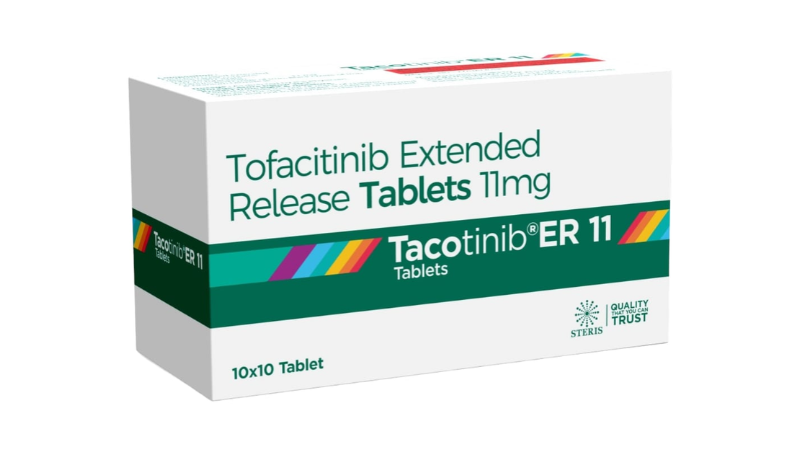
Tofacitinib 11 mg Tablets: A Complete Guide to Uses and Side Effects
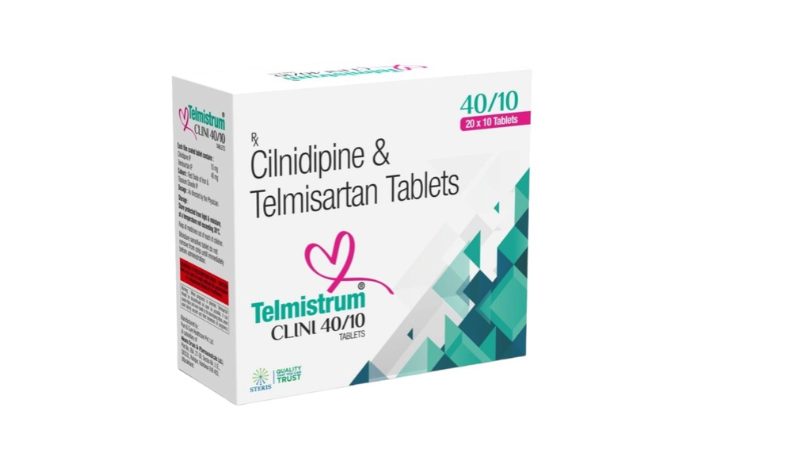
Olmesartan Medoxomil + Metoprolol Succinate: Uses, Dosage
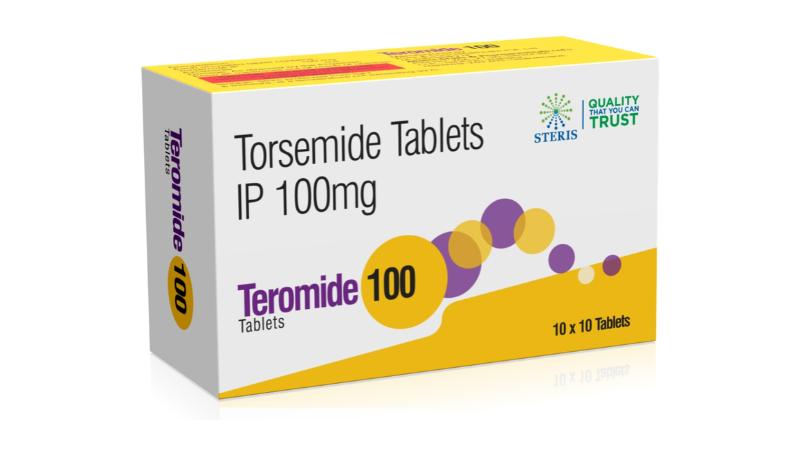
Torsemide 100 mg: Uses, Dosage, Side Effects, and Precautions
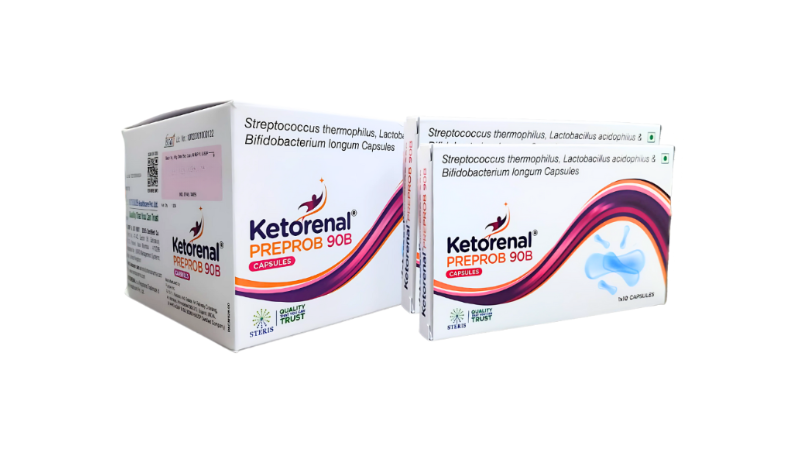
How Streptococcus Thermophilus Supports Digestive Health
Olmesartan Medoxomil + Metoprolol Succinate: Uses, Benefits & Side Effects

