


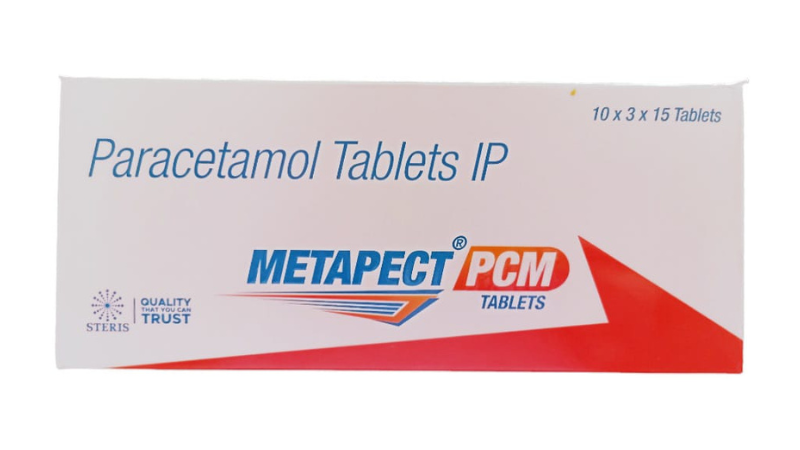



Paracetamol 650 – Uses, Dosage, Side Effects & Precautions
Jun 23, 2025
Paracetamol 650 mg is an extended or immediate-release formulation of acetaminophen providing a higher single dose than the standard 500 mg tablet. It is widely used for moderate pain (headache, toothache, backache, musculoskeletal pain, post-operative pain) and fever reduction in adults. It acts centrally by inhibiting prostaglandin synthesis in the CNS and modulating descending serotonergic pain pathways. The 650 mg dose provides more sustained analgesia — particularly in extended-release form — while remaining within the safe daily ceiling of 4 g for healthy adults when dosed correctly.
What is paracetamol 650 mg?
Paracetamol 650 mg is a single-unit oral analgesic and antipyretic tablet containing 650 milligrams of paracetamol (also known as acetaminophen, INN: paracetamol). It is available in two formulations: immediate-release (IR), which releases the full dose rapidly for fast onset, and extended-release (ER or SR), which dissolves over 8 hours to maintain steady analgesic plasma levels and reduce dosing frequency.
The 650 mg dose was developed to bridge the efficacy gap between the standard 500 mg tablet (often insufficient for moderate pain) and the 1000 mg dose (which requires a two-tablet regimen with standard formulations). It is one of the most widely prescribed analgesic strengths in India and Southeast Asia for conditions requiring sustained pain control.
How does paracetamol 650 mg work?
1. Central COX inhibition: Paracetamol inhibits cyclooxygenase (COX) enzymes — primarily COX-2 and a proposed COX-3 isoform — within the central nervous system. This reduces the synthesis of prostaglandins E2 (PGE2) and I2 in the hypothalamus and spinal cord, lowering both pain perception and the hypothalamic set-point for body temperature (antipyretic effect). Unlike NSAIDs, this inhibition is selective for the CNS and does not significantly suppress peripheral prostaglandin production.
2. Serotonergic pathway modulation: Paracetamol activates descending serotonergic inhibitory pain pathways in the brain and spinal cord. It stimulates 5-HT3 serotonin receptors in the dorsal horn of the spinal cord, enhancing the body's natural pain-suppression signals. This mechanism — distinct from NSAIDs and opioids — contributes to its analgesic effect without producing sedation or addiction.
3. Endocannabinoid system interaction: The active metabolite AM404 (formed from paracetamol in the brain) inhibits the reuptake of the endocannabinoid anandamide and activates TRPV1 (vanilloid) receptors. This interaction amplifies the analgesic effect and may partly explain paracetamol's efficacy in pain types where simple COX inhibition would be insufficient.
4. Antipyretic action: By reducing PGE2 production in the hypothalamus, paracetamol resets the elevated thermoregulatory set-point back to normal range. This causes peripheral vasodilation and sweating, effectively lowering body temperature in febrile states. Unlike aspirin, it does not affect normal body temperature (no hypothermic risk at therapeutic doses).
5. Extended-release mechanism (ER formulation): The 650 mg ER tablet uses a matrix or bilayer technology — an immediate-release layer provides ~325 mg for rapid onset within 30–60 minutes, while an extended-release core delivers the remaining ~325 mg over 6–8 hours, maintaining therapeutic plasma concentrations (10–20 mcg/mL) without peak-and-trough fluctuations.
Paracetamol 650 mg vs 500 mg vs 1000 mg — comparison
| Factor | Paracetamol 500 mg | Paracetamol 650 mg | Paracetamol 1000 mg |
|---|---|---|---|
| Standard dosing frequency | Every 4–6 hours | Every 6–8 hours (ER) | Every 6–8 hours |
| Max doses/day | 8 tablets (4 g) | 6 tablets (3.9 g) | 4 tablets (4 g) |
| Onset of action | 20–30 min | 30–60 min (ER); 20–30 min (IR) | 20–30 min |
| Duration of action | 4–6 hours | 6–8 hours (ER) | 4–6 hours |
| Suitable for moderate pain | Borderline | Yes | Yes |
| Convenience (fewer tablets) | Less convenient | More convenient | Requires 2 × 500 mg tablets |
| Hepatotoxicity risk at max dose | Low (if 4 g/day limit respected) | Low (if 3.9 g/day limit respected) | Low (if 4 g/day limit respected) |
Indications: when is paracetamol 650 mg prescribed?
Paracetamol 650 mg is indicated for the relief of mild to moderate pain and fever across a wide range of clinical conditions:
Headache and migraine Fever (pyrexia) Toothache and dental pain Post-operative pain Musculoskeletal pain Osteoarthritis pain Menstrual pain (dysmenorrhoea) Low back pain Cold and flu symptoms Post-vaccination fever Sore throat pain Ear pain (otalgia)
Dosage and administration
| Patient group | Dose | Frequency | Maximum daily dose |
|---|---|---|---|
| Adults (≥18 years, >50 kg) | 650 mg (1 tablet) | Every 6–8 hours | 3.9 g (6 tablets) |
| Elderly (≥65 years) | 650 mg (1 tablet) | Every 8 hours | 2.6 g (4 tablets) |
| Hepatic impairment (mild–moderate) | 650 mg (1 tablet) | Every 8–12 hours | 2 g (3 tablets) — physician guidance required |
| Renal impairment (CrCl 10–50 mL/min) | 650 mg (1 tablet) | Every 8 hours | 2.6 g — physician guidance required |
| Children under 12 years | Not recommended at this strength | — | Weight-based dosing required |
Contraindications and precautions
| Condition | Recommendation |
|---|---|
| Known hypersensitivity to paracetamol | Contraindicated |
| Severe hepatic impairment (Child-Pugh C) | Contraindicated |
| Acute hepatitis or active liver disease | Avoid |
| Chronic heavy alcohol use (≥3 drinks/day) | Avoid or use with extreme caution |
| Concurrent use of other paracetamol-containing products | Avoid — overdose risk |
| Mild–moderate hepatic impairment | Reduce dose — physician supervision |
| Severe renal impairment (CrCl <10 mL/min) | Extend dosing interval to 8 hours minimum |
| Glucose-6-phosphate dehydrogenase (G6PD) deficiency | Use with caution — rare hemolysis risk |
| Warfarin / anticoagulant therapy | Monitor INR — paracetamol can potentiate warfarin effect at high doses |
| Pregnancy (first and second trimester) | Safe at lowest effective dose for shortest duration |
Drug interactions
| Interacting drug / substance | Effect | Action required |
|---|---|---|
| Warfarin and other coumarins | Paracetamol at high doses (>2 g/day) increases anticoagulant effect and bleeding risk | Monitor INR; limit paracetamol to <2 g/day if possible |
| Carbamazepine, phenytoin, rifampicin | Enzyme inducers (CYP2E1/CYP3A4) increase NAPQI production — elevated hepatotoxicity risk | Reduce paracetamol dose; avoid at maximum doses |
| Isoniazid (anti-TB) | CYP2E1 induction increases NAPQI; combined hepatotoxicity risk | Avoid concurrent high-dose paracetamol; monitor LFTs |
| Alcohol (ethanol) | CYP2E1 induction + glutathione depletion = significantly elevated liver damage risk | Avoid or strictly limit paracetamol; reduce to <2 g/day |
| Metoclopramide / domperidone | Increases gastric emptying, enhancing paracetamol absorption and speed of onset | No dose adjustment required; may be co-prescribed intentionally |
| Probenecid | Inhibits glucuronidation of paracetamol, increasing plasma levels and half-life | Reduce paracetamol dose if co-administered |
| Cholestyramine | Reduces paracetamol absorption if taken within 1 hour | Separate administration by at least 1–2 hours |
Storage and dispensing
Store below 30°C in a dry place, protected from moisture and direct sunlight. Keep in the original blister packaging until use. Do not store in the bathroom or kitchen (humidity affects tablet integrity). Keep out of reach of children — paracetamol overdose in children is a medical emergency requiring immediate hospital care and N-acetylcysteine (NAC) antidote therapy. Check all household medicines for paracetamol content to avoid inadvertent double-dosing.
Frequently asked questions
What is the difference between paracetamol 500 mg and paracetamol 650 mg?
Paracetamol 650 mg provides a 30% higher dose than the standard 500 mg tablet, offering more effective relief for moderate pain. The key clinical difference lies in the extended-release formulation available at 650 mg: while the 500 mg tablet typically works for 4–6 hours and needs to be taken every 4–6 hours, the 650 mg ER tablet provides analgesia for up to 8 hours — reducing the number of daily doses from 6–8 (for 500 mg) to 4–6. This makes the 650 mg dose more convenient for patients with persistent or chronic pain conditions and reduces the risk of missed doses.
Can paracetamol 650 mg be taken on an empty stomach?
Yes, paracetamol 650 mg can be taken with or without food. Unlike NSAIDs such as ibuprofen or diclofenac, paracetamol does not irritate the gastric mucosa and does not require food to protect the stomach lining. However, taking it with a small amount of food or water is generally recommended to aid swallowing. For the extended-release formulation specifically, swallowing the tablet whole without crushing or chewing is essential — breaking the tablet destroys the modified-release mechanism and delivers the full 650 mg dose immediately, which can be harmful.
Is paracetamol 650 mg safe during pregnancy?
Paracetamol is the analgesic of choice during pregnancy and is considered the safest option across all three trimesters. The 650 mg dose can be used at the lowest effective dose and for the shortest duration necessary. NSAIDs are contraindicated from 20 weeks onward due to fetal renal and cardiovascular risks, making paracetamol the preferred agent for pain and fever in pregnant women. While short-term use at therapeutic doses is considered safe, prolonged or high-dose use during pregnancy should be avoided and requires physician guidance. Recent observational data have prompted advisory bodies to recommend cautious use — always using the minimum effective dose for the shortest time.
Can paracetamol 650 mg be taken with ibuprofen or other NSAIDs?
Yes — paracetamol and ibuprofen can be safely co-administered as they have different mechanisms of action and do not interact pharmacokinetically. This combination is frequently used in clinical practice for post-operative pain, dental pain, and moderate to severe acute pain, as the two drugs provide additive and complementary analgesia. The two can be alternated or taken simultaneously (at their respective recommended doses). However, paracetamol should not be combined with other paracetamol-containing products (e.g., combination cold/flu medicines), as this risks exceeding the 4 g/day maximum dose and causing hepatotoxicity.
What are the side effects of paracetamol 650 mg?
At therapeutic doses, paracetamol 650 mg is one of the safest analgesics available and is very well tolerated. Side effects at recommended doses are rare. Occasional mild side effects may include nausea, stomach discomfort, and skin rash. Serious adverse effects are almost exclusively associated with overdose: hepatotoxicity (liver damage) caused by accumulation of the toxic metabolite NAPQI is the primary risk and occurs with acute ingestion above 7.5–10 g in adults or chronic daily intake exceeding 4 g, particularly in individuals who consume alcohol regularly, are malnourished, or have pre-existing liver disease. Allergic reactions, including urticaria and angioedema, are extremely rare.
How long does paracetamol 650 mg take to work?
For the immediate-release formulation, pain relief typically begins within 20–30 minutes of oral administration, with peak effect at 1–2 hours. For the extended-release 650 mg tablet, onset may be slightly slower (30–60 minutes) due to the phased release mechanism, but the analgesic effect is sustained for 6–8 hours without the sharp drop in effect seen with IR formulations. Antipyretic (fever-reducing) effects are generally noticeable within 30–60 minutes in adults, with maximum temperature reduction occurring at 1.5–3 hours post-dose.
Is paracetamol 650 mg safe for people with liver disease?
Paracetamol is metabolized almost entirely by the liver, making caution essential in patients with hepatic impairment. In mild to moderate liver disease (Child-Pugh A or B), paracetamol can still be used at reduced doses — typically 2 g per day maximum, with extended intervals between doses (every 8–12 hours). It remains preferable to NSAIDs in liver disease patients, as NSAIDs carry risks of renal impairment and variceal bleeding. In severe hepatic failure (Child-Pugh C), paracetamol is generally contraindicated. Chronic alcohol consumption significantly increases hepatotoxicity risk by inducing CYP2E1 (which produces more NAPQI) and depleting glutathione reserves.
What is paracetamol 650 mg used for?
Paracetamol 650 mg is used to reduce fever and relieve mild to moderate pain such as headaches, muscle aches, back pain, and post-vaccination fever. It is also helpful in managing toothaches and menstrual cramps.
How many paracetamol 650 mg tablets can an adult take in a day?
The usual dosage for adults is one paracetamol 650 mg tablet every 4 to 6 hours, not exceeding 4 tablets in 24 hours unless prescribed otherwise by a healthcare professional.
Is it safe to take paracetamol 650 mg every day?
Paracetamol 650 mg is generally safe when used occasionally as directed. However, long-term or daily use should be monitored by a healthcare provider to avoid liver damage.
Can I take paracetamol 650 mg on an empty stomach?
Yes, paracetamol can be taken with or without food. However, taking it with food may reduce the chances of stomach upset in some individuals.
Where can I buy METAPECT PCM paracetamol 650 mg tablets?
You can purchase METAPECT PCM directly from the SterisOnline website, or from local pharmacies across India. Always choose genuine platforms to ensure quality and safety.
How many paracetamol 650 can be taken in a day?
This information is for general knowledge and should not be taken as medical advice. Consult with a healthcare professional or pharmacist to determine the appropriate dosage for your specific needs, as individual health factors can affect safe usage.
How many 650 mg paracetamol can i take ?
Adults can usually take 650 mg every 4–6 hours as needed. Do not exceed 3,000 mg daily without medical advice. Follow your doctor's prescribed dosage.
Paracetamol 650 how many times a day?
Take one 650 mg tablet every 6–8 hours, maximum four tablets daily, unless your doctor advises otherwise.
What is the difference between paracetamol 500 and paracetamol 650?
The main difference is strength: paracetamol 650 mg contains 150 mg more than 500 mg. Both relieve pain and fever.
For Further More Information:
Mail Us: contact@sterispharma.com or info@sterispharma.com
Call Now: +918824175417, +919982524671
Recent Post
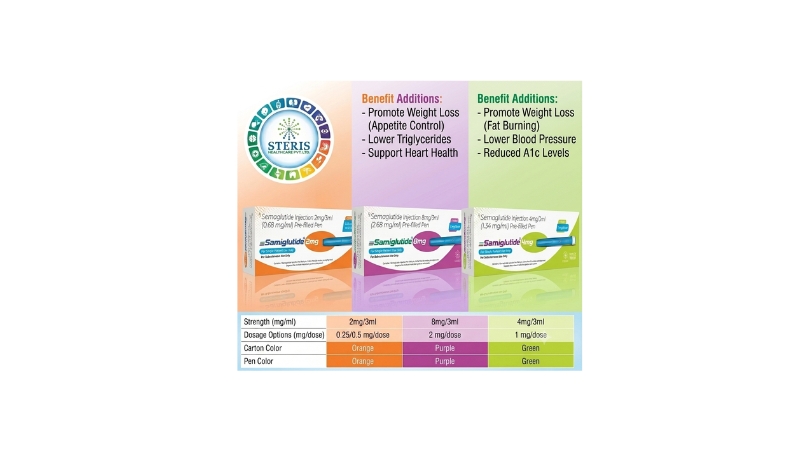
Semaglutide Injection in Hindi: Uses, Dosage, Side Effects और Price
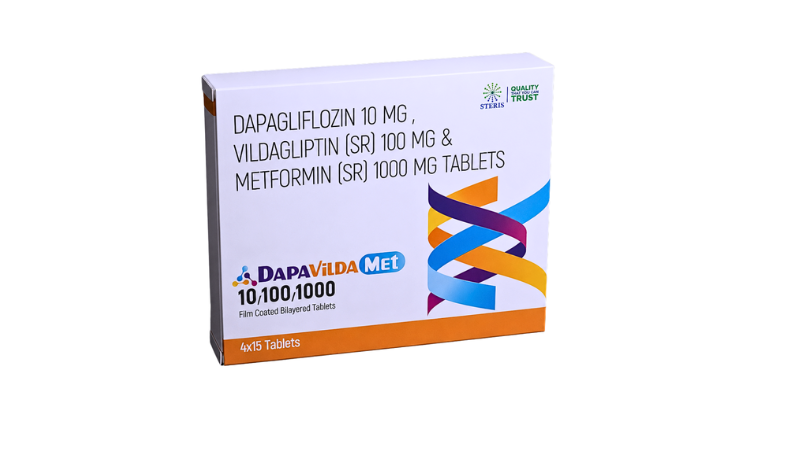
Dapagliflozin, Vildagliptin & Metformin 1000mg की पूरी जानकारी
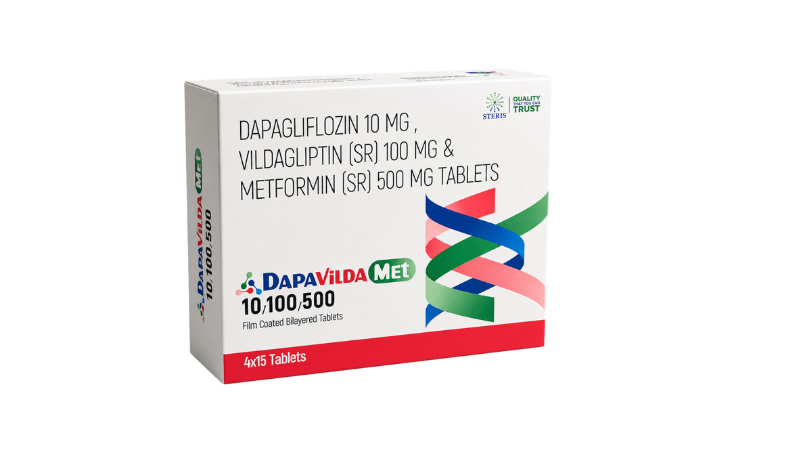
Dapagliflozin 10mg + Vildagliptin 100mg + Metformin 500mg: ट्रिपल-एक्शन दवा कैसे करती है शुगर कंट्रोल?
Glimepiride 2mg, Metformin 500mg और Voglibose 0.2mg दवा कब और कैसे लें? पूरी जानकारी
Empagliflozin 10 mg Tablet: टाइप 2 डायबिटीज और दिल की सेहत के लिए क्यों है खास?
Amlodipine 5 mg + Telmisartan 40 mg + Metoprolol 50 mg: उपयोग, फायदे और खुराक
Silodosin 8 mg Tablet: उपयोग, लाभ, कीमत और खरीदने की जानकारी
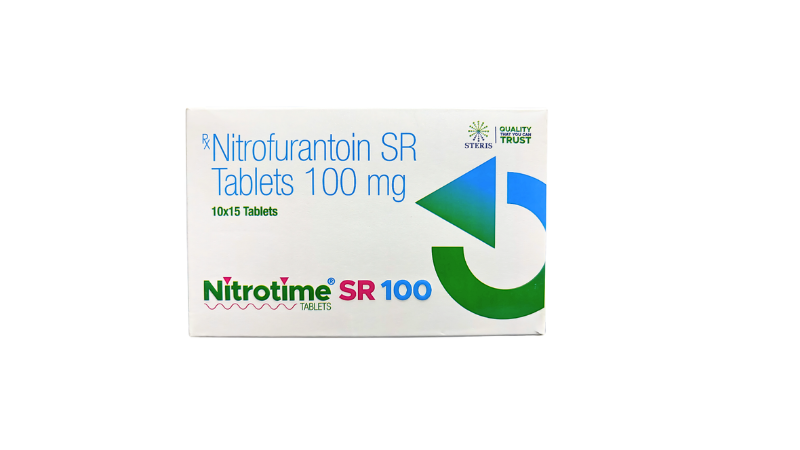
Nitrofurantoin Sustained Release Tablets: कैसे काम करती हैं, फायदे, नुकसान और डोज़ गाइड
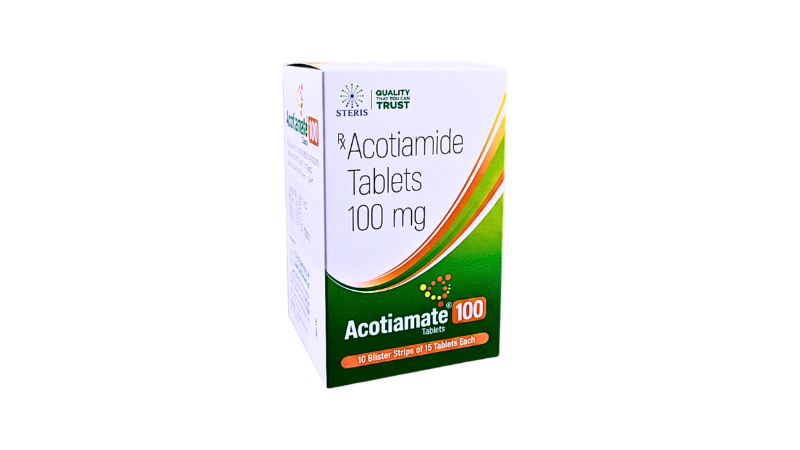
Acotiamide Tablet Uses in Hindi: कैसे काम करती है, फायदे, नुकसान और डोज़ गाइड
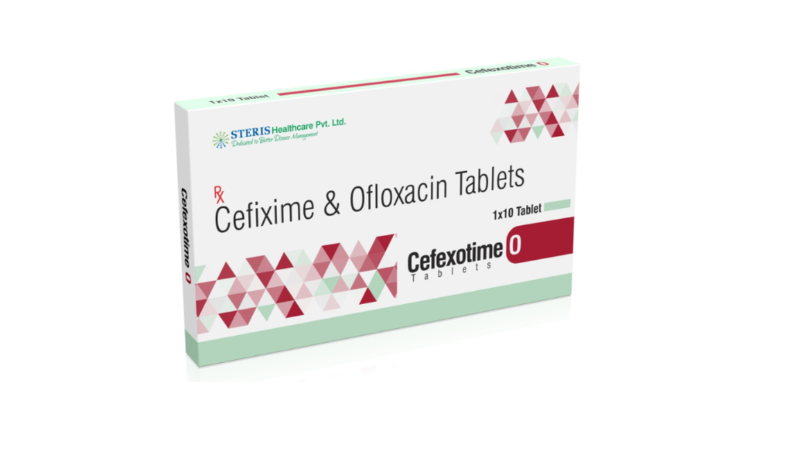
Cefixime 200mg + Ofloxacin 200mg Tablet: उपयोग, फायदे और सही खुराक की पूरी जानकारी

