


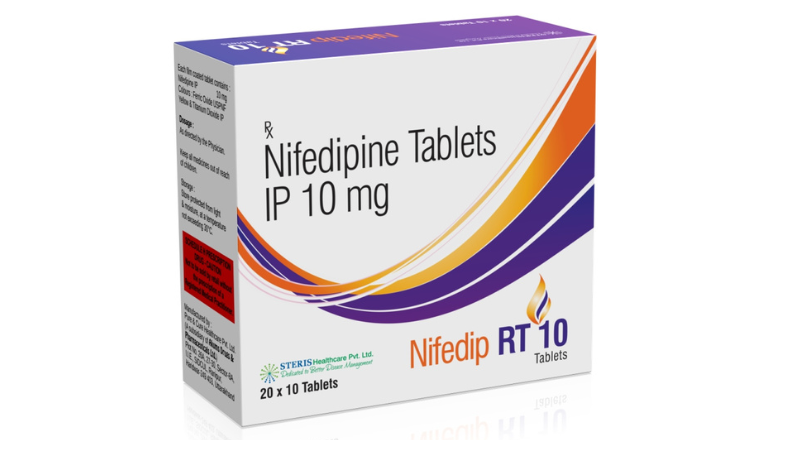



NIFEDIP RT 10 Mg & Nifedipine ER (10mg) : View Uses, Side Effects, Dosage and more information...
Apr 15, 2024
Nifedipine Tablet is a widely prescribed medicine used to manage high blood pressure (hypertension) and certain types of chest pain (angina). It belongs to a class of medicines called calcium channel blockers, which help relax and widen blood vessels. This allows blood to flow more easily, reduces the workload on the heart, and helps lower blood pressure.
High blood pressure is often called a "silent condition" because many people do not experience noticeable symptoms. If left untreated, it can increase the risk of heart attack, stroke, kidney disease, and other serious health problems. Similarly, angina occurs when the heart does not receive enough oxygen-rich blood, causing chest discomfort or pain. Taking the right medicine at the right time can help control these conditions and improve overall heart health.
Doctors prescribe Nifedipine Tablets to help maintain healthy blood pressure, reduce episodes of chest pain, and lower the risk of cardiovascular complications. The medicine is available in different strengths and formulations, including immediate-release and extended-release tablets. Your doctor will recommend the most suitable option based on your medical condition.
For the best results, Nifedipine should be taken regularly along with healthy lifestyle changes such as reducing salt intake, eating a balanced diet, exercising regularly, maintaining a healthy weight, avoiding smoking, and managing stress.
What is a Nifedipine Tablet?
A Nifedipine Tablet is a prescription medicine that relaxes the muscles of blood vessel walls by blocking the movement of calcium into these muscles. When blood vessels relax, blood pressure decreases and blood circulation improves.
This action makes Nifedipine useful for treating conditions related to narrowed blood vessels and increased blood pressure. In some cases, doctors may also prescribe it for other medical conditions based on individual patient needs.
Because blood pressure often remains high without symptoms, regular treatment is important even if you feel healthy.
Nifedipine Tablet Uses
Doctors commonly prescribe Nifedipine Tablets for:
- Treatment of high blood pressure (Hypertension)
- Prevention and treatment of chronic stable angina
- Management of vasospastic (Prinzmetal's) angina
- Reducing the risk of heart-related complications associated with uncontrolled blood pressure
- Improving blood circulation by relaxing blood vessels
- Certain doctor-recommended cardiovascular conditions where calcium channel blockers are appropriate
Benefits of Nifedipine Tablet
Regular use under medical supervision offers several benefits:
- Helps lower high blood pressure effectively
- Improves blood flow throughout the body
- Reduces the frequency of angina (chest pain) attacks
- Decreases the workload on the heart
- Helps lower the risk of stroke and heart attack associated with uncontrolled hypertension
- Supports long-term cardiovascular health
- Helps improve exercise tolerance in some patients with angina
- Available in convenient once-daily extended-release formulations for suitable patients
How Does Nifedipine Tablet Work?
Nifedipine works by blocking calcium from entering the smooth muscle cells of blood vessels. Calcium is needed for muscles to contract. When calcium entry is reduced, the blood vessels relax and become wider.
As the blood vessels widen, blood flows more freely, blood pressure decreases, and the heart does not have to work as hard to pump blood. Better blood flow also improves the supply of oxygen to the heart muscle, which helps reduce chest pain caused by angina.
Because it acts directly on blood vessels, Nifedipine is considered an effective and well-established treatment for hypertension and angina when taken according to the doctor's advice.
Who Can Take Nifedipine Tablet?
Nifedipine Tablets are generally prescribed for adults diagnosed with high blood pressure or angina. Your doctor will evaluate your blood pressure readings, heart health, current medications, age, and medical history before recommending the appropriate dose.
Some patients with kidney disease, liver disorders, or other heart conditions may require closer monitoring during treatment. The medicine should always be taken exactly as prescribed, and it should never be shared with others, even if they have similar symptoms.
Nifedipine Tablet Dose
The dosage of Nifedipine Tablet varies depending on the medical condition being treated, the formulation used, and the patient's overall health.
Take the medicine exactly as directed by your doctor. Swallow the tablet whole with water. If you are prescribed an extended-release tablet, do not crush, chew, or break it, as this may affect how the medicine is released into your body.
Nifedipine can be taken with or without food, but taking it at the same time every day helps maintain consistent blood levels. If you miss a dose, take it as soon as you remember unless it is nearly time for your next scheduled dose. Never double the dose to make up for a missed tablet.
Do not stop taking Nifedipine suddenly without consulting your doctor, as this may cause your blood pressure to rise again or worsen angina symptoms.
Nifedipine Tablet Side Effects
Like all prescription medicines, Nifedipine Tablets may cause side effects in some people.
Common side effects include:
- Headache
- Dizziness
- Flushing (warm feeling on the face)
- Swelling of the ankles or feet
- Tiredness
- Nausea
- Fast heartbeat (palpitations)
- Constipation
Less common but serious side effects include:
- Severe low blood pressure
- Chest pain that becomes worse
- Irregular heartbeat
- Difficulty breathing
- Severe allergic reactions
- Fainting
If you experience severe chest pain, breathing difficulty, or signs of an allergic reaction, seek immediate medical attention.
Warnings and Precautions
Before starting Nifedipine Tablets, inform your doctor if you have liver disease, severe heart disease, low blood pressure, or a history of heart failure. Your healthcare provider should also know about all prescription medicines, over-the-counter products, vitamins, and herbal supplements you are taking because certain medicines can interact with Nifedipine.
Avoid consuming grapefruit or grapefruit juice, as it can increase the level of Nifedipine in your body and raise the risk of side effects. Alcohol may also increase dizziness or light-headedness in some people.
During treatment, regular blood pressure monitoring is important to ensure the medicine is working effectively. Patients should also continue following heart-healthy lifestyle habits, including reducing salt intake, maintaining a healthy weight, staying physically active, avoiding smoking, and eating a balanced diet.
Pregnant or breastfeeding women should use Nifedipine only if recommended by their doctor after evaluating the benefits and potential risks.
Why Doctors Prescribe Nifedipine Tablets
Nifedipine has been used successfully for many years to manage hypertension and angina. Doctors often prescribe it because it provides reliable blood pressure control, improves blood circulation, and helps reduce the risk of long-term cardiovascular complications. It can be used alone or in combination with other blood pressure medicines depending on the patient's treatment plan.
When combined with healthy lifestyle changes and regular follow-up, Nifedipine supports long-term heart health and improves overall quality of life for many patients.
About Steris Healthcare
Steris Healthcare is a trusted pharmaceutical company committed to providing high-quality, safe, and affordable medicines across India. The company offers a wide range of pharmaceutical products in areas such as cardiovascular care, diabetes management, antibiotics, women's health, ophthalmology, nutraceuticals, and specialty medicines.
With advanced manufacturing facilities, strict quality control systems, and a strong focus on patient care, Steris Healthcare delivers reliable healthcare solutions trusted by doctors, hospitals, distributors, and patients nationwide.
Frequently Asked Questions
1. What is a Nifedipine Tablet used for?
Nifedipine Tablet is mainly used to treat high blood pressure (hypertension) and certain types of chest pain (angina).
2. How does Nifedipine Tablet work?
It relaxes and widens blood vessels by blocking calcium entry into muscle cells, allowing blood to flow more easily and reducing blood pressure.
3. Can Nifedipine Tablet lower blood pressure quickly?
Nifedipine starts working after you take it, but the exact time depends on the formulation prescribed. Always use it exactly as directed by your doctor.
4. Should Nifedipine Tablet be taken with food?
It can usually be taken with or without food. Follow the instructions provided by your healthcare professional.
5. Can I stop taking Nifedipine when my blood pressure becomes normal?
No. Blood pressure often remains controlled because of the medicine. Do not stop taking it unless your doctor advises you to.
6. What should I avoid while taking Nifedipine?
Avoid grapefruit and grapefruit juice, excessive alcohol, and do not take any new medicine without consulting your doctor.
7. Is Nifedipine Tablet safe for long-term use?
Many patients use Nifedipine safely for long-term blood pressure management under regular medical supervision.
8. Can Nifedipine Tablet cause swelling in the feet?
Yes. Mild swelling of the ankles or feet is a known side effect in some people. Inform your doctor if the swelling becomes severe or persistent.
9. Is Nifedipine Tablet used only for high blood pressure?
No. It is also commonly prescribed to prevent and treat certain types of angina by improving blood flow to the heart.
10. Can elderly patients take Nifedipine Tablet?
Yes. Elderly patients can use Nifedipine if prescribed by a doctor, but they may require closer monitoring and dose adjustments.
11. How long do I need to take Nifedipine Tablet?
The duration of treatment depends on your condition. Many patients require long-term therapy to maintain healthy blood pressure and reduce cardiovascular risk.
12. Is Nifedipine Tablet a prescription medicine?
Yes. Nifedipine Tablet should only be used under the guidance of a qualified healthcare professional.
13. What is nifedipine er?
Nifedipine ER (Extended Release) is a long-acting calcium channel blocker used to treat high blood pressure and angina.
Conclusion
Nifedipine Tablet is a trusted and effective medicine for managing high blood pressure and angina, helping improve blood circulation and reduce the risk of serious cardiovascular complications. By relaxing blood vessels and reducing the workload on the heart, it supports better heart health and long-term blood pressure control. For the best results, take the medicine exactly as prescribed, monitor your blood pressure regularly, maintain a healthy lifestyle, and attend routine medical check-ups. Consistent treatment, combined with healthy daily habits, can help you manage hypertension effectively and protect your heart for the future.
Recent Post
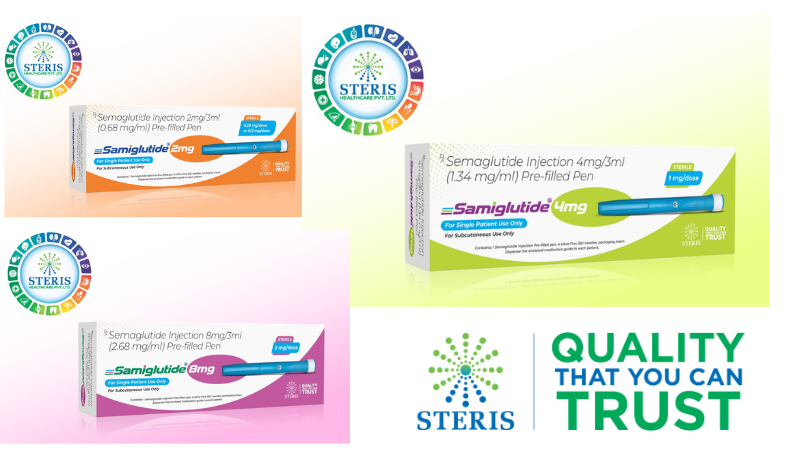
Semaglutide Injection 2mg/3ml (SAMIGLUTIDE) – Uses, Benefits, Dosage & Side Effects

L-Glutathione, Vitamin C & Alpha Lipoic Acid Tablets: Uses, Benefits & Side Effects

Vitamin A, D & Calcium Chloride: Uses, Benefits & Safety Information

How Does Vitamin C Face Serum Benefit Your Skin?

Minoxidil & Finasteride Topical Solution: How Does It Work?

Minoxidil Gel: Uses, Side Effects & Important Precautions
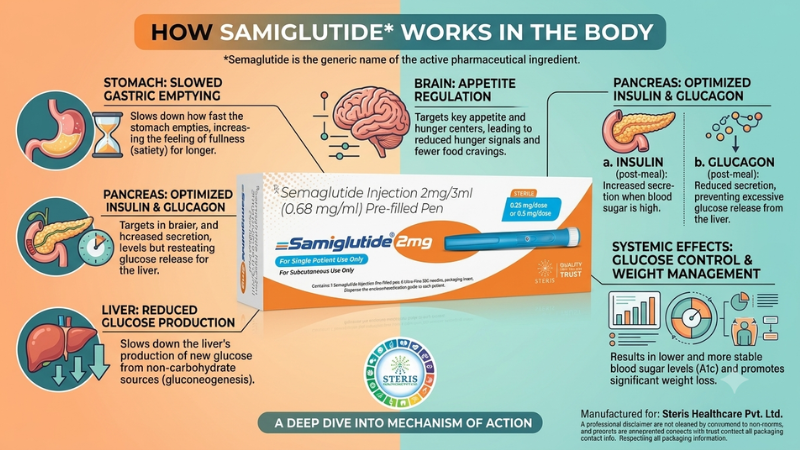
What Does Semaglutide Do to Your Body? Benefits & Risks
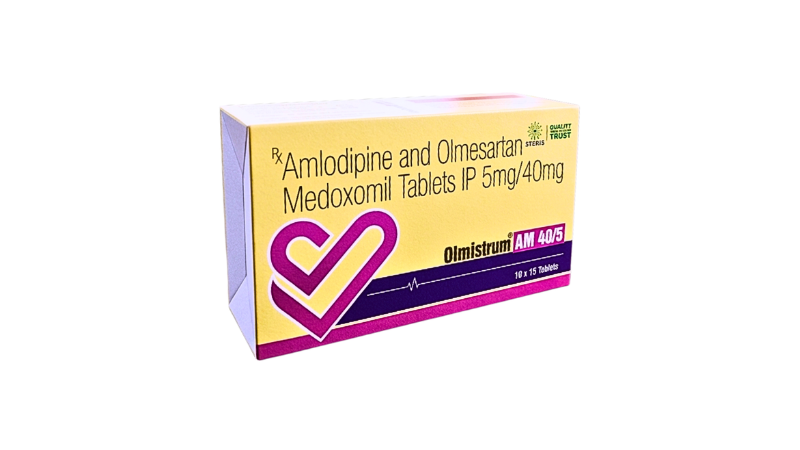
Amlodipine 5 mg + Olmesartan 40 mg: Benefits, Dosage & Precautions
Ramipril 2.5 mg and Hydrochlorothiazide 12.5 mg: Uses, Benefits & Dosage
Atorvastatin 5 mg क्या है? जानें उपयोग, फायदे और साइड इफेक्ट्स

