


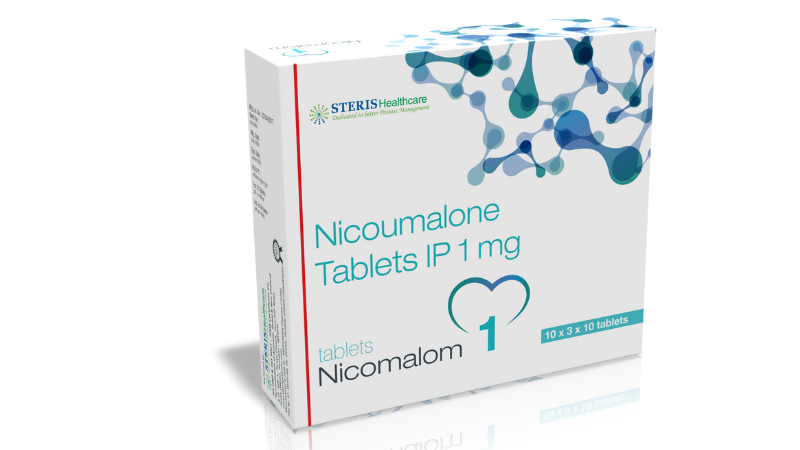



Nicoumalone (1mg) & NICOMALOM 1 Tablet - Steris Healthcare PVT LTD………
May 13, 2024
Nicoumalone 1mg tablet is an oral anticoagulant medicine used to help prevent and treat harmful blood clot formation in the body. It contains Nicoumalone (Acenocoumarol) 1mg, which belongs to a group of medicines called vitamin K antagonists. This medicine works by reducing the blood’s ability to form clots, thereby lowering the risk of serious clot-related complications such as stroke, deep vein thrombosis (DVT), pulmonary embolism, and other cardiovascular problems.
Blood clotting is an essential natural process that prevents excessive bleeding after an injury. However, when clots form unnecessarily inside blood vessels, they can block normal blood flow and may lead to dangerous health conditions. Nicoumalone 1mg helps maintain a controlled balance between preventing unwanted clots and avoiding excessive bleeding.
Doctors commonly prescribe Nicoumalone 1mg for patients with conditions such as irregular heartbeat (atrial fibrillation), artificial heart valves, previous blood clot disorders, and other situations where long-term anticoagulation therapy is required. Since the effect of this medicine can vary between individuals, regular monitoring of blood clotting levels through PT-INR (Prothrombin Time – International Normalized Ratio) tests is usually recommended.
Nicoumalone 1mg should be taken only under medical supervision because incorrect dosing may increase the risk of bleeding or reduce its effectiveness.
Nicoumalone 1mg Uses
Nicoumalone 1mg is primarily prescribed to prevent and manage conditions associated with abnormal blood clot formation. It helps reduce the chances of clot-related complications by slowing down the clotting process.
Common uses of Nicoumalone 1mg include:
- Prevention of blood clots in patients with atrial fibrillation (irregular heartbeat)
- Prevention of stroke caused by clot formation
- Treatment and prevention of deep vein thrombosis (DVT)
- Management of pulmonary embolism (blood clot in the lungs)
- Prevention of clot formation in patients with artificial heart valves
- Long-term anticoagulation therapy in selected cardiovascular conditions
- Prevention of recurrent thromboembolic events
How Does Nicoumalone 1mg Work?
Nicoumalone 1mg works by blocking the action of vitamin K, which is required by the liver to produce certain clotting factors. These clotting factors help the blood form clots when needed.
By reducing vitamin K activity, Nicoumalone decreases the production of clotting factors such as Factor II, VII, IX, and X. This makes the blood less likely to form unwanted clots inside blood vessels.
The medicine does not dissolve existing blood clots immediately. Instead, it prevents the growth of existing clots and reduces the formation of new clots. The effect of Nicoumalone develops gradually, which is why consistent daily use and regular INR monitoring are important.
Benefits of Nicoumalone 1mg Tablet
Nicoumalone 1mg provides several benefits when used correctly under medical guidance. It is an effective anticoagulant therapy for patients who require long-term prevention of clot-related conditions.
Benefits of Nicoumalone 1mg include:
- Helps prevent formation of dangerous blood clots
- Reduces the risk of stroke in eligible patients with atrial fibrillation
- Helps prevent recurrence of deep vein thrombosis and pulmonary embolism
- Supports protection of artificial heart valves from clot formation
- Maintains controlled blood thinning when monitored properly
- Helps improve blood circulation by reducing clot-related blockage risks
Nicoumalone 1mg Dosage and How to Take
The dosage of Nicoumalone 1mg varies from person to person depending on medical condition, age, response to treatment, diet, and INR test results. The doctor determines the appropriate dose based on individual requirements.
Nicoumalone 1mg is generally taken once daily at the same time every day. It can be taken with or without food, but maintaining a consistent routine helps achieve stable medicine levels in the body.
Patients should not change the dose, skip doses, or stop treatment suddenly without consulting their healthcare provider. Sudden discontinuation may increase the risk of clot formation.
Regular PT-INR testing is necessary during treatment because the required dose differs among individuals. The doctor may adjust the dose based on INR results to maintain safe and effective anticoagulation.
Nicoumalone 1mg Side Effects
Like all medicines, Nicoumalone 1mg may cause side effects in some individuals. The most important concern with anticoagulant medicines is excessive bleeding.
Common side effects of Nicoumalone 1mg may include:
- Easy bruising or unexplained bruises
- Bleeding from gums
- Nose bleeding
- Prolonged bleeding from cuts
- Heavy menstrual bleeding
- Nausea or stomach discomfort
- Skin rash or allergic reactions
Serious side effects requiring medical attention:
- Blood in urine or stool
- Vomiting blood
- Severe headache or dizziness
- Unusual weakness or confusion
- Heavy or uncontrolled bleeding
- Signs of internal bleeding
If any unusual bleeding symptoms occur, immediate medical advice should be taken.
Precautions and Warnings While Taking Nicoumalone 1mg
Nicoumalone 1mg requires careful monitoring because it affects the blood clotting process. Patients should follow all medical instructions during treatment.
Before starting Nicoumalone, inform your doctor if you have:
- Liver disease
- Kidney problems
- History of bleeding disorders
- Stomach ulcers
- High blood pressure
- Recent surgery or upcoming surgery
- Vitamin K deficiency
- Any history of stroke or bleeding complications
Avoid activities that may increase the risk of injury or bleeding. Inform dentists and healthcare professionals that you are taking Nicoumalone before undergoing any procedure.
Many medicines, supplements, and herbal products can interact with Nicoumalone and affect its action. Always consult your doctor before starting any new medication.
Food and Lifestyle Considerations During Nicoumalone Treatment
Diet plays an important role during Nicoumalone therapy. Foods rich in vitamin K can influence the effectiveness of this medicine. Patients do not necessarily need to completely avoid vitamin K-containing foods, but maintaining a consistent intake is important.
Foods containing vitamin K include:
- Green leafy vegetables such as spinach and cabbage
- Broccoli
- Certain vegetable oils
Alcohol consumption should be discussed with a doctor because alcohol may increase bleeding risk and affect treatment control.
Maintaining regular INR monitoring, following prescribed doses, and informing doctors about any medication changes can help ensure safer treatment.
Nicoumalone 1mg Storage Information
Store Nicoumalone 1mg tablets in a cool, dry place away from direct sunlight and moisture. Keep the medicine away from children and pets.
Do not use tablets after the expiry date mentioned on the packaging. Dispose of unused medicines properly according to local guidelines.
Who Should Avoid Nicoumalone 1mg?
Nicoumalone 1mg may not be suitable for everyone. Doctors carefully evaluate the benefits and risks before prescribing it.
It may be avoided or used cautiously in patients with:
- Active serious bleeding
- Severe liver disease
- Certain pregnancy conditions
- Uncontrolled bleeding disorders
- Allergy to Nicoumalone or similar medicines
Always use Nicoumalone only with a valid prescription and medical supervision.
Conclusion
Nicoumalone 1mg tablet is an effective anticoagulant medicine used to prevent harmful blood clot formation and reduce the risk of serious complications such as stroke, DVT, and pulmonary embolism. It works by reducing vitamin K-dependent clotting factors and maintaining controlled blood thinning.
Although Nicoumalone 1mg provides important cardiovascular protection, it requires careful dose adjustment and regular INR monitoring to ensure safety. Patients should follow their doctor’s instructions, maintain a consistent diet, avoid self-medication, and immediately report any signs of unusual bleeding.
For individuals who require anticoagulation therapy, Nicoumalone 1mg can be an important part of long-term clot prevention when used responsibly under medical guidance.
Frequently Asked Questions
1. What is Nicoumalone 1mg used for?
Nicoumalone 1mg is an anticoagulant medicine used to prevent and treat blood clots. It is commonly prescribed for conditions such as atrial fibrillation, deep vein thrombosis, pulmonary embolism, and prevention of clot formation in artificial heart valve patients.
2. Is Nicoumalone 1mg a blood thinner?
Yes, Nicoumalone 1mg is a blood thinner (anticoagulant). It reduces the blood’s ability to form clots by interfering with vitamin K-dependent clotting factors.
3. Can Nicoumalone 1mg prevent stroke?
Yes, Nicoumalone 1mg may help reduce the risk of stroke caused by blood clots, especially in certain patients with atrial fibrillation or other clot-related conditions.
4. How should I take Nicoumalone 1mg?
Nicoumalone 1mg should be taken exactly as prescribed by your doctor, usually once daily at the same time. Do not change the dose or stop taking it without medical advice.
5. Does Nicoumalone 1mg require an INR test?
Yes, regular INR (International Normalized Ratio) monitoring is generally required during Nicoumalone treatment. INR testing helps doctors adjust the dose and maintain safe blood thinning levels.
6. What foods should be avoided while taking Nicoumalone 1mg?
You do not usually need to completely avoid vitamin K-rich foods, but you should maintain a consistent intake. Sudden major changes in consumption of green leafy vegetables may affect medicine effectiveness.
7. What happens if I miss a dose of Nicoumalone 1mg?
If you miss a dose, take it when you remember unless it is close to the next scheduled dose. Do not take a double dose to compensate. Contact your doctor if you frequently miss doses.
8. Is Nicoumalone 1mg safe for long-term use?
Nicoumalone 1mg can be used for long-term treatment in patients who need anticoagulation. However, regular medical monitoring is important to reduce bleeding risks.
9. Can Nicoumalone 1mg be taken during pregnancy?
Nicoumalone may not be suitable during pregnancy, especially during certain stages. Pregnant women should use anticoagulant medicines only under strict medical supervision.
10. What are the warning signs of bleeding while taking Nicoumalone 1mg?
Warning signs include unusual bruising, blood in urine or stool, vomiting blood, prolonged bleeding, severe headache, and unexplained weakness. Seek medical help if these occur.
11. Acenocoumarol and nicoumalone are sam?
Yes, Nicoumalone 1mg contains Acenocoumarol, the active ingredient; both refer to the same anticoagulant medicine.
Recent Post
Semaglutide 4mg vs Pancreatitis Risk: What Doctors Want You to Know
Semaglutide 8mg Injection: Frequently Asked Questions Answered by Experts
Mycophenolate Mofetil 500mg (Mycofortic M 500): Uses, Benefits & Precautions – Complete Guide
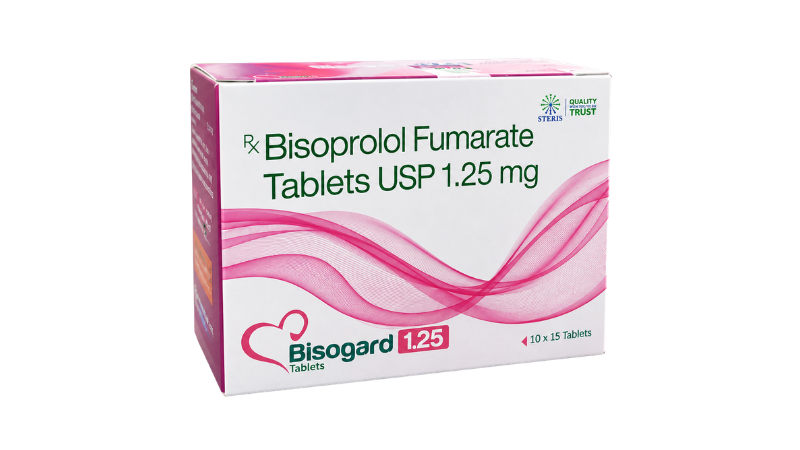
What is Bisogard 1.25? Bisoprolol 1.25mg Uses, Dosage & Side Effects Explained
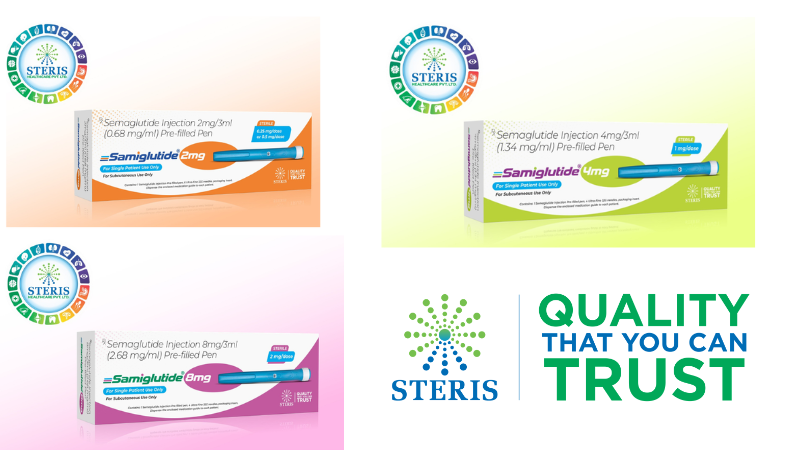
Can Semaglutide Injection Be Used Without Diabetes?
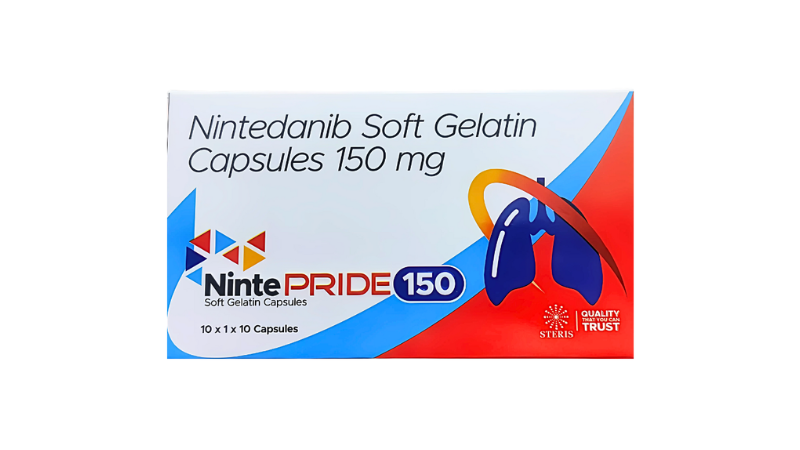
What Are Nintedanib Soft Gelatin Capsules Used For? Complete Guide
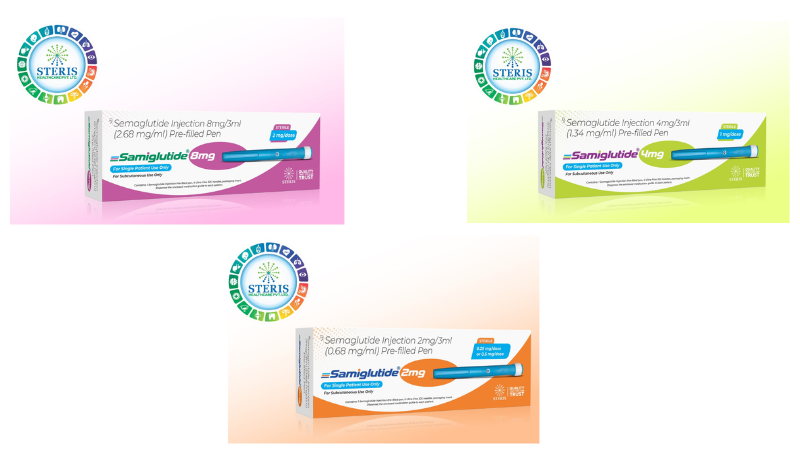
Where to Buy Semaglutide Injection in India: Price, Pen & Prescription Guide
ERITOCOX BENZ 60/5 Dosage Guide: How to Take Etoricoxib & Cyclobenzaprine Tablets Safely
Gabapentin and Methylcobalamin Tablets Side Effects: What Patients Should Know
Thyroxine sodium tablets IP: उपयोग, फायदे और साइड इफेक्ट्स