


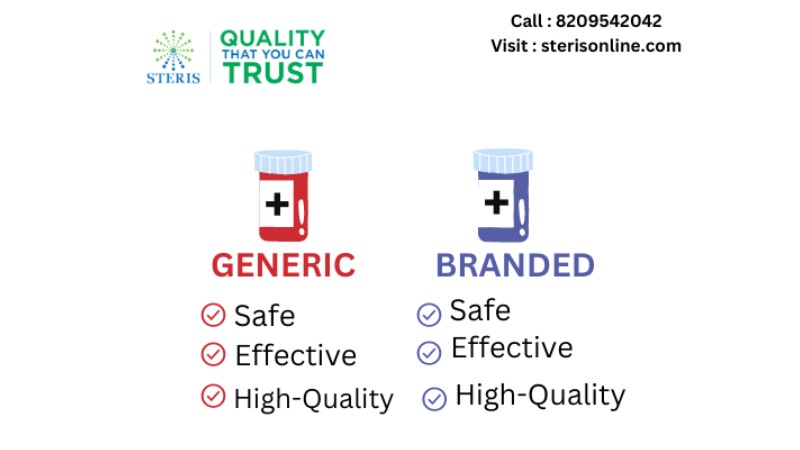



generic medicines.
Jun 08, 2023
Generic medicine and branded medicine are two categories of pharmaceutical products that differ in terms of their names, manufacturers, and costs. Here's a comparison between generic medicine and branded medicine:
Names: Branded medicines are developed and marketed by pharmaceutical companies under a unique brand name that is patented and protected. Generic medicines, on the other hand, are manufactured once the patent protection for the branded medicine expires and are marketed under their generic names, which are usually the name of the active ingredient.
Active Ingredients: Both generic and branded medicines contain the same active ingredients, which are responsible for the therapeutic effect of the drug. Regulatory agencies require generic medicines to have the same active ingredients, strength, dosage form, and route of administration as the corresponding branded medicine.
Manufacturing: Branded medicines are manufactured exclusively by the company that holds the patent. Generic medicines are produced by various pharmaceutical companies once the patent protection expires, and they can use different manufacturing processes, excipients, and formulations as long as they meet the regulatory standards for bioequivalence.
Cost: Generic medicines are generally less expensive than branded medicines. The lower cost of generic medicines is mainly due to the absence of research and development expenses, marketing costs, and patent protection. Once generic medicines enter the market, competition among manufacturers further lowers their prices.
Quality and Safety: Regulatory authorities set strict standards for the quality, safety, and efficacy of both generic and branded medicines. Generic medicines must demonstrate bioequivalence to the branded medicine through rigorous testing to ensure similar absorption and therapeutic effects in the body.
Perception: Branded medicines are often perceived to be of higher quality and more effective due to extensive marketing campaigns, brand loyalty, and recognition. However, generic medicines undergo the same rigorous testing and regulatory scrutiny as branded medicines to ensure their safety and effectiveness.
Availability: Branded medicines are introduced into the market when they receive regulatory approval, while generic medicines become available once the patent protection of the corresponding branded medicine expires. This delay in availability allows branded manufacturers to have a period of exclusivity before generic competition emerges.
For further info :
please contact to contact@sterispharma.com
Call : 8955945010 / 6377716668
Visit : sterisonline.com
Recent Post
Semaglutide 4mg vs Pancreatitis Risk: What Doctors Want You to Know
Semaglutide 8mg Injection: Frequently Asked Questions Answered by Experts
Mycophenolate Mofetil 500mg (Mycofortic M 500): Uses, Benefits & Precautions – Complete Guide
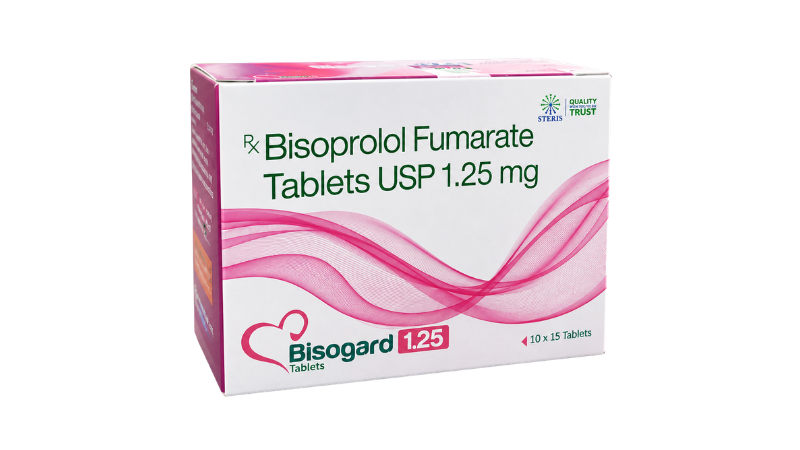
What is Bisogard 1.25? Bisoprolol 1.25mg Uses, Dosage & Side Effects Explained
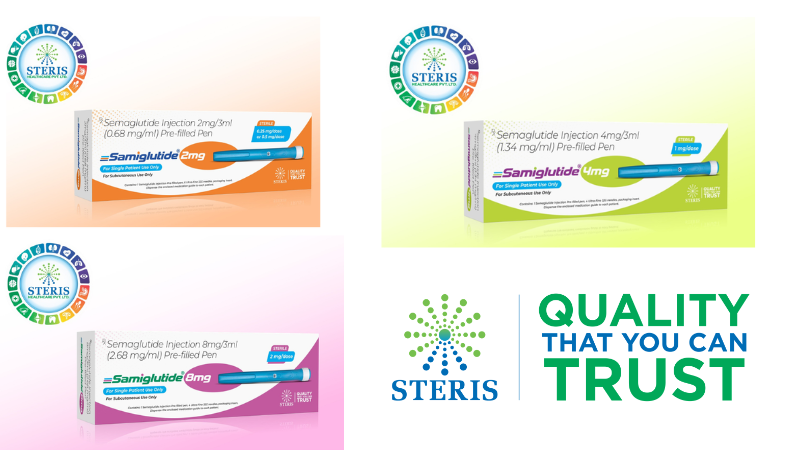
Can Semaglutide Injection Be Used Without Diabetes?
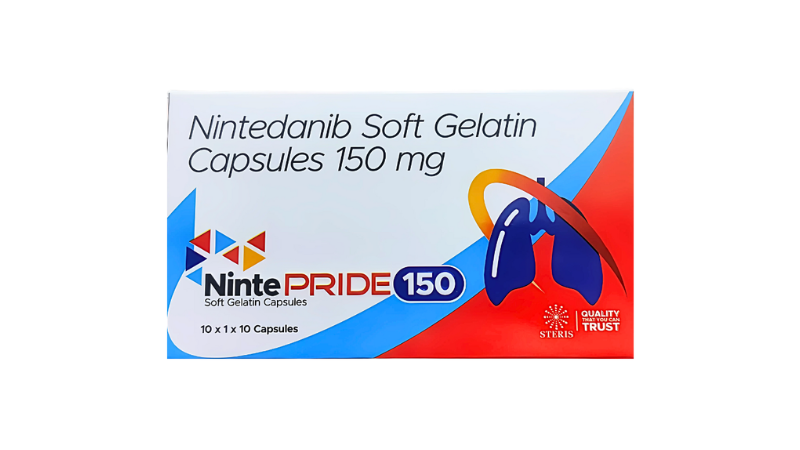
What Are Nintedanib Soft Gelatin Capsules Used For? Complete Guide
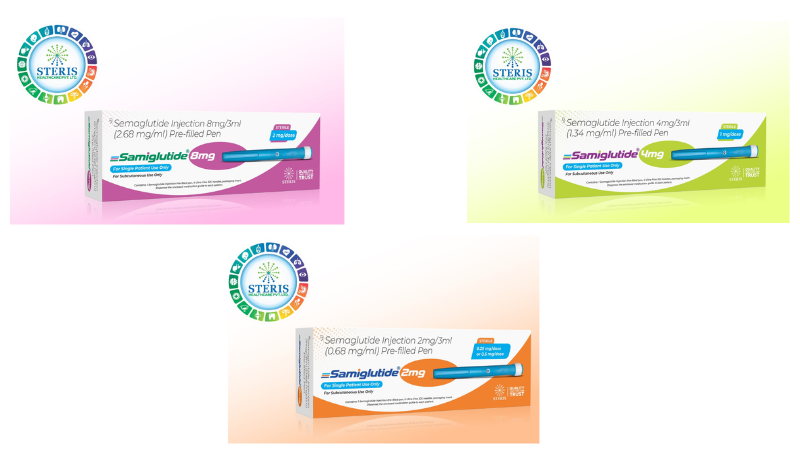
Where to Buy Semaglutide Injection in India: Price, Pen & Prescription Guide
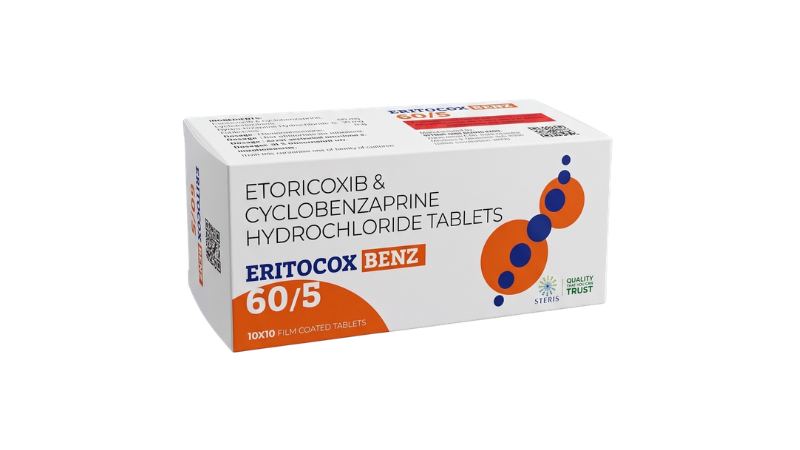
ERITOCOX BENZ 60/5 Dosage Guide: How to Take Etoricoxib & Cyclobenzaprine Tablets Safely
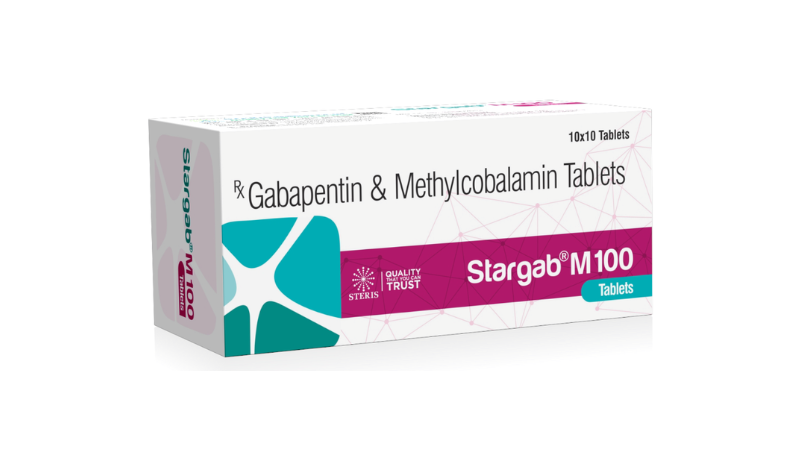
Gabapentin and Methylcobalamin Tablets Side Effects: What Patients Should Know
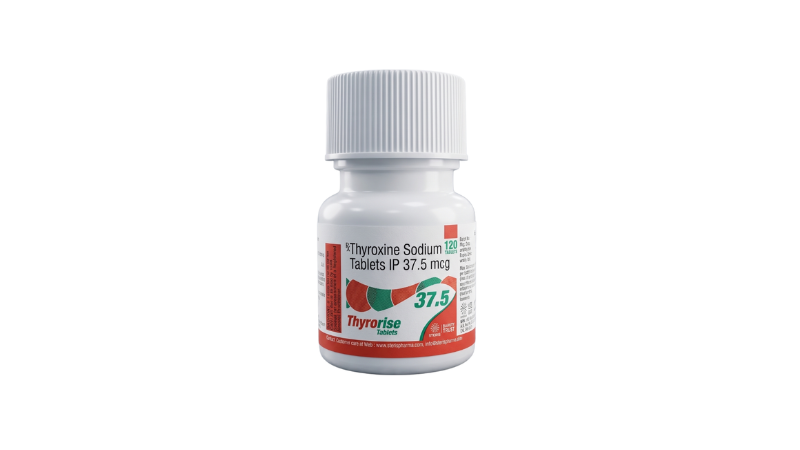
Thyroxine sodium tablets IP: उपयोग, फायदे और साइड इफेक्ट्स