


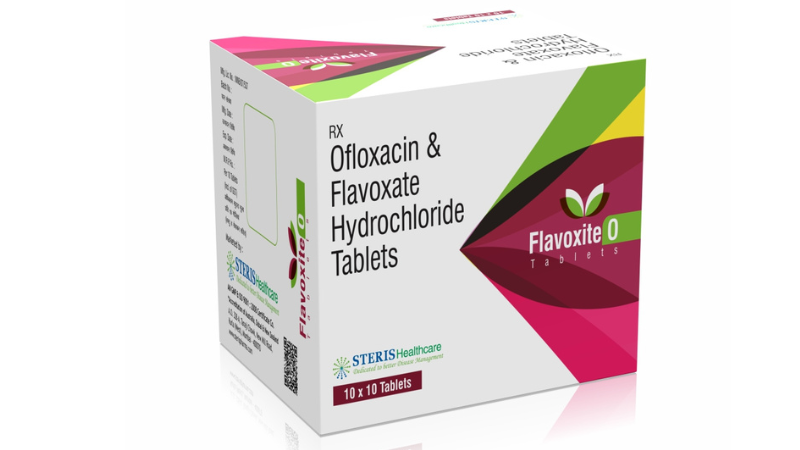



FLAVOXITE 0 : Benefits, Uses, Side Effects and Other Information.
Apr 16, 2024
FLAVOXITE O: Comprehensive Guide to Ofloxacin and Flavoxate Combination Therapy
Introduction to FLAVOXITE O
FLAVOXITE O is a specialized pharmaceutical formulation manufactured by Steris Healthcare, combining two potent active ingredients: Ofloxacin (200mg) and Flavoxate (200mg). This dual-action medication is specifically designed to address urinary tract infections while simultaneously providing relief from associated urinary discomfort and spasms. The synergistic combination makes FLAVOXITE O an effective solution for patients suffering from complicated urinary tract conditions that require both antimicrobial and antispasmodic intervention.
The formulation represents a significant advancement in urological pharmacotherapy, offering patients a comprehensive treatment approach that addresses both the underlying bacterial infection and the painful symptoms that often accompany urinary tract disorders. By combining these two medications in a single tablet, FLAVOXITE O enhances patient compliance and provides more convenient dosing schedules compared to taking multiple separate medications.
Understanding the Active Ingredients
Ofloxacin (200mg): The Antimicrobial Component
Ofloxacin belongs to the fluoroquinolone class of antibiotics, which are renowned for their broad-spectrum antibacterial activity. This synthetic antimicrobial agent works by inhibiting bacterial DNA gyrase and topoisomerase IV, essential enzymes that bacteria need to replicate, transcribe, and repair their DNA. By interfering with these critical processes, Ofloxacin effectively prevents bacterial multiplication and leads to bacterial cell death.
The 200mg dose of Ofloxacin in FLAVOXITE O is carefully calibrated to provide optimal therapeutic effect against common urinary pathogens including Escherichia coli, Klebsiella pneumoniae, Proteus mirabilis, Pseudomonas aeruginosa, Enterobacter species, and Staphylococcus saprophyticus. This antibiotic demonstrates excellent tissue penetration, particularly in the urinary tract, where it achieves high concentrations that effectively eradicate infection-causing bacteria.
Ofloxacin's bactericidal action is concentration-dependent, meaning higher concentrations lead to more rapid and complete bacterial elimination. The inclusion of this antibiotic in FLAVOXITE O ensures that urinary tract infections are treated at their source, preventing complications such as kidney infections, recurrent infections, or systemic spread of the infection.
Flavoxate (200mg): The Antispasmodic Component
Flavoxate hydrochloride is a potent antispasmodic agent that specifically targets smooth muscle tissue in the urinary tract. It belongs to the class of medications known as urinary antispasmodics or urinary analgesics. The primary mechanism of action involves direct relaxation of smooth muscle in the bladder and urinary tract through anticholinergic and direct musculotropic effects.
The 200mg dose of Flavoxate in FLAVOXITE O provides significant relief from symptoms such as dysuria (painful urination), urgency (sudden compelling need to urinate), frequency (need to urinate more often than normal), nocturia (waking at night to urinate), and suprapubic pain. These symptoms commonly accompany urinary tract infections and can cause considerable discomfort and disruption to daily activities.
Flavoxate works by inhibiting phosphodiesterase, which leads to increased levels of cyclic AMP in smooth muscle cells. This biochemical change results in muscle relaxation, reduced bladder spasms, and decreased urgency. Additionally, Flavoxate possesses mild local anesthetic properties that contribute to pain relief. The combination of these effects makes it highly effective in managing the symptomatic aspects of urinary tract disorders.
Therapeutic Indications and Uses
FLAVOXITE O is primarily indicated for the treatment of urinary tract infections accompanied by symptoms of bladder irritation, urgency, frequency, and dysuria. The combination therapy is particularly beneficial in the following clinical scenarios:
Complicated Urinary Tract Infections: When patients present with UTIs accompanied by significant urinary symptoms, FLAVOXITE O addresses both the infection and the discomfort simultaneously. This is especially important in cases where patients experience severe bladder spasms or painful urination that may affect their quality of life during treatment.
Recurrent Urinary Tract Infections: For patients who experience frequent UTIs with pronounced symptomatic distress, FLAVOXITE O provides comprehensive management that reduces both the infection and the associated urinary symptoms more effectively than antibiotics alone.
Post-procedural Urinary Symptoms: Following urological procedures such as cystoscopy, catheterization, or urological surgery, patients may develop both infection risk and bladder irritation. FLAVOXITE O serves as an excellent therapeutic choice in these situations.
Lower Urinary Tract Infections with Spasticity: When infections of the bladder, urethra, or lower urinary tract are accompanied by significant muscle spasms and urgency, the dual mechanism of FLAVOXITE O provides optimal symptom control while treating the underlying infection.
The medication is designed for adult patients and should only be used under medical supervision. Healthcare providers may prescribe FLAVOXITE O based on culture and sensitivity testing results, clinical presentation, and patient history to ensure optimal therapeutic outcomes.
Mechanism of Action: How FLAVOXITE O Works
The effectiveness of FLAVOXITE O lies in its dual mechanism of action, which simultaneously addresses two critical aspects of urinary tract pathology: the bacterial infection and the associated urinary symptoms.
Antimicrobial Action of Ofloxacin: Upon administration, Ofloxacin is rapidly absorbed and distributed throughout the body, achieving particularly high concentrations in the urinary tract. The antibiotic penetrates bacterial cells and binds to DNA gyrase (topoisomerase II) and topoisomerase IV enzymes. These enzymes are essential for bacterial DNA replication, transcription, repair, and recombination. By inhibiting these enzymes, Ofloxacin causes the bacterial DNA to fragment and prevents new DNA synthesis. This leads to rapid bacterial cell death and elimination of the infection. The bactericidal effect begins within hours of administration and continues as long as therapeutic concentrations are maintained in the target tissues.
Antispasmodic Action of Flavoxate: Flavoxate exerts its therapeutic effect through multiple mechanisms. It acts directly on smooth muscle cells in the bladder wall, reducing excessive contractions and spasms that cause urgency and frequency. The medication blocks calcium channels and inhibits the release of acetylcholine at neuromuscular junctions, which reduces smooth muscle contractility. Additionally, Flavoxate increases the threshold for bladder muscle stimulation, meaning that the bladder can hold more urine before triggering the urge to void. The local anesthetic effect provides immediate relief from burning and pain associated with inflamed urinary tract tissues.
Synergistic Effect: The combination of these two mechanisms creates a synergistic therapeutic effect. While Ofloxacin eliminates the bacterial cause of the infection, Flavoxate provides immediate symptomatic relief, improving patient comfort and compliance with the treatment regimen. This comprehensive approach leads to faster overall recovery and better patient satisfaction compared to single-agent therapy.
Dosage and Administration Guidelines
The appropriate dosage of FLAVOXITE O should always be determined by a qualified healthcare provider based on the patient's age, weight, renal function, severity of infection, and overall health status. However, standard dosing guidelines are as follows:
Standard Adult Dosage: The typical recommended dose for adults is one tablet of FLAVOXITE O (containing Ofloxacin 200mg and Flavoxate 200mg) twice daily, usually taken every 12 hours. The medication should be taken with a full glass of water and can be administered with or without food, although taking it at the same times each day helps maintain consistent blood levels.
Duration of Treatment: The usual course of treatment ranges from 5 to 10 days, depending on the severity and type of infection. Uncomplicated urinary tract infections typically require 5 to 7 days of treatment, while more complicated infections may necessitate extended therapy for up to 10 to 14 days. It is crucial that patients complete the entire prescribed course even if symptoms improve before the medication is finished, as premature discontinuation can lead to incomplete bacterial eradication and potential development of antibiotic resistance.
Special Populations: Elderly patients may require dosage adjustments based on renal function, as both Ofloxacin and Flavoxate are primarily eliminated through the kidneys. Patients with impaired kidney function should receive modified dosing schedules as determined by their healthcare provider. Pregnant women, breastfeeding mothers, and children should only use FLAVOXITE O under strict medical supervision with careful consideration of risks versus benefits.
Administration Tips: Patients should avoid taking FLAVOXITE O with dairy products, calcium-fortified juices, or antacids containing aluminum, magnesium, or calcium, as these can interfere with Ofloxacin absorption. A gap of at least 2 hours before or after such products is recommended. Adequate hydration should be maintained throughout the treatment period to support kidney function and promote urinary tract flushing.
Benefits and Advantages of FLAVOXITE O
Ofloxacin and Flavoxate offers numerous advantages that make it a preferred choice for managing urinary tract infections with associated symptoms:
Comprehensive Treatment Approach: By combining an antibiotic with an antispasmodic, FLAVOXITE O addresses both the cause and symptoms of urinary tract infections in a single formulation. This holistic approach leads to faster symptom resolution and improved patient comfort during the treatment period.
Enhanced Patient Compliance: Taking a single combination tablet is more convenient than managing multiple separate medications. This simplicity improves adherence to the treatment regimen, which is critical for achieving complete bacterial eradication and preventing recurrence.
Rapid Symptom Relief: While antibiotics may take several days to fully eliminate the infection, the Flavoxate component provides relatively quick relief from painful and bothersome urinary symptoms. Many patients report improvement in urgency, frequency, and dysuria within 24 to 48 hours of starting treatment.
Broad-Spectrum Coverage: Ofloxacin's effectiveness against a wide range of urinary pathogens means that FLAVOXITE O can be used empirically while awaiting culture results, providing early intervention that prevents infection progression.
Quality Assurance: As a product of Steris Healthcare, FLAVOXITE O is manufactured under stringent quality control standards, ensuring consistent potency, purity, and efficacy in every tablet.
Cost-Effectiveness: Combination therapy often proves more economical than purchasing and managing multiple separate medications, making FLAVOXITE O a cost-effective solution for patients and healthcare systems.
Potential Side Effects and Adverse Reactions
Like all medications, FLAVOXITE O may cause side effects in some individuals, although not everyone experiences them. Understanding potential adverse reactions helps patients recognize concerning symptoms and seek appropriate medical attention when necessary.
Common Side Effects: These occur in a small percentage of patients and are generally mild and transient. They include nausea, dry mouth, dizziness, headache, drowsiness, blurred vision, constipation, abdominal discomfort, and mild skin rash. These symptoms typically resolve as the body adjusts to the medication and rarely require treatment discontinuation.
Gastrointestinal Effects: Some patients may experience digestive disturbances including nausea, vomiting, diarrhea, abdominal pain, or loss of appetite. Taking FLAVOXITE O with food may help minimize these effects. Staying well-hydrated and eating smaller, more frequent meals can also provide relief.
Central Nervous System Effects: Fluoroquinolones like Ofloxacin can occasionally cause CNS effects including dizziness, lightheadedness, confusion, nervousness, or sleep disturbances. The anticholinergic properties of Flavoxate may contribute to drowsiness or mental fogginess in sensitive individuals.
Serious Adverse Reactions: Although rare, serious side effects require immediate medical attention. These include severe allergic reactions (anaphylaxis) manifested by difficulty breathing, facial or throat swelling, or severe skin reactions; tendon inflammation or rupture, particularly of the Achilles tendon; irregular heartbeat or palpitations; severe or persistent diarrhea that may indicate Clostridium difficile infection; seizures or convulsions; peripheral neuropathy presenting as numbness, tingling, or weakness in extremities; and severe skin reactions such as Stevens-Johnson syndrome.
Photosensitivity: Ofloxacin can increase sensitivity to sunlight, making patients more prone to sunburn. Individuals taking FLAVOXITE O should use appropriate sun protection, including sunscreen, protective clothing, and limiting direct sun exposure.
Urinary Retention: In rare cases, particularly in elderly males with prostate enlargement, the anticholinergic effects of Flavoxate may contribute to difficulty urinating or urinary retention.
Patients should promptly report any unusual or severe symptoms to their healthcare provider. Most side effects are manageable with supportive care or dosage adjustments, and the benefits of treating the infection typically outweigh the risks of minor adverse effects.
Precautions and Contraindications
FLAVOXITE O should be used with caution in certain patient populations, and is contraindicated in specific situations where the risks outweigh potential benefits.
Absolute Contraindications: FLAVOXITE O should not be used in patients with known hypersensitivity or allergic reactions to Ofloxacin, other fluoroquinolones, Flavoxate, or any excipients in the formulation. It is also contraindicated in patients with gastrointestinal obstruction, pyloric or duodenal obstruction, intestinal atony, severe ulcerative colitis, toxic megacolon, obstructive uropathy (blockage of urinary flow), and myasthenia gravis.
Pregnancy and Lactation: FLAVOXITE O is classified as pregnancy category C, meaning animal studies have shown adverse effects but adequate human studies are lacking. The medication should only be used during pregnancy if the potential benefit justifies the potential risk to the fetus. Both Ofloxacin and Flavoxate can pass into breast milk, so breastfeeding mothers should consult their healthcare provider before using this medication.
Pediatric Use: The safety and efficacy of FLAVOXITE O in children and adolescents have not been fully established. Fluoroquinolones may cause joint problems in growing children, so pediatric use should be reserved for situations where benefits clearly outweigh risks and alternative treatments are unsuitable.
Geriatric Considerations: Elderly patients may be more susceptible to side effects, particularly tendon disorders, QT interval prolongation, and anticholinergic effects from Flavoxate. Dosage adjustments based on renal function may be necessary in older adults.
Renal and Hepatic Impairment: Patients with kidney or liver disease require careful monitoring and potential dosage modifications, as both organs are involved in drug metabolism and elimination.
Cardiac Conditions: Patients with known QT interval prolongation, uncorrected electrolyte abnormalities (especially hypokalemia or hypomagnesemia), or those taking other medications that prolong the QT interval should use FLAVOXITE O with caution due to the risk of cardiac arrhythmias.
Neurological Conditions: Individuals with epilepsy, seizure disorders, or other CNS conditions should use this medication under close medical supervision, as fluoroquinolones can lower the seizure threshold.
Drug Interactions
FLAVOXITE O may interact with various medications, supplements, and food substances. Patients should inform their healthcare provider about all medications they are taking to avoid potentially harmful interactions.
Antacids and Mineral Supplements: Products containing aluminum, magnesium, calcium, iron, or zinc can significantly reduce Ofloxacin absorption. These should be taken at least 2 hours before or 6 hours after FLAVOXITE O.
Anticoagulants: Ofloxacin may enhance the effects of warfarin and other blood thinners, increasing bleeding risk. Patients on anticoagulation therapy require close monitoring and possible dosage adjustments.
Antiarrhythmic Drugs: Medications that affect cardiac rhythm (such as amiodarone, sotalol, or quinidine) may interact with Ofloxacin to increase the risk of serious cardiac arrhythmias through QT interval prolongation.
Corticosteroids: Concurrent use of corticosteroids with fluoroquinolones increases the risk of tendon rupture, particularly in elderly patients.
Antidiabetic Medications: Ofloxacin can cause blood sugar fluctuations, potentially affecting the efficacy of insulin or oral hypoglycemic agents. Diabetic patients should monitor blood glucose levels more frequently during treatment.
CNS Depressants: The sedating effects of Flavoxate may be enhanced by alcohol, benzodiazepines, opioids, or other CNS depressants, increasing drowsiness and impairment.
Anticholinergic Medications: Other drugs with anticholinergic properties (such as antihistamines, antidepressants, or antipsychotics) may have additive effects with Flavoxate, increasing the risk of dry mouth, constipation, blurred vision, and urinary retention.
NSAIDs: Non-steroidal anti-inflammatory drugs may increase the risk of CNS stimulation and seizures when combined with fluoroquinolones.
Patients should maintain an updated medication list and share it with all healthcare providers to ensure safe prescribing and minimize interaction risks.
Storage and Handling Instructions
Proper storage of FLAVOXITE O is essential to maintain its potency and ensure patient safety.
The medication should be stored at room temperature between 20°C to 25°C (68°F to 77°F), away from excessive heat and moisture. The bathroom medicine cabinet is not an ideal storage location due to humidity from showers and baths. Instead, keep FLAVOXITE O in a cool, dry place such as a bedroom drawer or kitchen cabinet away from the stove and sink.
Keep the medication in its original container with the lid tightly closed to protect it from light and moisture. Do not transfer tablets to different containers, as this can lead to confusion and loss of important labeling information.
Store FLAVOXITE O out of reach of children and pets to prevent accidental ingestion. Childproof caps provide additional safety but should not replace vigilant storage practices.
Do not use FLAVOXITE O beyond its expiration date printed on the packaging. Expired medications may have reduced efficacy and, in rare cases, can become harmful due to chemical degradation.
Dispose of unused or expired medication properly. Do not flush medications down the toilet or pour them into drains unless specifically instructed. Instead, utilize medication take-back programs available at many pharmacies, hospitals, or community collection sites. If no take-back program is available, mix the medication with an undesirable substance such as used coffee grounds or cat litter, seal it in a plastic bag, and dispose of it in household trash.
Patient Counseling and Important Information
Patients prescribed FLAVOXITE O should be educated about several important aspects of their treatment to optimize outcomes and ensure safety.
Complete the Full Course: Even if symptoms improve significantly after a few days, it is crucial to complete the entire prescribed course of FLAVOXITE O. Stopping treatment prematurely can result in incomplete bacterial eradication, leading to recurrent infection and potential development of antibiotic-resistant bacteria.
Missed Dose Protocol: If a dose is missed, take it as soon as remembered unless it is almost time for the next scheduled dose. In that case, skip the missed dose and resume the regular dosing schedule. Never double up on doses to make up for a missed one, as this increases the risk of side effects.
Hydration: Maintain adequate fluid intake throughout treatment to support kidney function and help flush bacteria from the urinary tract. Aim for at least 8 glasses of water daily unless otherwise directed by a healthcare provider.
Activity Limitations: FLAVOXITE O may cause dizziness or drowsiness in some individuals. Avoid driving, operating heavy machinery, or engaging in activities requiring alertness until you know how the medication affects you.
Sun Protection: Use sunscreen with high SPF, wear protective clothing, and limit sun exposure during treatment and for several days after completing the course, as Ofloxacin increases photosensitivity.
Symptom Monitoring: Keep track of symptom improvement. Most patients notice significant relief within 2 to 3 days. If symptoms persist, worsen, or new symptoms develop (such as fever, back pain, or blood in urine), contact a healthcare provider promptly, as these may indicate complications requiring additional evaluation.
Tendon Awareness: Be alert to tendon pain, swelling, or inflammation, particularly in the ankles, wrists, or shoulders. If such symptoms occur, stop taking FLAVOXITE O and seek immediate medical attention, as fluoroquinolones can cause tendon damage that may require surgical repair if not addressed promptly.
Follow-up Care: Attend all scheduled follow-up appointments to ensure the infection has been completely eradicated and to screen for any complications or adverse effects.
Why Choose Steris Healthcare for FLAVOXITE O
Steris Healthcare is committed to providing high-quality pharmaceutical products that meet rigorous international standards. When you choose FLAVOXITE O from Steris Healthcare, you benefit from:
Quality Assurance: Every batch of FLAVOXITE O undergoes comprehensive testing to ensure purity, potency, and consistency. Our manufacturing facilities comply with Good Manufacturing Practices (GMP) and are regularly audited by regulatory authorities.
Research-Backed Formulation: The combination of Ofloxacin and Flavoxate in FLAVOXITE O is based on clinical research demonstrating the synergistic benefits of dual-mechanism therapy for urinary tract infections with associated symptoms.
Patient-Centric Approach: Steris Healthcare prioritizes patient outcomes by developing formulations that enhance compliance, minimize side effects, and deliver optimal therapeutic results.
Affordable Healthcare: We believe quality medication should be accessible to all patients. FLAVOXITE O is competitively priced to ensure affordability without compromising quality.
Comprehensive Support: Our medical information team is available to answer questions from both patients and healthcare providers, ensuring informed decision-making and optimal treatment outcomes.
Regulatory Compliance: FLAVOXITE O is manufactured in compliance with regulatory requirements and has received necessary approvals for marketing and distribution.
Commitment to Innovation: Steris Healthcare continuously invests in research and development to improve existing formulations and develop new therapeutic solutions that address unmet medical needs.
Lifestyle and Supportive Measures
While FLAVOXITE O provides effective pharmacological treatment for urinary tract infections, certain lifestyle modifications and supportive measures can enhance recovery and prevent recurrence:
Maintain Excellent Hygiene: Proper personal hygiene is crucial for preventing UTIs. Women should wipe from front to back after using the toilet to prevent bacterial transfer from the anal area to the urethra. Daily bathing or showering helps reduce bacterial colonization.
Stay Well Hydrated: Drinking plenty of water throughout the day helps dilute urine, reduces bacterial concentration, and promotes frequent urination that flushes bacteria from the urinary tract. Aim for clear or pale yellow urine as an indicator of adequate hydration.
Urinate Regularly: Avoid holding urine for extended periods, as this allows bacteria to multiply in the bladder. Empty the bladder completely each time you urinate, and consider double-voiding (urinating, waiting a moment, then trying to urinate again) to ensure complete bladder emptying.
Post-Intercourse Hygiene: Urinating shortly after sexual intercourse helps flush out bacteria that may have been introduced into the urethra during activity. This simple practice significantly reduces UTI risk in sexually active individuals.
Avoid Irritants: Harsh soaps, douches, feminine hygiene sprays, and scented products can irritate the urethra and increase susceptibility to infection. Use mild, unscented products for personal care.
Wear Breathable Clothing: Cotton underwear and loose-fitting clothing allow air circulation and reduce moisture buildup, creating a less favorable environment for bacterial growth. Avoid tight pants or synthetic underwear that trap moisture.
Consider Cranberry Products: While scientific evidence is mixed, some studies suggest that cranberry juice or supplements may help prevent recurrent UTIs by preventing bacterial adhesion to bladder walls. Discuss this option with your healthcare provider.
Probiotic Support: Maintaining healthy bacterial flora through probiotic-rich foods (yogurt, kefir, fermented vegetables) or supplements may support urinary tract health and reduce recurrence risk.
Manage Underlying Conditions: Diabetes, kidney stones, enlarged prostate, and other medical conditions can increase UTI risk. Proper management of these conditions is essential for preventing recurrent infections.
When to Seek Medical Attention
While FLAVOXITE O is effective for most uncomplicated urinary tract infections, certain situations require prompt medical evaluation:
Severe Symptoms: High fever (above 101°F or 38.5°C), severe back or flank pain, persistent vomiting, confusion, or extreme fatigue may indicate kidney involvement (pyelonephritis) or systemic infection requiring urgent care.
No Improvement: If symptoms do not improve within 2 to 3 days of starting FLAVOXITE O, or if they worsen despite treatment, contact your healthcare provider. This may indicate antibiotic resistance, requiring culture testing and alternative therapy.
Adverse Reactions: Signs of serious allergic reactions (difficulty breathing, facial swelling, severe rash), tendon pain or swelling, irregular heartbeat, seizures, severe diarrhea, or signs of peripheral neuropathy warrant immediate medical attention.
Recurrent Infections: Experiencing three or more UTIs within a year suggests an underlying problem that requires comprehensive urological evaluation to identify and address predisposing factors.
Blood in Urine: While mild hematuria can occur with UTIs, significant or persistent blood in the urine requires investigation to rule out kidney stones, tumors, or other serious conditions.
Pregnancy: Pregnant women with UTI symptoms require prompt medical attention, as untreated infections can lead to serious complications including premature labor and low birth weight.
Early recognition of complications and timely medical intervention can prevent serious outcomes and ensure optimal treatment success.
Conclusion
FLAVOXITE O represents a comprehensive therapeutic solution for urinary tract infections accompanied by bothersome urinary symptoms. By combining the antimicrobial power of Ofloxacin with the symptom-relieving properties of Flavoxate, this medication addresses both the underlying infection and the associated discomfort that significantly impacts patient quality of life.
The dual-action formulation offers numerous advantages including enhanced efficacy, improved patient compliance, faster symptom resolution, and convenient dosing. When used as prescribed and combined with appropriate supportive measures, FLAVOXITE O provides effective relief and promotes complete recovery from urinary tract infections.
As a product of Steris Healthcare, FLAVOXITE O meets the highest standards of pharmaceutical quality, ensuring that patients receive consistent, reliable, and effective medication. Our commitment to patient wellbeing extends beyond manufacturing to include comprehensive information, support, and education that empowers patients to participate actively in their healthcare.
If you are experiencing symptoms of a urinary tract infection, consult with your healthcare provider to determine if FLAVOXITE O is the right treatment option for you. With proper use and medical guidance, FLAVOXITE O can help you overcome urinary tract infections and return to comfortable, normal urinary function.
Frequently Asked Questions (FAQ)
1. What is FLAVOXITE O used for?
FLAVOXITE O is used to treat urinary tract infections (UTIs) that are accompanied by symptoms such as painful urination, urgency, frequency, and bladder spasms. The medication combines an antibiotic (Ofloxacin) to eliminate the bacterial infection with an antispasmodic (Flavoxate) to relieve uncomfortable urinary symptoms. It is particularly effective for uncomplicated and complicated UTIs, recurrent infections, and post-procedural urinary symptoms.
2. How should I take FLAVOXITE O?
Take FLAVOXITE O exactly as prescribed by your healthcare provider, typically one tablet twice daily (every 12 hours). Swallow the tablet whole with a full glass of water. You can take it with or without food, but maintain consistency in your dosing schedule. Complete the entire prescribed course even if you feel better before finishing the medication. Avoid taking it with dairy products, antacids, or supplements containing calcium, magnesium, aluminum, iron, or zinc, as these can interfere with absorption.
3. How long does it take for FLAVOXITE O to work?
Most patients begin experiencing relief from urinary symptoms within 24 to 48 hours of starting FLAVOXITE O. The Flavoxate component provides relatively quick relief from urgency, frequency, and painful urination, while the Ofloxacin component works to eliminate the bacterial infection over several days. Complete bacterial eradication typically occurs within 5 to 10 days of consistent treatment. However, it is crucial to complete the entire prescribed course even if symptoms improve quickly.
4. What should I do if I miss a dose?
If you miss a dose of FLAVOXITE O, take it as soon as you remember. However, if it is almost time for your next scheduled dose (within 4 to 6 hours), skip the missed dose and continue with your regular dosing schedule. Do not take a double dose to make up for the missed one, as this increases the risk of side effects. If you frequently forget doses, consider setting reminders or taking your medication at the same time as another daily activity.
5. Can I drink alcohol while taking FLAVOXITE O?
It is advisable to avoid alcohol consumption while taking FLAVOXITE O. Alcohol can enhance the central nervous system side effects of both components, potentially increasing drowsiness, dizziness, and impaired judgment. Additionally, alcohol can irritate the bladder and urinary tract, potentially counteracting the therapeutic benefits of the medication. Alcohol may also interfere with the body's ability to fight infection. For optimal recovery, abstain from alcohol during the treatment period.
6. What are the common side effects of FLAVOXITE O?
Common side effects include nausea, dry mouth, dizziness, headache, drowsiness, blurred vision, constipation, and mild stomach upset. These effects are generally mild and temporary, often resolving as your body adjusts to the medication. Staying well-hydrated, taking the medication with food, and avoiding sudden position changes can help minimize these effects. If side effects persist or become bothersome, consult your healthcare provider, who may adjust your dosage or recommend supportive measures.
7. Is FLAVOXITE O safe during pregnancy?
FLAVOXITE O is classified as pregnancy category C, meaning there is insufficient human data to definitively establish safety during pregnancy. The medication should only be used during pregnancy if the potential benefits justify the potential risks to the fetus. Both Ofloxacin and Flavoxate can cross the placental barrier. Pregnant women with urinary tract infections should consult their obstetrician or healthcare provider to discuss the safest and most appropriate treatment options. Never self-medicate during pregnancy.
8. Can I take FLAVOXITE O if I'm breastfeeding?
Both Ofloxacin and Flavoxate can pass into breast milk and may affect a nursing infant. The potential risks to the baby must be weighed against the benefits of treatment for the mother. If FLAVOXITE O is deemed necessary during breastfeeding, your healthcare provider may recommend temporary formula feeding during the treatment period or may prescribe an alternative medication with a better safety profile for lactating women. Always consult your doctor before taking any medication while breastfeeding.
9. What should I avoid while taking FLAVOXITE O?
Avoid dairy products, calcium-fortified juices, and antacids within 2 hours before or 6 hours after taking FLAVOXITE O, as they can interfere with drug absorption. Limit or avoid alcohol consumption. Minimize sun exposure and use appropriate sun protection due to increased photosensitivity. Avoid driving or operating machinery if you experience dizziness or drowsiness. Do not take other medications containing anticholinergic ingredients without consulting your healthcare provider. Avoid holding urine for long periods, and continue to maintain good hydration throughout treatment.
10. How long is the typical treatment course with FLAVOXITE O?
The typical treatment duration ranges from 5 to 10 days, depending on the severity and type of infection. Uncomplicated urinary tract infections usually require 5 to 7 days of treatment, while more complicated infections may need 7 to 10 days or longer. Your healthcare provider will determine the appropriate duration based on your specific condition, response to treatment, and medical history. It is critically important to complete the entire prescribed course even if symptoms resolve early, to ensure complete bacterial eradication and prevent recurrence.
11. Will FLAVOXITE O interfere with my birth control pills?
While Ofloxacin is not known to significantly reduce the effectiveness of hormonal contraceptives, some antibiotics can potentially interfere with birth control pills. To be safe, consider using additional non-hormonal contraceptive methods (such as condoms) during treatment and for at least one week after completing the course of FLAVOXITE O. Discuss this concern with your healthcare provider or pharmacist for personalized advice based on your specific contraceptive method.
12. Can I take FLAVOXITE O if I have diabetes?
FLAVOXITE O can be used by diabetic patients, but with caution. Ofloxacin can cause fluctuations in blood sugar levels, either causing hypoglycemia (low blood sugar) or hyperglycemia (high blood sugar). Diabetic patients should monitor their blood glucose levels more frequently during treatment with FLAVOXITE O and report any unusual changes to their healthcare provider. Dosage adjustments of diabetic medications may be necessary. Always inform your doctor about your diabetes and any medications you take to manage it.
If You Want To Purchase Click Here
Recent Post

Tadalafil 5mg: One Tablet, Two Benefits — ED and Prostate Symptom Relief

Danazol 50 mg Uses, Price, Dosage & Side Effects Guide

Buy Domperidone 30mg Pantoprazole 40mg Capsules for GERD & Acid Reflux

Rosuvastatin Ezetimibe 20 10 Tablet in hindi

Buy Deflazacort 6 mg Tablets | Uses, Dosage & Benefits Guide

Danazol 100 mg Uses in Hindi | Tab Danazol 100 mg की पूरी गाइड

Buy Brivaracetam 50 mg Tablets Online | BVM GOLD 50 by Steris Healthcare

Sucroferric Oxyhydroxide Chewable Tablets — RUDIX SUCRO FE Uses, Benefits & Price Guide

Buy Itopride 50 mg Tablets Online | IT PRIDE 50 Steris Healthcare

Buy Desvenlafaxine Extended Release Tablets 100 mg : Complete Guide to DVENAFAX 100 ER