





CIDINITAB M 50 and CIDINITAB M 25: Comprehensive Medication Guide
Mar 28, 2024
Hypertension, commonly referred to as high blood pressure, is a significant health concern worldwide, including in India. Persistent elevation of blood pressure can increase the risk of serious complications such as stroke, heart attack, kidney disease, and heart failure. Effective management of hypertension is crucial to prevent long-term organ damage and improve the overall quality of life. CIDINITAB M 25, a combination tablet containing Metoprolol Succinate 23.75 mg and Cilnidipine 10 mg, is an advanced antihypertensive medication designed to provide optimal blood pressure control while minimizing side effects.
Metoprolol Succinate is a beta-1 selective blocker, which helps lower heart rate, reduce cardiac workload, and decrease blood pressure. Cilnidipine, a calcium channel blocker, relaxes blood vessels and improves blood flow, contributing to further reduction in hypertension. Together, this combination provides synergistic effects that are particularly beneficial for patients who require dual-action therapy for better blood pressure management.
CIDINITAB M 25 is formulated for daily use to ensure consistent blood pressure control. Its efficacy, safety profile, and patient-friendly dosage make it an ideal choice for adults with essential hypertension. This article provides a detailed overview of the drug’s uses, benefits, dosage instructions, side effects, precautions, and frequently asked questions, helping patients, caregivers, and healthcare professionals make informed decisions.
Uses of CIDINITAB M 25
CIDINITAB M 25 is primarily used for the management of high blood pressure (hypertension). Controlling blood pressure is critical to prevent complications such as cardiovascular events, kidney damage, and stroke. Key therapeutic uses include:
1. Essential Hypertension
Essential hypertension refers to high blood pressure without a known secondary cause. CIDINITAB M 25 helps maintain systolic and diastolic pressure within normal ranges, reducing strain on the heart and blood vessels.
2. Cardiovascular Risk Reduction
By lowering blood pressure, the combination of Metoprolol and Cilnidipine helps reduce the risk of:
-
Stroke
-
Heart attack
-
Angina
-
Heart failure
3. Heart Rate Regulation
Metoprolol reduces excessive heart rate, which is particularly useful for patients with tachycardia or angina associated with hypertension.
4. Prevention of End-Organ Damage
Persistent hypertension can damage organs such as kidneys, eyes, and the heart. CIDINITAB M 25 aids in preventing complications like nephropathy, retinopathy, and left ventricular hypertrophy.
5. Resistant Hypertension
Patients not responding adequately to monotherapy may benefit from the dual mechanism provided by Metoprolol and Cilnidipine.
Benefits of CIDINITAB M 25
CIDINITAB M 25 provides multiple benefits due to its dual-action antihypertensive composition:
1. Effective Blood Pressure Control
The combination of beta-blocker and calcium channel blocker ensures effective and sustained blood pressure reduction throughout the day.
2. Heart Rate Reduction
Metoprolol controls elevated heart rate, decreasing cardiac workload and oxygen demand.
3. Vasodilation
Cilnidipine relaxes smooth muscles in blood vessels, reducing peripheral resistance and improving blood flow.
4. Synergistic Action
Using two complementary mechanisms allows for better blood pressure control with potentially lower doses than when using each drug separately.
5. Cardioprotective Effect
Metoprolol reduces the risk of arrhythmias and myocardial damage, offering protection to the heart.
6. Renal Protection
Cilnidipine, being a dual L- and N-type calcium channel blocker, has benefits in protecting kidney function, making it suitable for hypertensive patients with early kidney issues.
7. Improved Compliance
The combination tablet simplifies therapy, reducing pill burden and improving adherence in patients requiring multi-drug therapy.
8. Long-Term Efficacy
Regular use under medical supervision maintains consistent blood pressure control, reducing long-term cardiovascular risks.
Dosage of CIDINITAB M 25
The recommended dosage must always be prescribed by a physician based on the patient’s age, medical history, and severity of hypertension.
Typical Adult Dosage
-
1 tablet daily, preferably at the same time each day.
-
Can be taken with or without food.
-
Swallow the tablet whole with water; do not crush or chew.
Dose Adjustments
-
Based on blood pressure response, dosage may be increased or decreased under doctor supervision.
-
In patients with liver or kidney impairment, dose modification may be necessary.
Missed Dose
-
Take as soon as remembered.
-
If near the next scheduled dose, skip the missed dose.
-
Do not double the dose to compensate.
Administration Tips
-
Monitor blood pressure regularly.
-
Maintain lifestyle modifications such as low-sodium diet, exercise, and stress management.
-
Avoid sudden discontinuation of the tablet, as it may cause rebound hypertension or angina.
Side Effects of CIDINITAB M 25
CIDINITAB M 25 is generally well-tolerated, but some patients may experience side effects. Most are mild and transient, resolving without medical intervention.
Common Side Effects
-
Dizziness or lightheadedness
-
Fatigue
-
Mild headache
-
Cold hands and feet
-
Gastrointestinal discomfort (nausea, abdominal pain)
Less Common Side Effects
-
Slow heart rate (bradycardia)
-
Swelling of ankles or feet
-
Mild flushing due to vasodilation
-
Sleep disturbances
Serious Side Effects (Require Immediate Attention)
-
Severe dizziness or fainting
-
Shortness of breath
-
Chest pain
-
Irregular heartbeat
-
Severe swelling or allergic reactions
Patients experiencing any severe side effects should seek medical attention immediately. Regular monitoring is crucial, especially during the initial weeks of therapy.
Precautions and Warning
Before starting CIDINITAB M 25, consider the following precautions:
1. Allergies
Inform your doctor if you have a known allergy to Metoprolol, Cilnidipine, or any excipients in the formulation.
2. Heart Conditions
-
Avoid in patients with severe bradycardia, heart block, or heart failure without medical supervision.
-
Inform your doctor about previous myocardial infarction or angina history.
3. Liver and Kidney Impairment
Patients with significant liver or kidney disease require careful dose adjustment and monitoring.
4. Diabetes
Metoprolol may mask symptoms of low blood sugar (hypoglycemia). Diabetic patients should monitor glucose levels closely.
5. Pregnancy and Lactation
Use only if prescribed by a doctor. Benefits must outweigh risks.
6. Drug Interactions
Inform your doctor if taking:
-
Other antihypertensives
-
Antiarrhythmic drugs
-
Insulin or oral antidiabetics
-
Certain antidepressants
-
NSAIDs
7. Lifestyle Precautions
-
Avoid sudden alcohol consumption.
-
Limit salt intake.
-
Maintain regular exercise and follow a healthy diet.
8. Monitoring
-
Blood pressure and heart rate should be regularly monitored.
-
Periodic kidney and liver function tests may be recommended.
Conclusion
CIDINITAB M 25 (Metoprolol Succinate 23.75 mg + Cilnidipine 10 mg Tablets) offers an effective and convenient solution for managing hypertension. Its dual-action formula ensures optimal blood pressure control, reduces cardiac workload, promotes vasodilation, and provides additional cardiovascular and renal protective benefits. The combination tablet simplifies treatment, enhances patient compliance, and helps maintain long-term cardiovascular health.
Frequently Asked Questions (FAQs) About CIDINITAB M 25
1. What is CIDINITAB M 25 used for?
It is used to manage high blood pressure, reduce cardiovascular risk, and protect organs affected by hypertension.
2. How does it work?
Metoprolol reduces heart rate and cardiac workload, while Cilnidipine relaxes blood vessels, providing combined antihypertensive effects.
3. Can it be used for long-term hypertension management?
Yes, with regular monitoring and adherence to lifestyle modifications.
4. Can diabetic patients take CIDINITAB M 25?
Yes, but blood sugar should be closely monitored as Metoprolol may mask hypoglycemia symptoms.
5. Can I take it with other blood pressure medications?
Yes, but only under physician supervision to avoid hypotension or drug interactions.
6. Are there any common side effects?
Mild dizziness, fatigue, headache, or swelling of feet may occur. Severe side effects are rare.
7. Can it be used during pregnancy?
Only if prescribed by a doctor after weighing potential benefits and risks.
8. How long does it take to lower blood pressure?
Many patients notice improvements within a few days, but consistent use is necessary for optimal long-term control.
9. What should I do if I miss a dose?
Take it as soon as remembered, but skip if close to the next dose. Do not double the dose.
10. Can lifestyle changes help alongside CIDINITAB M 25?
Yes, diet, exercise, stress management, and avoiding excess salt significantly enhance therapy effectiveness.
Recent Post
Semaglutide Injection Pen 8 mg: Step-by-Step Dosage & Precautions

BEST semaglutide injection price in india
How Semaglutide Injection 4 mg Helps Control Blood Sugar
What Is Telmisartan and Metoprolol Succinate Combination Used For?
TELMISTRUM TRIO 6.25: Telmisartan, Cilnidipine & Chlorthalidone Uses & Side Effects
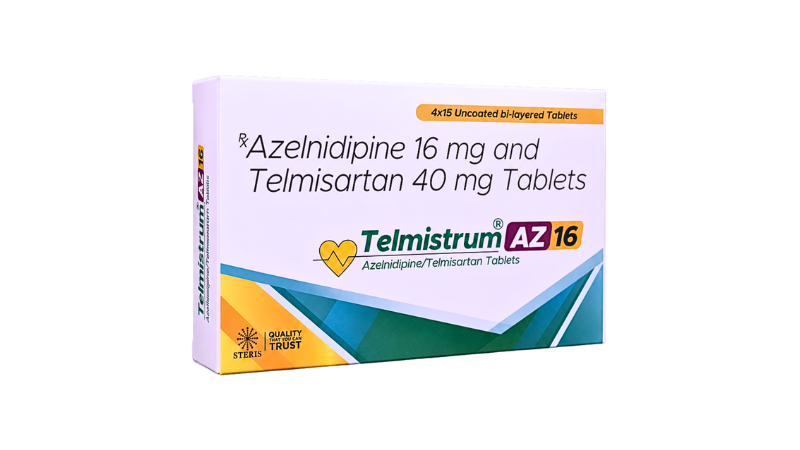
TELMISTRUM AZ 16: Telmisartan 40mg & Azelnidipine 16mg Uses, Dosage & Side Effects
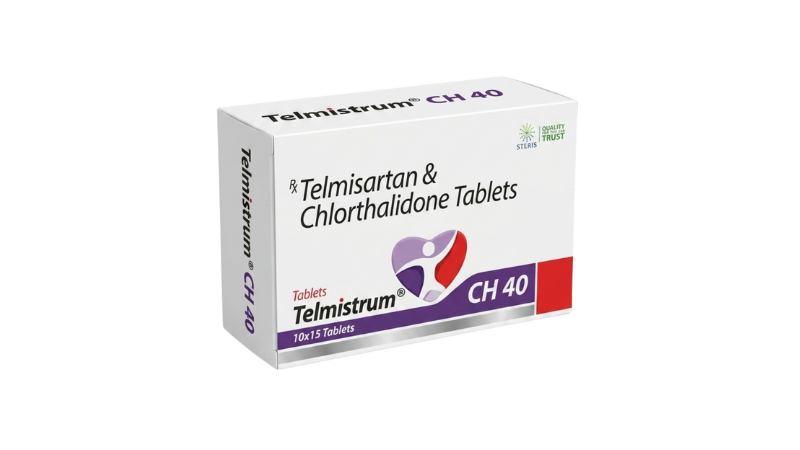
What Is Telmisartan and Chlorthalidone Combination Used For?
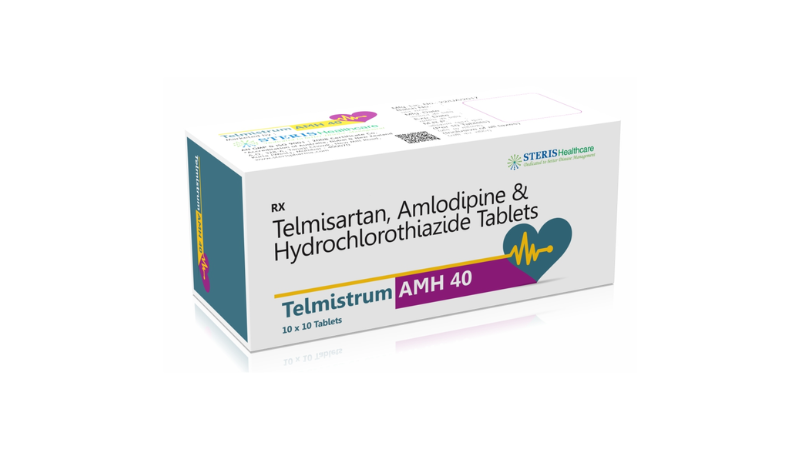
Telmisartan 40mg + Amlodipine 5mg Tablets: Uses, Dosage & Side Effects
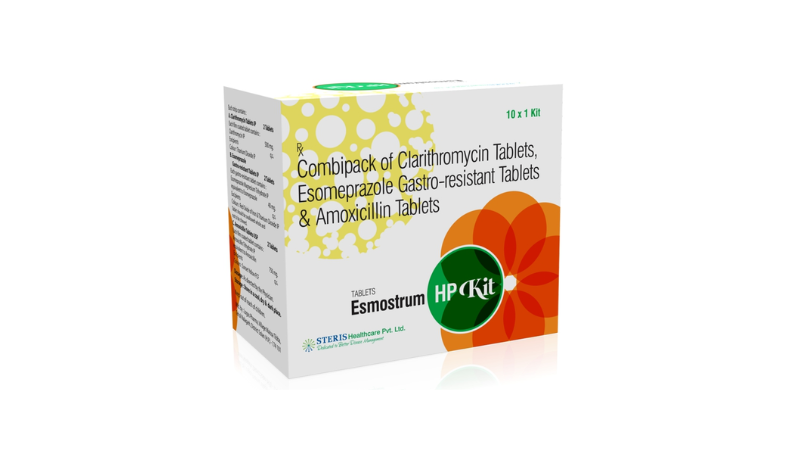
Clarithromycin, Esomeprazole & Amoxicillin Combo Kit: View Uses, Side Effects and Medicines
What Is Amoxicillin Clavulanate with Lactic Acid Bacillus Used For?

