


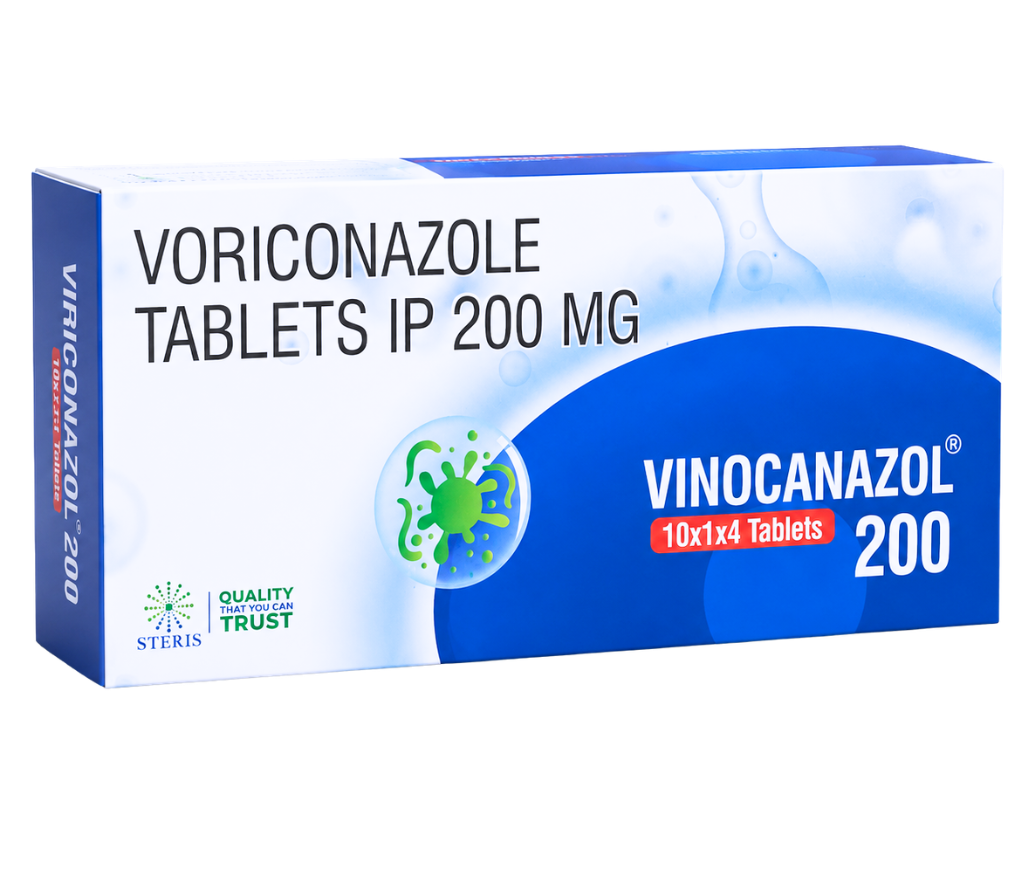
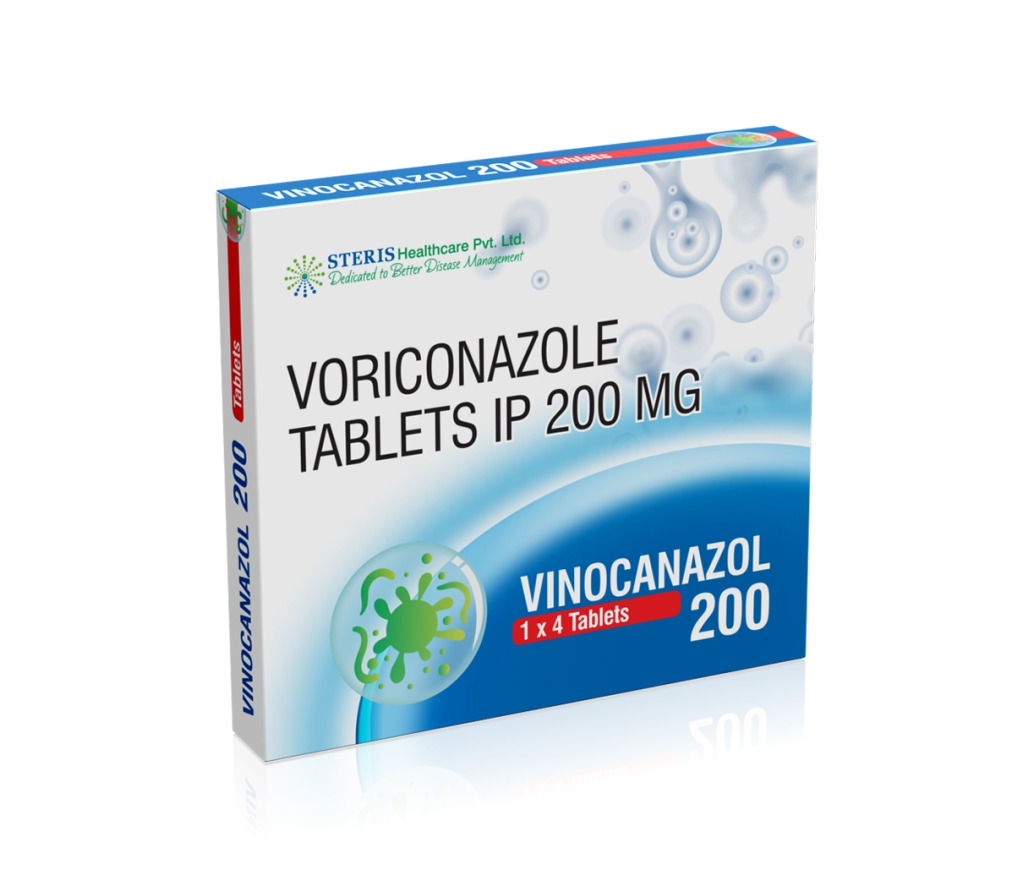

Voriconazole 200 mg | VINOCANAZOL 200
 Item requires a valid prescription
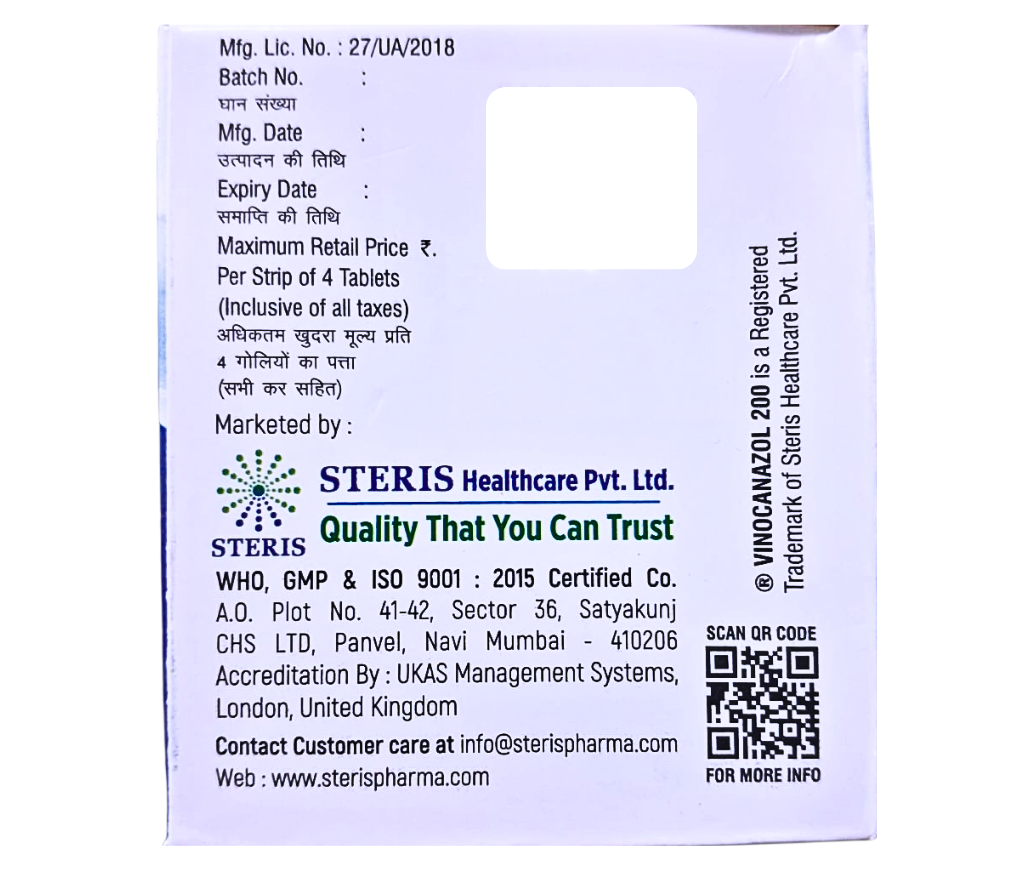
Manufactured By Steris Healthcare Pvt Ltd
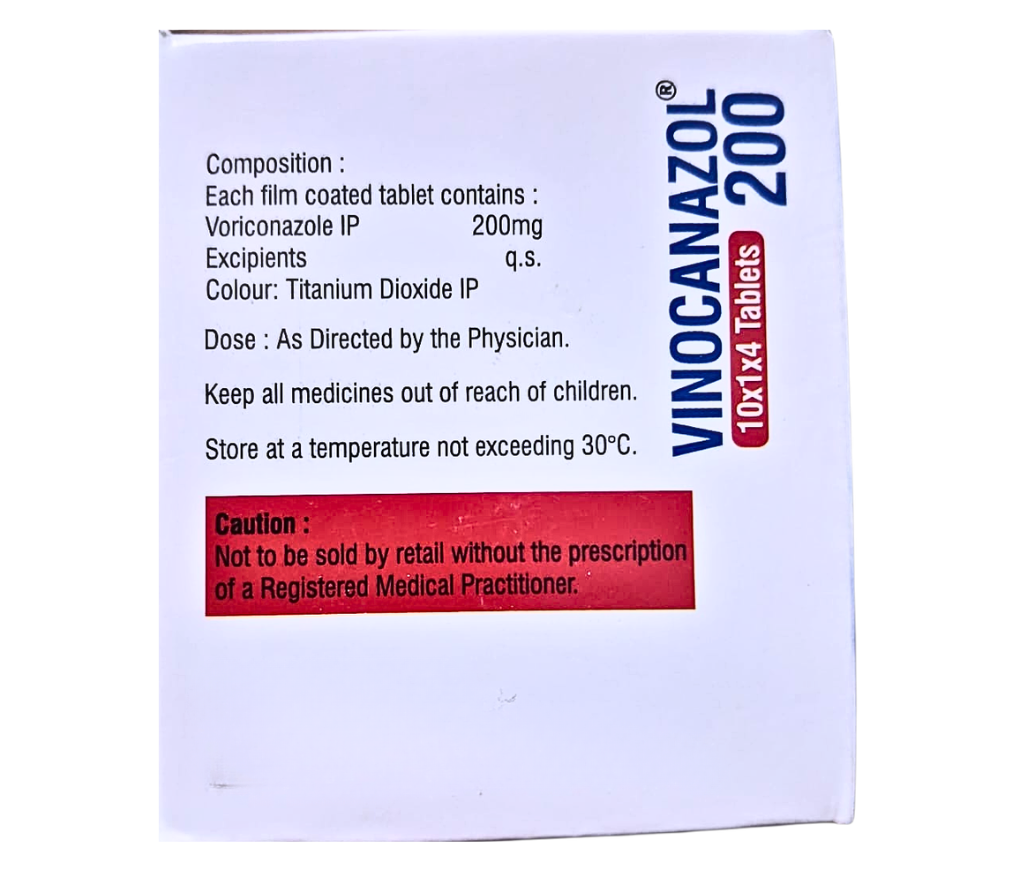
Composition Voriconazole (200mg)
Rs 1642.03
MRP Rs 2345.75
(30% OFF)
Includes all taxes
Package SIZE
( For 4 Tablet )

100% Authentic
Products

Free
Shipping*

Products
Return Policy
Description:
Voriconazole 200 mg is a medicine that doctors prescribe to treat fungal infections. This medicine is very good at fighting a lot of types of fungus like Candida and Aspergillus. Doctors like to use Voriconazole 200 mg when people have serious fungal infections that are hard to treat.
Doctors trust Voriconazole 200 mg because it really works well and can get into the tissues of the body easily. Voriconazole 200 mg is also good at fighting infections that do not respond to other treatments for fungus. Voriconazole 200 mg is a medicine that helps people, with serious fungal infections like Voriconazole 200 mg which is used to treat life threatening infections.
What is Voriconazole 200 mg?
Voriconazole 200 mg contains the active ingredient Voriconazole, a triazole antifungal agent that works by preventing fungal growth and reproduction. It is used in adults and certain pediatric patients for the treatment of invasive fungal infections that require systemic antifungal therapy.
Voriconazole is particularly effective against:
- Aspergillus species
- Candida species
- Scedosporium infections
- Fusarium infections
- Other opportunistic fungal pathogens
How Voriconazole 200 mg Works
Voriconazole works by inhibiting an enzyme known as lanosterol 14α-demethylase, which is essential for fungal cell membrane production.
Its mechanism of action includes:
- Blocking ergosterol synthesis
- Disrupting fungal cell membrane integrity
- Inhibiting fungal growth and replication
- Reducing the spread of fungal infections
Without ergosterol, fungal cells become unstable and unable to survive, helping the body eliminate the infection.
Common Uses of Voriconazole 200 mg
Healthcare providers may prescribe Voriconazole 200 mg for:
Invasive Aspergillosis
Often considered a first-line treatment for invasive Aspergillus infections.
Serious Candidiasis
Used for severe Candida infections, including certain resistant strains.
Scedosporium Infections
Effective in managing difficult fungal infections where treatment options may be limited.
Fusarium Infections
May be prescribed for serious Fusarium infections under specialist supervision.
Other Invasive Fungal Diseases
Suitable for selected systemic fungal infections requiring broad-spectrum antifungal coverage.
Key Benefits of Voriconazole 200 mg
Broad-Spectrum Antifungal Activity
Effective against numerous fungal organisms responsible for invasive infections.
Excellent Tissue Penetration
Reaches various body tissues, including sites that are difficult to treat.
Proven Clinical Effectiveness
Widely used in hospitals and specialist treatment centers worldwide.
Oral Treatment Option
Provides convenient oral therapy for long-term fungal infection management.
Supports Step-Down Therapy
Allows transition from intravenous to oral treatment when clinically appropriate.
Trusted by Specialists
Frequently prescribed by infectious disease experts and healthcare professionals.
Dosage and Administration
Voriconazole 200 mg should only be taken under the supervision of a qualified healthcare provider.
General recommendations include:
- Take exactly as prescribed.
- Swallow tablets whole with water.
- Maintain consistent dosing intervals.
- Follow the full treatment course even if symptoms improve.
- Do not skip doses.
The dosage depends on:
- Type of fungal infection
- Body weight
- Liver function
- Age
- Response to treatment
- Concurrent medications
Safety Information and Side Effects
Before taking Voriconazole 200 mg, inform your doctor if you have:
- Liver disease
- Kidney disease
- Heart rhythm disorders
- Electrolyte imbalances
- Previous allergic reactions to antifungals
Common Side Effects
- Headache
- Nausea
- Vomiting
- Diarrhea
- Dizziness
- Abdominal discomfort
Visual Disturbances
Some patients may experience:
- Blurred vision
- Increased sensitivity to light
- Altered color perception
Serious Side Effects
- Elevated liver enzymes
- Hepatotoxicity
- Severe skin reactions
- Cardiac rhythm abnormalities
- Neuropsychiatric symptoms
Drug Interactions and Monitoring
Voriconazole has significant interactions with many medications because it affects liver enzyme systems responsible for drug metabolism.
Patients should inform their healthcare provider about:
- Blood thinners
- Immunosuppressants
- Antiepileptic medications
- Cholesterol-lowering drugs
- Herbal supplements
Monitoring may include:
- Liver function tests
- Blood drug level monitoring
- ECG assessments when indicated
- Clinical response evaluation
Why Choose Voriconazole 200 mg?
Voriconazole 200 mg remains one of the most trusted antifungal therapies because it offers:
- Broad-spectrum fungal coverage
- Strong clinical evidence
- Effective treatment of invasive infections
- Convenient oral administration
- Excellent tissue distribution
- Specialist-recommended therapy
When prescribed and monitored appropriately, Voriconazole 200 mg can play a vital role in managing severe fungal infections and improving patient outcomes.
Frequently Asked Questions
What is Voriconazole 200 mg used for?
Voriconazole 200 mg is used to treat serious fungal infections such as invasive aspergillosis, candidiasis, and other systemic fungal diseases.
How does Voriconazole work?
It blocks fungal cell membrane formation by inhibiting ergosterol synthesis, preventing fungal growth and survival.
Is Voriconazole an antibiotic?
No. Voriconazole is an antifungal medication used specifically to treat fungal infections.
How long does Voriconazole treatment last?
Treatment duration varies depending on the infection and may range from weeks to several months.
Can Voriconazole treat Candida infections?
Yes. It is commonly used for severe Candida infections, including some resistant strains.
What are the common side effects of Voriconazole?
Common side effects include headache, nausea, diarrhea, dizziness, and temporary visual disturbances.
Can Voriconazole affect vision?
Yes. Some patients may experience blurred vision, light sensitivity, or altered color perception during treatment.
Is liver monitoring necessary while taking Voriconazole?
Yes. Regular liver function tests are often recommended during therapy.
Can I stop taking Voriconazole when I feel better?
No. Complete the full course prescribed by your healthcare provider to ensure proper infection control.
Does Voriconazole interact with other medications?
Yes. It can interact with many prescription and over-the-counter medications.
Can Voriconazole be taken with food?
Follow your physician's instructions regarding administration and timing.
Is a prescription required for Voriconazole 200 mg?
Yes. Voriconazole 200 mg is a prescription-only medication.
How should Voriconazole 200 mg be stored?
Store in a cool, dry place away from moisture, heat, and direct sunlight.
Can I buy Voriconazole 200 mg online?
A valid prescription is generally required to purchase Voriconazole from licensed pharmacies.
How long can you take voriconazole?
Voriconazole duration varies by infection severity and doctor's guidance—typically weeks to months for serious fungal infections. Long-term use needs monitoring for liver toxicity, skin reactions, and bone effects.
Is voriconazole an antibiotic or not?
No, voriconazole is not an antibiotic—it's an antifungal medication (triazole class) used to treat serious fungal infections like aspergillosis and candidiasis, not bacterial infections.
What are the benefits of voriconazole?
Voriconazole effectively treats serious invasive fungal infections (aspergillosis, candidiasis), offers strong tissue penetration including CNS, oral/IV flexibility, and broad-spectrum antifungal activity for immunocompromised or critically ill patients.
What is voriconazole 200 mg used to treat?
Voriconazole 200 mg treats serious invasive fungal infections—including invasive aspergillosis, candidemia, esophageal candidiasis, and other severe fungal infections in immunocompromised or critically ill patients. Prescription-only, doctor-supervised use.
Product Information
Brand name: VINOCANAZOL 200 (STERIS HEALTHCARE PVT LTD)
Composition Name: voriconazole 200 mg
Pack size: Strip of 10 tablets
Marketed By: Steris Healthcare Pvt Ltd
Regulatory standard: WHO-GMP certified
Schedule: Valid Prescription Required (prescription only) please create in this manner.

