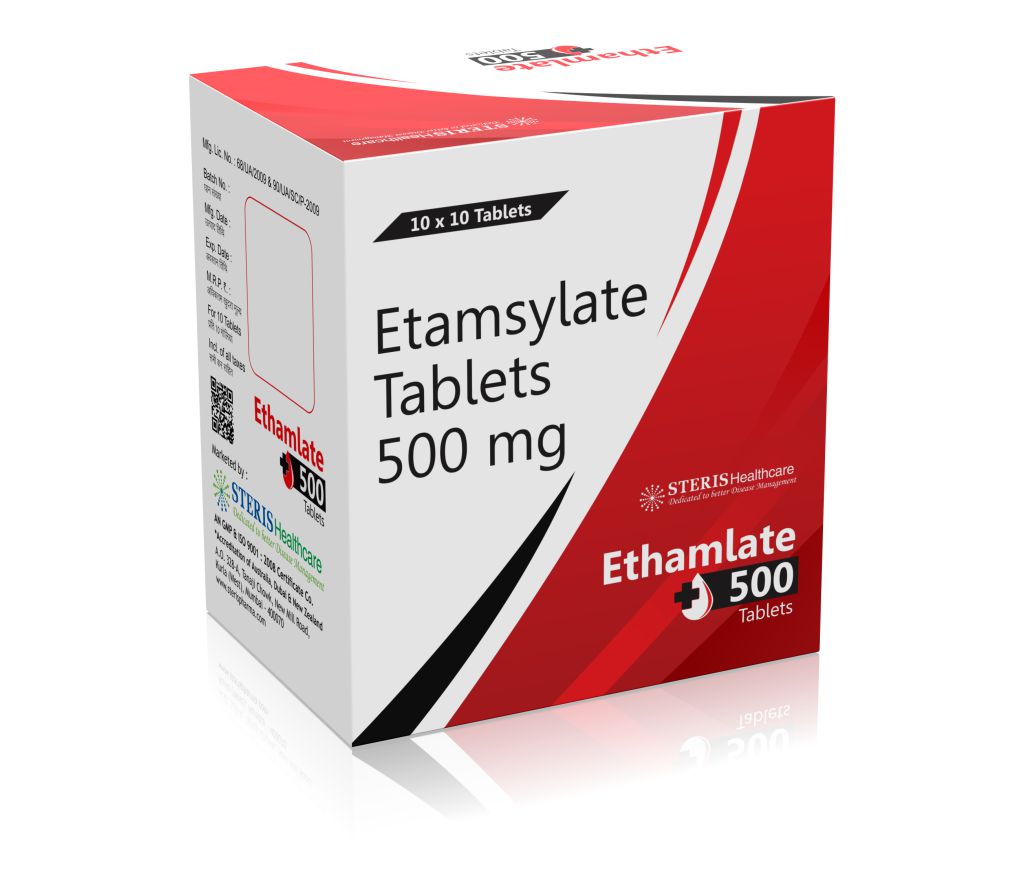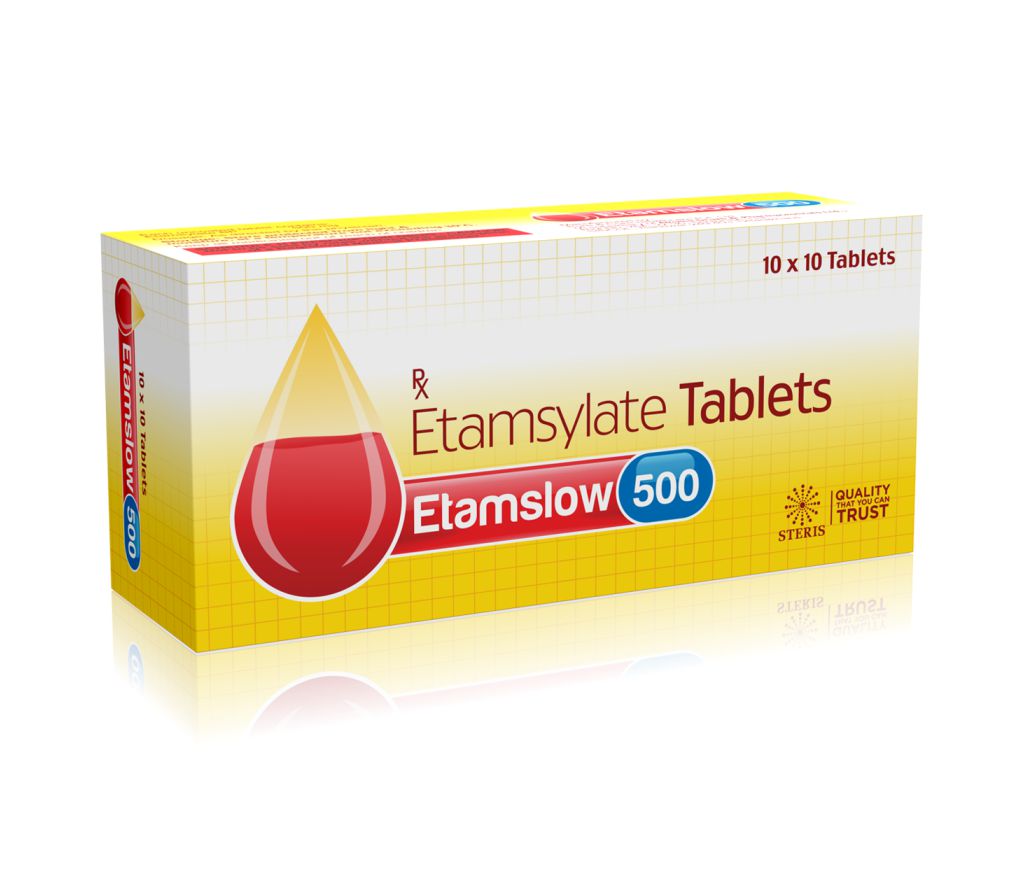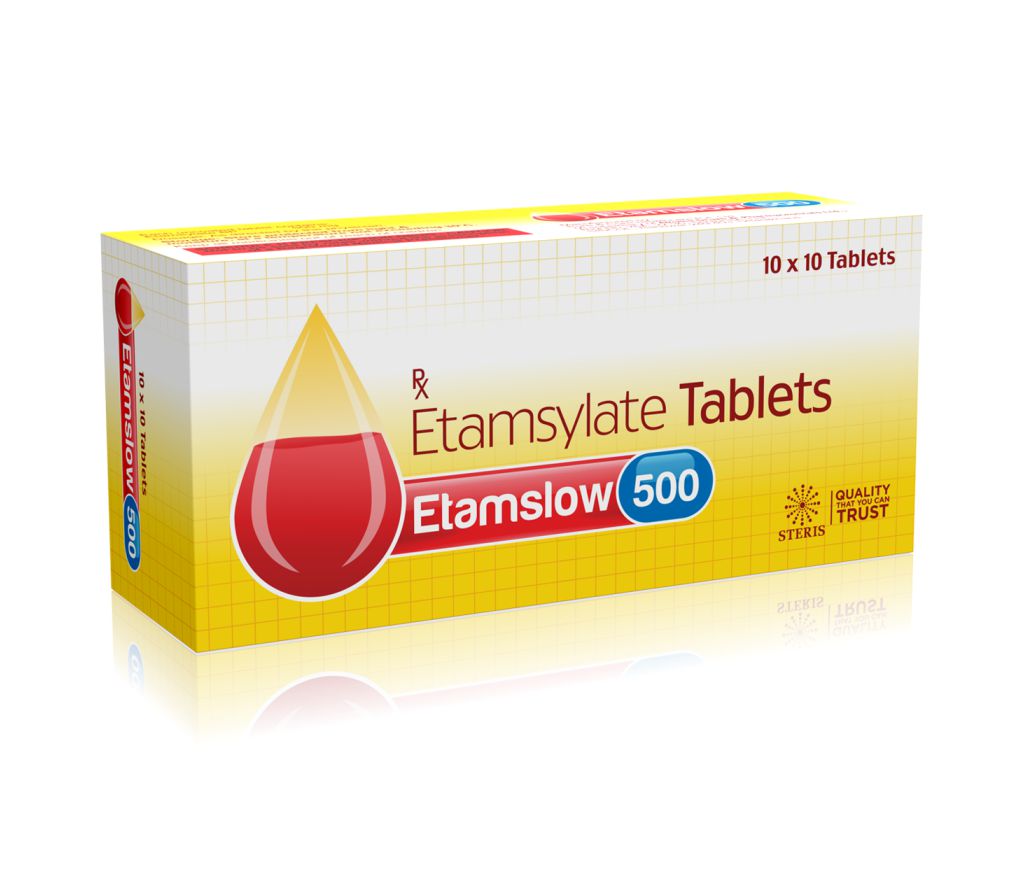
ETHAMSLOW 500
 Item requires a valid prescription
Manufactured By Steris Healthcare Pvt Ltd
Composition Etamsylate (500mg)
Rs 108.28
MRP Rs 154.69
(30% OFF)
Includes all taxes
Package SIZE
( For 10 Tablet )

100% Authentic
Products

Free
Shipping*

Products
Return Policy
Description:
Etamsylate 500 mg is a haemostatic medicine used to help prevent or reduce certain types of abnormal bleeding. It is particularly associated with the management of excessive menstrual bleeding (heavy periods) and other bleeding involving small blood vessels. Depending on the clinical situation and local prescribing practices, etamsylate may also be used around certain surgical procedures to help control or reduce bleeding
If you are searching for Etamsylate 500 mg uses, Etamsylate 500 mg tablets for heavy periods, Etamsylate 500 mg benefits, dosage, or side effects, it is important to understand that this is a prescription medicine and should be used according to a healthcare professional's advice.
What Is Etamsylate 500 mg?
Etamsylate is an anti-haemorrhagic (haemostatic) medicine. It is thought to work primarily by improving platelet adhesion and helping strengthen resistance of small blood vessels, which can reduce capillary bleeding. Pharmacological references describe etamsylate as acting on the early stages of haemostasis rather than functioning like an anticoagulant.
A tablet labeled Etamsylate 500 mg contains 500 mg of etamsylate as its active ingredient. Different brands may contain different inactive ingredients, so consumers should check the individual product label.
Etamsylate 500 mg Uses
The main purpose of Etamsylate 500 mg is to help control or reduce abnormal bleeding when a clinician considers etamsylate appropriate.
1. Heavy menstrual bleeding
One of the most recognized uses of etamsylate is excessive menstrual bleeding, also called menorrhagia or heavy menstrual bleeding. Indian medicine references list etamsylate for abnormal blood loss during periods and dysfunctional uterine bleeding.
Heavy periods can have many causes, including fibroids, hormonal disorders, adenomyosis, bleeding disorders and other gynecological conditions. Etamsylate can help reduce bleeding in appropriate cases, but it does not necessarily treat the underlying cause.
If menstrual bleeding is unusually heavy, recurrent or associated with significant pain, dizziness or weakness, medical assessment is important rather than repeatedly self-medicating.
2. Abnormal uterine bleeding
Etamsylate may be prescribed for certain forms of dysfunctional or abnormal uterine bleeding. However, abnormal vaginal bleeding has numerous possible causes, so a healthcare professional may need to investigate the underlying condition before recommending treatment
3. Bleeding associated with small blood vessels
Etamsylate is described pharmacologically as a haemostatic agent for bleeding from small blood vessels and capillaries. Its proposed action includes improving platelet adhesiveness and capillary resistance
4. Perioperative bleeding control
Some references describe etamsylate as being used to prevent or reduce bleeding before, during or after certain delicate surgical procedures. Whether it is appropriate depends on the procedure and the patient's individual bleeding risk
Key Benefits of Etamsylate 500 mg
When appropriately prescribed, potential benefits of Etamsylate 500 mg include:
- Helping reduce excessive menstrual blood loss.
- Supporting control of certain forms of abnormal uterine bleeding.
- Helping reduce bleeding associated with capillary or small-vessel bleeding.
- Supporting haemostasis by improving platelet adhesion and capillary resistance.
- Providing an oral haemostatic option when clinically appropriate.
The benefit depends on the cause of bleeding, severity of bleeding, dose, treatment duration and individual patient factors. Etamsylate should therefore not be viewed as a universal treatment for every type of bleeding.
How Does Etamsylate 500 mg Work?
Etamsylate is considered a haemostatic medicine. Its proposed mechanism involves improving the interaction of platelets with damaged small blood vessels and increasing resistance of capillary walls. Some pharmacological sources also describe effects involving prostaglandin pathways.
In simple terms, Etamsylate 500 mg helps the body's natural process of stopping bleeding work more effectively at small blood-vessel sites.
This mechanism is different from medicines such as anticoagulants, which are designed to reduce blood clotting.
Etamsylate 500 mg for Heavy Periods
For people searching specifically for Etamsylate 500 mg for heavy periods, the medicine may be prescribed when excessive menstrual bleeding requires treatment.
However, heavy menstrual bleeding should not automatically be assumed to be a simple hormonal problem. Persistent heavy periods may result from conditions such as fibroids, adenomyosis, endometriosis, thyroid disorders, bleeding disorders or other gynecological conditions.
Clinical guidelines for heavy menstrual bleeding emphasize assessing the cause and selecting treatment according to the individual's symptoms and underlying condition.
If you are repeatedly experiencing very heavy periods, treatment should address both bleeding control and the reason for the bleeding.
Etamsylate 500 mg Dosage
The correct Etamsylate 500 mg dosage depends on why the medicine has been prescribed, the severity of bleeding, age, medical history and the specific product.
Do not use a dosage found on another person's prescription or automatically take more tablets because bleeding has not stopped.
Some pharmacological references describe oral etamsylate dosing in divided doses, but the appropriate regimen varies by indication and patient.PPediatric Oncall
For safe use:
- Follow the prescription exactly.
- Do not double a missed dose unless your doctor specifically instructs you to do so.
- Do not continue treatment for longer than recommended.
- Do not give the medicine to another person.
- Ask your pharmacist or doctor if you are uncertain about the instructions.
Etamsylate 500 mg Side Effects
Like all medicines, Etamsylate 500 mg can cause side effects, although not everyone experiences them.
Reported or commonly listed side effects include:
- Nausea
- Headache
- Diarrhea
- Vomiting
- Skin rash
- Abdominal discomfort
- Dizziness or weakness in some patients
Indian medicine references list nausea, headache, diarrhea, vomiting and skin rash among possible adverse effects.
Most mild adverse effects may resolve, but persistent or worsening symptoms should be discussed with a healthcare professional.
When to seek urgent medical attention
Seek prompt medical attention if you develop signs of a serious allergic reaction, severe weakness, fainting, difficulty breathing, extensive rash or bleeding that is severe or does not improve.
The underlying cause of bleeding also matters. Very heavy bleeding accompanied by faintness, shortness of breath, chest symptoms or severe weakness may require urgent evaluation.
Who Should Be Careful With Etamsylate 500 mg?
Tell your doctor before taking etamsylate if you have:
- A known allergy to etamsylate.
- A history of blood-clotting or thromboembolic problems.
- Kidney or liver problems.
- Porphyria or a history of acute porphyria.
- Unstable or low blood pressure.
- Any unexplained or recurrent abnormal bleeding.
Some pharmacological references recommend caution in people with renal impairment, a history of thromboembolism or acute intermittent porphyria
Pregnancy and breastfeeding
Do not start Etamsylate 500 mg during pregnancy or breastfeeding unless your doctor specifically recommends it. Product and medicine references advise discussing these circumstances with a healthcare professional before use.
Etamsylate 500 mg: Important Buyer Information
If you are purchasing an etamsylate medicine online, verify that the product is supplied by a legitimate pharmacy and check:
- Active ingredient: Confirm that the product contains etamsylate 500 mg.
- Expiry date: Do not purchase or use expired medicine.
- Manufacturer: Check the manufacturer and packaging information.
- Prescription requirements: Follow applicable pharmacy and prescription rules.
- Packaging integrity: Avoid products with damaged, opened or suspicious packaging.
- Storage instructions: Follow the storage conditions printed on the package.
- Medical suitability: Do not select a product solely because it appears cheaper or has more favorable online reviews.
A 2026 Indian pharmacy listing, for example, identifies Ethamstat 500 mg as an etamsylate product used for excessive menstrual blood loss, demonstrating current consumer search demand for this medicine
Etamsylate 500 mg
Etamsylate is only one possible treatment used for bleeding. Depending on the diagnosis, clinicians may consider other approaches, including hormonal treatments, antifibrinolytic medicines such as tranexamic acid, non-steroidal anti-inflammatory drugs, or treatment directed at an underlying structural condition.
The appropriate option depends on why the bleeding is occurring, whether pregnancy is possible, other medical conditions, medications, fertility plans and individual risk factors.
Therefore, choosing a bleeding-control medicine based only on an online search is not recommended.
Frequently Asked Questions
1. What is Etamsylate 500 mg used for?
Etamsylate 500 mg is used to help control or reduce certain types of abnormal bleeding, particularly excessive menstrual bleeding and some forms of capillary or small-vessel bleeding. It may also be used in selected surgical situations.
2. Is Etamsylate 500 mg used for heavy periods?
Yes. Etamsylate is used in some patients to help reduce excessive menstrual blood loss. However, recurrent heavy periods should be medically assessed to identify the underlying cause.
3. What are the common side effects of Etamsylate 500 mg?
Commonly reported side effects include nausea, headache, diarrhea, vomiting and skin rash. Some people may experience abdominal discomfort or other symptoms. Contact a healthcare professional if symptoms are severe or persistent.
4. Can Etamsylate 500 mg stop heavy menstrual bleeding immediately?
It should not be assumed to stop bleeding immediately. The response depends on the cause and severity of bleeding and the individual's response to treatment. Severe or rapidly worsening bleeding requires medical assessment rather than repeated self-dosing.
5. Is Etamsylate 500 mg a blood thinner?
No. Etamsylate is a haemostatic medicine, meaning it is used to help reduce certain types of bleeding. It is not an anticoagulant or conventional blood thinner. Its proposed action involves platelet adhesion and capillary resistance.
6. Can I take Etamsylate 500 mg without a prescription?
Whether a prescription is required depends on the product and applicable regulations. Because abnormal bleeding can have serious underlying causes, Etamsylate 500 mg should be used under appropriate medical guidance, particularly for recurrent or unexplained bleeding.
7. Can Etamsylate 500 mg be taken during pregnancy?
Do not take etamsylate during pregnancy unless it has been specifically recommended by your doctor. Pregnancy-related bleeding requires medical evaluation because the cause can range from minor to potentially serious.
8. What should I do if heavy bleeding continues while taking Etamsylate 500 mg?
Contact your healthcare professional. Continuing or increasing the medicine on your own may delay diagnosis of the underlying problem. If bleeding is extremely heavy or accompanied by fainting, severe weakness, breathing difficulty or other concerning symptoms, seek urgent medical care.
Conclusion
Etamsylate 500 mg is a haemostatic medicine primarily used to help control certain types of abnormal bleeding, including heavy menstrual bleeding and bleeding from small blood vessels. Its proposed action involves improving platelet adhesion and capillary resistance, helping the body's natural haemostatic process.
For buyers researching Etamsylate 500 mg uses and benefits, the most important point is that it is a treatment for appropriate bleeding situations—not a medicine that should be used for every episode of blood loss. Persistent heavy periods, unexplained vaginal bleeding or recurrent bleeding should be evaluated for an underlying cause.