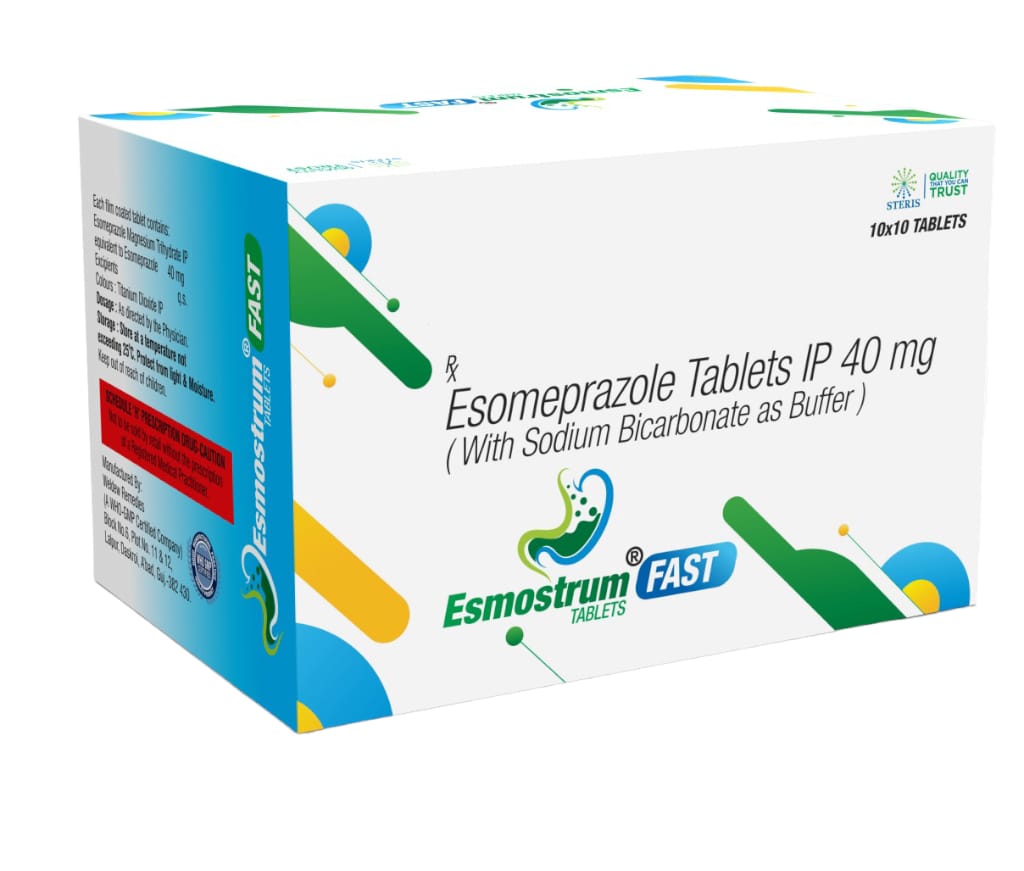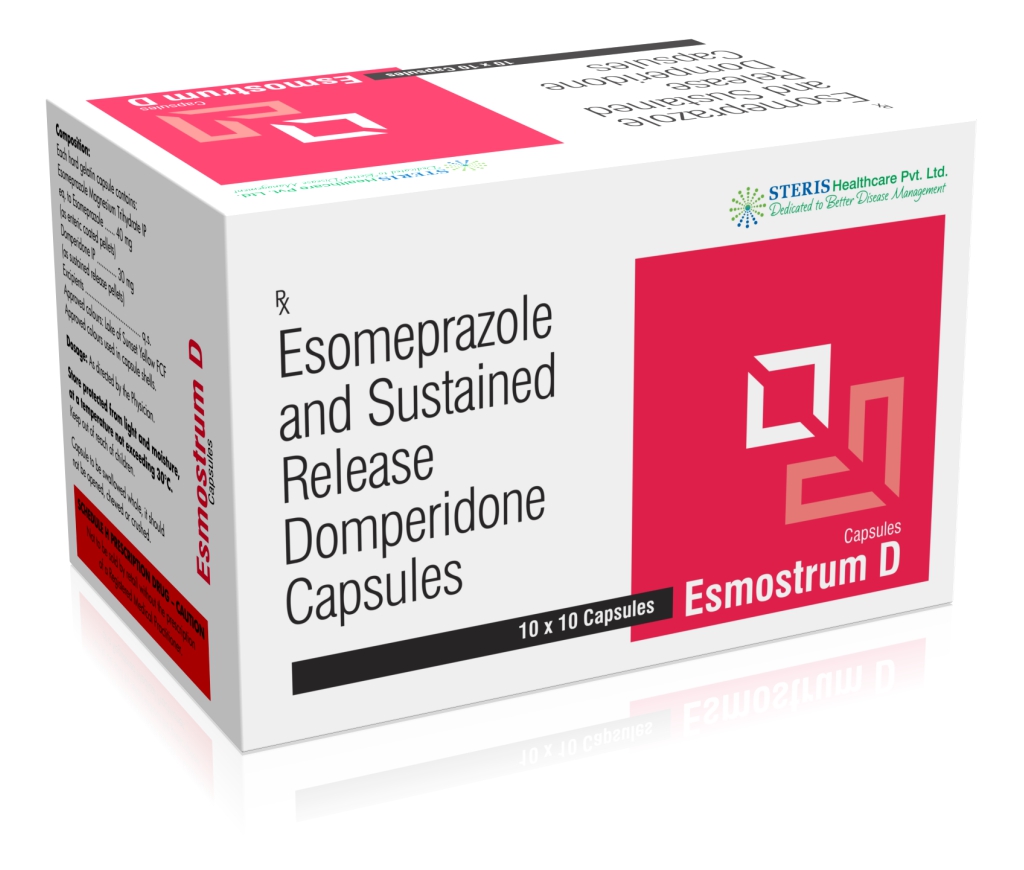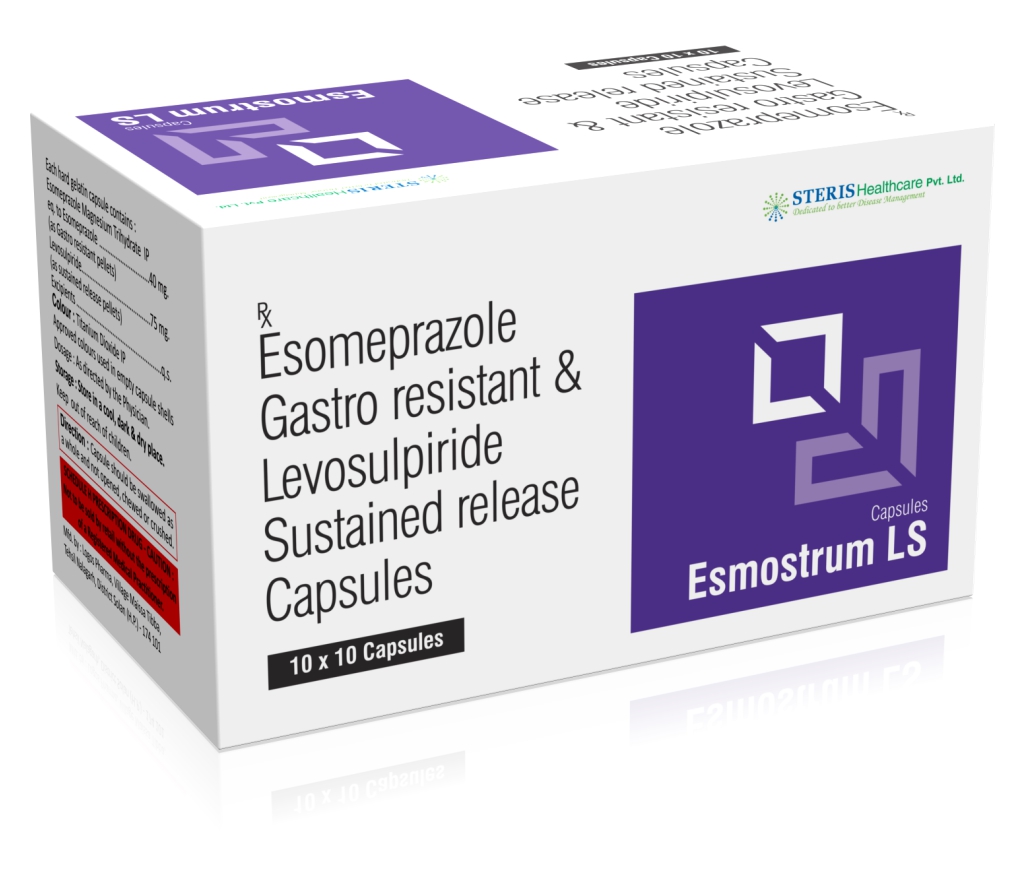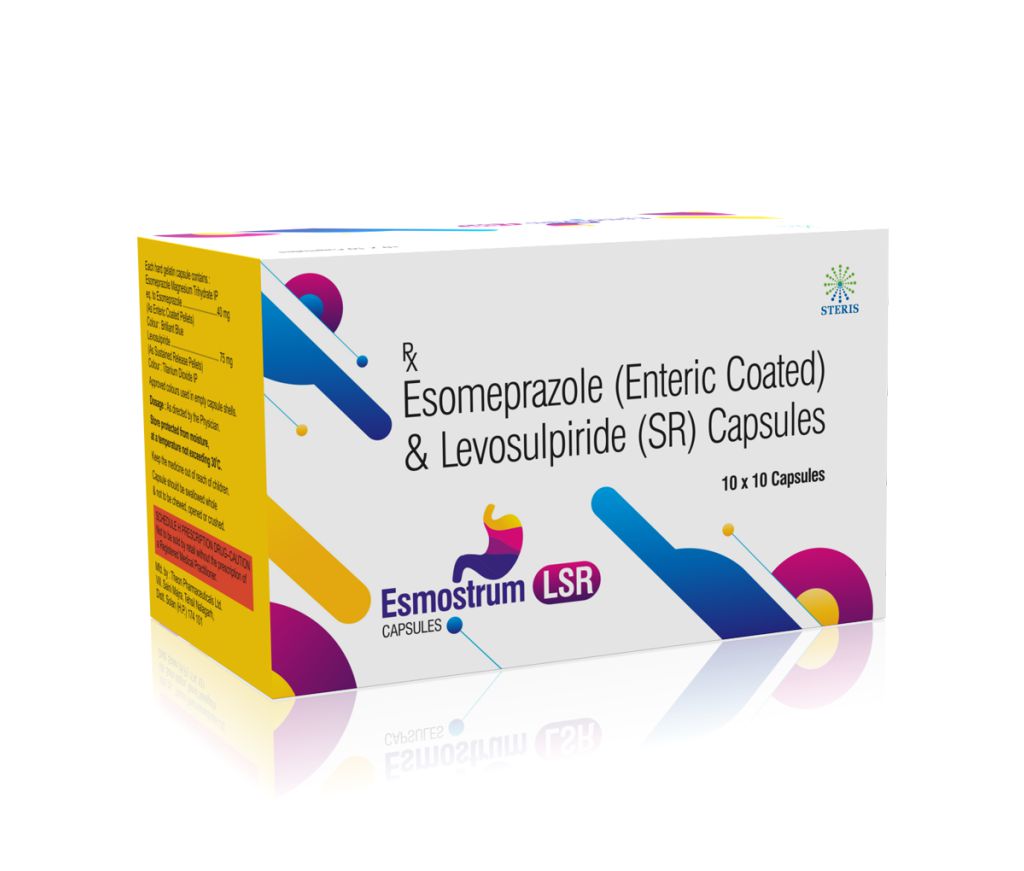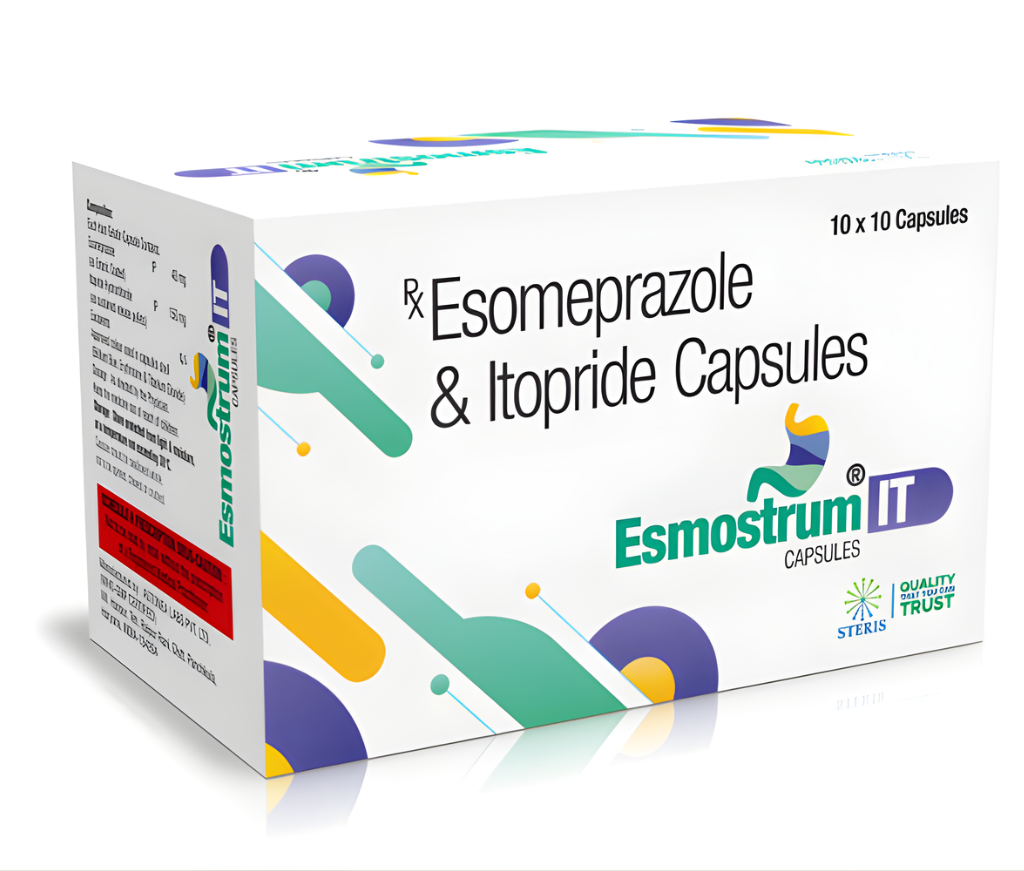


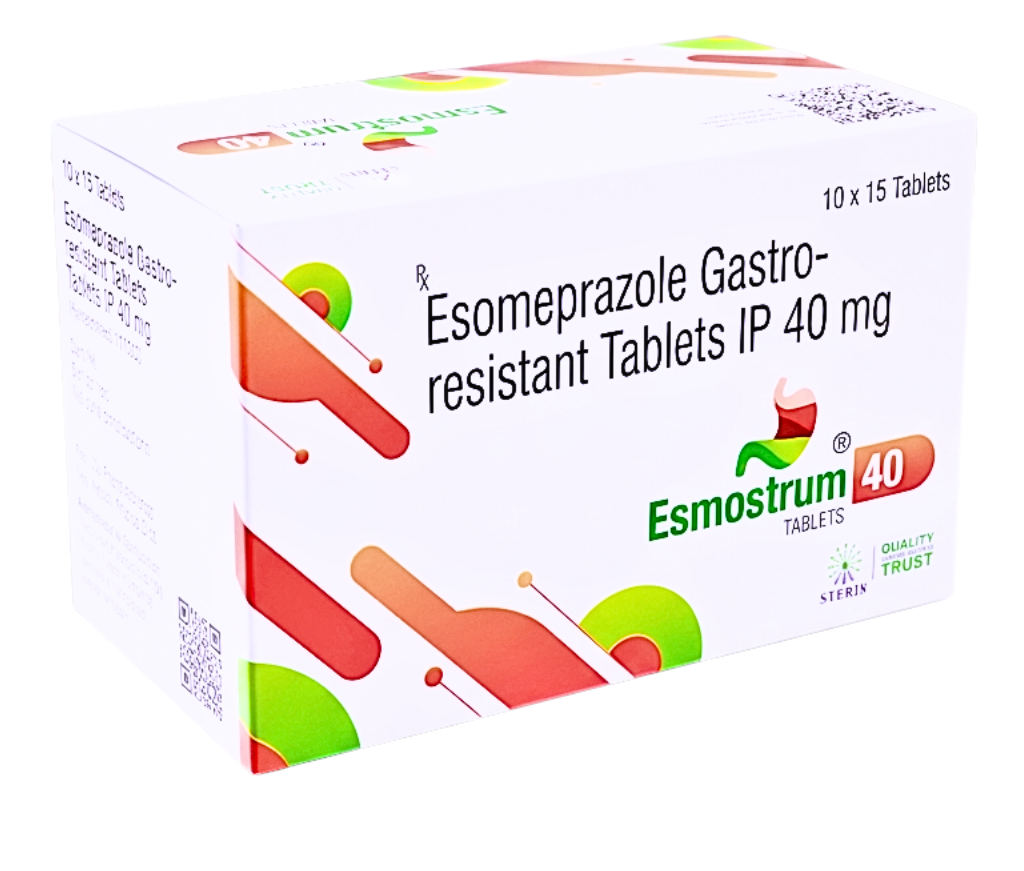
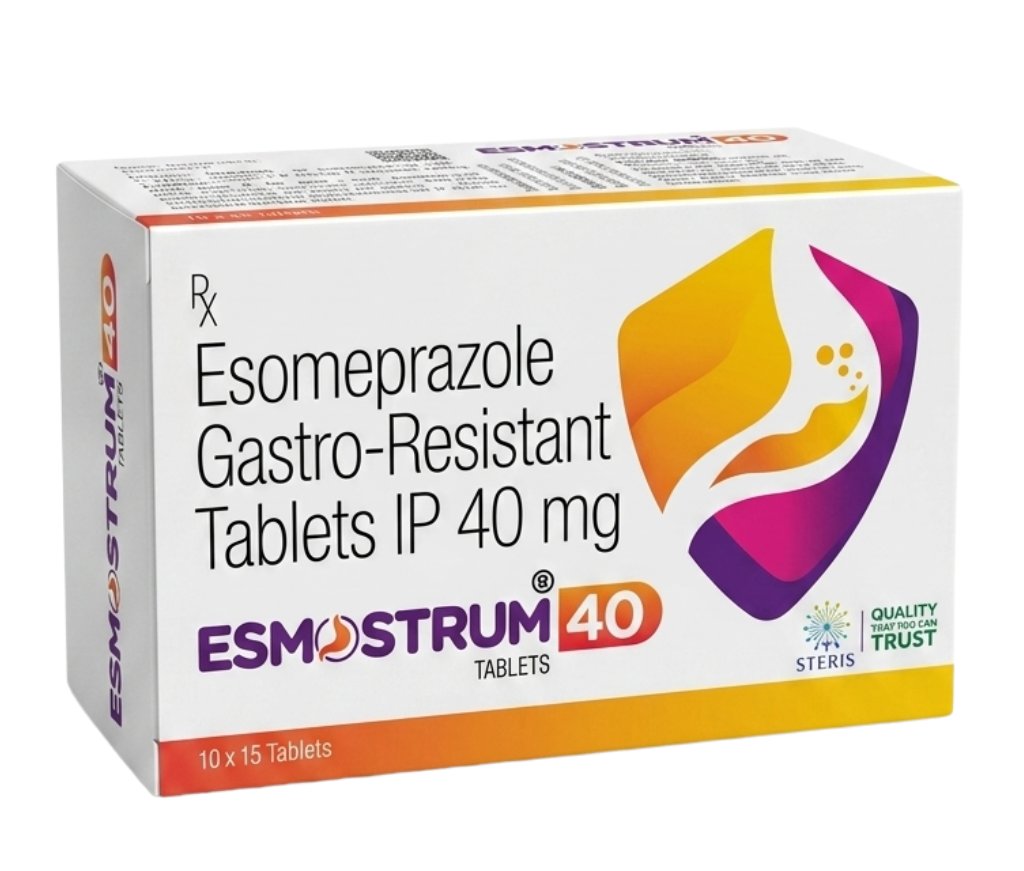
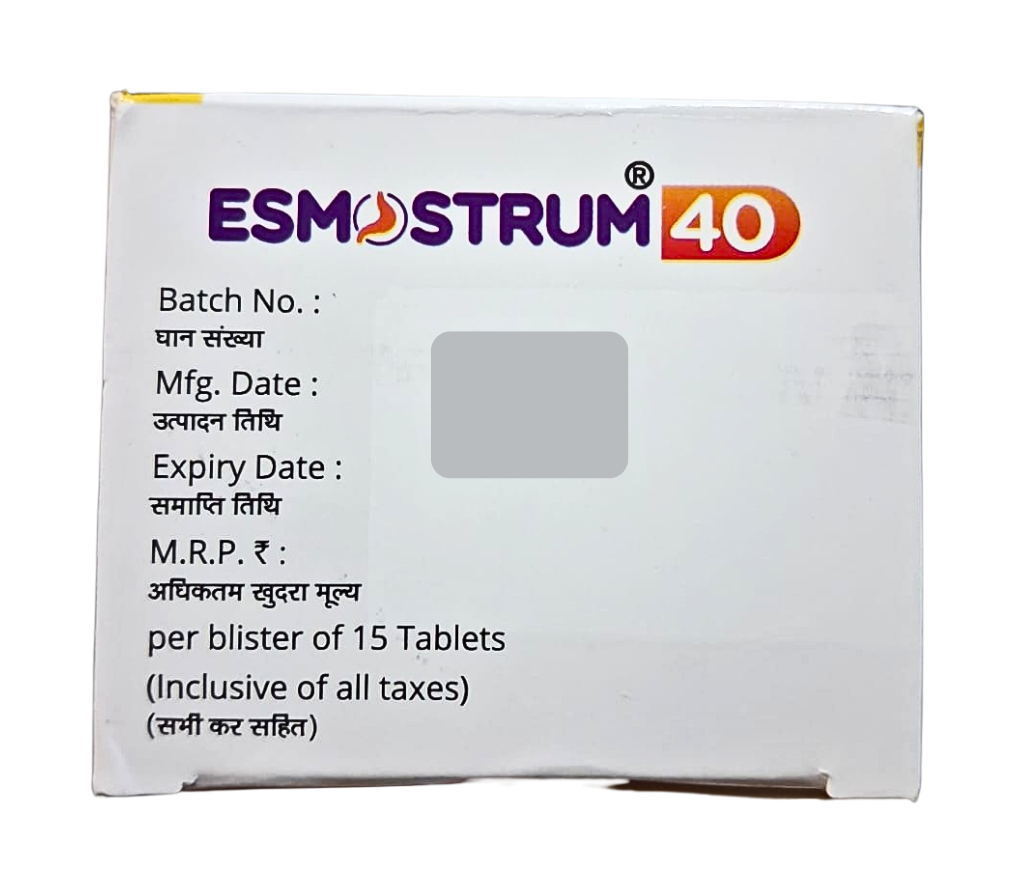
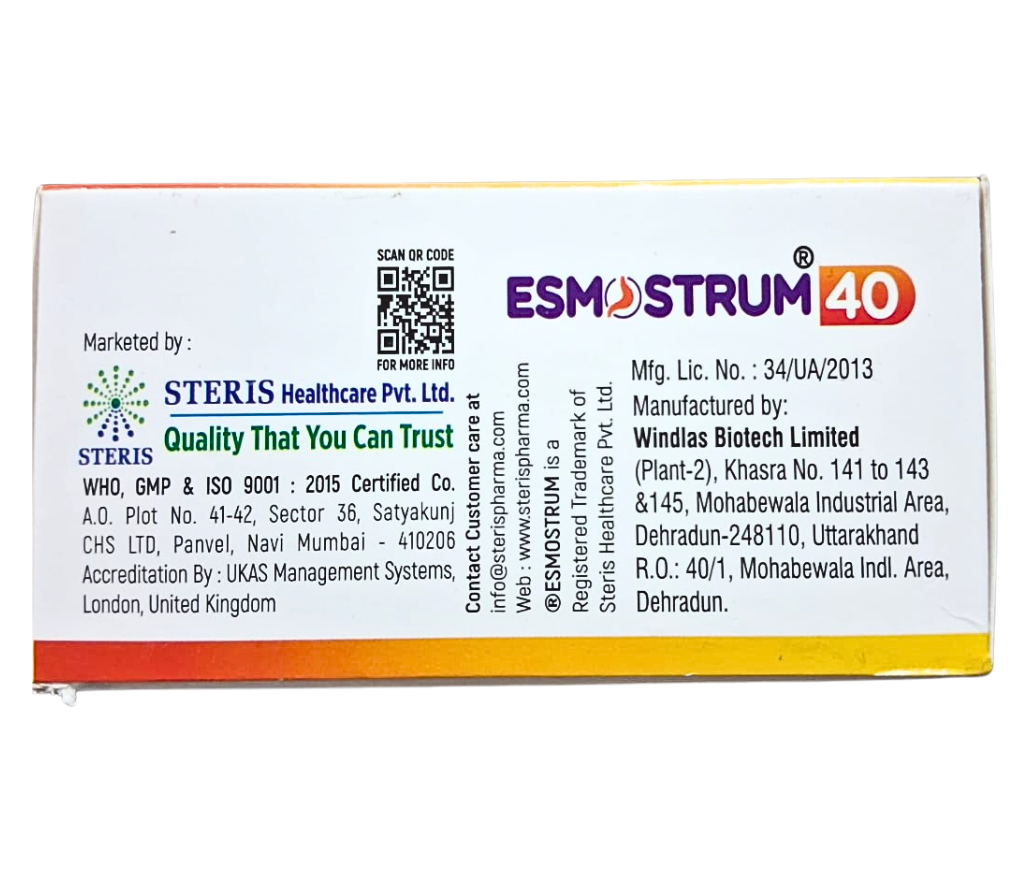
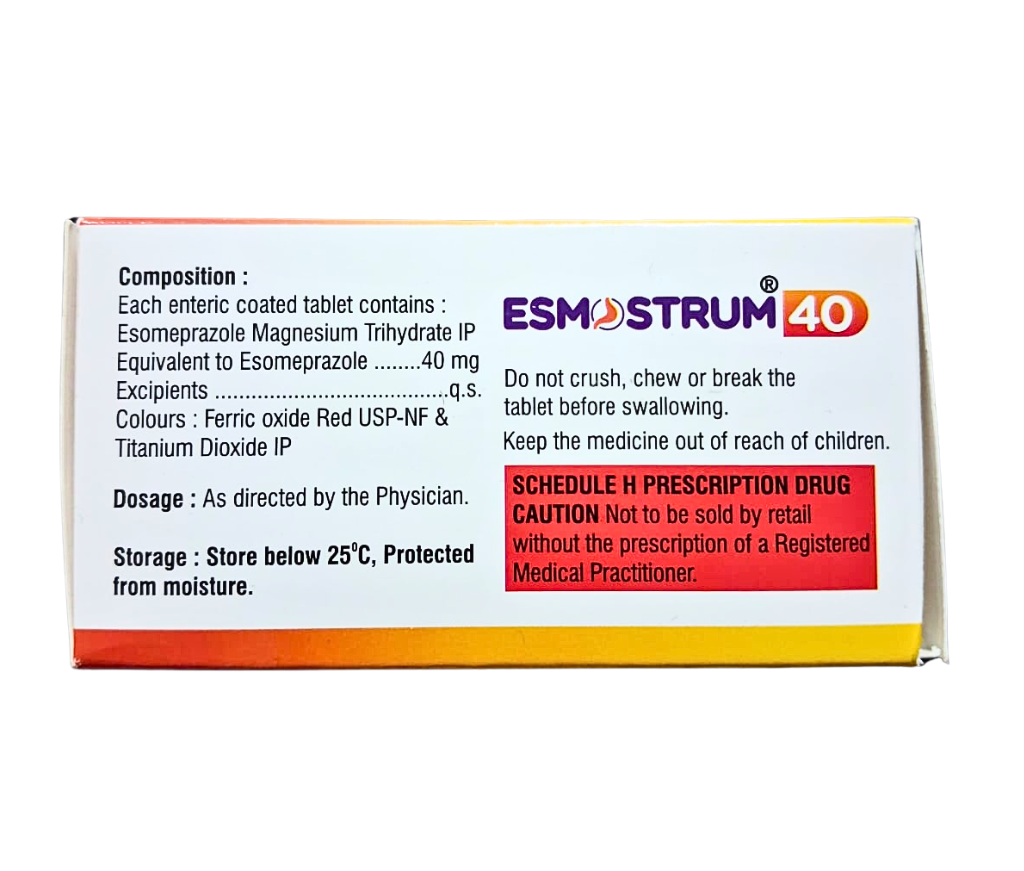
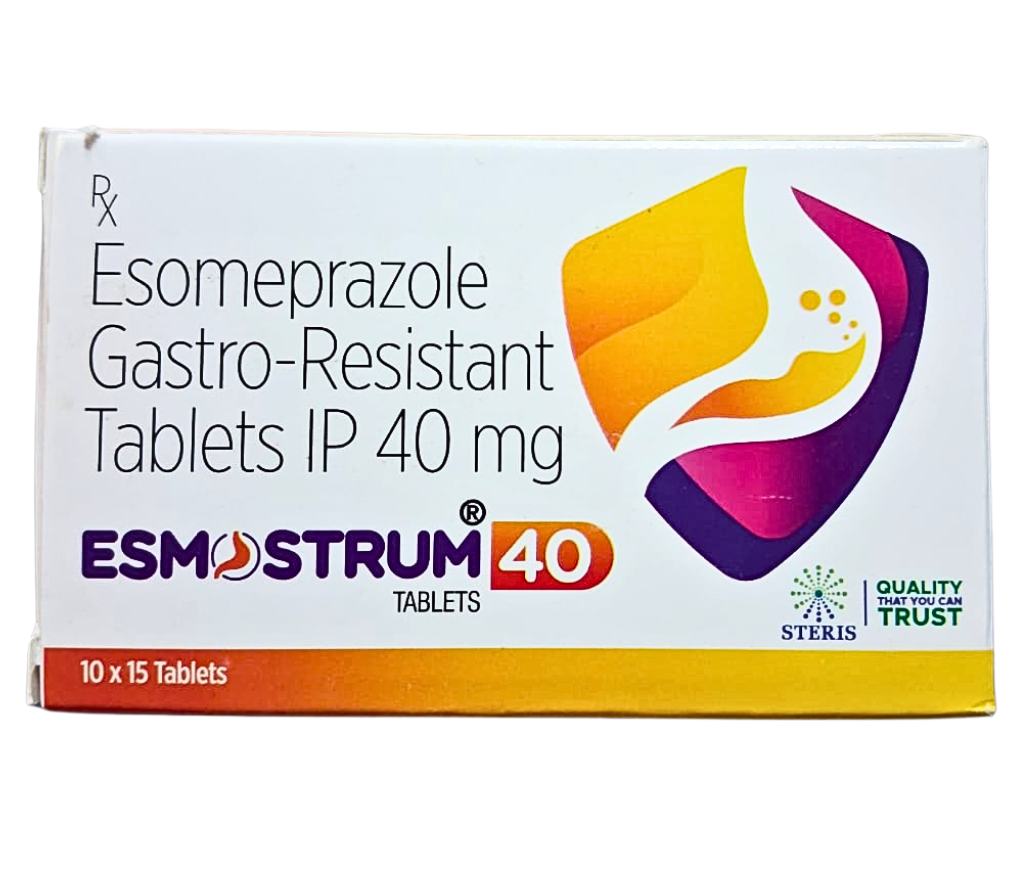
Esomeprazole 40mg | ESMOSTRUM 40
 Item requires a valid prescription
Manufactured By Steris Healthcare Pvt Ltd
Composition Esomeprazole (40mg)
Rs 78.09
MRP Rs 111.56
(30% OFF)
Includes all taxes
Package SIZE
( For 15 Tablet )

100% Authentic
Products

Free
Shipping*

Products
Return Policy
Description:
.
What Are Esomeprazole Tablets Used For?
Esomeprazole tablet uses are primarily associated with conditions caused by excessive or unwanted stomach acid. Esomeprazole belongs to a group of medicines called proton pump inhibitors (PPIs). It reduces the amount of acid produced by the stomach and can therefore help relieve acid-related symptoms and support healing of acid-related damage.
Esomeprazole may be prescribed or recommended for heartburn, acid reflux, gastroesophageal reflux disease (GERD/GORD), stomach and duodenal ulcers, prevention of certain NSAID-associated ulcers, and conditions involving excessive gastric acid production. It may also be used with other medicines as part of treatment for Helicobacter pylori infection associated with peptic ulcers.
Esomeprazole: What Is It?
Esomeprazole is the S-isomer of omeprazole and belongs to the proton pump inhibitor class. Its principal action is to suppress the final stage of gastric acid secretion by inhibiting the stomach's acid-producing proton pump.
This makes it useful when excessive gastric acid contributes to symptoms or tissue irritation.
How Does Esomeprazole Work?
When food enters the stomach, specialized cells produce hydrochloric acid to aid digestion. In people with acid reflux or other acid-related disorders, gastric acid can move into the esophagus or contribute to irritation and ulcer formation.
Esomeprazole inhibits the gastric proton pump responsible for the final step of acid secretion. As stomach acid production decreases:
- Heartburn may become less frequent.
- Acid reflux symptoms may improve.
- Acid-related irritation can have an opportunity to heal.
- The risk of acid-related damage may be reduced in appropriate patients.
- It can form part of combination therapy for H. pylori-associated ulcers.
Key Esomeprazole Tablet Uses
The most important uses include:
1. Acid Reflux and Heartburn
Esomeprazole can help control frequent heartburn associated with acid reflux. When acidic stomach contents flow backward into the esophagus, they may cause burning discomfort behind the chest or upper abdominal discomfort.
Reducing gastric acid can reduce the intensity and frequency of acid-related symptoms.
2. Gastroesophageal Reflux Disease (GERD)
GERD is a chronic condition in which stomach contents repeatedly flow back into the esophagus. Esomeprazole may be used to control symptoms and, where appropriate, help heal acid-related esophageal damage.
3. Stomach and Duodenal Ulcers
Esomeprazole can be used in the management of certain gastric and duodenal ulcers. Reducing acid exposure can support ulcer healing.
4. H. pylori-Associated Ulcers
In appropriate patients, esomeprazole may be combined with antibiotics and other medicines to eradicate H. pylori, a bacterium associated with peptic ulcers. It is not an antibiotic by itself.
5. NSAID-Associated Ulcer Prevention
Some people who regularly use non-steroidal anti-inflammatory drugs (NSAIDs) have an increased risk of stomach or intestinal ulcers. Prescription esomeprazole can be used in selected adults to reduce this risk.
6. Excessive Stomach Acid Production
Esomeprazole can also be used for hypersecretory conditions such as Zollinger-Ellison syndrome, a rare disorder involving excessive gastric acid production.
Key Benefits of Esomeprazole Tablets
The potential benefits depend on the underlying condition and correct use.
Helps Reduce Excess Stomach Acid
The primary benefit is suppression of gastric acid production. This can help manage acid-related digestive symptoms.
Helps Control Heartburn
For people with frequent acid-related heartburn, appropriate esomeprazole treatment may reduce symptoms and improve day-to-day comfort.
Supports Healing of Acid-Related Esophageal Damage
When GERD has damaged the esophagus, reducing acid exposure can help create conditions for healing.
Helps Manage Acid-Related Ulcers
Esomeprazole may be incorporated into treatment plans for certain gastric and duodenal ulcers.
Convenient Once-Daily Regimens in Many Conditions
Many treatment regimens use esomeprazole once daily, although the appropriate dose and duration depend on the diagnosis, age, other health conditions and the specific product. NHS guidance lists commonly used adult strengths such as 20 mg and 40 mg, but patients should follow their prescribed or labeled regimen rather than choosing a strength independently.
Does Esomeprazole Reduce Gas?
Esomeprazole is not primarily a gas-relief medicine.
Gas, bloating and abdominal discomfort can occur for many different reasons, including diet, swallowed air, constipation, food intolerance and gastrointestinal disorders. MedlinePlus lists gas among possible side effects of esomeprazole.
If gas occurs because acid reflux or another acid-related condition is contributing to digestive discomfort, treating that underlying condition may make the person feel better. However, esomeprazole should not be considered a dedicated treatment for excessive intestinal gas.
Esomeprazole Tablet Dosage and How to Take It
The correct dose depends on the medical condition, age, formulation and response to treatment.
Some important practical points include:
- Take esomeprazole exactly as prescribed or according to the product label.
- Many regimens are taken once daily.
- Some patients may be instructed to take it twice daily.
- Take the medicine at approximately the same time each day.
- Do not increase the dose because symptoms have not improved immediately.
- Do not continue self-treatment beyond the recommended period without medical advice.
When Is the Best Time to Take Esomeprazole?
The exact instructions depend on the formulation and product. Prescription esomeprazole is commonly taken before a meal, while NHS guidance notes that it can be taken with or without food depending on the circumstances and product instructions.
Esomeprazole Side Effects
Most people do not experience serious problems, but side effects can occur.
Common Side Effects
Reported common effects can include:
- Headache
- Nausea
- Diarrhea
- Constipation
- Gas
- Abdominal discomfort
- Dry mouth
What Is the Biggest Side Effect of Esomeprazole?
There is no single side effect that is universally considered the biggest side effect for every person.
For short-term use, relatively common problems such as headache, diarrhea, nausea or abdominal symptoms are among the more frequently reported effects. Rare but serious reactions can include severe allergic reactions, severe persistent diarrhea and certain kidney-related problems.
Long-term use deserves additional attention because prolonged PPI therapy can be associated with risks such as low magnesium, vitamin B12 deficiency, certain infections and bone fractures in some patients.
Is Esomeprazole Safe to Take Daily?
Some patients require daily acid suppression for weeks, months, or longer. Others may not need continuous treatment. NHS guidance states that prescription users may sometimes require longer-term therapy, while people using nonprescription esomeprazole should seek medical advice if symptoms do not improve after the recommended short treatment period.
Long-term therapy should not automatically be considered unsafe, but it should have a clear reason and periodic review.
For people taking esomeprazole for extended periods, healthcare professionals may consider relevant risk factors and, when appropriate, monitor issues such as magnesium or vitamin B12 status.
Is Esomeprazole Safe for Kidneys?
Esomeprazole is not automatically unsafe for everyone with normal kidney function, but kidney-related adverse reactions have been reported.
MedlinePlus advises seeking medical attention for symptoms that may indicate kidney problems, including changes in urination, blood in the urine, fatigue, nausea, fever, rash or joint pain.
Therefore, people with known kidney disease, unexplained changes in kidney function, or symptoms suggesting a kidney problem should discuss esomeprazole use with a healthcare professional.
Do not stop an essential prescription abruptly without medical guidance simply because of concerns about kidney safety.
Who Should Not Take Esomeprazole Magnesium?
Particular caution may be required in people with:
- Previous serious reaction to PPIs.
- Liver disease.
- Low magnesium or other electrolyte abnormalities.
- Vitamin B12 deficiency.
- Osteoporosis or increased fracture risk.
- Certain autoimmune conditions.
- Pregnancy or breastfeeding.
- Significant or unexplained gastrointestinal symptoms.
- Long-term medication requirements.
- Multiple prescription medicines..
Important Drug Interactions
Esomeprazole can affect or be affected by other medicines. Before starting it, tell your doctor or pharmacist about prescription medicines, over-the-counter products and supplements.
Potentially important interactions can involve medicines such as certain blood thinners, antiplatelet drugs and some other medicines whose absorption or metabolism can be affected by gastric acid suppression.
When Should You See a Doctor Instead of Self-Treating?
Heartburn can sometimes be managed with short-term treatment, but persistent or unusual symptoms need assessment.
Seek prompt medical evaluation for symptoms such as:
- Difficulty or pain when swallowing.
- Vomiting blood.
- Black or bloody stools.
- Unexplained weight loss.
- Persistent vomiting.
- Severe or worsening abdominal pain.
- Chest pain or shortness of breath.
- Symptoms that repeatedly return despite treatment.
- New symptoms in an older adult.
- Significant changes in established symptoms.
Esomeprazole vs. Simple Antacid: What Is the Difference?
Esomeprazole and traditional antacids work differently.
Antacids generally neutralize acid that is already present in the stomach and can provide relatively rapid symptom relief.
Esomeprazole, as a PPI, reduces the production of stomach acid. This makes it particularly useful for ongoing acid-related conditions such as GERD and certain ulcers.
The two approaches should not be treated as interchangeable. The appropriate choice depends on symptom frequency, diagnosis, severity and medical history.
What Should Patients Know?
High-quality health content should be based on trustworthy medical information, explain limitations clearly and avoid promising that a medicine will cure every digestive complaint.
For esomeprazole, authoritative sources such as MedlinePlus and the NHS support its use for acid reflux, GERD, ulcers and certain excessive-acid conditions while also describing important safety considerations.
From an E-E-A-T perspective, a responsible product page should therefore:
- Explain the active ingredient clearly.
- Distinguish approved/recognized uses from unsupported claims.
- Avoid guaranteed results.
- Explain common and serious adverse effects.
- Mention important long-term considerations.
- Encourage professional evaluation for persistent symptoms.
- Provide transparent manufacturer and product information.
- Avoid suggesting that higher doses are automatically better.
Frequently Asked Questions
1. What are esomeprazole tablets used for?
Esomeprazole tablets are used to reduce stomach acid and manage conditions such as heartburn, acid reflux, GERD and certain stomach or duodenal ulcers. They may also be used for selected NSAID-related ulcer prevention, H. pylori-associated ulcers with other medicines, and excessive acid production.
2. Is esomeprazole safe to take daily?
Esomeprazole can be taken daily when recommended for an appropriate medical condition. Some people require long-term treatment, while others need only a short course. Long-term use should be reviewed periodically because certain risks increase with prolonged treatment.
3. Is esomeprazole good for the stomach?
Esomeprazole can be helpful for acid-related stomach and upper digestive conditions, including reflux and certain ulcers. It does not treat every cause of stomach pain, bloating, indigestion or gas.
4. Does esomeprazole reduce gas?
Not directly. Esomeprazole reduces stomach acid rather than intestinal gas. In fact, gas is listed as a possible side effect. If persistent gas is the main problem, the underlying cause should be evaluated.
5. What is the biggest side effect of esomeprazole?
There is no single “biggest” side effect. Common effects include headache, nausea and diarrhea. Rare serious reactions can involve allergy, severe diarrhea or kidney problems. Long-term treatment may increase the likelihood of issues such as low magnesium, vitamin B12 deficiency and certain infections.
6. Is esomeprazole safe for kidneys?
Esomeprazole can be used by many people, but kidney-related adverse reactions can rarely occur. People with kidney disease or symptoms such as reduced urination, blood in urine or unexplained fatigue should consult a healthcare professional.
7. Who should not take esomeprazole magnesium?
Anyone with a known serious allergy to esomeprazole or relevant ingredients should avoid it. People with liver disease, electrolyte abnormalities, vitamin B12 deficiency, osteoporosis, pregnancy or complex medication regimens should discuss use with a healthcare professional before starting treatment.
8. How quickly does esomeprazole work?
Some people begin feeling better within about 2–3 days, although the medicine can take longer to reach its full effect.
9. Can esomeprazole treat acidity?
Yes. Reducing stomach acid is its principal action, making it useful for acid-related heartburn and reflux conditions.
10. Can esomeprazole cure GERD permanently?
Esomeprazole can control acid-related symptoms and help heal acid-related esophageal damage, but GERD can be a recurring condition. Treatment duration and long-term management depend on the individual.
11. Can I take esomeprazole for heartburn every day?
Daily use may be appropriate when medically indicated, but frequent or persistent heartburn should not automatically be self-treated indefinitely. If nonprescription treatment does not improve symptoms within the recommended period, seek medical advice.
12. Does esomeprazole help with stomach ulcers?
Yes. Esomeprazole is used in the treatment of certain gastric and duodenal ulcers because reducing stomach acid can support healing.
13. Can esomeprazole be used for H. pylori?
Yes, but it is generally used with other medicines, including antibiotics, in an appropriate eradication regimen. Esomeprazole itself is not an antibiotic.
14. What happens if I take esomeprazole for a long time?
Long-term use may be appropriate for some medical conditions. However, prolonged treatment has been associated with risks including low magnesium, vitamin B12 deficiency, certain gut infections and increased fracture risk in some patients. Long-term therapy should therefore be periodically reviewed.
15. Can I stop esomeprazole suddenly?
If you have been taking it for a long time, speak with your doctor before stopping. Sudden discontinuation can cause a rebound increase in stomach acid and return of symptoms.
16. Is esomeprazole better than an antacid?
They work differently. Esomeprazole reduces acid production, whereas many antacids neutralize acid already present in the stomach. The better option depends on the cause and frequency of symptoms.
17. Can esomeprazole cause diarrhea?
Yes. Diarrhea is a recognized side effect. Severe or persistent diarrhea should be medically assessed because it can sometimes indicate a more serious intestinal problem.
18. Can esomeprazole cause vitamin B12 deficiency?
Long-term PPI use can increase the risk of vitamin B12 deficiency in some people. NHS guidance specifically notes this possibility with prolonged treatment.
19. Can esomeprazole lower magnesium?
Yes. NHS guidance notes that taking esomeprazole for more than three months can reduce blood magnesium levels in some people. Symptoms may include tiredness, dizziness, muscle twitching or irregular heartbeat.
20. What should I do if esomeprazole does not relieve my heartburn?
Do not keep increasing the dose yourself. If symptoms persist despite appropriate use, particularly beyond the recommended self-treatment period, consult a doctor. Persistent symptoms may require diagnostic evaluation or a different treatment approach.
Conclusion
Esomeprazole tablet uses primarily relate to controlling excessive stomach acid and managing acid-related disorders such as heartburn, acid reflux, GERD and certain stomach or duodenal ulcers. It can also have an important role in selected NSAID-ulcer prevention strategies, H. pylori eradication regimens and disorders associated with excessive acid production.
- Active ingredient – confirm that the product contains esomeprazole.
- Strength – common strengths include 20 mg and 40 mg, but the appropriate strength depends on the condition.
- Dosage form – check whether it is a delayed-release tablet, capsule, or another formulation.
- Pack size – verify the number of tablets/capsules.
- Manufacturer/marketer—Purchase from a legitimate pharmaceutical source.
- Expiry date and packaging – do not use damaged or expired medicines.
- Prescription status – follow Indian regulatory and pharmacy requirements applicable to the specific product.
- Medical indication – choose treatment based on the diagnosed or suspected condition rather than symptoms alone.
If You Need More Information About ESMOSTRUM 40 Click here
Available Substitutes