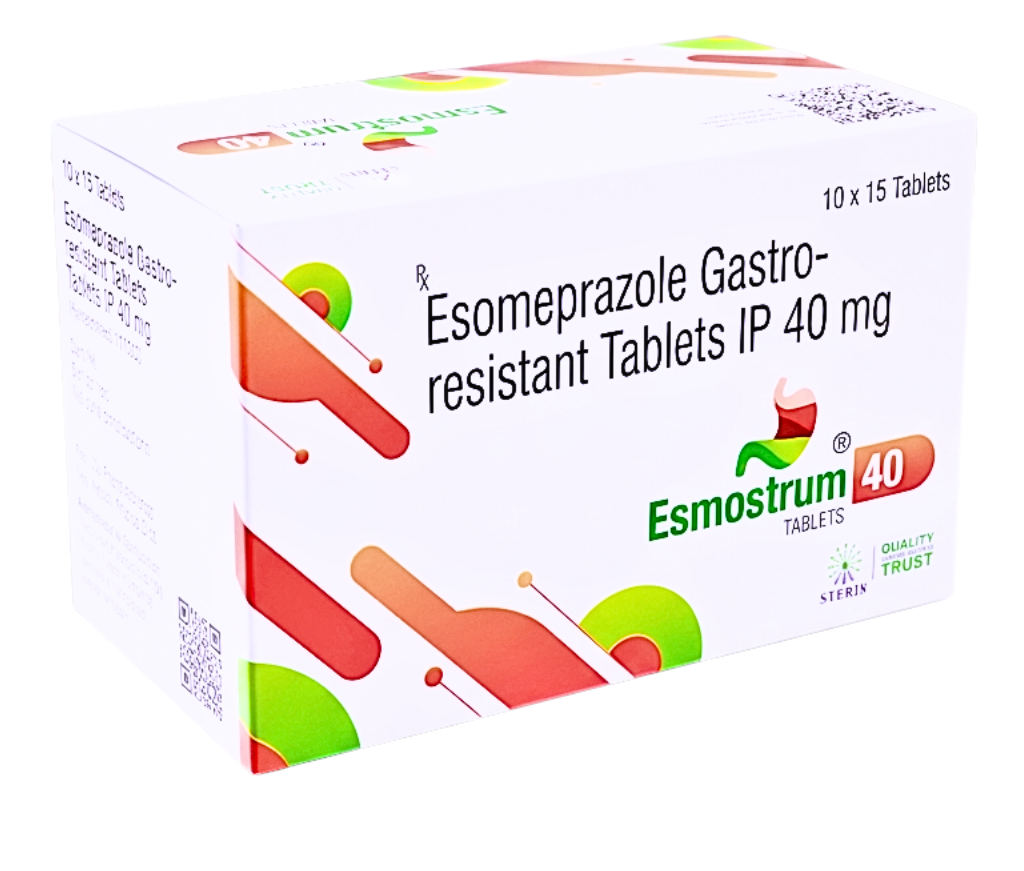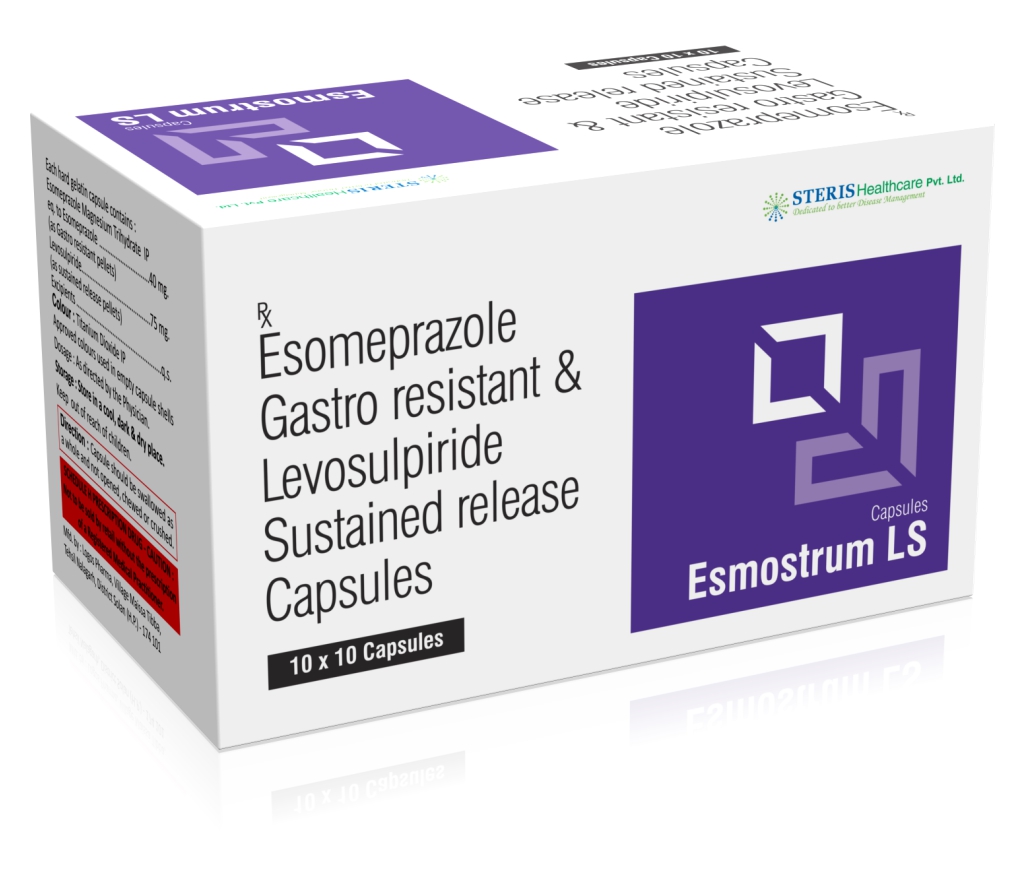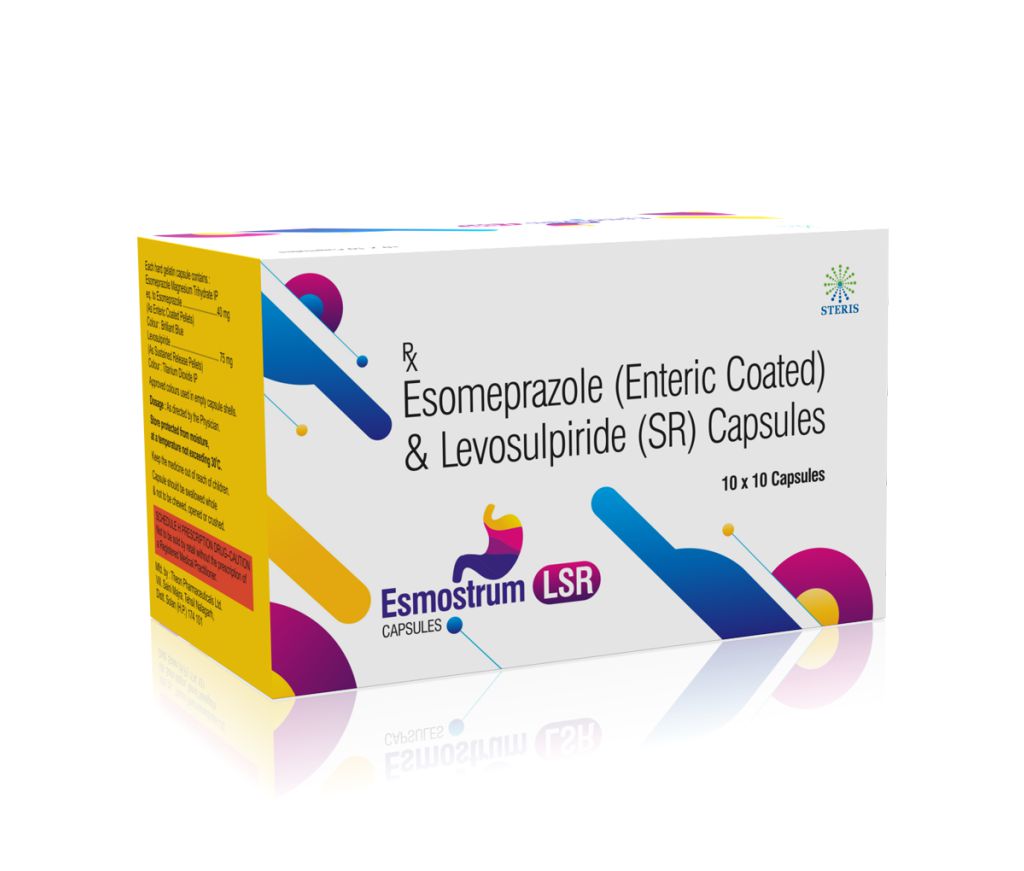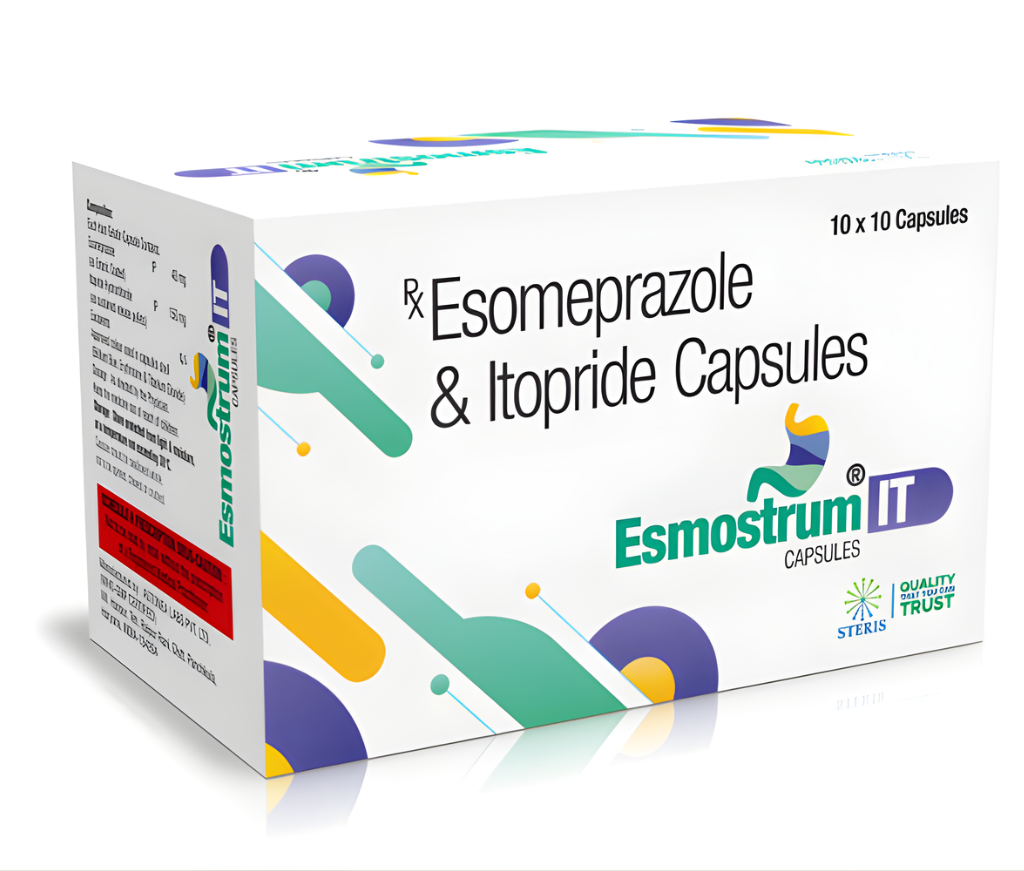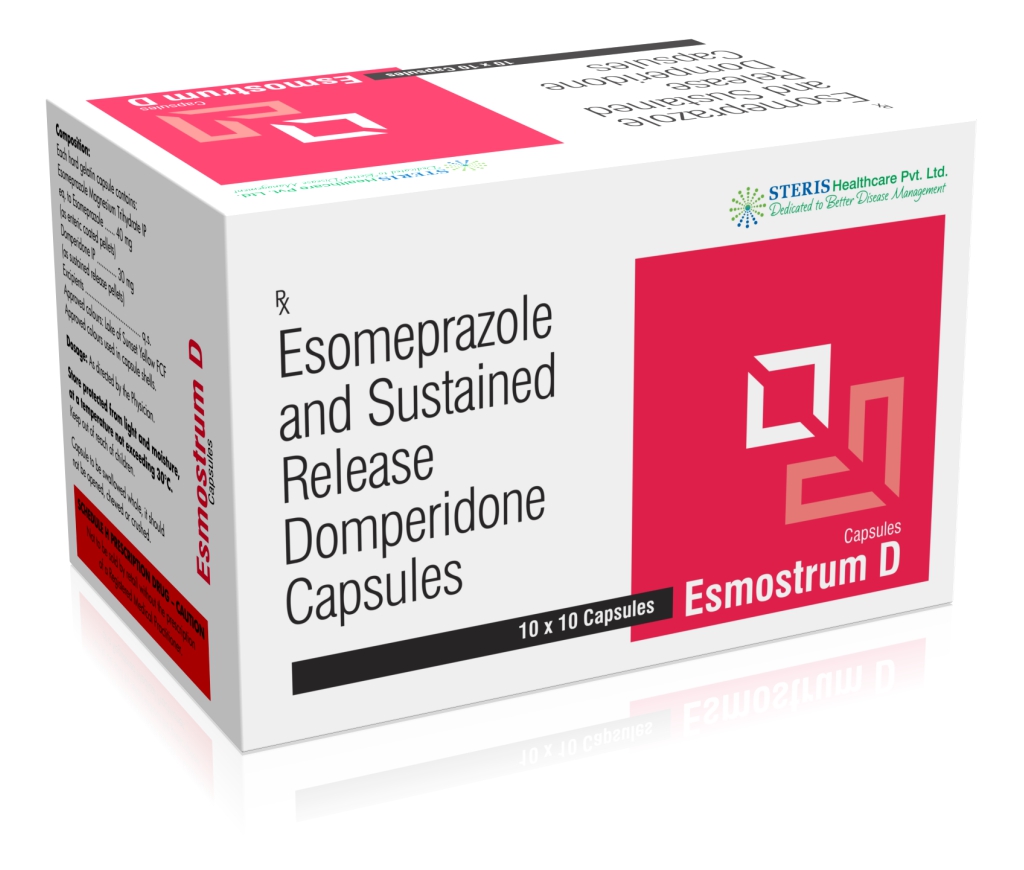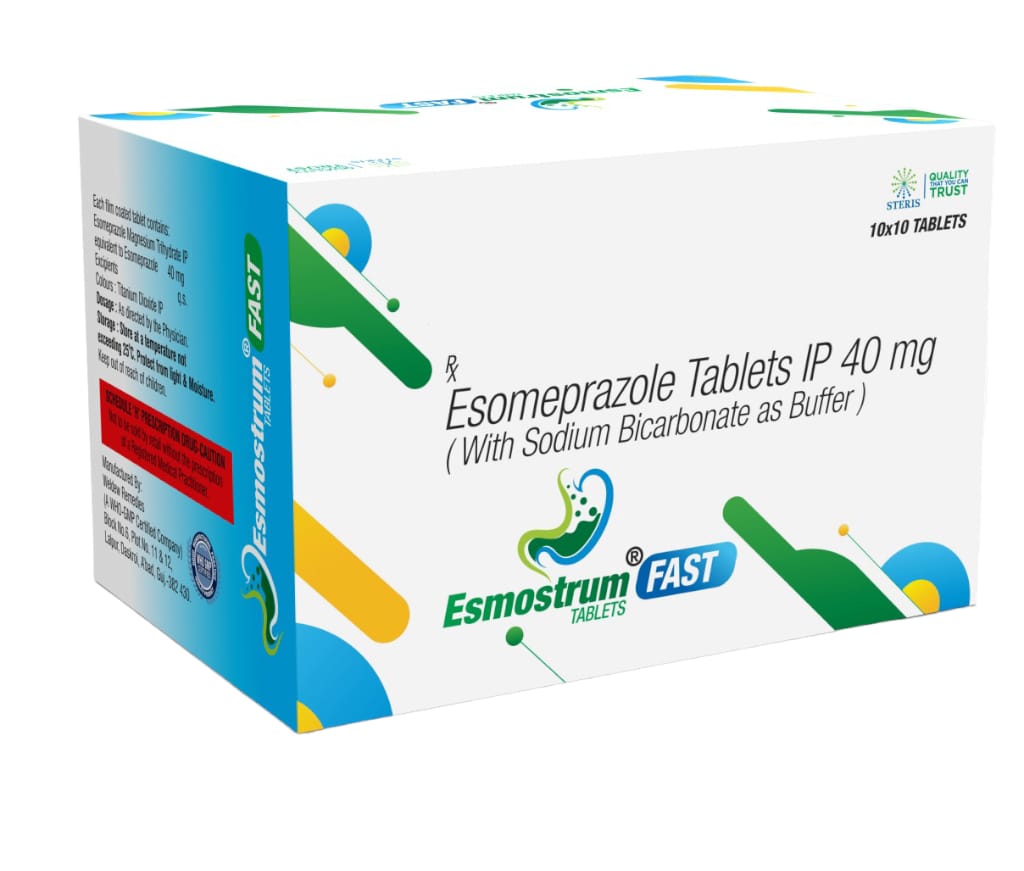
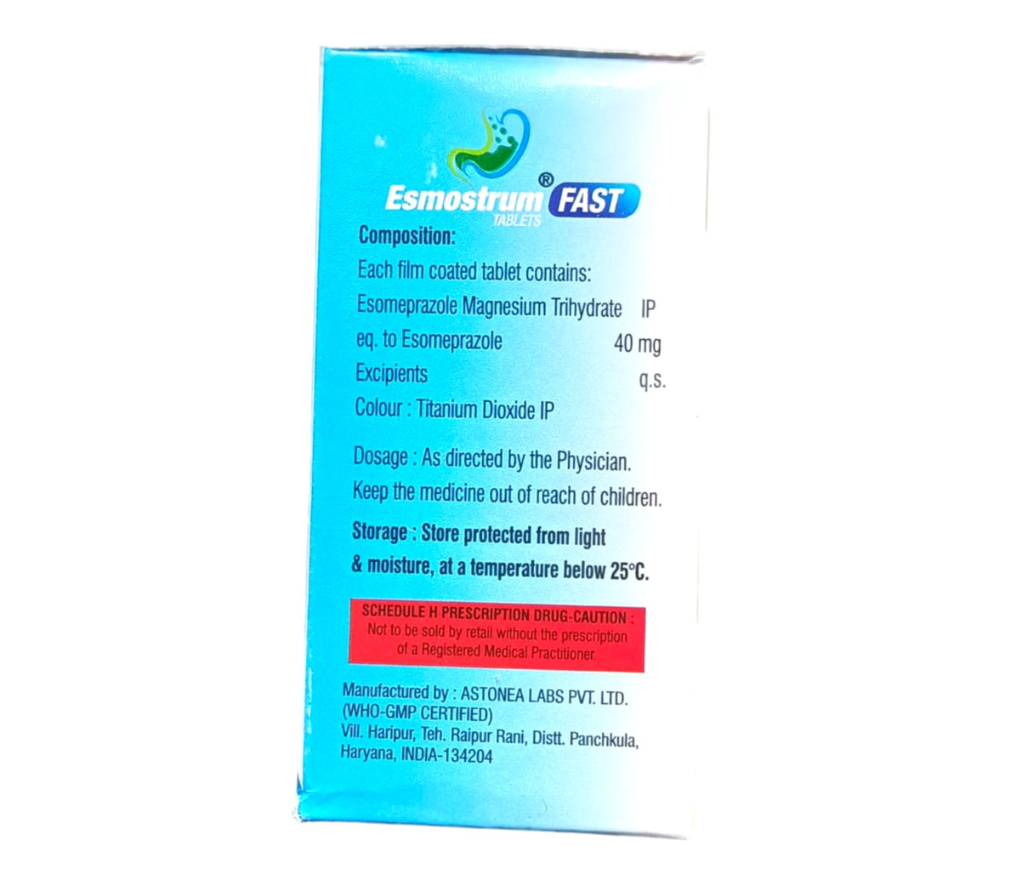
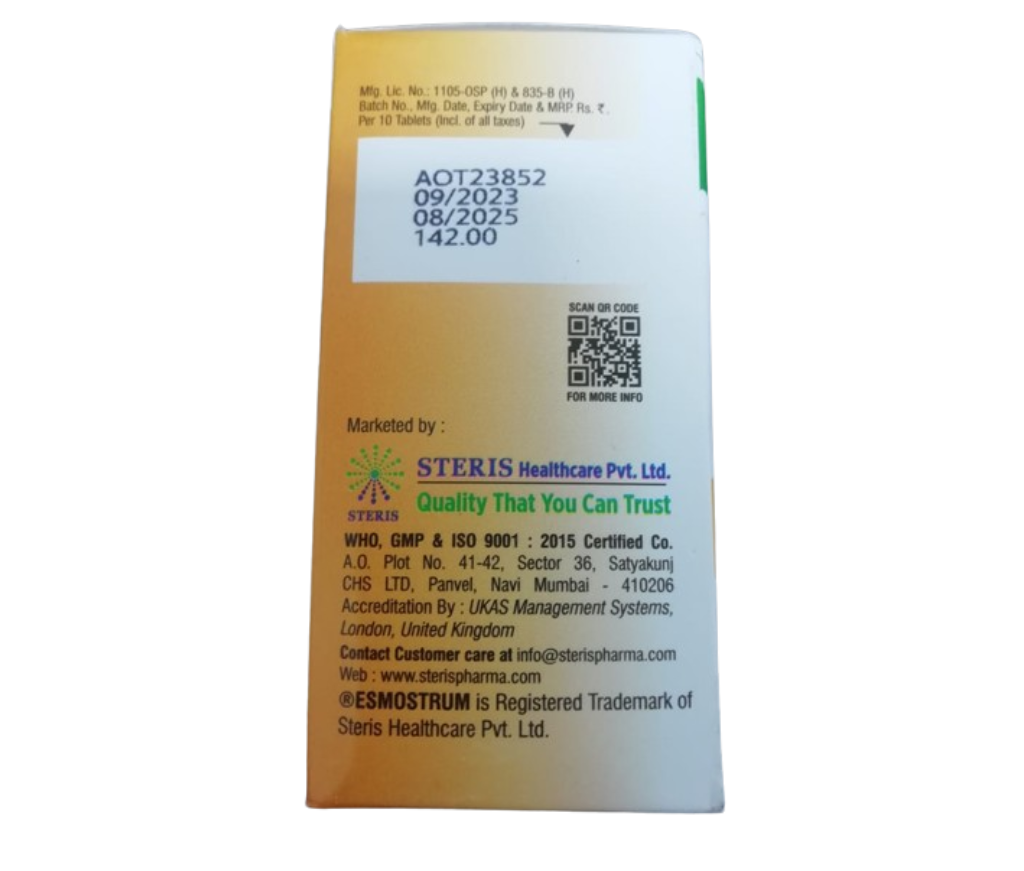
ESMOSTRUM FAST
 Item requires a valid prescription
Manufactured By Steris Healthcare Pvt Ltd
Composition Esomeprazole 40mg
Rs 93.18
MRP Rs 133.12
(30% OFF)
Includes all taxes
Package SIZE
( For 10 Tablet )

100% Authentic
Products

Free
Shipping*

Products
Return Policy
Description:
What Is Esomeprazole 40mg?
Esomeprazole 40 mg is an acid-suppressing drug that works by inhibiting the stomach's proton pump. It is the S-isomer of omeprazole, refined for more consistent and predictable acid suppression. By targeting the H+/K+-ATPase enzyme system — commonly called the "proton pump" — located in the lining of the stomach, esomeprazole blocks the final step of acid production, allowing irritated or damaged tissue in the esophagus and stomach to heal.
Clinical Indications: What Is Esomeprazole 40mg Used For?
| Condition | How Esomeprazole 40 mg Helps |
|---|---|
| Gastroesophageal Reflux Disease (GERD) | Reduces acid reflux into the esophagus, easing heartburn and regurgitation |
| Erosive Esophagitis | Promotes healing of acid-damaged esophageal tissue |
| Stomach (Gastric) Ulcers | Lowers acid levels to support ulcer healing |
| Duodenal Ulcers | Reduces acid exposure in the duodenum to aid recovery |
| H. pylori Infection | Used in combination with antibiotics as part of eradication therapy |
| NSAID-Associated Ulcer Prevention | Protects the stomach lining in patients on long-term NSAID therapy |
| Zollinger-Ellison Syndrome | Controls excessive acid secretion caused by gastrin-secreting tumors |
Mechanism of Action
Esomeprazole works by irreversibly binding to the proton pumps (H+/K+-ATPase enzymes) in the parietal cells of the stomach lining. This action:
- Blocks the final common pathway of acid secretion, regardless of what triggered it (food, histamine, or gastrin).
- Suppresses both basal (resting) and stimulated acid output.
- Provides acid control for up to 24 hours with a single daily dose, since new proton pumps must be synthesized before acid secretion resumes.
Key Benefits of Esomeprazole 40 mg
- Long-lasting acid control: A single daily dose can suppress acid production for up to 24 hours.
- Faster healing of esophageal damage: Clinically used to promote healing in erosive esophagitis.
- Reduced heartburn frequency: Helps control chronic reflux symptoms that interfere with sleep, eating, and daily comfort.
- Ulcer protection during NSAID use: Useful for patients who need long-term pain medication but are at risk of gastric ulcers.
- Supports H. pylori eradication: Works alongside antibiotics to improve treatment success in triple/quadruple therapy regimens.
- Predictable, consistent bioavailability: As the S-isomer of omeprazole, esomeprazole has more uniform absorption between individuals.
Esomeprazole 40mg: How to Take It
- Swallow the tablet whole with a glass of water — do not crush, chew, or split it, as this can affect the delayed-release coating.
- Take it 30 to 60 minutes before a meal, most commonly before breakfast, for optimal acid suppression.
- Take it at the same time each day to maintain consistent blood levels and symptom control.
- Do not double the dose if a dose is missed — take the next dose at the regular scheduled time.
- Duration of therapy varies by condition (commonly 4–8 weeks for GERD/esophagitis) and should always follow your doctor's prescription.
Side Effects of Esomeprazole 40 mg
Common Side Effects
- Headache
- Nausea or vomiting
- Diarrhea or constipation
- Abdominal pain
- Flatulence (gas)
- Dry mouth
Bad / Serious Side Effects (Seek Medical Attention)
- Signs of a severe allergic reaction: rash, swelling of the face/lips/tongue, difficulty breathing
- Severe, watery, or bloody diarrhea that does not go away (may indicate C. difficile infection)
- Signs of low magnesium: muscle spasms, irregular heartbeat, seizures, persistent dizziness (associated with long-term PPI use)
- Signs of vitamin B12 deficiency with prolonged use: fatigue, numbness/tingling, memory changes
- New or worsening bone pain, or fractures of the hip, wrist, or spine with long-term, high-dose use
- Signs of liver problems: yellowing of skin/eyes, dark urine, unusual tiredness
- Kidney problems: reduced urination, swelling in the legs/ankles, unexplained fatigue
Precautions & What to Avoid While Taking Esomeprazole
- Avoid alcohol where possible, as it can irritate the stomach lining and counteract treatment benefit.
- Avoid self-adjusting the dose or extending use beyond the prescribed duration without medical review.
- Avoid combining with certain medicines without medical advice, including clopidogrel, certain HIV medications, methotrexate, and diazepam, due to potential interactions.
- Inform your doctor if you have osteoporosis, liver disease, low magnesium levels, or are planning long-term therapy.
- Do not stop abruptly after prolonged use without medical guidance, as rebound acid hypersecretion can occur.
- Pregnancy and breastfeeding: Use only if advised by a physician, after weighing benefits and risks.
Is Esomeprazole the Best Medicine for Stomach Acidity?
Esomeprazole 40mg is one of the most commonly prescribed PPIs for acid-related conditions, but "best" depends on the individual's diagnosis, response, and tolerance. Here's how it compares with other common acid-reducing options:
| Medicine | Class | Typical Use Case | Onset |
|---|---|---|---|
| Esomeprazole 40mg | PPI | GERD, esophagitis, ulcers, H. pylori therapy | 1–4 days for full effect |
| Omeprazole | PPI | Similar indications; esomeprazole is its more bioavailable isomer | 1–4 days |
| Pantoprazole | PPI | GERD, ulcers; often preferred for IV use in hospitals | 1–4 days |
| Rabeprazole | PPI | Faster onset in some patients; used for GERD and ulcers | Faster initial relief |
| Ranitidine/Famotidine (H2 blockers) | H2 Blocker | Milder, faster-acting relief for occasional heartburn | Within 1–3 hours |
| Antacids (e.g., calcium carbonate) | Antacid | Immediate but short-term symptom relief | Minutes |
Conclusion
Esomeprazole 40 mg is a well established proton pump inhibitor used in the treatment of GERD, erosive esophagitis, gastric and duodenal ulcers and in the eradication of H. pylori. Its ability to provide up to 24 hours of acid suppression with a single daily dose makes it an excellent choice for patients with persistent acid reflux and other digestive conditions. Esomeprazole is well tolerated . Side effects can be anything from mild digestive discomfort to rare but severe complications with long term use . Medical supervision is critical . Esomeprazole 40 mg is a Schedule H prescription drug and should be used only under the advice of a doctor, at the prescribed dose and duration, for safe and effective treatment.
Frequently Asked Questions
1. What is esomeprazole 40mg used for?
Esomeprazole 40mg is used to treat GERD, erosive esophagitis, stomach and duodenal ulcers, and to help eradicate H. pylori infection when combined with antibiotics. It's also used to prevent ulcers in patients on long-term NSAID therapy.
2. What are the bad side effects of esomeprazole?
Serious side effects can include severe allergic reactions, persistent or bloody diarrhea, low magnesium levels (causing muscle spasms or irregular heartbeat), vitamin B12 deficiency with long-term use, bone fracture risk, and signs of liver or kidney problems. Seek medical attention if these occur.
3. When is the best time to take 40mg of esomeprazole?
The best time is generally 30–60 minutes before breakfast, taken at the same time each day for consistent acid suppression, unless your doctor prescribes a different schedule.
4. What should I avoid when taking esomeprazole?
Avoid alcohol, avoid taking it with certain interacting medicines (like clopidogrel or methotrexate) without medical advice, avoid crushing or chewing the tablet, and avoid stopping the medicine abruptly after long-term use without consulting your doctor.
5. Is esomeprazole safe to take daily?
For most patients, esomeprazole is safe for daily use for the duration prescribed by a doctor. However, prolonged daily use beyond the recommended period should be medically supervised, as it may be linked to nutrient deficiencies and bone health risks.
6. What is the best medicine for stomach acidity?
Proton pump inhibitors like esomeprazole, omeprazole, pantoprazole, and rabeprazole are commonly considered the most effective options for chronic or recurring acidity, while antacids and H2 blockers offer faster but shorter-term relief. The right choice depends on your specific condition and should be confirmed by a doctor.
7. Esomeprazole 40mg — how to take it?
Swallow the tablet whole with water, without crushing or chewing, ideally 30–60 minutes before a meal. Do not double the dose if you miss one.
8. When to take esomeprazole 40mg?
Most commonly taken once daily in the morning, before breakfast, though your doctor may recommend a different timing based on your condition.
9. How long does it take for esomeprazole 40mg to work?
Some symptom relief may be felt within 1–4 days, but full acid-suppression benefits typically build over 1–4 weeks of consistent use.
10. Can I take esomeprazole 40mg on an empty stomach?
Yes, it is typically recommended to take it on an empty stomach, 30–60 minutes before eating, for the best absorption and effectiveness.
11. Does esomeprazole 40mg help with acid reflux and heartburn?
Yes, esomeprazole is specifically used to reduce stomach acid production, which helps relieve and manage acid reflux and heartburn symptoms.
12. What happens if I miss a dose of esomeprazole 40mg?
Take the missed dose as soon as you remember, unless it is close to your next scheduled dose — in that case, skip it and continue your regular schedule. Do not take a double dose.
13. Can esomeprazole 40mg be taken long-term?
It can be used long-term in certain conditions, but long-term use should always be under a doctor's supervision due to potential risks like nutrient deficiencies and bone fracture risk.
14. Are there any drug interactions with esomeprazole 40mg?
Yes, esomeprazole can interact with medicines such as clopidogrel, methotrexate, certain HIV antiretrovirals, and diazepam. Always inform your doctor about all medicines you're taking.
15. Is esomeprazole 40mg the same as omeprazole?
No, though related—esomeprazole is the S-isomer of omeprazole, refined for more consistent absorption and acid suppression, but both belong to the same PPI drug class.
16. Can pregnant or breastfeeding women take esomeprazole 40mg?
Esomeprazole should only be used during pregnancy or breastfeeding if specifically advised by a doctor, after considering the potential benefits and risks.
17. What foods or habits should be avoided while on esomeprazole 40mg?
While not strictly required, avoiding excess alcohol, spicy or acidic foods, smoking, and late-night meals can help support the medicine's effectiveness in controlling acid reflux symptoms.
If You Need More Information About ESMOSTRUM FAST Click here
Available Substitutes