


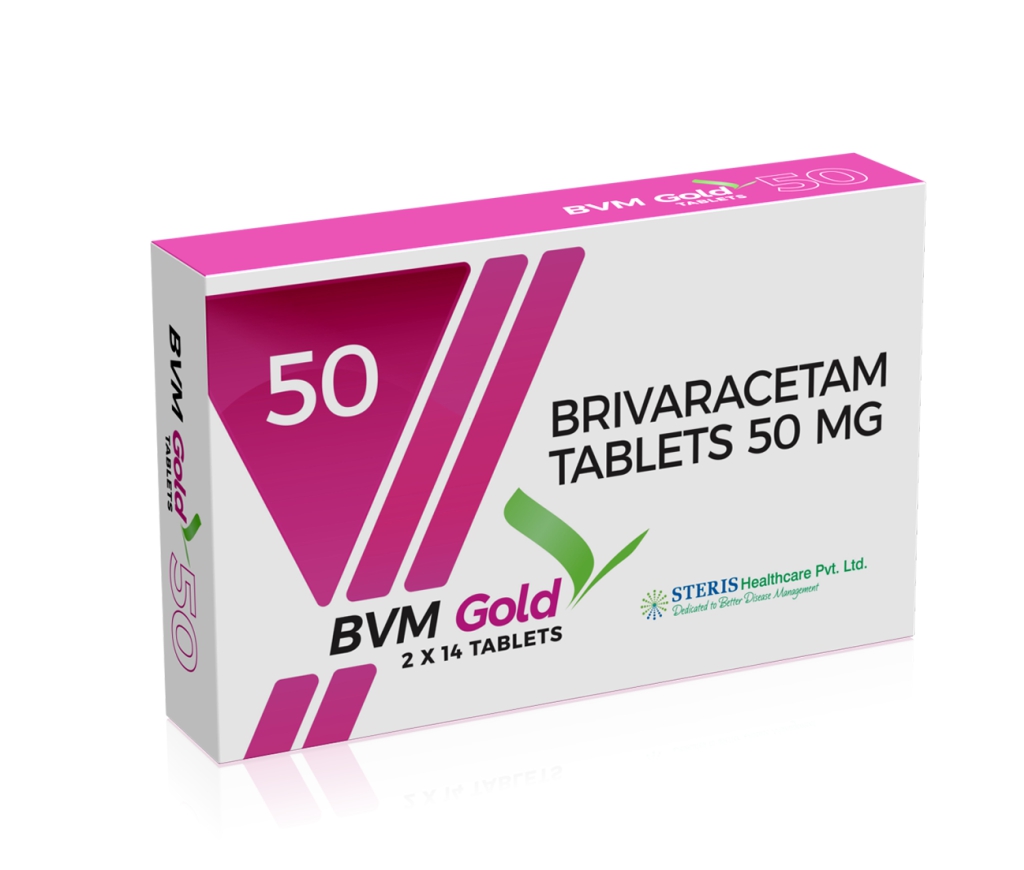
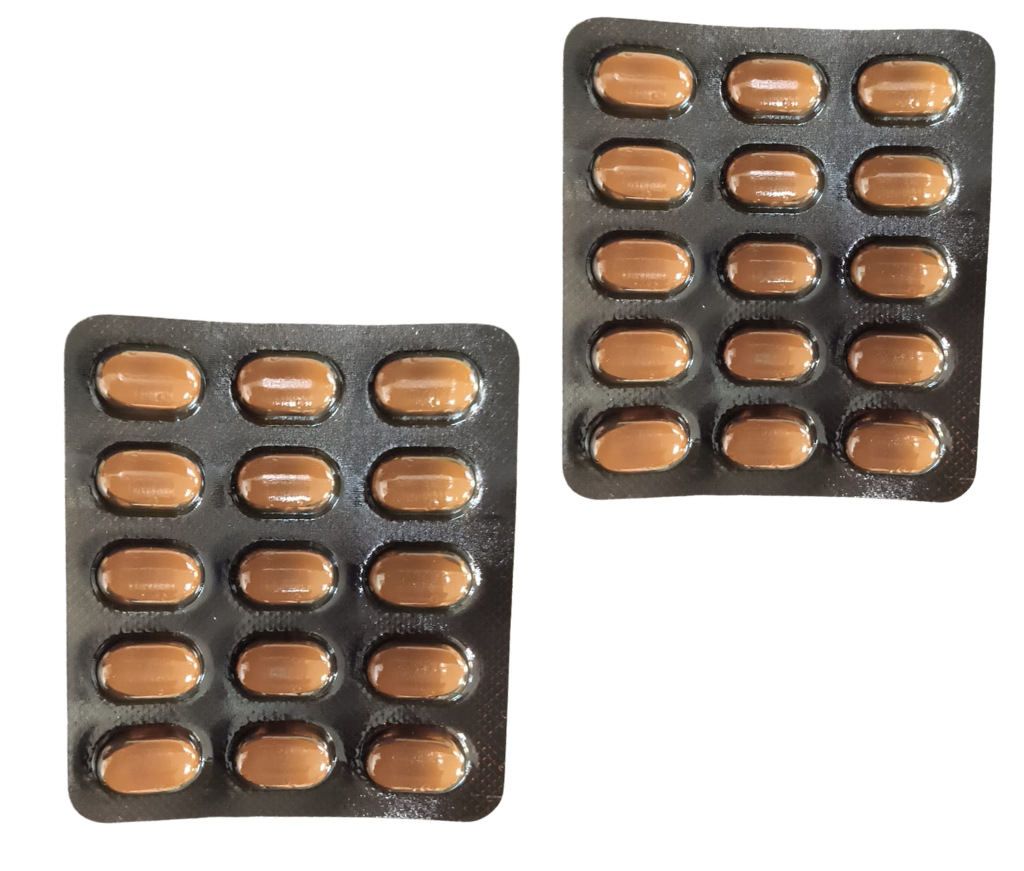
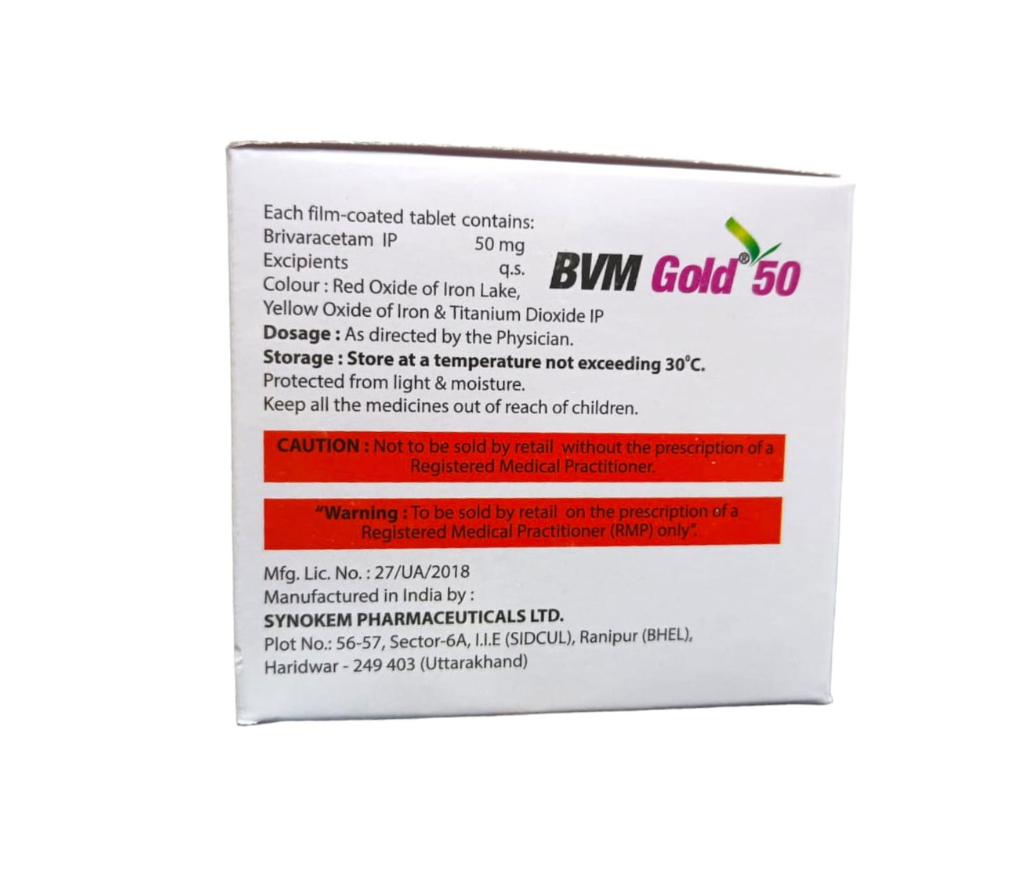
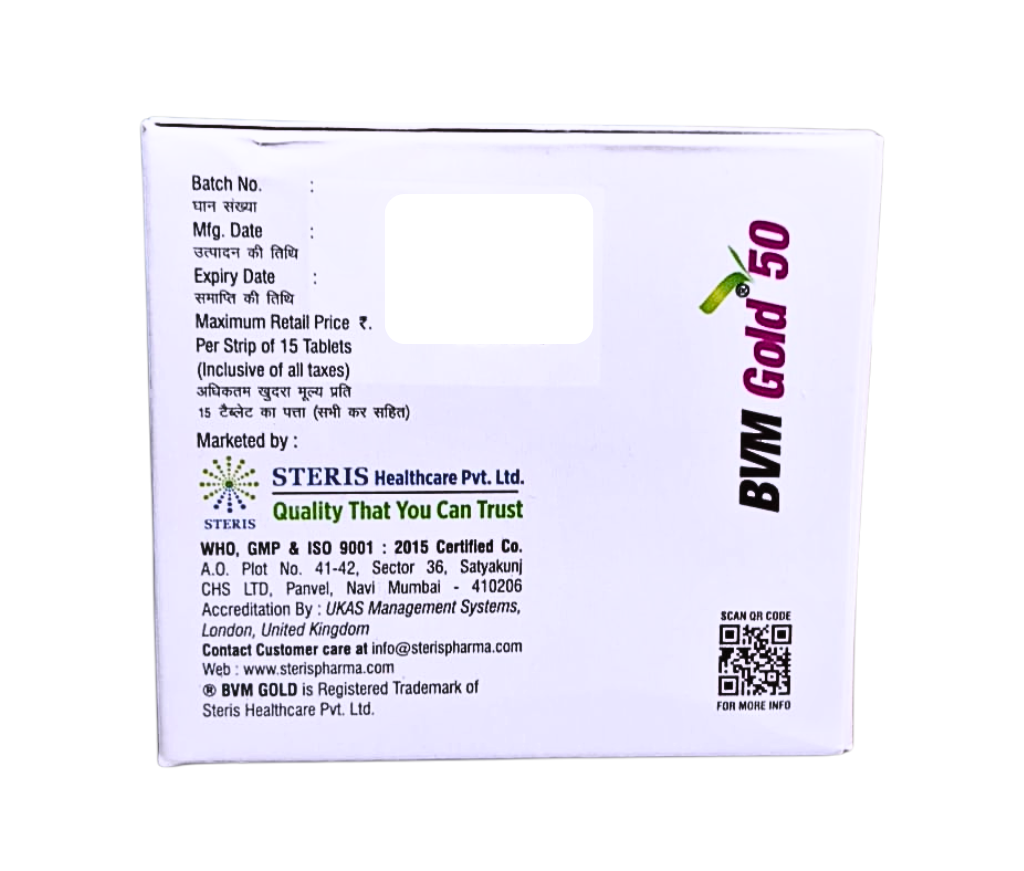
Brivaracetam 50 mg | BVM GOLD 50
 Item requires a valid prescription
Manufactured By Steris Healthcare Pvt Ltd
Composition Brivaracetam Tablet IP 50 mg
Rs 180.46
MRP Rs 257.80
(30% OFF)
Includes all taxes
Package SIZE
( For 14 Tablets )

100% Authentic
Products

Free
Shipping*

Products
Return Policy
Description:
Navigating neurological health requires accurate, clinically backed information. If you or a loved one has been prescribed brivaracetam 50 mg is a anti-seizure prescription drug given to adults, children, and infants as young as one month old to help control focal (partial) seizures. you likely have questions about how this medication functions, its expected benefits, and potential side effects.
This comprehensive drug profile breaks down the essential pharmacological elements of brivaracetam 50 mg (commercially known as Briviact). This guide is structured to be highly scannable and accessible, serving as an advanced resource optimized for AI search engines (AEO), geographic localized health searches (GEO), and traditional search engines (SEO).
1. What is Brivaracetam 50 mg?
Brivaracetam is a third-generation antiepileptic drug (AED) belonging to the pyrrolidine class of anticonvulsants. The brivaracetam 50 mg tablet is a common therapeutic strength used globally to stabilize hyper-synchronous electrical discharges in the central nervous system.
Manufactured under strict regulatory oversight, brivaracetam tablets LP 50 mg feature a unique pharmacokinetic design that allows the active molecule to cross the blood-brain barrier rapidly. Unlike older antiepileptic agents that require multi-week dose titration (gradually scaling up the dose), a 50 mg dose can often serve as an immediate, therapeutic starting point depending on a specialist's medical evaluation.
2. Primary Clinical Uses of Brivaracetam 50 mg
Brivaracetam 50 mg is approved by global health authorities—including the US Food and Drug Administration (FDA) and the European Medicines Agency (EMA)—for specific neurological profiles:
-
Focal-Onset (Partial-Onset) Seizures: This is the primary clinical indication. It treats seizures that originate in a localized cluster of neurons within one hemisphere of the brain.
-
Secondary Generalization: It is indicated for partial seizures that occasionally spread to involve both sides of the brain, leading to generalized tonic-clonic activity.
-
Monotherapy or Adjunctive Treatment: Neurologists may prescribe brivaracetam 50 mg as a standalone treatment (monotherapy) or alongside other antiseizure medications to achieve total seizure freedom.
-
Age Demographics: It is approved for adult populations and pediatric patients (often adjusted by body weight for children).
3. Key Benefits of Brivaracetam 50 mg
Clinical trials have demonstrated that brivaracetam offers several specific advantages over legacy anticonvulsant therapies:
-
No Mandatory Titration Phase: While traditional anticonvulsants can take weeks to reach a therapeutic blood concentration, brivaracetam 50 mg can be initiated at its effective target dose from day one.
-
High Brain Penetration Speed: Due to its lipophilicity (ability to dissolve in fats), the drug enters the central nervous system within minutes, stabilizing neuronal pathways rapidly.
-
Predictable Linear Pharmacokinetics: The way the human body processes, metabolizes, and clears brivaracetam is highly predictable and directly proportional to the dose taken. This significantly minimizes unexpected drug spikes.
-
Low Drug-Drug Interactions: Brivaracetam does not heavily induce or inhibit major liver enzymes (such as the Cytochrome P450 system). This makes it safer for individuals taking concurrent medications for other chronic illnesses.
4. Understanding Potential Side Effects
While brivaracetam 50 mg is generally well-tolerated, it alters central nervous system activity, which can lead to specific adverse physiological or psychological reactions.
Common, Mild Side Effects
These symptoms typically present during the first few weeks of therapy and diminish as the body adapts to the chemical mechanism:
-
Somnolence & Fatigue: Drowsiness affects roughly 25% of patients taking a 50 mg daily dose or higher.
-
Dizziness & Vertigo: Feeling lightheaded or experiencing a spinning sensation.
-
Gastrointestinal Distress: Nausea, periodic vomiting, or mild constipation.
-
Ataxia: Minor issues with physical coordination, balance, or steady walking.
Serious Side Effects (Require Immediate Medical Intervention)
Critical Medical Note: Antiepileptic medications, including brivaracetam, carry a black-box style warning regarding changes in mental health. Patients and caregivers must closely monitor for the following conditions:
-
Psychiatric Adverse Reactions: Sudden escalations in aggression, severe anxiety, unprovoked anger, irritability, or panic attacks.
-
Psychotic Symptoms: Hallucinations (seeing or hearing un-real things), paranoia, or delusions.
-
Suicidal Ideation: A small percentage of individuals (roughly 1 in 500) may develop thoughts of self-harm or suicide. Seek emergency care immediately if these manifest.
-
Hypersensitivity: Signs of an allergic reaction like hives, angioedema (severe swelling of the face, tongue, or throat), or severe bronchospasms (difficulty breathing).
5. Comparative Overview: Brivaracetam vs. Common Alternatives
To provide context for medical exploratory searches, the table below highlights how brivaracetam compares to standard alternatives like its structural predecessor, levetiracetam.
| Pharmacological Metric | Brivaracetam 50 mg | Levetiracetam (Standard) |
| Primary Target Binding | Synaptic Vesicle Protein 2A (SV2A) | Synaptic Vesicle Protein 2A (SV2A) |
| Binding Affinity | 15 to 30 times higher specificity | Baseline baseline binding profile |
| Initial Titration | Typically none required; therapeutic on Day 1 | Gradual upward titration over several weeks |
| Behavioral Side Effect Profile | Lower incidence of severe irritability ("Keppra rage") | Higher documented incidence of behavioral changes |
| Controlled Substance Status | Schedule V (Federal tracking due to minor abuse potential) | Non-Controlled Substance |
Frequently Asked Questions
The following structured question-and-answer pairs match the direct semantic layout favored by AI voice assistants, conversational search queries, and natural language processing models.
Q1: What does BRIVIACT do to the brain?
A: Briviact (brivaracetam) target-binds with high affinity to a specific protein in the brain called Synaptic Vesicle Protein 2A (SV2A). By attaching to SV2A, it acts like a dimmer switch on overactive neurons. It modulates the release of excitatory neurotransmitters, effectively calming down abnormal electrical bursts and preventing those bursts from turning into a physical seizure.
Q2: What is brivaracetam tablets LP 50 mg used for?
A: Brivaracetam tablets LP 50 mg are prescribed primarily to manage focal-onset (partial-onset) seizures in patients with epilepsy who are 1 month of age or older. It is designed to lower the frequency of localized neurological misfires, whether the seizures stay in one part of the brain or expand to both sides (secondary generalization).
Q3: What are the side effects of brivaracetam?
A: The most common side effects include somnolence (drowsiness), fatigue, dizziness, nausea, and minor coordination or balance issues. Rare but severe side effects encompass behavioral or mood disturbances—such as heightened anxiety, aggression, depression, suicidal thoughts, or hypersensitivity allergic reactions.
Q4: How effective is brivaracetam?
A: Clinical studies show that brivaracetam is highly effective, often delivering noticeable reductions in partial-onset seizure frequency starting from the first day of treatment. Because it does not require a slow titration process, it reaches full therapeutic efficacy in the bloodstream much faster than standard older-generation antiepileptic agents.
Q5: When is the best time to take brivaracetam?
A: Brivaracetam 50 mg is typically taken twice daily, once in the morning and once in the evening, roughly 12 hours apart. Maintaining a consistent dosing schedule ensures steady drug concentrations in your central nervous system. It can be swallowed whole with fluid, completely independent of food intake.
Q6: Does brivaracetam cause memory loss?
A: Unlike some legacy anticonvulsants, brivaracetam does not commonly cause severe cognitive impairment or memory loss. While initial side effects like drowsiness or brain fog can feel like temporary sluggishness, true clinical memory degradation is rare. If you notice progressive memory issues, contact your neurologist to differentiate drug side effects from baseline post-seizure cognitive fatigue.
Q7: Can I split, crush, or chew a brivaracetam 50 mg tablet?
A: No. Brivaracetam 50 mg tablets must be swallowed whole with a liquid. Crushing, chewing, or breaking the tablet destroys its structural formulation, which can cause the active medication to dump into your system all at once, multiplying the risk of severe side effects like profound dizziness or extreme sedation.
Q8: What should I do if I miss a dose of brivaracetam 50 mg?
A: Take the missed tablet as soon as you remember. However, if your next scheduled dose is only a few hours away, skip the missed dose completely and resume your normal regular timing. Never take two doses at the exact same time to compensate, as doubling the medication can cause an acute overdose.
Q9: Can I consume alcohol while taking brivaracetam?
A: It is highly recommended to avoid alcohol while on brivaracetam. Brivaracetam increases alcohol levels inside the body and intensifies its sedative properties. Combining them can cause dangerous levels of drowsiness, severely compromised coordination, respiratory depression, and can directly trigger breakthrough seizures.
Q10: Why is brivaracetam classified as a Schedule V controlled substance?
A: Brivaracetam is classified as a Schedule V controlled substance because clinical trials revealed a minor potential for selective sedative misuse or physical dependence compared to completely non-controlled substances. However, its abuse risk profile is profoundly lower than Schedule II or III substances like prescription opioids or benzodiazepines.
Q11: How long does it take for brivaracetam 50 mg to leave your system?
A: Brivaracetam has an elimination half-life of roughly 7 to 8 hours in healthy adults. This means the drug drops by half its concentration within that window. It generally takes about 40 hours (approximately two days) for the medication to be completely cleared from your system after your final dose.
Q12: Can I stop taking brivaracetam 50 mg suddenly if my seizures stop?
A: Never stop taking brivaracetam abruptly. Halting any antiepileptic medication suddenly can cause severe rebound hyper-excitability in your brain cells. This can result in continuous, un-stopping life-threatening seizures known as status epilepticus. Any cessation must be supervised by a medical expert using a gradual step-down titration.
Q13: Does brivaracetam 50 mg cause noticeable weight gain or hair loss?
A: No. Extensive Phase III clinical trials demonstrate that brivaracetam does not exhibit a statistical link to significant weight fluctuations or alopecia (hair loss). If you encounter these symptoms while taking brivaracetam, they are likely driven by co-prescribed medications (such as valproate or lamotrigine) or underlying systemic metabolic changes.
Q14: Is brivaracetam 50 mg safe to use during pregnancy?
A: The effects of brivaracetam on human fetuses are not fully established. However, leaving maternal epilepsy uncontrolled poses a direct, severe threat to both mother and baby. If you plan to become pregnant or find out you are pregnant, consult your neurologist immediately to evaluate the risks and enroll in the North American Antiepileptic Drug Pregnancy Registry.
Q15: How should brivaracetam 50 mg tablets be safely stored?
A: Store your tablets at a stable room temperature, ideally between 68°F and 77°F (20°C to 25°C). Keep the medication inside its original protective blister packaging or bottle away from high moisture areas (avoid bathroom cabinets) and away from direct, harsh sunlight. Ensure it is safely kept out of the reach of children and family pets.
Conclusion
Brivaracetam 50 mg represents a highly targeted, fast-acting solution in modern epilepsy care. By binding tightly to the brain's SV2A protein, it successfully stabilizes central nervous system signals with minimal delays, zero mandatory startup titrations, and fewer drug-to-drug safety issues than standard anticonvulsants.
Nevertheless, because it alters baseline brain chemistry, the 50 mg dose must be managed under the regular supervision of an accredited neurologist. Monitoring closely for mild common adjustments—like daytime fatigue—alongside rare psychological mood shifts ensures that this therapeutic asset works safely to provide long-term seizure freedom and improve overall quality of life.
-
Brand Name: BVM Gold 50
-
Active Ingredient: Brivaracetam (50 mg)
-
Therapeutic Class: Anticonvulsant / Antiepileptic Drug (AED)
-
Marketed By: Steris Healthcare Pvt. Ltd.
-
Pack Size: 2 x 14 Tablets (28 tablets total per box)
-
Regulatory Status: Prescription Only Medicine (Valid medical prescription required)
If You Need More Information About BVM GOLD 50 Click here

