


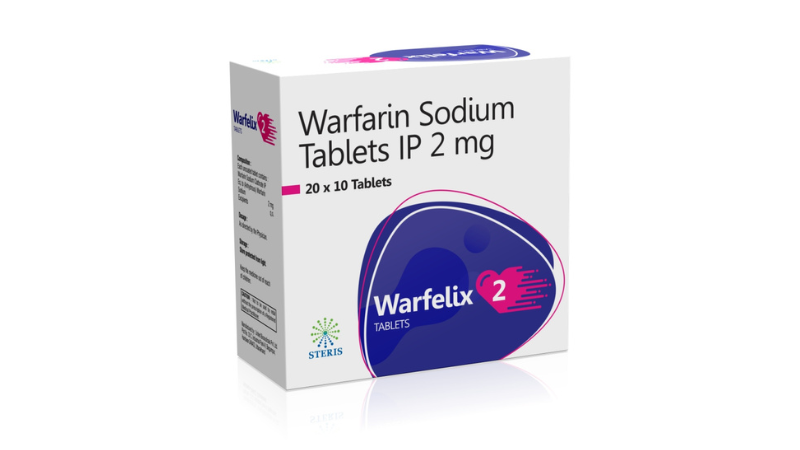



WARFELIX 2 - Warfarin Sodium IP (2mg) Uses, Side effect, Dosage, etc....
Jul 25, 2024
Blood clot-related conditions are among the leading health concerns in India, especially in patients with heart diseases, post-surgical recovery, and certain chronic conditions. Managing these risks effectively requires reliable anticoagulant therapy. WARFELIX 2, containing
Warfarin Sodium ip 2Mg, is a trusted oral anticoagulant widely prescribed to prevent and treat harmful blood clots.
This detailed guide will help you understand how WARFELIX 2 works, its uses, benefits, dosage, precautions, and more—presented in a simple, patient-friendly format.
Introduction to WARFELIX 2
WARFELIX 2 is an oral anticoagulant medication formulated with Warfarin Sodium IP 2mg, designed to reduce the formation of blood clots in the body. Blood clots can obstruct normal blood flow, potentially leading to serious complications such as stroke, deep vein thrombosis (DVT), or pulmonary embolism (PE).
Warfarin has been used for decades and remains one of the most effective and widely prescribed blood-thinning medications in clinical practice.
How WARFELIX 2 Works
WARFELIX 2 works by interfering with the body’s natural clotting process. Specifically, it inhibits the action of vitamin K, which is essential for the synthesis of clotting factors in the liver.
By reducing these clotting factors, WARFELIX 2:
- Slows down clot formation
- Prevents existing clots from growing larger
- Reduces the risk of new clot formation
This mechanism helps maintain smoother blood flow and protects against life-threatening complications.
Uses of WARFELIX 2
WARFELIX 2 is prescribed for a variety of conditions where there is a high risk of blood clot formation. Common uses include:
1. Prevention of Deep Vein Thrombosis (DVT)
Blood clots that form in deep veins, especially in the legs, can be dangerous if they travel to the lungs.
2. Pulmonary Embolism (PE)
WARFELIX 2 helps prevent and treat clots that block blood flow in the lungs.
3. Stroke Prevention
Patients with conditions like atrial fibrillation are at higher risk of stroke due to clot formation. Warfarin reduces this risk significantly.
4. Heart Valve Replacement
Patients with artificial heart valves require anticoagulation to prevent clot formation around the valve.
5. Post-Surgical Clot Prevention
After major surgeries (especially orthopedic or cardiac), WARFELIX 2 helps prevent clot-related complications.
Key Benefits of WARFELIX 2
✔ Proven Anticoagulant Therapy
Warfarin has a long track record of effectiveness in preventing and treating blood clots.
✔ Reduces Risk of Stroke and Heart Complications
Especially beneficial for patients with irregular heart rhythms or valve disorders.
✔ Oral Administration
Convenient tablet form allows easy daily dosing compared to injectable anticoagulants.
✔ Flexible Dosage Adjustment
The 2mg strength allows doctors to tailor the dosage based on patient needs and INR levels.
✔ Cost-Effective Treatment Option
Affordable anticoagulant therapy suitable for long-term use.
Dosage and Administration
The dosage of WARFELIX 2 varies depending on the patient’s condition, age, medical history, and response to treatment.
General Guidelines:
- Take exactly as prescribed by your doctor
- Usually taken once daily at the same time
- Swallow the tablet with water, with or without food
- Do not skip doses or double dose if missed
Monitoring Requirement:
Patients on warfarin therapy require regular INR (International Normalized Ratio) testing to ensure blood clotting time stays within a safe range.
Importance of INR Monitoring
INR testing is crucial while taking WARFELIX 2 because:
- Low INR → Risk of clot formation
- High INR → Risk of bleeding
Your doctor will adjust the dose based on INR values to maintain optimal safety and effectiveness.
Possible Side Effects of WARFELIX 2
Like all medications, WARFELIX 2 may cause side effects. Most are manageable when monitored properly.
Common Side Effects:
- Mild bleeding (gums, nosebleeds)
- Easy bruising
- Nausea or stomach discomfort
Serious Side Effects (Seek Immediate Medical Help):
- Unusual or heavy bleeding
- Blood in urine or stools
- Severe headache or dizziness
- Black or tarry stools
- Vomiting blood
Prompt medical attention is necessary if any severe symptoms occur.
Precautions and Warnings
Before taking WARFELIX 2, consider the following precautions:
1. Pregnancy and Breastfeeding
Warfarin is generally not recommended during pregnancy due to risk to the fetus. Consult your doctor.
2. Liver or Kidney Disorders
Patients with liver disease require careful monitoring as clotting factors are produced in the liver.
3. Bleeding Disorders
Avoid use if you have conditions that increase bleeding risk unless prescribed under strict supervision.
4. Surgery or Dental Procedures
Inform your doctor or dentist before any procedure, as warfarin may need to be temporarily stopped.
Drug and Food Interactions
Warfarin is known for multiple interactions that can affect its effectiveness.
Drug Interactions:
- Antibiotics
- Painkillers (especially NSAIDs)
- Antiplatelet drugs
- Herbal supplements
Food Interactions:
Foods rich in vitamin K can reduce the effectiveness of WARFELIX 2.
Examples include:
- Spinach
- Broccoli
- Cabbage
- Green leafy vegetables
Important Tip:
You don’t need to avoid these foods completely—just maintain a consistent intake to avoid fluctuations in INR levels.
Lifestyle Tips While Taking WARFELIX 2
To ensure safe and effective treatment:
- Maintain a consistent diet
- Avoid alcohol or limit intake
- Use a soft toothbrush to prevent gum bleeding
- Avoid activities with high risk of injury
- Inform healthcare providers about your medication
- Keep regular INR check-ups
Who Should Use WARFELIX 2?
WARFELIX 2 is suitable for:
- Patients with a history of blood clots
- Individuals with heart rhythm disorders
- Post-surgical patients at clot risk
- Patients with mechanical heart valves
However, it should only be taken under medical supervision.
Storage Instructions
- Store in a cool, dry place
- Keep away from direct sunlight
- Keep out of reach of children
- Do not use expired medication
Why Choose WARFELIX 2?
WARFELIX 2 by Steris Healthcare Pvt. Ltd. ensures:
- High-quality pharmaceutical standards
- Reliable anticoagulant effectiveness
- Consistent dosage strength
- Trusted brand reputation in India
It is designed to meet the needs of both patients and healthcare professionals looking for dependable anticoagulant therapy.
Frequently Asked Questions (FAQs)
1. What is WARFELIX 2 used for?
WARFELIX 2 is used to prevent and treat blood clots and reduce the risk of stroke and heart complications.
2. How long should I take WARFELIX 2?
Duration depends on your condition. Some patients may require long-term therapy.
3. Can I stop taking WARFELIX 2 suddenly?
No. Stopping abruptly can increase the risk of clot formation. Always consult your doctor.
4. Is regular blood testing necessary?
Yes, INR monitoring is essential to ensure safe and effective treatment.
5. Can I take WARFELIX 2 with other medicines?
Only after consulting your doctor, as warfarin interacts with many drugs.
Conclusion
WARFELIX 2 (Warfarin Sodium IP 2mg) is a well-established and effective anticoagulant used to prevent serious complications caused by blood clots. With proper medical supervision, regular INR monitoring, and adherence to dietary and lifestyle recommendations, it provides a safe and reliable treatment option for patients across India.
Recent Post
Ursodeoxycholic Acid Tablet Uses in Hindi | फायदे, खुराक और साइड इफेक्ट्स
Rabeprazole Gastro Resistant Tablet IP 20 mg: Uses, Benefits, Dosage & Side Effects
Duloxetine 20 mg Uses in Hindi: फायदे, नुकसान और काम करने का तरीका
Silodosin Capsules 8mg Uses in Hindi | पूरी जानकारी
Rivaroxaban 20 mg – Blood Thinner Uses, Dosage & Safety Guide
povidone iodine ointment usp uses in hindi:पोविडोन आयोडीन ऑइंटमेंट USP के फायदे, उपयोग विधि और सावधानियां

Clobetasol Neomycin Miconazole Cream – TOPBETA GM 20
sitagliptin 100 mg uses in hindi Sitagliptin 100 mg Uses in Hindi: पूरी जानकारी
Famciclovir: Uses, Dosage, Side Effects & Price Guide
Cilostazol Tablet: Uses, Price, Dosage & Side Effects Explained