


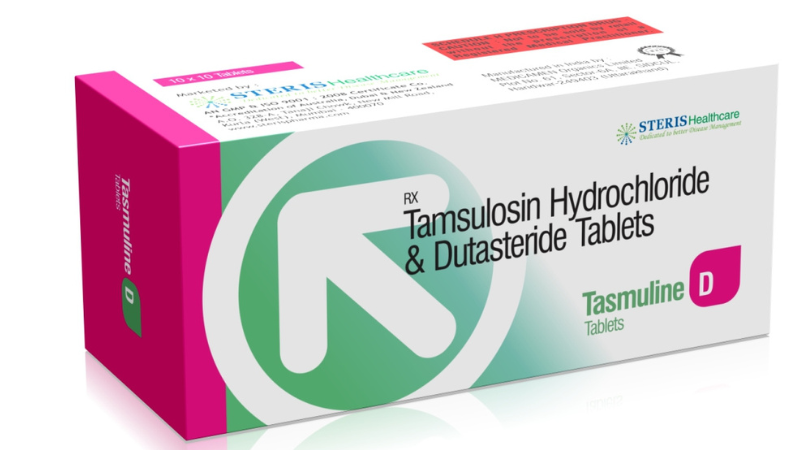



Tasmuline D: Understanding Side Effects, Dosage, and Price.
Mar 30, 2024
As men age, hormonal changes can lead to various health challenges, the most common being the enlargement of the prostate gland, a condition known as Benign Prostatic Hyperplasia (BPH). It is estimated that a significant percentage of men over the age of 50 suffer from the uncomfortable and often lifestyle-limiting symptoms of BPH.
Enter TASMULINE D, a specialized pharmaceutical formulation designed to tackle BPH from two distinct angles. By combining the immediate symptom relief of Tamsulosin (0.4mg) with the long-term prostate-shrinking capability of Dutasteride (0.5mg), TASMULINE D offers a comprehensive solution for men seeking to regain control over their urinary health and overall quality of life.
In this extensive guide, we will explore every aspect of TASMULINE D, including its composition, how it works, dosage guidelines, safety precautions, and why it is a preferred choice for urologists and patients alike.
What is TASMULINE D?
TASMULINE D is a prescription medication used primarily for the treatment of moderate to severe Benign Prostatic Hyperplasia (BPH). It is a "Fixed-Dose Combination" (FDC) drug, meaning it contains two active ingredients in a single capsule or tablet.
The composition of TASMULINE D is:
- Tamsulosin Hydrochloride (0.4mg)
- Dutasteride (0.5mg)
This dual-action formula is often prescribed when monotherapy (treatment with a single drug) has failed to control symptoms or prevent the progression of prostate enlargement.
Why the Combination?
Treating BPH requires addressing two issues: the physical obstruction caused by the prostate pressing on the urethra, and the muscular tension in the prostate area that restricts urine flow. TASMULINE D addresses both, making it a "Gold Standard" approach in combination therapy.
Understanding the Ingredients
To fully appreciate the efficacy of TASMULINE D, we must understand the individual roles of its two powerhouse components.
1. Tamsulosin (0.4mg): The Alpha-Blocker
Tamsulosin belongs to a class of drugs known as Alpha-1 Adrenergic Blockers.
- Function: It works by relaxing the smooth muscles located in the prostate gland and the neck of the bladder.
- The Result: By relaxing these muscles, Tamsulosin reduces the resistance to urinary flow. This allows the patient to pass urine more easily and improves the stream shortly after starting the medication.
- Key Benefit: Immediate relief of symptoms (often within a few days).
2. Dutasteride (0.5mg): The 5-Alpha-Reductase Inhibitor
Dutasteride belongs to a class of drugs called 5-Alpha-Reductase Inhibitors (5-ARIs).
- Function: Testosterone in the male body is converted into Dihydrotestosterone (DHT) by an enzyme called 5-alpha-reductase. DHT is the primary hormone responsible for the growth of prostate tissue. Dutasteride blocks this enzyme, preventing the conversion of testosterone to DHT.
- The Result: By lowering DHT levels, Dutasteride actually shrinks the size of the enlarged prostate gland over time.
- Key Benefit: Long-term disease management and prevention of surgery.
Mechanism of Action: How TASMULINE D Works
When a patient takes TASMULINE D, they are initiating a synchronized attack on BPH:
- The Immediate Action: Upon absorption, the Tamsulosin component targets the alpha-1 receptors in the prostate stroma and bladder neck. Imagine a tight fist gripping a water hose; Tamsulosin effectively relaxes that hand, allowing water (urine) to flow.
- The Long-Term Action: Simultaneously, the Dutasteride component enters the bloodstream and begins inhibiting the production of DHT. Without DHT fueling its growth, the prostate cells begin to undergo apoptosis (programmed cell death), causing the gland to shrink.
The Synergy:
While Tamsulosin provides the patient with relief from the annoyance of frequent urination and weak stream within days, Dutasteride works in the background. It may take 3 to 6 months to see the full shrinking effect of Dutasteride, but once achieved, it significantly lowers the risk of Acute Urinary Retention (AUR) and the need for BPH-related surgery (TURP).
Indications: Who Should Take TASMULINE D?
TASMULINE D is specifically indicated for:
- Treatment of Symptomatic BPH: Men suffering from an enlarged prostate with Lower Urinary Tract Symptoms (LUTS).
- Risk Reduction: Reducing the risk of Acute Urinary Retention (sudden inability to urinate).
- Surgery Prevention: Reducing the risk of needing prostate surgery later in life.
Common Symptoms Treated
If you are experiencing the following symptoms, your doctor may prescribe TASMULINE D:
- Hesitancy: Difficulty initiating urination.
- Weak Stream: A flow that starts and stops or is very weak.
- Straining: Using physical effort to push urine out.
- Incomplete Emptying: The sensation that the bladder is not empty after urinating.
- Frequency: Urinating often, especially less than two hours apart.
- Nocturia: Waking up multiple times at night to urinate.
- Urgency: A sudden, compelling need to urinate that is hard to defer.
Dosage and Administration
Note: Always follow the specific instructions provided by your healthcare provider. The following are general guidelines.
- Recommended Dose: One tablet/capsule of TASMULINE D daily.
- Timing: It is best taken approximately 30 minutes after the same meal each day. Taking it on an empty stomach may alter the absorption of Tamsulosin.
- Method: Swallow the tablet whole with a glass of water. Do not crush, chew, or break the tablet.
- Why? Tamsulosin is designed for modified release. Crushing it can release the drug too quickly, leading to low blood pressure. Dutasteride contents can cause irritation to the throat and mouth.
What if I miss a dose?
If you miss a dose of TASMULINE D, take it as soon as you remember later the same day. If you miss a whole day, skip the missed dose and resume your regular schedule the next day. Do not double the dose.
Side Effects and Management
Like all effective medications, TASMULINE D may cause side effects in some patients. Because it combines two drugs, the side effects can stem from either component.
Common Side Effects
These are usually mild and may subside as the body adjusts to the medication:
- Dizziness or Lightheadedness: Caused by Tamsulosin lowering blood pressure.
- Nasal Congestion: Runny or stuffy nose (Rhinitis).
- Fatigue: Feeling unusually tired.
Sexual Side Effects
Because Dutasteride affects hormones and Tamsulosin affects muscle contraction, sexual side effects are the most commonly reported concerns:
- Retrograde Ejaculation: Semen enters the bladder instead of exiting the penis. This is harmless but can be alarming.
- Decreased Libido: A reduction in sexual desire due to lowered DHT levels.
- Erectile Dysfunction: Difficulty achieving or maintaining an erection.
- Gynecomastia: Breast tenderness or enlargement in men (rare).
Serious (Rare) Side Effects
Seek immediate medical attention if you experience:
- Priapism: A painful erection lasting longer than 4 hours. This is a medical emergency.
- Allergic Reaction: Rash, itching, swelling of the face/tongue/throat, severe dizziness, or trouble breathing.
- Orthostatic Hypotension: Fainting upon standing up quickly.
Managing Side Effects
- For Dizziness: Stand up slowly from sitting or lying positions. Avoid driving or operating heavy machinery until you know how the drug affects you.
- For Sexual Side Effects: Discuss these with your doctor. Sometimes the benefits of improved urinary flow outweigh these effects, but in some cases, dosage adjustments or alternative therapies may be discussed.
Important Precautions and Warnings
1. Women and Children (Crucial Warning)
TASMULINE D is for MEN ONLY.
Dutasteride can be absorbed through the skin. Women who are pregnant or may become pregnant should never handle broken or crushed TASMULINE D tablets. Dutasteride can cause severe birth defects (abnormalities in the external genitalia of a male fetus). If contact is made with leaking capsules, wash the area immediately with soap and water.
2. Cataract Surgery
If you are scheduled for cataract or glaucoma surgery, inform your ophthalmologist that you are taking TASMULINE D. Tamsulosin is linked to Intraoperative Floppy Iris Syndrome (IFIS), which can complicate eye surgery. The surgeon can take precautions if they know in advance.
3. Prostate Cancer Screening (PSA Levels)
Dutasteride reduces the level of Prostate-Specific Antigen (PSA) in the blood by approximately 50%. PSA is used to screen for prostate cancer.
- The Protocol: If you are taking TASMULINE D, your doctor needs to establish a new baseline for your PSA. Generally, your PSA reading should be doubled to get an accurate comparison to normal ranges for cancer screening.
4. Liver Impairment
Dutasteride is extensively metabolized by the liver. Patients with liver disease should use TASMULINE D with caution and under strict medical supervision.
5. Blood Donation
Men taking TASMULINE D should not donate blood while on the medication and for at least 6 months after stopping it. This prevents the drug from being transferred to a pregnant female transfusion recipient.
Drug Interactions
TASMULINE D can interact with other medications, potentially altering their effects or increasing the risk of side effects.
- Alpha-Blockers & Anti-hypertensives: Taking Tamsulosin with other blood pressure medications (like Prazosin or Terazosin) can lead to dangerously low blood pressure (Hypotension).
- CYP3A4 Inhibitors: Drugs like Ketoconazole, Itraconazole (antifungals), Ritonavir (HIV medication), and Erythromycin can increase the levels of Tamsulosin and Dutasteride in the blood, increasing toxicity risk.
- PDE5 Inhibitors (e.g., Sildenafil/Viagra, Tadalafil/Cialis): Using these for erectile dysfunction alongside TASMULINE D requires caution as both can lower blood pressure. A gap between dosing or close monitoring is often advised.
- Warfarin: Caution is advised when co-administering with blood thinners, though interactions are generally rare.
Always provide your doctor with a full list of prescription drugs, over-the-counter medicines, and herbal supplements you are currently taking.
Lifestyle Tips for Patients on TASMULINE D
While TASMULINE D is highly effective, combining medication with lifestyle changes yields the best results for BPH management.
- Fluid Management: Limit fluid intake in the evening (1-2 hours before bed) to reduce the need to wake up at night (Nocturia).
- Avoid Irritants: Caffeine (coffee, tea, soda) and alcohol act as diuretics and can irritate the bladder. Reducing intake can improve symptoms.
- Bladder Training: Practice "double voiding." Urinate, wait a moment, and try to urinate again to ensure the bladder is fully empty.
- Stay Active: A sedentary lifestyle is linked to worsening BPH symptoms. Moderate exercise helps regulate hormones and improves pelvic blood flow.
- Watch the Cold Medications: Decongestants and antihistamines found in cold flu remedies can tighten the muscles around the urethra, making it harder to pee. Avoid these if possible.
Comparison: TASMULINE D vs. Monotherapy
Why should a patient choose TASMULINE D over taking just Tamsulosin or just Dutasteride?
- Compared to Tamsulosin alone: Tamsulosin treats the symptom but not the disease. The prostate continues to grow. TASMULINE D stops the growth. Studies (like the CombAT study) have shown that combination therapy is superior in reducing the risk of acute urinary retention and surgery compared to Tamsulosin alone.
- Compared to Dutasteride alone: Dutasteride takes months to work. A patient taking only Dutasteride will suffer from symptoms for up to 6 months before feeling relief. TASMULINE D offers the immediate relief of Tamsulosin while the Dutasteride kicks in.
Conclusion
TASMULINE D represents a synergistic approach to men's health. By combining the rapid symptomatic relief of Tamsulosin (0.4mg) with the disease-modifying power of Dutasteride (0.5mg), it provides a robust defense against the progression of Benign Prostatic Hyperplasia.
For the millions of men struggling with the interruption of sleep, the anxiety of urgency, and the discomfort of urinary retention, TASMULINE D offers a pathway back to normalcy. It is not just about treating a condition; it is about restoring confidence and quality of life.
Frequently Asked Questions (FAQ) about TASMULINE D
Q1: How long does it take for TASMULINE D to work?
A: You may notice an improvement in urine flow within a few days to a week due to the Tamsulosin. However, the full benefit of shrinking the prostate (via Dutasteride) can take 3 to 6 months. Do not stop taking the medication if you don't feel "cured" immediately.
Q2: Is TASMULINE D a cure for BPH?
A: There is no permanent cure for BPH other than surgical removal of the prostate. However, TASMULINE D is a highly effective management treatment that can control symptoms and prevent progression for years.
Q3: Can I stop taking TASMULINE D once my symptoms improve?
A: No. BPH is a chronic condition. If you stop taking the medication, the prostate will likely begin to grow again, and the muscles will tighten, causing symptoms to return. Always consult your doctor before stopping.
Q4: Does TASMULINE D cause prostate cancer?
A: No. In fact, Dutasteride may reduce the risk of low-grade prostate cancer. However, there has been some debate about a slight potential increase in high-grade tumors, though this is rare. Regular check-ups with your doctor are essential.
Q5: Can I drink alcohol while taking TASMULINE D?
A: Alcohol can worsen the side effect of dizziness/low blood pressure associated with Tamsulosin. It also irritates the bladder. It is best to limit alcohol consumption.
Q6: Does TASMULINE D affect fertility?
A: Dutasteride can lower sperm count, semen volume, and sperm motility. This can affect fertility. If you are planning to father a child, consult your doctor.
If You Want To Purchase The Product Click Here.
We Have Our Urology Range.
Recent Post

BEST semaglutide injection price in india
How Semaglutide Injection 4 mg Helps Control Blood Sugar

What Is Telmisartan and Metoprolol Succinate Combination Used For?

TELMISTRUM TRIO 6.25: Telmisartan, Cilnidipine & Chlorthalidone Uses & Side Effects

TELMISTRUM AZ 16: Telmisartan 40mg & Azelnidipine 16mg Uses, Dosage & Side Effects
What Is Telmisartan and Chlorthalidone Combination Used For?
Telmisartan 40mg + Amlodipine 5mg Tablets: Uses, Dosage & Side Effects
Clarithromycin, Esomeprazole & Amoxicillin Combo Kit: View Uses, Side Effects and Medicines
What Is Amoxicillin Clavulanate with Lactic Acid Bacillus Used For?

Semaglutide Injection 2mg/3ml (SAMIGLUTIDE) – Uses, Benefits, Dosage & Side Effects

