





Spiramycin (3miu)
May 04, 2023
In the evolving world of pharmacology, certain antibiotics stand the test of time due to their unique efficacy and safety profiles. One such powerhouse in the fight against bacterial infections is SPIRAMARIN 3 M.I.U.
Containing the active ingredient Spiramycin (3 Million International Units), SPIRAMARIN is a macrolide antibiotic that has become a cornerstone in treating various respiratory, skin, and specialized infections—including toxoplasmosis in pregnant women.
In this deep-dive guide, we will explore everything you need to know about SPIRAMARIN 3 M.I.U., from its mechanism of action to its clinical applications and safety guidelines.
What is SPIRAMARIN 3 M.I.U.?
SPIRAMARIN 3 M.I.U. is a high-potency antibiotic formulation. The "3 M.I.U." stands for 3 Million International Units, which is the standardized measure of the biological activity of Spiramycin in each tablet.
The Composition: Spiramycin
Spiramycin is a natural macrolide antibiotic produced by the bacterium Streptomyces ambofaciens. While it belongs to the same family as Erythromycin and Azithromycin, it possesses unique pharmacokinetic properties that allow it to concentrate heavily in tissues (like the lungs, tonsils, and gums) and stay active for longer periods.
How Does SPIRAMARIN 3 M.I.U. Work? (Mechanism of Action)
To understand why SPIRAMARIN is effective, we must look at how it interacts with bacteria.
Spiramycin is primarily bacteriostatic. It works by inhibiting bacterial protein synthesis. It binds to the 50S subunit of the bacterial ribosome, effectively "jamming" the machinery the bacteria uses to grow and multiply. Without the ability to produce essential proteins, the bacteria cannot survive, allowing the body’s immune system to clear the infection.
Why the 3 M.I.U. Strength Matters:
The 3 million unit dosage is optimized for adult therapeutic levels, ensuring that the concentration of the drug in the blood and tissues remains above the "Minimum Inhibitory Concentration" (MIC) needed to kill common pathogens.
Key Clinical Indications: What is SPIRAMARIN Used For?
SPIRAMARIN 3 M.I.U. is versatile. Its ability to accumulate in high concentrations in specific tissues makes it the "go-to" choice for several conditions:
1. Respiratory Tract Infections
SPIRAMARIN is highly effective against Gram-positive bacteria that typically cause:
- Pharyngitis and Tonsillitis: Often used as an alternative for patients allergic to Penicillin.
- Acute Sinusitis: It penetrates the sinus cavities effectively.
- Community-Acquired Pneumonia (CAP): Particularly effective against "atypical" pathogens.
- Acute Bronchitis: Helping to clear secondary bacterial infections.
2. Dental and Oral Infections
Dentists frequently prescribe SPIRAMARIN (often in combination with Metronidazole) because Spiramycin reaches very high concentrations in the saliva and gingival (gum) tissues. It is used for:
- Periodontitis (gum disease).
- Dental abscesses.
- Prophylaxis after dental surgery.
3. Skin and Soft Tissue Infections
For mild to moderate skin infections like impetigo or cellulitis caused by susceptible Staphylococci or Streptococci, SPIRAMARIN provides a robust defense.
4. Toxoplasmosis (Specialized Use)
Perhaps the most unique use of Spiramycin is in treating Toxoplasmosis, a parasitic infection. It is particularly vital for pregnant women. Because Spiramycin concentrates in the placenta without crossing significantly to the fetus in high amounts, it helps prevent the transmission of the Toxoplasma gondii parasite from mother to child.
5. Bone Infections (Osteomyelitis)
Due to its excellent tissue penetration, it can be used as an adjunctive treatment for certain bone and joint infections.
Dosage and Administration of SPIRAMARIN 3 M.I.U.
Disclaimer: Always follow the dosage prescribed by your healthcare provider.
The standard dosage for SPIRAMARIN 3 M.I.U. is designed for adults.
- Standard Adult Dose: Usually 2 to 3 tablets per day (totaling 6 to 9 M.I.U.). This is often split into two or three doses (e.g., one tablet every 8 or 12 hours).
- Severe Infections: In more acute cases, a physician may increase the dosage.
- How to Take: SPIRAMARIN should be taken with a full glass of water. It can generally be taken with or without food, though taking it on an empty stomach may lead to faster absorption.
What if you miss a dose?
If you miss a dose of SPIRAMARIN, take it as soon as you remember. However, if it is almost time for your next dose, skip the missed one. Never double the dose to catch up.
SPIRAMARIN in Pregnancy and Breastfeeding
One of the hallmarks of Spiramycin (the core of SPIRAMARIN) is its safety profile during pregnancy.
- Pregnancy: It has been used for decades to treat toxoplasmosis in expectant mothers. It is generally considered safe and is not associated with teratogenic effects (birth defects).
- Breastfeeding: Spiramycin is excreted in breast milk. While it is generally considered safe, nursing mothers should consult their doctor as it may cause slight changes in the infant’s gut flora (leading to diarrhea or irritability).
Potential Side Effects
While SPIRAMARIN 3 M.I.U. is generally well-tolerated, like all antibiotics, it can cause side effects in some individuals.
Common Side Effects:
- Gastrointestinal issues: Nausea, vomiting, stomach pain, or diarrhea.
- Metallic taste: A temporary change in taste perception is common with macrolides.
Rare Side Effects:
- Allergic reactions: Rash, itching, or hives.
- Hepatotoxicity: Very rarely, it may affect liver enzymes.
- Paresthesia: Occasional reports of tingling or "pins and needles" sensations.
When to contact a doctor immediately:
- If you experience signs of an allergic reaction (swelling of the face/throat, difficulty breathing).
- If you develop severe, watery diarrhea (a sign of C. diff infection).
Drug Interactions: What to Avoid
Before starting SPIRAMARIN 3 M.I.U., inform your doctor about all medications you are taking. Significant interactions include:
- Levodopa/Carbidopa: Spiramycin can inhibit the absorption of Carbidopa, potentially reducing the effectiveness of Parkinson's disease medications.
- Ergot Alkaloids: Taking macrolides with ergotamine (for migraines) can lead to serious "ergotism" (constriction of blood vessels).
- Oral Contraceptives: While less common with Spiramycin than with Rifampin, some antibiotics can theoretically reduce the efficacy of birth control pills. It is wise to use a backup method.
Why Choose SPIRAMARIN 3 M.I.U. Over Other Antibiotics?
- Tissue Affinity: Unlike many antibiotics that stay in the bloodstream, SPIRAMARIN rushes to the tissues where the infection lives.
- Long Half-Life: It stays active in the body longer, allowing for convenient dosing.
- Penicillin Alternative: It is an excellent choice for patients with Penicillin allergies.
- Targeted Efficacy: It is specifically potent against "atypical" bacteria like Mycoplasma and Chlamydia.
Important Precautions and Warnings
1. Complete the Course
The most critical rule of taking SPIRAMARIN 3 M.I.U. is to finish the entire prescription, even if you feel better after two days. Stopping early allows the strongest bacteria to survive, leading to antibiotic resistance.
2. Liver Health
Since the liver metabolizes Spiramycin, patients with pre-existing liver disease should be monitored closely by their physician.
3. Gut Health (Probiotics)
Because SPIRAMARIN kills both "bad" and "good" bacteria, taking a probiotic supplement or eating yogurt with live cultures can help maintain your digestive balance during treatment.
Storage and Handling
- Store SPIRAMARIN 3 M.I.U. at room temperature (below 30°C/86°F).
- Keep the tablets in their original blister pack to protect them from moisture and light.
- Keep out of reach of children.
Summary: The Power of SPIRAMARIN 3 M.I.U.
SPIRAMARIN 3 M.I.U. is more than just an antibiotic; it is a vital medical tool for treating a wide array of bacterial challenges. Its high concentration in tissues, safety in pregnancy, and efficacy against respiratory and dental pathogens make it a trusted choice for healthcare providers worldwide.
Frequently Asked Questions (FAQs)
Q1: Is SPIRAMARIN 3 M.I.U. a Penicillin?
No, it is a Macrolide antibiotic. It is often used as a safe alternative for people who are allergic to Penicillin.
Q2: How long does it take for SPIRAMARIN to work?
Most patients begin to feel improvement within 48 to 72 hours. However, the bacteria are not fully eradicated until the end of the course.
Q3: Can I drink alcohol while taking SPIRAMARIN?
While there is no direct "disulfiram-like" reaction with SPIRAMARIN, alcohol can dehydrate you and put extra strain on your liver. It is best to avoid alcohol until you have recovered from your infection.
Q4: Can children take SPIRAMARIN 3 M.I.U.?
This specific 3 M.I.U. dose is generally for adults. For children, pediatric formulations (syrups or lower-dose tablets) are usually prescribed based on weight.
Recent Post
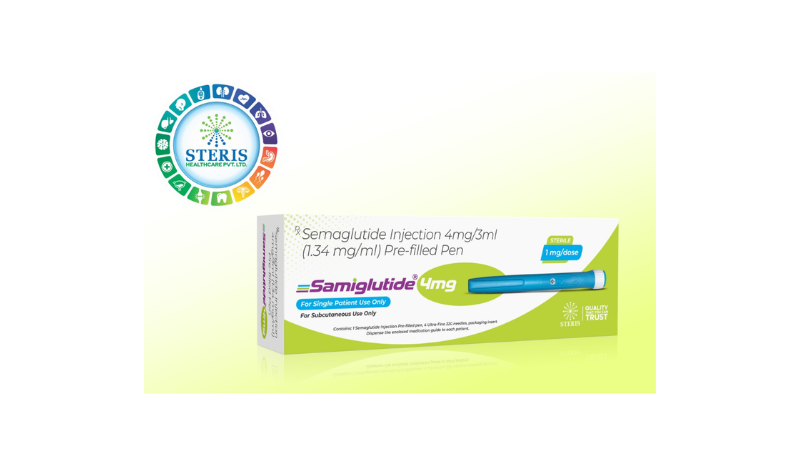
Semaglutide 4mg vs Pancreatitis Risk: What Doctors Want You to Know
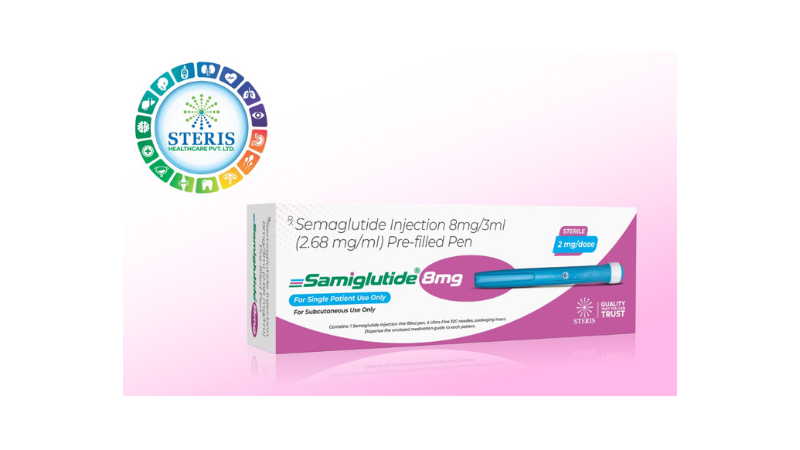
Semaglutide 8mg Injection: Frequently Asked Questions Answered by Experts
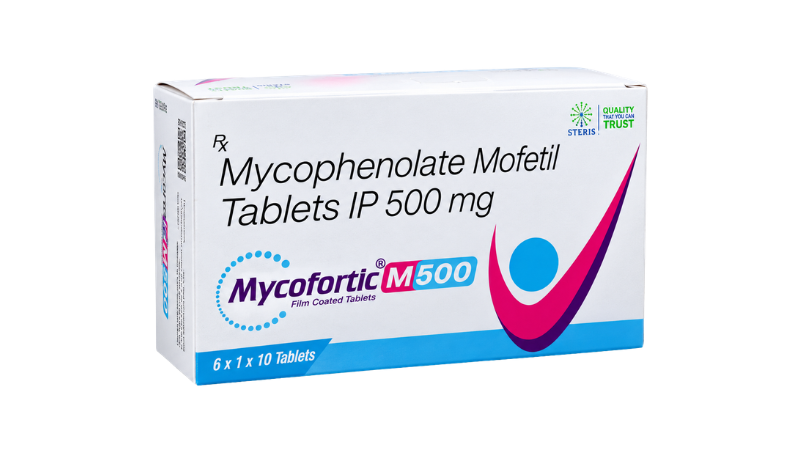
Mycophenolate Mofetil 500mg (Mycofortic M 500): Uses, Benefits & Precautions – Complete Guide
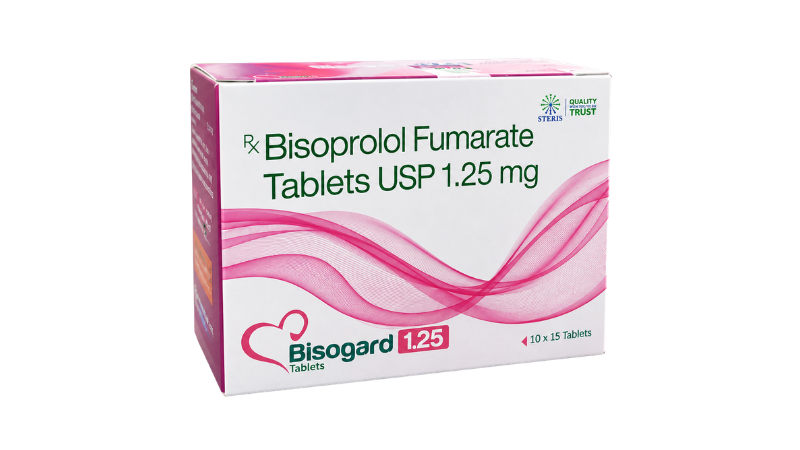
What is Bisogard 1.25? Bisoprolol 1.25mg Uses, Dosage & Side Effects Explained

Can Semaglutide Injection Be Used Without Diabetes?

What Are Nintedanib Soft Gelatin Capsules Used For? Complete Guide

Where to Buy Semaglutide Injection in India: Price, Pen & Prescription Guide
ERITOCOX BENZ 60/5 Dosage Guide: How to Take Etoricoxib & Cyclobenzaprine Tablets Safely

Gabapentin and Methylcobalamin Tablets Side Effects: What Patients Should Know
Thyroxine sodium tablets IP: उपयोग, फायदे और साइड इफेक्ट्स