





Risperidone (2mg), Trihexyphenidyl (2mg) ''''
Oct 06, 2023
RISPERITIME PLUS is a fixed-dose combination tablet that contains:
- Risperidone 2 mg
- Trihexyphenidyl hydrochloride 2 mg
What each ingredient does (quick)
- Risperidone treats symptoms of psychotic and mood disorders by acting on dopamine and serotonin receptors in the brain.
- Trihexyphenidyl is an anticholinergic medicine used for parkinsonism and also for controlling extrapyramidal disorders caused by CNS drugs (including antipsychotics).
What is risperidone used for?
Risperidone is an atypical antipsychotic indicated (in US FDA labeling) for:
- Schizophrenia
- Acute manic or mixed episodes in Bipolar I disorder (monotherapy or adjunct with lithium/valproate)
- Irritability associated with autistic disorder
Why add trihexyphenidyl with risperidone?
Many antipsychotics can cause movement-related side effects called extrapyramidal symptoms (EPS)—especially at higher doses or in sensitive individuals. Risperidone labeling lists EPS-related effects (like parkinsonism, akathisia, dystonia, tremor) among common adverse reactions.
Trihexyphenidyl is indicated for controlling extrapyramidal disorders caused by CNS drugs (including several antipsychotic classes) and can reduce drug-induced parkinsonism-type symptoms (stiffness, rigidity, tremor).
The “balance” concept (simple explanation)
Antipsychotics reduce dopamine signaling (one way they help psychotic symptoms). But in movement pathways, lower dopamine can lead to relatively higher acetylcholine activity—contributing to EPS. Anticholinergics like trihexyphenidyl reduce acetylcholine activity, which may ease EPS in some patients.
EPS explained
EPS is a broad term. The major types include:
A) Acute dystonia (sudden muscle spasms)
- Neck twisting, jaw spasm, eye deviation (oculogyric crisis)
- Often occurs within days of starting or increasing an antipsychotic.
B) Drug-induced parkinsonism (stiffness/tremor/slow movement)
- Looks similar to Parkinson’s disease
- Often appears in the first weeks to months.
C) Akathisia (inner restlessness)
- “I can’t sit still,” pacing, agitation
- Can appear days to weeks after starting/increasing dose.
D) Tardive dyskinesia (late-onset involuntary movements)
- Often mouth/tongue/face movements; can be persistent
- Typically associated with long-term exposure to antipsychotics.
Key caution: Trihexyphenidyl labeling states antiparkinsonian agents do not alleviate tardive dyskinesia and may aggravate it; trihexyphenidyl is not recommended for tardive dyskinesia unless the patient has concomitant Parkinson’s disease.
How RISPERITIME PLUS works (Mechanism of Action)
Risperidone: dopamine + serotonin receptor antagonism
Risperidone’s therapeutic activity in schizophrenia is thought to be mediated through dopamine D2 and serotonin 5‑HT2 receptor antagonism.
Trihexyphenidyl: anticholinergic (parasympatholytic) action
Trihexyphenidyl exerts an inhibitory effect on the parasympathetic nervous system and has atropine-like anticholinergic properties.
Practical effect (what patients notice)
- Improved control of psychotic symptoms (as assessed by clinicians over time)
- Reduced likelihood or severity of certain EPS symptoms (in appropriate patients), which can improve comfort and medication adherence
Uses of RISPERITIME PLUS
Because RISPERITIME PLUS is a combination, the cleanest, most defensible way to present “uses” is:
It may be prescribed for:
- Patients who require risperidone for conditions such as schizophrenia or bipolar disorder, and
- Patients who also need help managing antipsychotic-induced EPS (particularly parkinsonism-type symptoms), where trihexyphenidyl is clinically appropriate.
Avoid overclaiming: Do not write “RISPERITIME PLUS prevents EPS in everyone.” Major guidance cautions against routine preventive anticholinergic use.
Dosage and how to take RISPERITIME PLUS
Follow the prescriber (most important)
Dosing of antipsychotics is individualized based on diagnosis, symptom severity, prior response, side effects, age, kidney/liver function, and interacting medicines.
Reference point: risperidone 2 mg is a common adult starting dose
Risperidone prescribing information lists 2 mg as an initial dose for adults with schizophrenia, with target and effective dose ranges higher depending on clinical response.
Reference point: trihexyphenidyl dosing is individualized
Trihexyphenidyl labeling states dosing should be individualized and started low then increased gradually (especially in older adults). For drug-induced parkinsonism/extrapyramidal reactions, the total daily dosage is determined empirically; the label notes a typical total daily range and that treatment may begin with 1 mg in some cases.
How to take
- Take the tablet exactly as directed by your clinician.
- If you miss a dose: general patient guidance is to take it when remembered unless near the next dose; don’t double.
Expected benefits
For mental health symptoms (from the risperidone side)
Treatment aims may include:
- Reduced hallucinations/delusions, better organized thinking (schizophrenia)
- Reduced manic symptoms (Bipolar I mania)
For tolerability (from the trihexyphenidyl side)
In appropriate patients, benefits may include:
- Less stiffness/rigidity/tremor linked to drug-induced parkinsonism
- Better comfort and movement, which can improve adherence
Side effects
A) Risperidone side effects (common and important)
Risperidone prescribing information lists common adverse reactions including parkinsonism, akathisia, dystonia, tremor, sedation, dizziness, plus GI symptoms and increased appetite/weight gain.
MedlinePlus also highlights possible effects such as drowsiness, dizziness, weight gain, GI upset, and movement problems, and warns to seek help for serious symptoms like fever with stiffness/confusion (possible NMS) or uncontrolled movements.
B) Metabolic and hormone-related effects (risperidone)
Risperidone labeling warns atypical antipsychotics are associated with metabolic changes including hyperglycemia/diabetes, dyslipidemia, and weight gain, and notes hyperprolactinemia can occur and persist.
C) Trihexyphenidyl side effects (anticholinergic effects)
MedlinePlus lists common side effects such as dry mouth, constipation, blurred vision, dizziness, and difficulty urinating; serious effects may include confusion/hallucinations and fast/irregular heartbeat.
Trihexyphenidyl prescribing information also describes anticholinergic side effects like confusion/memory impairment, constipation, urinary hesitancy/retention, tachycardia, pupil dilation, increased intraocular pressure, and dry skin.
Major warnings & precautions
1) Boxed warning: elderly patients with dementia-related psychosis
Risperidone carries a boxed warning that elderly patients with dementia-related psychosis treated with antipsychotics have increased risk of death, and risperidone is not approved for dementia-related psychosis.
2) Neuroleptic Malignant Syndrome (NMS)
Risperidone labeling warns about NMS and recommends discontinuation and monitoring if suspected.
Trihexyphenidyl labeling also notes NMS has been reported in association with dose reduction or discontinuation in some cases.
3) Tardive dyskinesia
Risperidone labeling advises considering discontinuation if clinically indicated.
Trihexyphenidyl labeling states it does not alleviate tardive dyskinesia and may aggravate it; not recommended unless concomitant Parkinson’s disease.
4) Narrow-angle glaucoma risk (trihexyphenidyl)
Trihexyphenidyl is contraindicated in narrow-angle glaucoma; the label warns anticholinergics may precipitate angle closure with increased intraocular pressure and that blindness has been reported after aggravation.
5) Heat intolerance / reduced sweating
Trihexyphenidyl labeling warns about impaired sweating and risk of dangerous overheating (hyperthermia) in hot weather or exertion—especially with other atropine-like drugs.
Drug interactions
A) Risperidone interactions (CYP-related)
Risperidone labeling notes:
- Carbamazepine and other enzyme inducers can decrease risperidone levels (dose adjustment may be needed).
- Fluoxetine, paroxetine and other CYP2D6 inhibitors can increase risperidone levels (dose adjustments/limits are described).
B) Trihexyphenidyl interactions (anticholinergic + CNS effects)
Trihexyphenidyl labeling cautions about impairment of mental/physical abilities and advises avoiding alcohol/CNS depressants due to increased sedative effects.
Blog-friendly interaction checklist (safe wording):
Tell your prescriber if you use antidepressants (SSRIs), seizure medicines, mood stabilizers, sleep medicines, alcohol, other anticholinergics, or any other antipsychotic.
Who should use RISPERITIME PLUS with extra caution?
Higher-risk groups (commonly relevant)
- Older adults (especially with cognitive impairment) due to anticholinergic confusion/memory effects and risperidone boxed warning context
- People with diabetes or metabolic risk (monitor glucose, weight, lipids)
- People with glaucoma, prostate enlargement/urinary retention, severe constipation risk (trihexyphenidyl can worsen these)
- People with seizure history (risperidone caution)
Monitoring
A practical monitoring section you can include:
For risperidone
- Weight/BMI (weight gain warning)
- Symptoms/signs of high blood sugar (hyperglycemia warning)
- Lipids (dyslipidemia warning)
- EPS checks (parkinsonism/akathisia/dystonia/tremor)
- Prolactin-related symptoms (sexual dysfunction, menstrual changes, breast changes)
For trihexyphenidyl
- Constipation and urinary retention symptoms
- Confusion/memory effects (especially elderly)
- Eye symptoms/IOP risk in glaucoma-susceptible patients
“Stop and seek medical help” red flags
Seek urgent medical care if any of these occur:
- High fever + muscle stiffness + confusion/sweating/fast heartbeat (possible NMS)
- New/uncontrolled face/tongue/body movements (possible tardive dyskinesia)
- Severe constipation, inability to pass urine, severe abdominal pain (anticholinergic complications)
- Sudden vision changes or severe eye pain (possible angle-closure glaucoma risk)
- Severe allergic reaction (rash + swelling + breathing difficulty)
Conclusion
RISPERITIME PLUS (Risperidone 2 mg + Trihexyphenidyl HCl 2 mg) is a prescription combination designed to pair an atypical antipsychotic (for conditions like schizophrenia or bipolar mania) with an anti‑EPS/antiparkinsonism medicine (for drug-induced movement side effects). Risperidone is effective but can cause EPS and metabolic/hormonal side effects, while trihexyphenidyl may reduce certain EPS but carries anticholinergic risks such as constipation, urinary retention, confusion, heat intolerance, and glaucoma concerns. For best outcomes, this combination should be used only under clinician supervision, with periodic reassessment of whether ongoing anticholinergic therapy is truly needed—since major guidance advises against routine long-term anticholinergic prevention of EPS.
FAQ
Q1) Is RISPERITIME PLUS for “sleep” or anxiety?
It’s not a sleeping pill. Risperidone can cause sedation in some people, but it is an antipsychotic used for specific psychiatric conditions and must be used only under medical guidance.
Q2) Why do some doctors avoid long-term anticholinergics?
Because anticholinergics can cause cognitive effects (confusion/memory impairment), constipation, urinary retention, glaucoma risk, and more—and WHO mhGAP advises they should not be used routinely to prevent EPS, favoring short-term targeted use when needed.
Q3) Does trihexyphenidyl treat tardive dyskinesia?
Trihexyphenidyl labeling states antiparkinsonian agents do not alleviate tardive dyskinesia and may aggravate it; it is not recommended for TD unless Parkinson’s disease is also present.
Q4) Can RISPERITIME PLUS be taken with food?
Risperidone can be given with or without meals per prescribing information.
For the combination tablet, follow your prescriber/label directions.
Recent Post
Atorvastatin 40 mg Tablet: उपयोग और जरूरी जानकारी
Levetiracetam 250 mg कैसे काम करती है? जानिए पूरी जानकारी

Gabapentin 300mg और Amitriptyline 10mg Tablets: उपयोग और जानकारी

Citicoline and piracetam tablets क्या हैं? जानें उपयोग, फायदे और साइड इफेक्ट्स
Rosehip Extract & Boswellia Serrata Uses in Hindi | CHONDROFLEX TRIO की पूरी जानकारी

Semaglutide injection in hindi: Semaglutide injection 2 mg, Semaglutide injection 4 mg, Semaglutide injection 8 mg

Semaglutide injection once a week : how does it work?

Tacrolimus 0.5 mg Capsule के उपयोग, लाभ और सावधानियां हिंदी में
Lansoprazole Orally Disintegrating Tablets 15 mg Uses in Hindi: LANSOSTRUM 15 JUNIOR के फायदे, उपयोग और सावधानियां
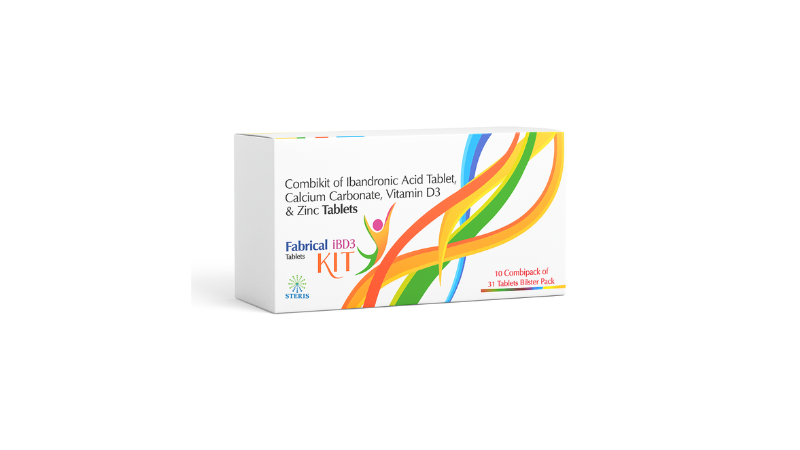
Ibandronic Acid Tablet Uses in Hindi: हड्डियों की सुरक्षा और फ्रैक्चर से बचाव का पूरा गाइड

