


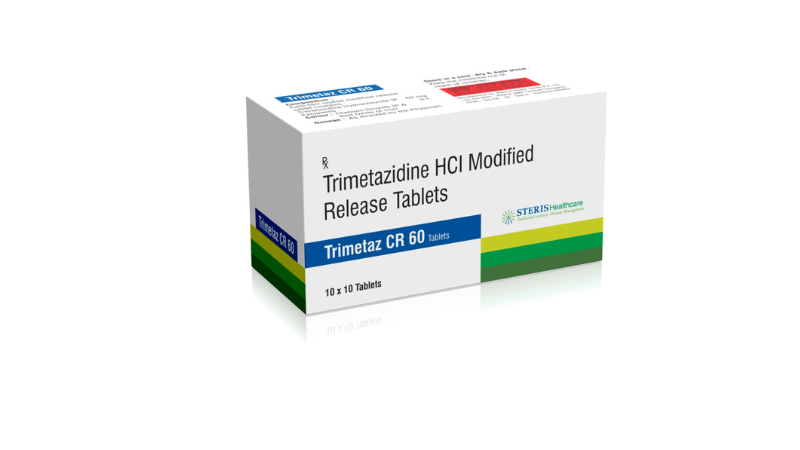



"Trimetadizine SR 60mg: Optimize Heart Function"
May 24, 2024
Trimetadizine SR 60mg
If you or someone in your family has been living with the dull, recurring tightness of angina, you already know how disruptive it can be — a short walk, a flight of stairs, even a stressful conversation, and suddenly there's that familiar pressure in the chest. Trimetazidine 60mg, marketed by Steris Healthcare Pvt Ltd as TRIMETAZ CR 60, is a medicine built specifically for this kind of recurring, exercise-triggered chest discomfort. It doesn't work like the heart medicines most people have heard of. It takes a quieter, metabolic route — and for many patients, that's exactly what makes it valuable.
What Works in Trimetazidine 60mg Tablet?
The active ingredient in TRIMETAZ CR 60 is Trimetazidine 60mg, a modified-release anti-anginal agent that belongs to a class of medicines sometimes called "metabolic modulators." Unlike beta-blockers, calcium channel blockers, or nitrates — which all work by changing heart rate, blood pressure, or blood vessel tone — trimetazidine works inside the heart cell itself. It changes how the cell produces energy, making it more efficient at using the limited oxygen available during periods of reduced blood flow.
This is what makes Trimetazidine 60mg tablet uses fairly specific: it's prescribed almost exclusively for chronic stable angina, usually as an add-on when first-line anti-anginal medicines aren't fully controlling symptoms, or when a patient can't tolerate the heart-rate and blood-pressure effects of those other drugs.
Why It's Important: Understanding Chronic Stable Angina
Chronic stable angina happens when the coronary arteries are narrowed — usually due to atherosclerosis — and can't deliver enough oxygen-rich blood to the heart muscle during physical exertion or stress. The result is a predictable pattern of chest discomfort that comes on with activity and eases with rest.
Left poorly managed, angina doesn't just affect day-to-day comfort — it limits physical activity, disrupts sleep, and lowers quality of life. It can also be a marker of underlying coronary artery disease that needs careful long-term management. This is why doctors don't treat angina as an isolated symptom; they treat it as part of a broader strategy to protect heart function, and Trimetazidine 60mg medicine often plays a supporting role in that strategy.
Mechanism of Action: How Trimetazidine 60mg Works
To understand the clinical evidence behind trimetazidine, it helps to understand its mechanism. During ischemia (reduced blood flow), heart muscle cells shift toward burning fatty acids for energy. This pathway, while functional, consumes more oxygen per unit of energy produced compared to glucose metabolism — a real problem when oxygen is already in short supply.
Trimetazidine partially inhibits a key enzyme in the fatty acid oxidation pathway (3-ketoacyl CoA thiolase), nudging the heart's metabolism toward glucose oxidation instead. Because glucose metabolism is more oxygen-efficient, this shift helps the heart muscle maintain normal function even when blood flow is compromised. Importantly, this mechanism does not involve any direct effect on heart rate, blood pressure, or coronary blood vessel diameter — which is what separates Trimetazidine 60mg from nearly every other class of anti-anginal medicine, and why it's often chosen for patients who are already on maximum tolerated doses of beta-blockers or calcium channel blockers.
Key Benefits of Trimetazidine 60mg Tablet
What Are the Benefits of TRIMETAZ CR 60?
Patients prescribed Trimetazidine 60mg tablet typically notice a few consistent benefits over weeks of regular use:
- Reduced frequency of angina episodes — by improving the heart's oxygen efficiency, fewer ischemic episodes are triggered during exertion.
- Improved exercise tolerance — many patients find they can walk further or climb stairs with less discomfort.
- No impact on heart rate or blood pressure — making it suitable as an add-on for patients already on rate- or pressure-lowering medicines.
- Useful in combination therapy — works well alongside beta-blockers, calcium channel blockers, or nitrates without overlapping side effects.
- Supports overall ischemic protection — by easing the metabolic burden on stressed heart cells.
Indications and Clinical Use
TRIMETAZ CR 60 is indicated for the symptomatic treatment of chronic stable angina pectoris in adults, generally as add-on therapy. It is not indicated for the treatment of an acute angina attack and has no role as an emergency rescue medicine — that responsibility still belongs to fast-acting nitrates as prescribed by your doctor.
Clinical use of trimetazidine is well established internationally, with regulatory approval in many countries specifically tied to its add-on role once other anti-anginal options have been tried or are not suitable. Indian cardiology practice broadly mirrors this approach: trimetazidine is rarely a first-choice monotherapy, but is widely used as a complementary medicine in long-term angina management plans.
Side Effects of Trimetazidine 60mg
Like all medicines, TRIMETAZ CR 60 can cause side effects, though most patients tolerate it well. Commonly reported, generally mild effects include:
- Nausea or mild stomach upset
- Headache
- Dizziness
- General weakness
These often settle on their own as the body adjusts to the medicine.
Serious Side Effects of Trimetazidine 60mg
Some side effects need prompt medical attention and should never be ignored:
- New tremors, muscle stiffness, or slowed movement (Parkinsonism-like symptoms)
- Restless legs or unusual involuntary movements
- Severe dizziness or fainting spells
- Signs of an allergic reaction — rash, facial swelling, breathing difficulty
- Unusual bleeding or bruising
Movement-related side effects are taken particularly seriously with trimetazidine, which is why it's generally avoided in patients with a history of Parkinson's disease or other movement disorders.
Available Substitutes for Trimetazidine 60mg
Several other Trimetazidine-based formulations and dosage strengths are available in the Indian market, including 20mg immediate-release and 35mg modified-release variants from various manufacturers. Switching between brands or strengths should only be done on your doctor's advice, as bioavailability and dosing schedules can differ between formulations.
Dosage Guidelines for Trimetazidine 60mg
TRIMETAZ CR 60 is typically taken as directed by your cardiologist, with meals, to support steady absorption. As a modified-release formulation, the tablet should be swallowed whole — not crushed, split, or chewed — to preserve its extended-release action.
Patients with reduced kidney function often require dose adjustments, since trimetazidine is cleared primarily through the kidneys. Missed doses should be taken as soon as remembered, unless it's close to the next scheduled dose, in which case the missed dose should be skipped rather than doubled up. Treatment is usually long-term, and the medicine should never be stopped abruptly without consulting your doctor, even if symptoms feel well controlled.
Precautions & Warnings: Using Trimetazidine 60mg Safely
- Disclose any history of Parkinson's disease, tremors, or restless legs syndrome before starting therapy.
- Use cautiously in elderly patients, who may be more sensitive to movement-related side effects.
- Kidney function should be assessed before and periodically during treatment.
- Not recommended for use as a stand-alone treatment for acute angina attacks.
- Inform your doctor of all other medications, including supplements, to screen for interactions.
- Use in pregnancy or breastfeeding only under direct medical guidance.
- Avoid driving or operating machinery if you experience dizziness after starting the medicine.
Conclusion
Trimetazidine 60mg, available as TRIMETAZ CR 60 from Steris Healthcare Pvt Ltd, offers a genuinely different way of managing chronic stable angina — one that works at the cellular level to make the heart more efficient with the oxygen it has, rather than changing heart rate or blood pressure. For patients who need additional angina control beyond first-line therapy, or who can't tolerate the hemodynamic effects of other anti-anginal medicines, it's a well-established and widely used add-on option. As with any heart medicine, it should only be used under a cardiologist's supervision, with regular follow-up to monitor effectiveness and watch for movement-related side effects.
Frequently Asked Questions
What is Trimetazidine 60mg tablet used for?
Trimetazidine 60mg tablet is used to manage chronic stable angina, usually as an add-on medicine when first-line anti-anginal treatments aren't fully controlling chest pain symptoms.
How does Trimetazidine 60mg work in the body?
It shifts the heart's energy metabolism from fatty acid oxidation to glucose oxidation, which requires less oxygen, helping protect heart cells during periods of reduced blood flow.
What are the main benefits of Trimetazidine 60mg tablet?
Key benefits include fewer angina episodes, better exercise tolerance, and no effect on heart rate or blood pressure, making it useful alongside other heart medicines.
Can Trimetazidine 60mg treat a sudden angina attack?
No. It's a long-term preventive medicine, not a rescue treatment for acute chest pain. Emergency angina relief still requires fast-acting nitrates as prescribed.
What are the serious side effects of Trimetazidine 60mg?
Serious side effects include tremors, muscle stiffness, slowed movement, severe dizziness, and allergic reactions — these require immediate medical attention.
Is a prescription required to buy Trimetazidine 60mg tablet?
Yes, Trimetazidine 60mg is a Schedule H prescription medicine in India and cannot be purchased without a valid doctor's prescription.
Who should avoid taking Trimetazidine 60mg?
Patients with Parkinson's disease, tremors, or restless legs syndrome should generally avoid this medicine unless specifically advised otherwise by their doctor.
Are there substitutes available for Trimetazidine 60mg?
Yes, other strengths like 20mg and 35mg modified-release trimetazidine formulations are available, but switching should only be done under medical supervision.
Can trimetazidine make you sleepy?
Trimetazidine isn't typically known for causing sleepiness directly, but some patients report mild dizziness or general weakness, which can feel similar to drowsiness.
For further information:
EMAIL: info@sterispharma.com / contact@sterispharma.com
CALL/WHATSAPP: 7877551268, 7849827488
Recent Post
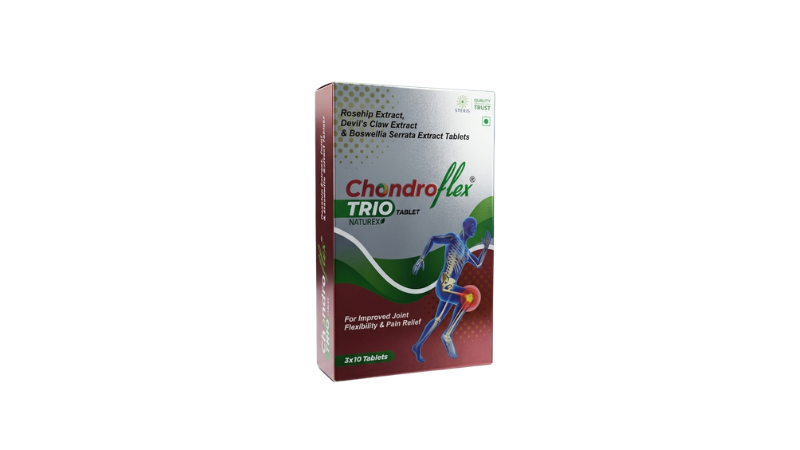
Rosehip Extract & Boswellia Serrata Uses in Hindi | CHONDROFLEX TRIO की पूरी जानकारी

Semaglutide injection in hindi: Semaglutide injection 2 mg, Semaglutide injection 4 mg, Semaglutide injection 8 mg

Semaglutide injection once a week : how does it work?
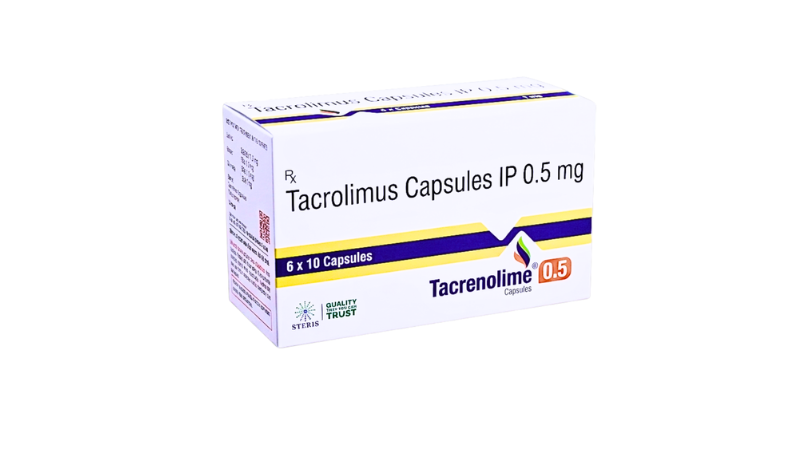
Tacrolimus 0.5 mg Capsule के उपयोग, लाभ और सावधानियां हिंदी में

Lansoprazole Orally Disintegrating Tablets 15 mg Uses in Hindi: LANSOSTRUM 15 JUNIOR के फायदे, उपयोग और सावधानियां
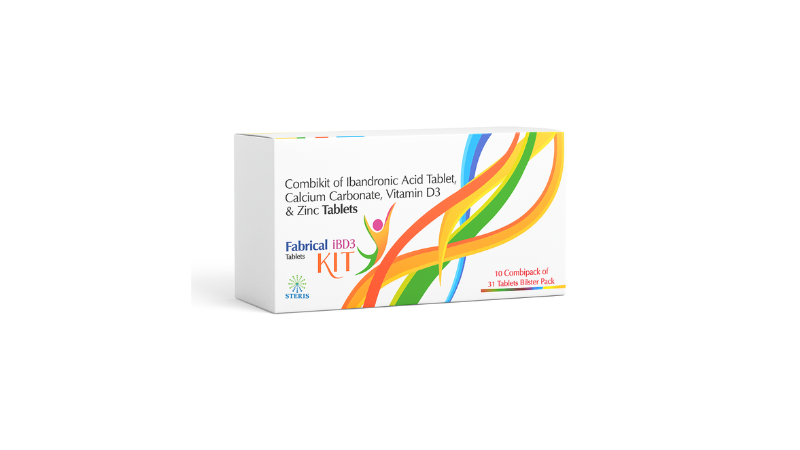
Ibandronic Acid Tablet Uses in Hindi: हड्डियों की सुरक्षा और फ्रैक्चर से बचाव का पूरा गाइड
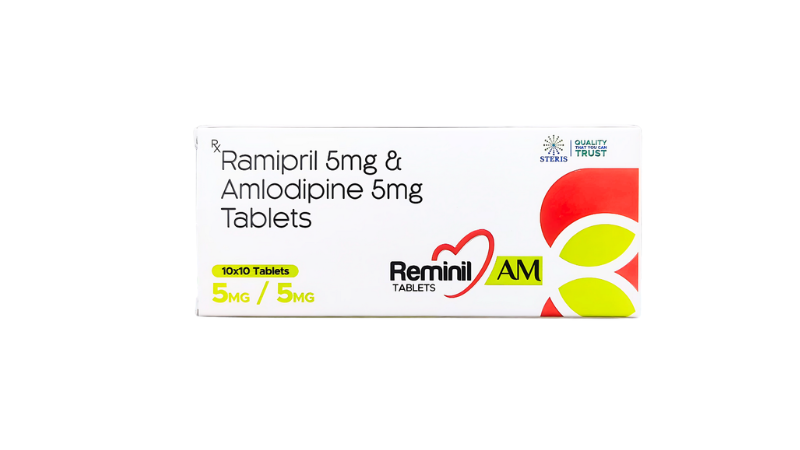
Ramipril 5mg Uses in Hindi: REMINIL AM 5/5 से जानें हाई ब्लड प्रेशर का सम्पूर्ण इलाज
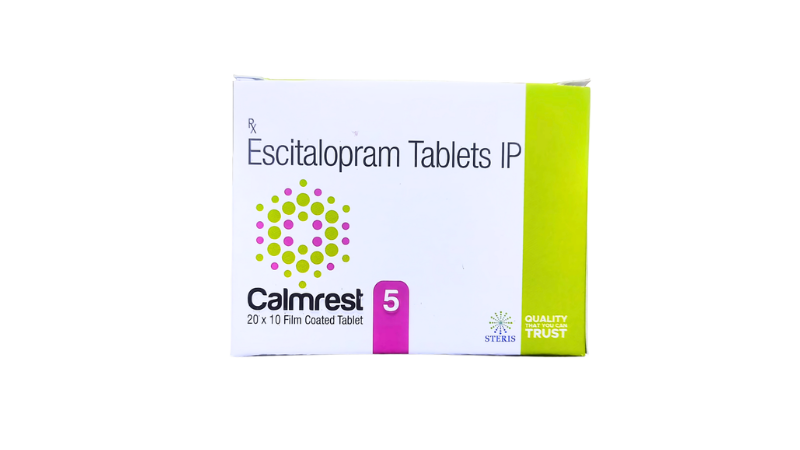
Escitalopram 5 mg Uses in Hindi: CALMREST 5 से जानें डिप्रेशन का सम्पूर्ण इलाज
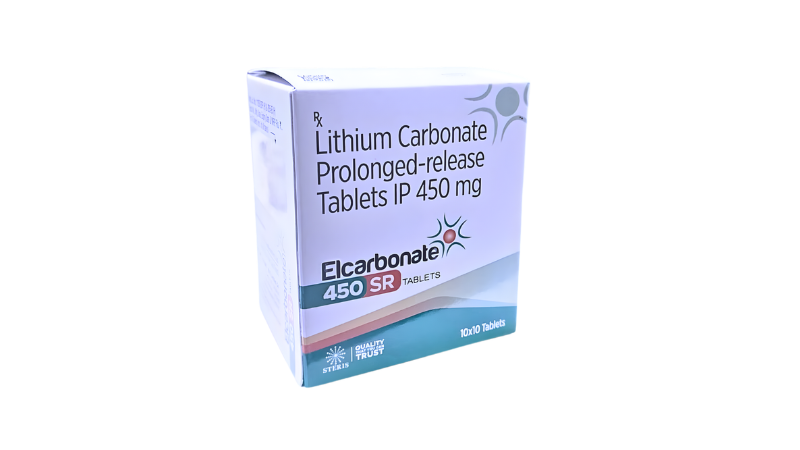
Lithium Carbonate Tablet क्या है? जानें उपयोग, फायदे और साइड इफेक्ट्स
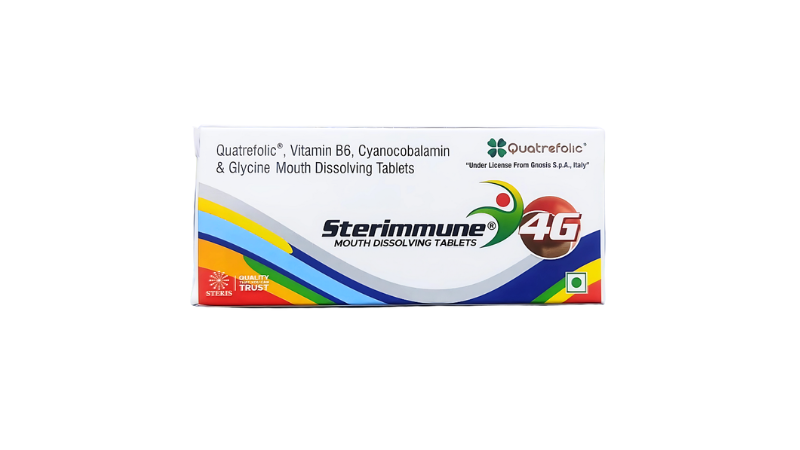
Quatrefolic, Vitamin B6 और Cyanocobalamin Tablets: उपयोग, फायदे और सावधानियां