





Pirfenidone (400mg)
May 20, 2023
Breath is something most of us take for granted—until it becomes difficult. For those living with Idiopathic Pulmonary Fibrosis (IPF), the simple act of breathing becomes a progressive challenge. IPF is a chronic, life-limiting disease characterized by the thickening and scarring (fibrosis) of lung tissue.
As the medical community has deepened its understanding of lung scarring, the focus has shifted from merely treating symptoms to actively slowing the disease's progression. One of the most significant advancements in this field is the development of anti-fibrotic medications like PIRFENOID 400.
In this exhaustive guide, we will explore PIRFENOID 400, containing Pirfenidone (400mg). We will cover its mechanism of action, clinical benefits, dosage protocols, and the lifestyle adjustments necessary to achieve the best possible outcomes.
1. What is PIRFENOID 400?
PIRFENOID 400 is a potent anti-fibrotic and anti-inflammatory medication. The active ingredient, Pirfenidone, is a pyridone derivative specifically indicated for the treatment of mild to moderate Idiopathic Pulmonary Fibrosis (IPF).
The 400mg Advantage
Pirfenidone was traditionally available in 200mg or 267mg formulations. The 400mg strength of PIRFENOID 400 is designed for patient convenience and compliance. Since the maintenance dose for IPF is often quite high (approximately 2400mg per day), the 400mg tablet allows patients to take fewer pills throughout the day, reducing "pill fatigue" while maintaining therapeutic efficacy.
2. Understanding Idiopathic Pulmonary Fibrosis (IPF)
To appreciate how PIRFENOID 400 works, we must first understand the devastating nature of IPF.
The "Silent Scarrer"
In a healthy lung, the air sacs (alveoli) are thin and elastic, allowing oxygen to pass easily into the bloodstream. In a patient with IPF, the body’s repair mechanism goes into "overdrive." For reasons that remain "idiopathic" (unknown), the lung tissue becomes damaged and then heals with thick, stiff scar tissue.
Progression of the Disease
As the scarring spreads:
- The lungs lose their elasticity (they become "stiff").
- Oxygen transfer becomes inefficient.
- The work of breathing increases, leading to shortness of breath (dyspnea) and a persistent dry, hacking cough.
IPF is progressive, meaning it gets worse over time. PIRFENOID 400 is designed to slow this progression down.
3. Mechanism of Action: The Science of PIRFENOID 400
How exactly does a pill stop lung scarring? PIRFENOID 400 doesn't just target one pathway; it acts on several biological fronts simultaneously.
A. Inhibition of TGF-Beta
Transforming Growth Factor-beta (TGF-β) is a protein that acts as the "master switch" for fibrosis. It tells cells called fibroblasts to multiply and produce collagen (the material in scar tissue). PIRFENOID 400 inhibits the production and activity of TGF-β, effectively "dimming the switch."
B. Anti-Inflammatory Action
Fibrosis is often fueled by underlying inflammation. Pirfenidone reduces the production of inflammatory markers such as TNF-alpha and various interleukins. By calming the inflammatory environment in the lungs, it prevents the triggers that lead to new scarring.
C. Antioxidant Properties
Oxidative stress—damage caused by unstable molecules called free radicals—worsens lung damage. PIRFENOID 400 has been shown to scavenge these free radicals, providing a protective shield for the remaining healthy lung tissue.
4. Clinical Benefits: Why Doctors Prescribe PIRFENOID 400
The primary goal of treating IPF is to preserve as much lung function as possible for as long as possible. Clinical studies (such as the ASCEND and CAPACITY trials) have established several key benefits of Pirfenidone:
- Slowing FVC Decline: Forced Vital Capacity (FVC) is the measure of how much air you can exhale. Pirfenidone significantly slows the rate at which FVC drops compared to a placebo.
- Increased Progression-Free Survival: Patients on PIRFENOID 400 are less likely to experience a rapid worsening of their condition.
- Reduced Risk of Acute Exacerbations: These are sudden, life-threatening worsenings of breathing. Anti-fibrotic therapy helps stabilize the lungs to prevent these events.
- Improved Exercise Tolerance: By preserving lung elasticity, patients can often remain active for longer periods.
5. Dosage and Administration of PIRFENOID 400
Because Pirfenidone is a powerful drug, the body needs time to adjust. This is handled through a titration schedule.
The Maintenance Target
The standard maintenance dose for most adults is 2400mg per day. With PIRFENOID 400, this typically translates to:
- Two 400mg tablets, three times a day.
The Titration Phase (Example)
- Days 1–7: One 400mg tablet, twice daily.
- Days 8–14: One 400mg tablet, three times daily.
- Day 15 onwards: Two 400mg tablets, three times daily (as tolerated).
Crucial Instructions:
- Take with Food: This is the most important rule. Taking PIRFENOID 400 midway through a full meal significantly reduces the risk of nausea and dizziness.
- Consistency: Space your doses out (Breakfast, Lunch, and Dinner) to keep the medication levels stable in your blood.
6. Managing Side Effects: Proactive Strategies
Like all effective medications, PIRFENOID 400 can have side effects. Most are manageable if you know what to expect.
A. Photosensitivity (Sun Sensitivity)
Pirfenidone reacts with UV light. This can cause a severe skin rash or sunburn very quickly.
- The Solution: Wear SPF 50+ sunscreen daily, even on cloudy days. Wear wide-brimmed hats and long-sleeved "UV-rated" clothing. Avoid the sun during peak hours (10 AM to 4 PM).
B. Gastrointestinal (GI) Issues
Nausea, stomach pain, or acid reflux are common during the first few weeks.
- The Solution: Always take with a substantial meal. If nausea persists, speak to your doctor about anti-emetic medications or a temporary dose reduction.
C. Fatigue
Some patients feel "drowsy" or tired.
- The Solution: Allow your body to rest as you adjust to the titration. This usually resolves after the first month of treatment.
7. Important Precautions and Monitoring
Liver Function
Pirfenidone is metabolized by the liver. Before starting PIRFENOID 400, you must have blood tests to check your liver enzymes (ALT, AST, and Bilirubin). These tests are typically repeated monthly for the first six months and then every three months.
Smoking: The Ultimate Contradiction
Smoking is a "double-negative" for PIRFENOID 400. Not only does smoking worsen lung fibrosis, but chemicals in cigarette smoke actually induce liver enzymes that break down Pirfenidone faster. This means the medication becomes less effective. Quitting smoking is essential for the success of this therapy.
Pregnancy and Nursing
The safety of Pirfenidone in pregnant or breastfeeding women has not been established. It is generally not recommended for these groups.
8. Drug Interactions: What to Avoid
Inform your doctor about all medications, including herbal supplements.
- Fluvoxamine: This antidepressant can cause Pirfenidone levels to rise to toxic levels. It is usually contraindicated.
- Ciprofloxacin: This antibiotic can also increase Pirfenidone levels.
- Omeprazole: While often used for reflux, it may slightly decrease the efficacy of Pirfenidone.
9. Lifestyle Support for IPF Patients
Medication is the foundation, but lifestyle is the framework for living with IPF.
- Pulmonary Rehabilitation: A supervised exercise program that trains your heart and muscles to work more efficiently with less oxygen.
- Nutrition: Scarring and the work of breathing can cause weight loss. A high-protein, nutrient-dense diet is vital.
- Vaccinations: Lung infections are dangerous for IPF patients. Ensure you are up to date on your Flu, Pneumonia, and COVID-19 shots.
- Oxygen Therapy: If your doctor prescribes supplemental oxygen, use it as directed. It protects your heart from the strain of low oxygen levels.
10. Conclusion: A New Chapter in Lung Health
Idiopathic Pulmonary Fibrosis is a daunting diagnosis, but it is no longer a disease without hope. PIRFENOID 400 (Pirfenidone 400mg) represents the front line of modern respiratory science. By slowing the "silent scarring" of the lungs, it buys patients more time, more breath, and a better quality of life.
Frequently Asked Questions
Q1: Can PIRFENOID 400 reverse existing lung scarring?
No. Unfortunately, once lung tissue has scarred, it cannot return to its original state. However, the goal of PIRFENOID 400 is to stop the next round of scarring from happening, preserving your current breathing capacity.
Q2: What if I miss a dose?
Take it as soon as you remember with food. If it is almost time for your next dose, skip the missed one. Never take a double dose.
Q3: How long will I need to take this medication?
IPF is a chronic condition. Most patients continue PIRFENOID 400 indefinitely, as long as it is tolerated and effective.
Q4: Are the side effects permanent?
No. Most side effects, like nausea or fatigue, occur during the titration phase and subside as the body adapts. Photosensitivity remains as long as you are taking the drug.
Recent Post
Semaglutide 4mg vs Pancreatitis Risk: What Doctors Want You to Know
Semaglutide 8mg Injection: Frequently Asked Questions Answered by Experts
Mycophenolate Mofetil 500mg (Mycofortic M 500): Uses, Benefits & Precautions – Complete Guide
What is Bisogard 1.25? Bisoprolol 1.25mg Uses, Dosage & Side Effects Explained

Can Semaglutide Injection Be Used Without Diabetes?
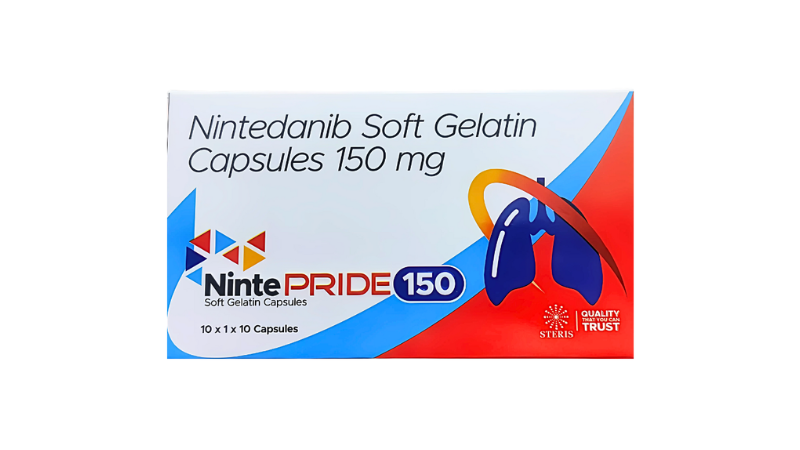
What Are Nintedanib Soft Gelatin Capsules Used For? Complete Guide
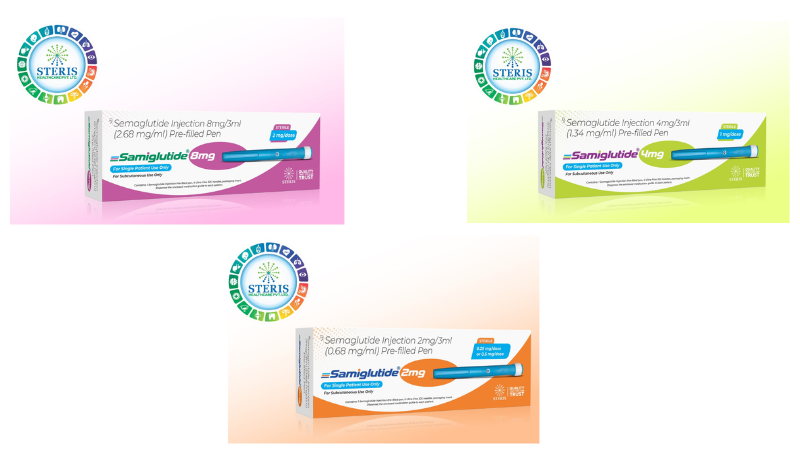
Where to Buy Semaglutide Injection in India: Price, Pen & Prescription Guide
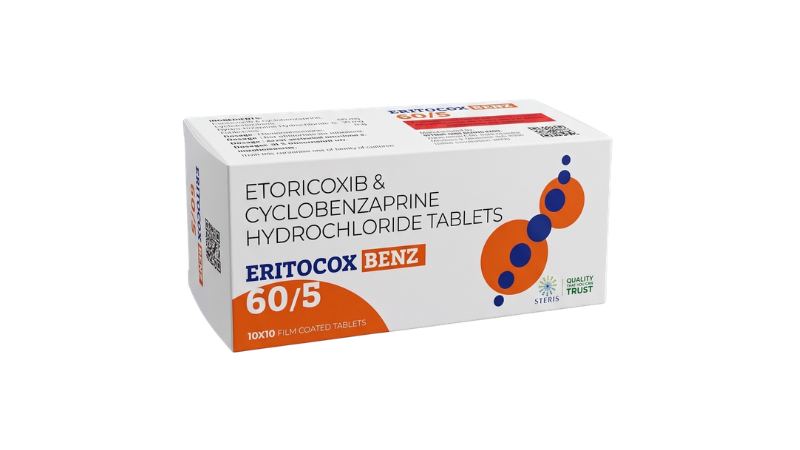
ERITOCOX BENZ 60/5 Dosage Guide: How to Take Etoricoxib & Cyclobenzaprine Tablets Safely
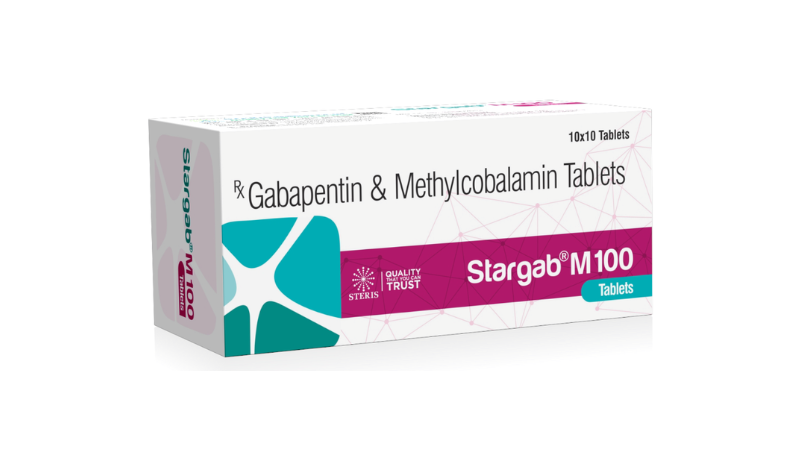
Gabapentin and Methylcobalamin Tablets Side Effects: What Patients Should Know
Thyroxine sodium tablets IP: उपयोग, फायदे और साइड इफेक्ट्स

