


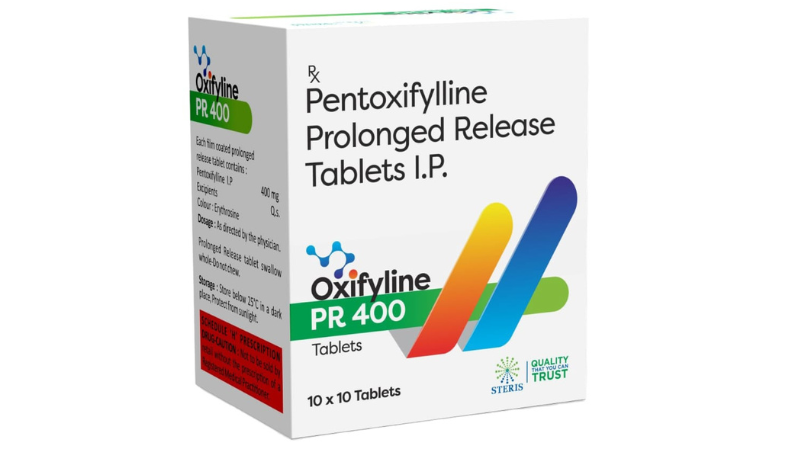



OXIFYLINE PR 400 : Improve Circulation with Pentoxifylline
May 23, 2024
1) What is OXIFYLINE PR 400?
OXIFYLINE PR 400 is a prolonged‑release (PR) tablet containing pentoxifylline 400 mg as the active ingredient.
Pentoxifylline is a medicine used mainly to help symptoms caused by poor blood flow in the legs, especially intermittent claudication (leg pain/cramping while walking that improves with rest) associated with peripheral arterial disease (PAD). Official labeling describes pentoxifylline ER as indicated for intermittent claudication.
What “PR” means
“PR” (Prolonged Release) means the tablet is designed to release medicine slowly over time. That is why PR tablets usually must be swallowed whole and not crushed or chewed (more on this below). ER/PR formulations help maintain steadier blood levels and may reduce peak-related side effects.
2) Composition (Active ingredient)
- Active ingredient: Pentoxifylline 400 mg (Prolonged‑Release)
- Other ingredients (excipients): Vary by manufacturer and batch. Check your product pack insert for the exact list.
If you want to print a simple label line for your website/product page, a standard format is:
Brand Name: OXIFYLINE PR 400
Composition: Each prolonged‑release tablet contains Pentoxifylline 400 mg (excipients q.s.)
(Only use excipients if you have the verified pack insert—don’t guess them.)
3) How pentoxifylline works (Mechanism of action)
Pentoxifylline is often described as a hemorheologic agent—it improves the “flow properties” of blood. In simple terms:
- It can make red blood cells more flexible, helping them move through narrowed blood vessels.
- It can reduce blood viscosity (thickness), which can improve microcirculation.
- It has mild effects on platelets and inflammatory pathways, which may contribute to better circulation in some patients.
The overall goal is to improve blood flow to leg muscles, which may reduce walking pain in PAD and improve walking distance in some people. These effects and indications are reflected in standard drug labeling and references.
4) What OXIFYLINE PR 400 is used for
Main approved/primary use
Intermittent claudication due to chronic occlusive arterial disease (PAD)—to improve symptoms such as cramping leg pain during walking and to improve walking distance in some patients.
What it is NOT meant for
- Not a painkiller for sudden/acute leg pain.
- Not a “blood clot dissolver.” It does not replace anticoagulants/thrombolytics when those are needed.
- Not a substitute for PAD cornerstone care (smoking cessation, supervised exercise therapy, control of diabetes/BP/lipids, antiplatelet therapy when indicated).
Pentoxifylline may help symptoms for some patients, but results can be modest and variable—and lifestyle and cardiovascular risk control remain essential.
5) Who may benefit most?
People who typically may be considered for pentoxifylline include:
- Adults diagnosed with PAD and intermittent claudication
- Patients who still have walking limitation despite lifestyle changes and standard PAD management
- Those who cannot tolerate certain alternatives or when a clinician judges it appropriate
Your clinician may assess:
- Severity of PAD symptoms
- Walking distance limitation
- Blood pressure, diabetes control, lipid profile
- Smoking status
- Bleeding risk and other medications
6) Dosage and how to take OXIFYLINE PR 400
Typical adult dosing (general labeling pattern)
A commonly referenced regimen for pentoxifylline extended‑release 400 mg is 400 mg three times daily with meals. Some patients who cannot tolerate the full regimen may be reduced (for example, to twice daily) depending on clinician judgment.
Because OXIFYLINE PR 400 is a PR tablet, dosing should follow your prescriber’s directions and the product insert.
How to take it correctly
- Take with meals (food may reduce stomach upset).
- Swallow the tablet whole with water.
- Do not crush, chew, or split a prolonged‑release tablet unless your pack insert specifically says it is allowed (most PR/ER tablets are not meant to be altered).
- Take it at the same times daily to maintain steady effect.
If you miss a dose
- Take it when you remember.
- If it is close to your next dose, skip the missed dose.
- Do not double dose to “catch up.”
(If missed doses happen often, ask your clinician for a schedule you can stick to.)
How long until you notice improvement?
Improvement in claudication symptoms may take several weeks. Some people feel benefit earlier, some later, and some may not notice much change. If there is no meaningful benefit after an adequate trial, clinicians may reassess therapy and overall PAD management.
7) Side effects of OXIFYLINE PR 400
Side effects vary person to person. Many are mild and improve after the first days/weeks, but serious reactions can occur.
Common side effects (often reported)
- Nausea, vomiting
- Indigestion, stomach discomfort, bloating
- Headache
- Dizziness
- Flushing (warmth/redness)
These types of effects are consistent with labeling patterns for pentoxifylline ER products.
Less common but important to watch
- Chest discomfort, palpitations
- Severe dizziness or fainting
- Allergic reactions (rash, swelling, breathing difficulty)
Signs of bleeding (seek urgent medical help)
Pentoxifylline may increase bleeding risk, especially in combination with other medicines that affect bleeding. Seek medical care urgently if you notice:
- Black/tarry stools or blood in stools
- Vomiting blood or “coffee‑ground” vomit
- Unusual bruising, nosebleeds that don’t stop
- Blood in urine
- Sudden severe headache, weakness, vision changes (possible serious bleeding event)
Bleeding warnings and contraindications are part of pentoxifylline labeling.
8) Warnings and precautions
Do NOT use (contraindications – commonly listed)
Pentoxifylline ER labeling includes contraindication in patients with:
- Recent cerebral hemorrhage
- Recent retinal hemorrhage
- Hypersensitivity to pentoxifylline or other methylxanthines (class-related, e.g., caffeine/theophylline)
Use with extra caution if you have
- A history of bleeding disorders, stomach/intestinal ulcers, or recent surgery
- Severe coronary artery disease or serious rhythm disorders (monitoring may be needed)
- Low blood pressure or you take multiple BP-lowering medicines
- Kidney or liver impairment (dose adjustments may be required; clinicians often start more cautiously)
9) Drug interactions: what to tell your doctor
Always share a complete list of medicines and supplements. Interactions are especially important for bleeding risk.
Medicines that can increase bleeding risk
- Anticoagulants (e.g., warfarin and others)
- Antiplatelet drugs (e.g., aspirin, clopidogrel)
- NSAIDs (e.g., ibuprofen, diclofenac)
Combination does not always mean “never,” but it may require monitoring and risk–benefit assessment. Labeling discusses bleeding risk and monitoring considerations.
Other notable interactions (examples from labeling/known references)
- Theophylline: pentoxifylline may increase theophylline levels/effects in some cases, requiring monitoring.
- Cimetidine: may increase pentoxifylline levels and side effects in some patients.
If you’re on diabetes medicines or antihypertensives, your clinician may also watch for changes in tolerance and overall response (especially if you feel dizzy, weak, or unusually unwell).
10) Use in special populations
Pregnancy
Pentoxifylline use in pregnancy should be only if clearly needed and prescribed, based on clinician judgment and available safety information. Check your local prescribing information.
Breastfeeding
Discuss risks/benefits with your clinician. Decisions depend on maternal need and infant considerations.
Elderly
Older adults may be more sensitive to dizziness, low BP, and interactions due to multiple medicines and comorbidities.
Kidney and liver disease
Impaired clearance can increase exposure and side effects; clinicians may adjust dose and monitor more closely.
11) Practical patient counseling: how to get the best results in PAD
Medicines work best when combined with proven PAD strategies:
1) Supervised walking/exercise program
Walking exercise is one of the most effective non-drug ways to improve claudication. Many guidelines recommend structured programs because they improve walking distance and symptoms in PAD.
2) Stop smoking (if applicable)
Smoking strongly worsens PAD progression and outcomes. Quitting can significantly help circulation and heart health.
3) Control risk factors
- Blood pressure control
- Diabetes management
- Cholesterol management (statins are commonly used when indicated)
- Healthy weight and diet patterns
4) Foot care (especially in diabetes/PAD)
- Inspect feet daily for cuts/blisters
- Wear proper footwear
- Seek early care for non-healing wounds
Pentoxifylline may provide symptom improvement, but PAD requires full cardiovascular risk management for best long-term outcomes.
12) Storage and handling
- Store at room temperature in a dry place away from direct heat and moisture.
- Keep out of reach of children.
- Do not use after expiry date.
- Keep tablets in original blister/pack until use (helps protect from humidity).
(Always follow your pack label specifics.)
13) Frequently asked questions (FAQs)
Q1. Is OXIFYLINE PR 400 a blood thinner?
It is not a classic “blood thinner” like warfarin. It improves blood flow properties and can affect bleeding risk in some situations, especially with other blood-thinning medicines.
Q2. Can I take it on an empty stomach?
It’s commonly recommended with meals to reduce stomach upset.
Q3. Can I break or crush the PR tablet?
Usually no—PR/ER tablets are generally designed to be swallowed whole to keep the slow-release effect. Check your specific pack insert and follow prescriber advice.
Q4. What if I don’t feel improvement?
Benefit can take weeks, and not everyone responds. If symptoms persist, your clinician may reassess diagnosis severity, exercise plan, and other PAD treatments.
Q5. Does it cure PAD?
No. It may help symptoms, but PAD is a chronic vascular condition. Risk-factor control and lifestyle measures remain essential.
If You Want To Purchase The Product Click Here.
From quality and niche products STERIS HEALTHCARE PVT LTD grow rapidly in all segments. STERIS HEALTHCARE products range covers almost every cadre of requirement in today's Medical scenario, widely prescribed under categories like Cardiology, Asthama, Respiratory, Nasal, Diabetic, Endocrinology, Cardiology, Gastrology, Orthopaedic, Anti-infective/antibiotic, General, Urology, Neurology, Nephrology, Oncology, Gynaecology, Pediatric, Dental & Derma range of Products. We have been around for more than 8 years. However, within a short span of time STERIS HEALTHCARE has increase his product range from 0 to 1800+ in Seven years. STERIS is careful to balance growth with the unshakable quality assurance systems for which the company is now recognized, the founders were quickly able to broaden their footprint in the market, increasing access to high-quality Healthcare for people across the globe, at every stage of life.

Recent Post
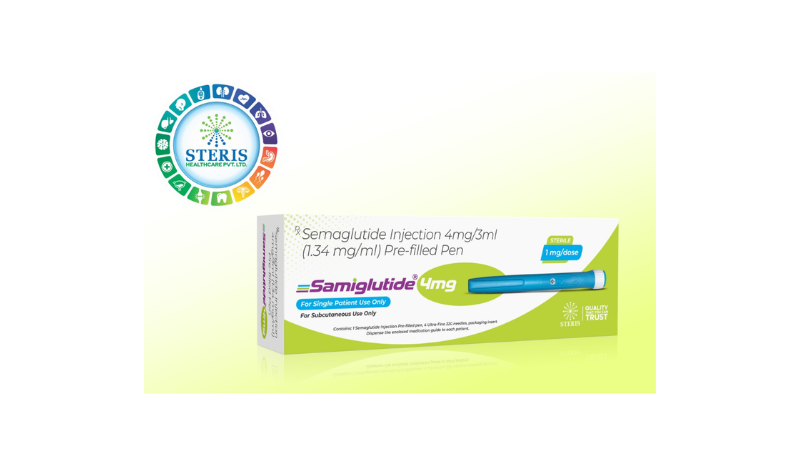
Semaglutide 4mg vs Pancreatitis Risk: What Doctors Want You to Know
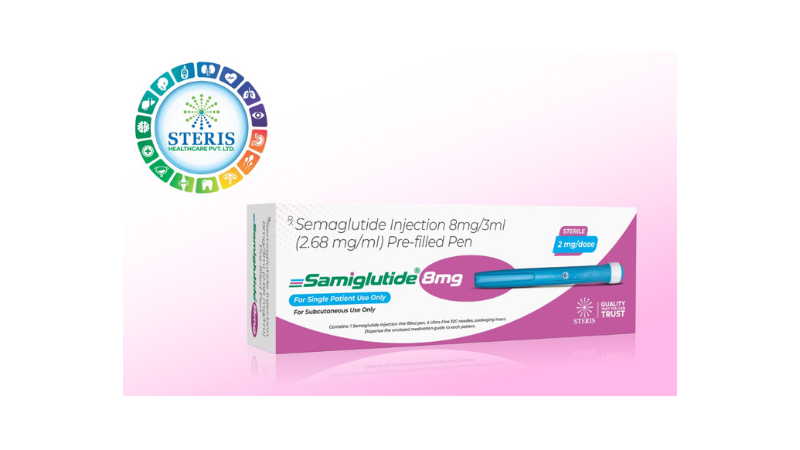
Semaglutide 8mg Injection: Frequently Asked Questions Answered by Experts
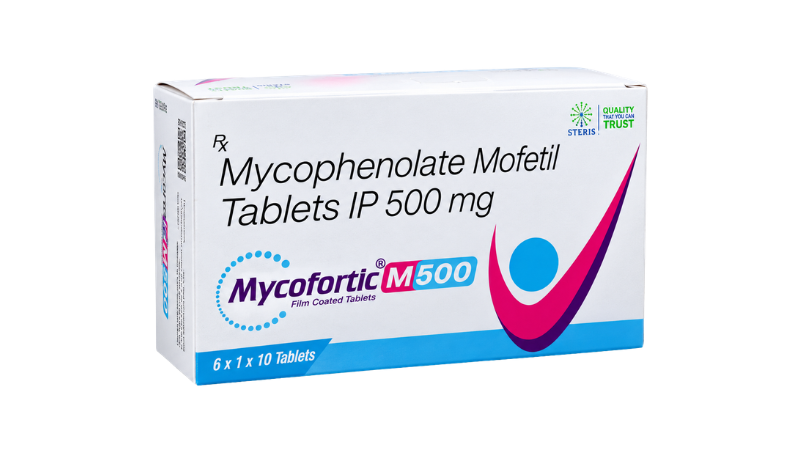
Mycophenolate Mofetil 500mg (Mycofortic M 500): Uses, Benefits & Precautions – Complete Guide
What is Bisogard 1.25? Bisoprolol 1.25mg Uses, Dosage & Side Effects Explained

Can Semaglutide Injection Be Used Without Diabetes?

What Are Nintedanib Soft Gelatin Capsules Used For? Complete Guide

Where to Buy Semaglutide Injection in India: Price, Pen & Prescription Guide
ERITOCOX BENZ 60/5 Dosage Guide: How to Take Etoricoxib & Cyclobenzaprine Tablets Safely

Gabapentin and Methylcobalamin Tablets Side Effects: What Patients Should Know
Thyroxine sodium tablets IP: उपयोग, फायदे और साइड इफेक्ट्स