


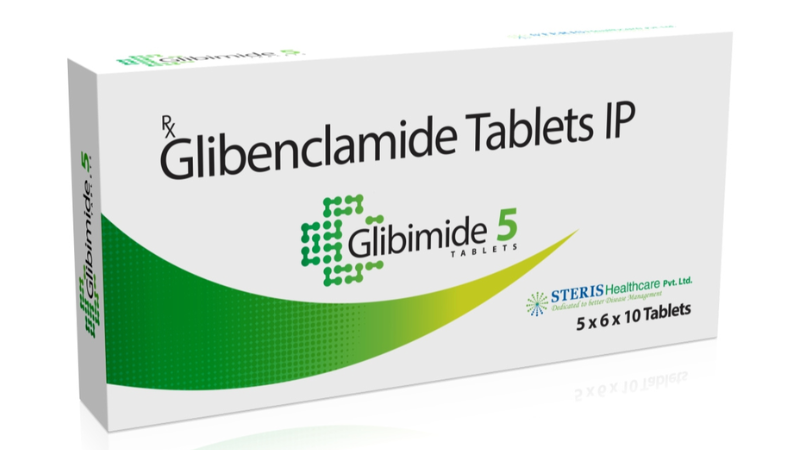



Glibenclamide 5 mg
Jul 04, 2022
Glibenclamide 5mg is a medicine that helps treat Type 2 Diabetes Mellitus in adults through oral administration. It falls under the category of sulfonylureas, a class of medicines known for their capability to enhance insulin release from the pancreas, thus controlling blood glucose level.
GLIBIMIDE 5 is a medication supplied by Steris Healthcare that comprises of 5mg of Glibenclamide as the active pharmaceutical ingredient (API). GLIBIMIDE 5 is highly sought after across the globe owing to its high efficacy and economical nature.Glibenclamide 5mg is a tablet that helps regulate blood sugar level in adults diagnosed with Type 2 Diabetes. It is administered orally once or twice daily 30 minutes prior to mealtime.
What Is Glibenclamide Drug? Understanding the Molecule
Glibenclamide (also known internationally as Glyburide) is a second-generation sulfonylurea drug. It was first approved in the 1960s and has remained a cornerstone of Type 2 diabetes management for decades due to its proven track record.
Chemically, glibenclamide binds to ATP-sensitive potassium channels (K-ATP channels) on the surface of pancreatic beta cells. This binding triggers a series of cellular events that ultimately cause insulin to be released into the bloodstream.
Key facts about Glibenclamide as a drug:
- Class: Sulfonylurea (second generation)
- Route of Administration: Oral
- Dosage Form: Tablet (2.5mg, 5mg)
- Half-life: Approximately 10 hours
- Metabolism: Primarily hepatic (liver)
- Excretion: Biliary and renal
What Class of Drug Is Glibenclamide?
Glibenclamide is a second-generation sulfonylurea drug. Sulfonylureas work by stimulating pancreatic beta cells to secrete more insulin. This class of drugs is commonly prescribed for adults with Type 2 Diabetes who cannot control blood sugar with diet and lifestyle changes alone.
Other drugs in the same sulfonylurea class include glipizide, glimepiride, and gliclazide. However, glibenclamide remains one of the most prescribed due to its affordability and availability — including through trusted brands like GLIBIMIDE 5 by Steris Healthcare.
What Is Glibenclamide 5mg Used For?
Primary Indication
Glibenclamide 5mg tablets are primarily used for the management of Type 2 Diabetes Mellitus in adults when diet control and exercise alone are insufficient to maintain target blood glucose levels.
Glibenclamide 5mg Uses — Complete List
| Condition | Use |
|---|---|
| Type 2 Diabetes Mellitus | Primary and most common use |
| Adjunct to Metformin | Combined therapy for better glucose control |
| Patients with inadequate dietary response | When lifestyle changes alone are not enough |
| Elderly patients with mild-to-moderate diabetes | As a monotherapy option |
Important Note: Glibenclamide is not used for Type 1 Diabetes (insulin-dependent diabetes) or diabetic ketoacidosis. Always consult your physician before starting GLIBIMIDE 5.
How Does Glibenclamide Work?
Understanding the mechanism of action helps patients trust why their doctor has prescribed GLIBIMIDE 5.
Step-by-Step Mechanism:
- When you eat food, blood sugar (glucose) rises.
- Glibenclamide binds to a protein called SUR1 (sulfonylurea receptor 1) on the surface of pancreatic beta cells.
- This binding closes K-ATP channels in the beta cell membrane.
- Closure of these channels causes the cell membrane to depolarize.
- Depolarization opens voltage-gated calcium channels.
- Calcium ions flood the cell, triggering insulin granule release.
- Insulin enters the bloodstream and helps cells absorb glucose, lowering blood sugar levels.
Glibenclamide lowers blood sugar by directly stimulating insulin release from pancreatic beta cells. It does this by blocking ATP-sensitive potassium channels, which triggers a cascade that results in insulin secretion. This mechanism is glucose-independent, meaning it works even in lower glucose conditions — which is why hypoglycemia (low blood sugar) is a possible side effect.
Glibenclamide 5mg Dosage — How Much Should You Take?
Standard Glibenclamide 5mg Dosage Guidelines
| Patient Type | Starting Dose | Maintenance Dose | Maximum Dose |
|---|---|---|---|
| Adults (general) | 2.5–5mg once daily | 5–10mg/day | 20mg/day |
| Elderly patients | 2.5mg once daily | Titrate carefully | Lower doses preferred |
| Renal impairment | Use with caution | Reduced doses | Avoid if severe |
| Hepatic impairment | Use with caution | Reduced doses | Avoid if severe |
GLIBIMIDE 5 (Glibenclamide 5mg) by Steris Healthcare is typically prescribed as:
- Starting dose: 1 tablet (5mg) once daily in the morning
- Maintenance: 1–2 tablets per day as directed by your physician
- Dose adjustment: Every 1–2 weeks based on blood glucose monitoring
Always follow your doctor's specific dosage instructions. Do not self-adjust your GLIBIMIDE 5 dose.
When Should I Take Glibenclamide 5mg?
Timing matters significantly with glibenclamide.You should take Glibenclamide 5mg approximately 30 minutes before your main meal (usually breakfast). This timing allows the drug to stimulate insulin release in sync with the rise in blood sugar that follows eating. Taking it at the same time each day improves effectiveness and reduces the risk of low blood sugar episodes.
Best Time to Take GLIBIMIDE 5:
- Take GLIBIMIDE 5 30 minutes before your main meal, typically breakfast.
- If taking twice daily, take one tablet before breakfast and one before dinner.
- Consistency in timing helps maintain stable blood sugar levels throughout the day.
Can I Take Glibenclamide Before Meals?
Yes — in fact, taking Glibenclamide before meals is the recommended approach. Since glibenclamide triggers insulin release, taking it 15–30 minutes before eating ensures that insulin is being secreted right when food-induced glucose enters your bloodstream.
What happens if you take it after eating? If taken after a meal, the drug's insulin-stimulating effect may lag behind the glucose spike, leading to suboptimal blood sugar control. Worse, if you delay or skip a meal after taking it, you risk hypoglycemia (dangerously low blood sugar).
Best Practice with GLIBIMIDE 5:
- Never take GLIBIMIDE 5 and then skip a meal
- Keep a fast-acting sugar source (glucose tablets, juice) nearby in case of low blood sugar episodes
What Are the Side Effects of Glibenclamide?
Like all medicines, GLIBIMIDE 5 can cause side effects. Being informed helps you act quickly if problems arise.
Common Side Effects
- Hypoglycemia (low blood sugar) — most frequent; symptoms include sweating, shakiness, dizziness, and confusion
- Nausea or upset stomach
- Diarrhea
- Weight gain
Less Common Side Effects
- Skin rash or itching
- Sensitivity to sunlight (photosensitivity)
- Headache
Rare but Serious Side Effects
- Severe hypoglycemia (can be life-threatening)
- Liver enzyme changes (hepatotoxicity — rare)
- Blood disorders (agranulocytosis, thrombocytopenia — very rare)
- Hyponatremia (low sodium levels)
Seek immediate medical attention if you experience: Severe confusion, loss of consciousness, severe sweating, or any signs of a serious allergic reaction (rash, swelling, difficulty breathing).
Steris Healthcare recommends regular blood glucose monitoring and routine check-ups with your doctor while taking GLIBIMIDE 5.
Why Is My Doctor Prescribing Glibenclamide 5mg?
Your doctor has likely prescribed GLIBIMIDE 5 for one or more of these reasons:
- Your blood sugar is not controlled by diet and exercise alone. Type 2 diabetes requires medication when lifestyle changes aren't sufficient.
- You need a proven, affordable oral antidiabetic. Glibenclamide has decades of clinical evidence backing its use.
- Your HbA1c remains elevated. HbA1c is a marker of 3-month average blood sugar. If it's above your target (typically 7%), your doctor may add or switch to glibenclamide.
- You need insulin secretagogue therapy. Some patients respond better to drugs that stimulate insulin production rather than those that improve insulin sensitivity (like Metformin).
- Cost and accessibility. GLIBIMIDE 5 by Steris Healthcare is an affordable, high-quality option available across India, making it a practical prescription choice.
Can Glibenclamide Lower Blood Sugar Too Much?
Yes — this is the most important safety concern with Glibenclamide.
Because glibenclamide stimulates insulin secretion regardless of current blood sugar levels (unlike newer "glucose-dependent" drugs), it can push blood glucose too low. This is called hypoglycemia.
Risk factors for hypoglycemia with GLIBIMIDE 5:
- Skipping or delaying meals after taking the tablet
- Eating less than usual
- Exercising more intensely than normal
- Drinking alcohol
- Taking higher doses than prescribed
- Using other glucose-lowering medicines simultaneously
Signs of hypoglycemia to watch for: Sweating, trembling, rapid heartbeat, dizziness, confusion, pale skin, sudden hunger, blurred vision.
What to do: If you suspect low blood sugar, immediately consume 15g of fast-acting carbohydrates — 4 glucose tablets, ½ cup of fruit juice, or 3–4 teaspoons of sugar dissolved in water.
Inform your doctor if you experience frequent hypoglycemic episodes. Your GLIBIMIDE 5 dose may need adjustment.
What Foods Should I Avoid While Taking Glibenclamide?
Diet plays a critical role in how well GLIBIMIDE 5 works. Certain foods and drinks can interfere with its action or worsen side effects.
Foods and Substances to Limit or Avoid:
1. Alcohol Alcohol can cause unpredictable changes in blood sugar and increase the risk of severe hypoglycemia. It can also mask the symptoms of low blood sugar, making it dangerous.
2. High-Sugar Foods Sugary beverages, sweets, refined carbohydrates, and desserts spike blood glucose, undermining the effect of the medication.
3. High-Glycemic Index (GI) Foods White bread, white rice, potatoes, and processed snacks digest quickly and raise blood sugar rapidly.
4. Grapefruit Some studies suggest grapefruit may interact with the metabolism of certain sulfonylureas.
Foods That Support GLIBIMIDE 5 Treatment:
- High-fiber vegetables (spinach, broccoli, beans)
- Whole grains (brown rice, oats)
- Lean proteins (chicken, fish, lentils)
- Healthy fats (nuts, seeds, olive oil)
- Low-GI fruits (berries, apples, pears)
A balanced, diabetes-friendly diet combined with GLIBIMIDE 5 gives you the best chance of achieving and maintaining healthy blood sugar levels.
Glibenclamide vs Metformin: Which Is Better?
This is among the commonest questions in the management of diabetes. Below is an honest comparison of these two:
Metformin is the drug of choice to be used first in the management of Type 2 Diabetes because this drug does not lead to weight gain or hypoglycemia. When Metformin fails to give satisfactory results, then Glibenclamide 5mg is used alongside it. For most people, using both drugs together works best. There isn't one that is better than the other; everything depends on individual circumstances.
The drug known as GLIBIMIDE 5 by Steris Healthcare is used alongside Metformin for dual oral therapy.
Can I Exercise While Taking Glibenclamide?
Yes — exercise is highly encouraged. Physical activity is a cornerstone of diabetes management and works synergistically with GLIBIMIDE 5 to lower blood sugar.
However, since both exercise and glibenclamide independently lower blood glucose, combining the two without precautions can cause hypoglycemia.
Safe Exercise Guidelines with GLIBIMIDE 5:
- Monitor blood sugar before exercise. If it's below 5.6 mmol/L (100 mg/dL), eat a small snack first.
- Start slowly. Begin with 20–30 minutes of moderate activity (walking, cycling, yoga) and build up gradually.
- Stay hydrated. Dehydration can affect blood sugar levels.
- Carry a fast-acting glucose source (glucose tablets or juice) during exercise.
- Avoid exercising on an empty stomach after taking your GLIBIMIDE 5 tablet.
- Inform your doctor about your exercise routine so your dose can be adjusted if needed.
Regular exercise combined with GLIBIMIDE 5 (Glibenclamide 5mg) by Steris Healthcare can significantly improve your HbA1c, reduce cardiovascular risk, and improve overall quality of life.
Glibenclamide 5mg Tablet Price in India
GLIBIMIDE 5 by Steris Healthcare is positioned as a cost-effective, high-quality antidiabetic option for Indian patients.
| Pack Size | Approximate Price Range |
|---|---|
| 10 tablets (strip) | ₹12 – ₹25 |
| 30 tablets (box) | ₹35 – ₹70 |
| 100 tablets | ₹100 – ₹200 |
Prices may vary by region, pharmacy, and applicable government drug pricing regulations under DPCO (Drug Price Control Order). GLIBIMIDE 5 by Steris Healthcare adheres to all NPPA pricing guidelines.
Steris Healthcare ensures that GLIBIMIDE 5 is available across retail pharmacies, hospital pharmacies, and institutional channels at transparent and affordable pricing, making quality diabetes care accessible to all.
Benefits of GLIBIMIDE 5 (Glibenclamide 5mg) by Steris Healthcare
Here are the core clinical and practical benefits of choosing GLIBIMIDE 5:
1. Proven Blood Sugar Control Decades of global clinical data confirm glibenclamide's efficacy in reducing fasting and postprandial blood glucose.
2. Lowers HbA1c Effectively Studies show glibenclamide can reduce HbA1c by 1–2 percentage points, a clinically meaningful reduction.
3. Affordable & Accessible Steris Healthcare manufactures GLIBIMIDE 5 to be budget-friendly, ensuring no patient has to compromise on diabetes care due to cost.
4. Easy Once-Daily Dosing Simple morning dosing improves medication adherence, which is critical in long-term diabetes management.
5. Well-Established Safety Profile As a decades-old molecule, its risks are well understood and manageable with proper monitoring.
6. Complements Lifestyle Changes Works best alongside a balanced diet and regular exercise, reinforcing healthy habits.
7. Manufactured Under GMP Standards Steris Healthcare follows strict Good Manufacturing Practice (GMP) protocols, ensuring every GLIBIMIDE 5 tablet meets the highest quality standards.
Who Should NOT Take Glibenclamide 5mg?
Glibenclamide is not suitable for everyone. Contraindications include:
- Type 1 Diabetes Mellitus (insulin-dependent)
- Diabetic ketoacidosis
- Severe kidney disease (eGFR < 30 mL/min)
- Severe liver disease
- Pregnancy (insulin is preferred during pregnancy)
- Breastfeeding (glibenclamide may pass into breast milk)
- Allergy to sulfonylureas or sulfonamides
- Porphyria (a rare metabolic disorder)
Always inform your doctor about all your current medicines, medical history, and any known allergies before starting GLIBIMIDE 5.
Conclusion — Why GLIBIMIDE 5 by Steris Healthcare Is a Trusted Choice
Effective management of Type 2 Diabetes is possible through proper medication, a balanced diet, exercise, and medical consultations. GLIBIMIDE 5 (Glibenclamide 5mg) from Steris Healthcare brings together all the clinical advantages of a proven antidiabetic drug in one effective capsule.
Whether you are newly diagnosed or looking for a cost-effective maintenance therapy, GLIBIMIDE 5 offers:
- Reliable blood sugar control backed by decades of evidence
- Affordable pricing that makes daily diabetes management sustainable
- GMP-certified manufacturing from Steris Healthcare's trusted production facilities
- Simple dosing that fits into your daily routine without complexity
Faqs About GLIBIMIDE 5
Q: Is glibenclamide safe for long-term use?
Glibenclamide 5mg can be used long-term under medical supervision. Regular monitoring of blood glucose, kidney function, and liver enzymes is recommended for patients on long-term therapy. Studies show it remains effective over extended periods when combined with lifestyle management.
Q: Can I take glibenclamide with other diabetes medicines?
Yes, glibenclamide is commonly used in combination with Metformin, DPP-4 inhibitors, or insulin under a doctor's guidance. However, combining multiple glucose-lowering agents increases hypoglycemia risk and requires careful dose monitoring.
Q: What is the difference between glibenclamide 5mg and glibenclamide 2.5mg?
Glibenclamide is available in 2.5mg and 5mg strengths. Patients are often started on 2.5mg to minimize hypoglycemia risk and titrated up to 5mg based on blood sugar response. GLIBIMIDE 5 (5mg) is the standard maintenance dose for most adult diabetic patients.
Q: How quickly does glibenclamide work?
Glibenclamide begins working within 1 hour of ingestion, with peak insulin-stimulating effects occurring at around 2–4 hours. Blood sugar lowering effects are typically seen within the first few days of treatment, with maximum benefit achieved after several weeks of consistent use.
Q: Can glibenclamide be used in elderly patients?
Glibenclamide should be used with caution in elderly patients due to higher hypoglycemia risk. Starting at a lower dose (2.5mg) and careful blood glucose monitoring is recommended. In some elderly patients, shorter-acting sulfonylureas like glipizide may be preferred.
Q: Does glibenclamide cause weight gain?
Glibenclamide can cause modest weight gain in some patients, as increased insulin levels promote glucose storage as fat. This is usually manageable with dietary adjustments and regular exercise. Discuss with your doctor if weight gain is a concern.
About Steris Healthcare Steris Healthcare is a committed pharmaceutical company dedicated to manufacturing high-quality, affordable medicines for chronic disease management across India. Our portfolio covers cardiovascular, antidiabetic, and other therapeutic segments, with every product manufactured to the highest regulatory and quality standards.
For healthcare professional or trade enquiries, contact Steris Healthcare through your regional medical representative.
Recent Post
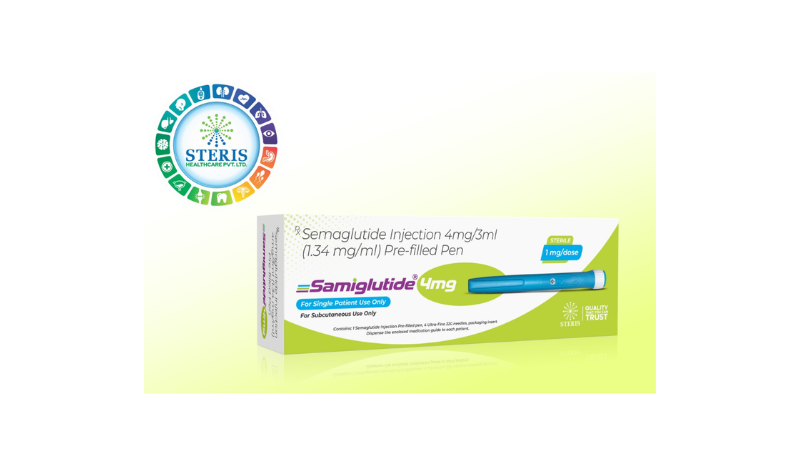
Semaglutide 4mg vs Pancreatitis Risk: What Doctors Want You to Know
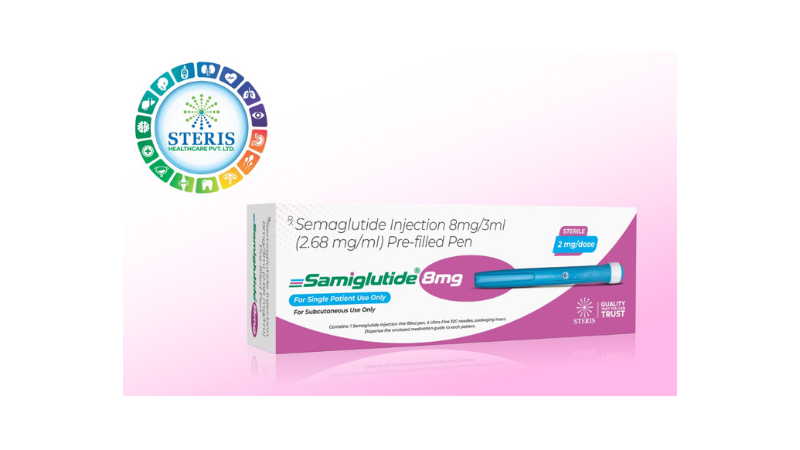
Semaglutide 8mg Injection: Frequently Asked Questions Answered by Experts
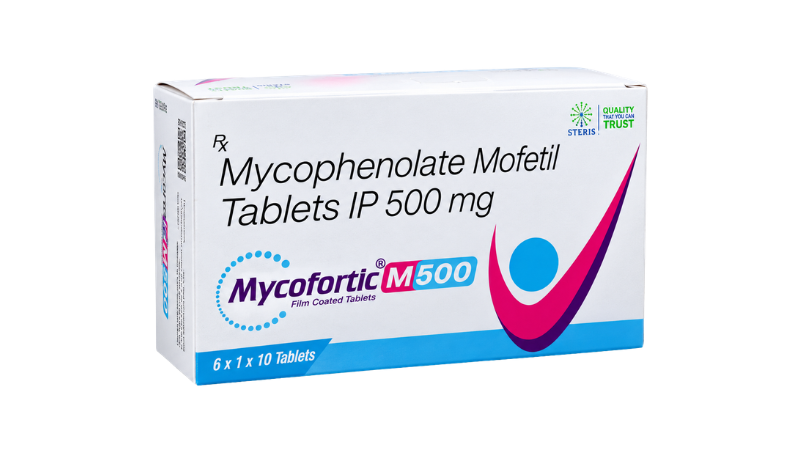
Mycophenolate Mofetil 500mg (Mycofortic M 500): Uses, Benefits & Precautions – Complete Guide
What is Bisogard 1.25? Bisoprolol 1.25mg Uses, Dosage & Side Effects Explained
Can Semaglutide Injection Be Used Without Diabetes?
What Are Nintedanib Soft Gelatin Capsules Used For? Complete Guide
Where to Buy Semaglutide Injection in India: Price, Pen & Prescription Guide
ERITOCOX BENZ 60/5 Dosage Guide: How to Take Etoricoxib & Cyclobenzaprine Tablets Safely
Gabapentin and Methylcobalamin Tablets Side Effects: What Patients Should Know
Thyroxine sodium tablets IP: उपयोग, फायदे और साइड इफेक्ट्स