


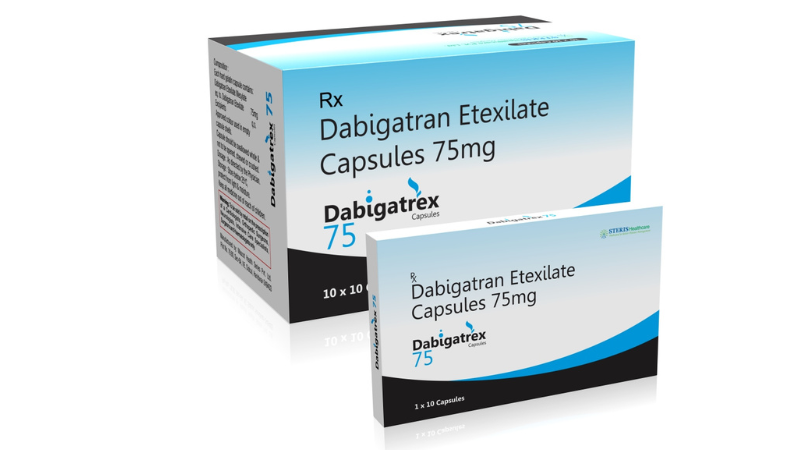



Dabigatran Etexilate 75mg (Dabigatrex 75): Uses, Dosage, Side Effects
Jul 02, 2024
DABIGATREX 75 contains Dabigatran Etexilate 75 mg, an oral anticoagulant (blood thinner) belonging to the class of Direct Thrombin Inhibitors (DTI). It is widely used for the prevention and treatment of blood clots, including deep vein thrombosis (DVT), pulmonary embolism (PE), and clot-related complications in patients with non-valvular atrial fibrillation. Dabigatran is preferred for its predictable action, minimal food interactions, and ease of use without routine INR monitoring.
This detailed guide explains everything a patient or caregiver needs to know about DABIGATREX 75—from how it works, important safety warnings, proper usage, drug interactions, precautions, and potential side effects. The content is structured to support SEO and provide trustworthy, patient-friendly information.
1. Description of DABIGATREX 75 (Dabigatran Etexilate 75 mg)
DABIGATREX 75 is formulated with Dabigatran Etexilate 75 mg, a prodrug that gets converted in the body to Dabigatran, a potent anticoagulant. It works by directly inhibiting thrombin, the key enzyme responsible for blood clot formation. By blocking thrombin, Dabigatran prevents the conversion of fibrinogen to fibrin, which is essential for clot stabilization.
Key Features
-
Class: Direct Thrombin Inhibitor (DTI)
-
Strength: 75 mg
-
Dosage Form: Capsule
-
Primary Uses:
-
Prevention of stroke in non-valvular atrial fibrillation
-
Treatment and prevention of DVT & PE
-
Prevention of clot formation post orthopedic surgery
-
-
Mechanism: Selectively inhibits thrombin (Factor IIa)
Why Dabigatran is Recommended
-
Predictable effect allows fixed dosing
-
No need for regular INR monitoring like warfarin
-
Fast onset of action (within 1–2 hours)
-
Lower chances of food interactions
2. Before Using DABIGATREX 75
Before starting DABIGATREX 75, it is essential to share complete medical history and medication details with your healthcare provider.
Inform Your Doctor If You Have:
-
A history of bleeding disorders
-
Kidney disease (mild to severe)
-
Liver disease
-
Heart valve problems
-
Recent major surgery
-
Ulcers in the stomach or intestines
-
Stroke or hemorrhage
-
Artificial heart valves (Dabigatran is not recommended here)
-
Low platelet count
-
Recent trauma or injury
-
Alcohol dependence
Doctors may adjust the dose or recommend alternative therapy based on your condition.
3. Allergies
Tell your doctor if you have experienced:
-
Allergic reactions to Dabigatran or related anticoagulants
-
Rash, itching, hives, or swelling after taking blood thinners
-
Difficulty breathing or severe dizziness after medication
Signs of serious allergic reaction:
-
Swelling of lips, tongue, or throat
-
Trouble breathing
-
Skin blistering
-
Severe rash
Seek immediate medical attention if these appear.
4. Pediatric Use
Dabigatran Etexilate is generally not recommended in children, unless specifically prescribed by a specialist. Safety and dosage adjustments vary based on age and weight, so pediatric usage should only occur under strict medical supervision.
5. Geriatric Use (Elderly Patients)
Older adults (above 65 years) may have an increased risk of:
-
Bleeding
-
Kidney function decline
-
Drug accumulation
For geriatric patients, doctors often:
-
Monitor kidney function regularly
-
Adjust dosing if necessary
-
Review other medications that may increase bleeding risk
DABIGATREX 75 is often prescribed as a lower-strength option for elderly patients with decreased kidney function.
6. Breastfeeding
Dabigatran may pass into breast milk, although data is limited. Breastfeeding mothers should consult with their doctor to weigh the benefits and risks. If breastfeeding continues, monitor the infant for:
-
Easy bruising
-
Excessive bleeding
-
Unusual fussiness or poor feeding
7. Drug Interactions
Dabigatran interacts with several medications. Inform your doctor about all prescription medicines, over-the-counter products, and herbal supplements.
Major Drug Interactions
1. Antiplatelet Agents
-
Clopidogrel
-
Aspirin
-
Prasugrel
-
Ticagrelor
These increase the risk of bleeding.
2. Anticoagulants
Avoid combining with:
-
Warfarin
-
Heparin
-
Enoxaparin
Unless the doctor supervises it during therapy transition.
3. NSAIDs
-
Ibuprofen
-
Diclofenac
May cause gastrointestinal bleeding.
4. SSRIs/SNRIs
These antidepressants may increase bleeding risk due to platelet inhibition.
5. Strong P-glycoprotein inhibitors
-
Ketoconazole
-
Amiodarone
-
Verapamil
These may increase Dabigatran levels.
6. Antiarrhythmics
-
Quinidine
Requires careful monitoring.
7. Herbal Medicines
Avoid herbs with blood-thinning properties:
-
Ginkgo Biloba
-
Garlic supplements
-
Ginseng
-
Turmeric
8. Other Interactions
Food Interactions
Dabigatran has minimal food interactions, but capsules should not be crushed or chewed, as this increases drug absorption and bleeding risk.
Alcohol Interaction
Alcohol consumption increases the risk of:
-
Stomach bleeding
-
Drowsiness
-
Liver stress
Limit or avoid alcohol completely.
Diagnostic Interactions
Inform your doctor before surgeries or dental procedures.
9. Other Medical Problems
Use DABIGATREX 75 cautiously if you have:
Kidney Disease
Dabigatran is primarily eliminated via kidneys. Severe impairment increases bleeding risk.
Liver Disease
Severe liver impairment may affect drug metabolism.
Stomach or Intestinal Ulcers
Dramatically increases bleeding risk.
Heart Valve Issues
Not recommended for patients with mechanical heart valves.
Clotting Disorders
Patients with low platelets or hemophilia must avoid.
Recent Surgery
Increases bleeding complications.
10. Proper Use of DABIGATREX 75
How to Take
-
Swallow capsules whole with water
-
Do not crush, chew, or open capsules
-
Take exactly as prescribed
-
Can be taken with or without food
Important Notes
-
Consistency is important—take at the same time daily
-
Do not skip doses
-
Never increase or decrease dose on your own
What Happens if Misused?
Taking more than prescribed can cause:
-
Severe bleeding
-
Low blood pressure
-
Fainting
-
Internal hemorrhage
11. Dosing of DABIGATREX 75
Dosing may vary depending on medical condition, age, kidney function, and other medications.
Common Indications & Dose
1. Stroke Prevention in Atrial Fibrillation
Patients with kidney impairment may be prescribed 75 mg twice daily.
2. DVT & PE Treatment
Dose is individualized; 75 mg may be used in mild kidney impairment or elderly patients.
3. Prevention After Surgery
Lower doses like 75 mg may be selected for high-risk patients.
Dose Adjustments
Doctors may adjust dosage based on:
-
Kidney test results
-
Bleeding risk
-
Age
-
Body weight
-
Concomitant medications
Never change your dose without medical consultation.
12. Missed Dose
If you miss a dose:
-
Take it as soon as you remember
-
If your next dose is due within 6 hours, skip the missed dose
-
Do not take two doses together
-
Resume the regular schedule
13. Storage
Proper storage ensures the medicine remains effective.
Guidelines
-
Store at room temperature (below 25°C)
-
Keep away from moisture and direct sunlight
-
Keep capsules in their original blister packs
-
Keep out of reach of children and pets
Do not use capsules if packaging is damaged or if the expiry date has passed.
14. Precautions for DABIGATREX 75
1. Avoid Sudden Discontinuation
Stopping abruptly increases the risk of blood clots.
2. Monitor for Bleeding
Seek medical attention if you notice:
-
Blood in urine
-
Black, tarry stools
-
Prolonged nosebleeds
-
Coughing blood
-
Easy bruising
3. Kidney Function Testing
Periodic renal tests are essential for long-term users.
4. Pre-Surgery Precaution
Inform surgeons or dentists beforehand.
5. Avoid Injury
Be cautious with:
-
Sharp objects
-
Contact sports
6. Pregnancy
Not recommended unless life-saving; discuss with a doctor.
7. Driving or Operating Machinery
If dizziness occurs, avoid such activities.
15. Side Effects of DABIGATREX 75
Side effects vary from mild to severe. Report anything unusual to your doctor.
Common Side Effects
-
Stomach pain
-
Nausea
-
Heartburn
-
Indigestion
-
Increased menstrual bleeding
-
Bruising
Moderate Side Effects
-
Dizziness
-
Fatigue
-
Headache
-
Swelling in limbs
-
Cough
-
Joint pain
Serious Side Effects (Seek Urgent Medical Help)
1. Severe Bleeding
-
Vomiting blood
-
Blood in stools
-
Heavy uncontrollable bleeding
2. Internal Hemorrhage
-
Severe abdominal pain
-
Low blood pressure
-
Fainting
3. Allergic Reactions
-
Breathing difficulty
-
Swelling
-
Severe rash
4. Liver Problems
-
Yellowing of eyes/skin
-
Dark urine
-
Persistent fatigue
5. Stroke Symptoms
-
Sudden weakness
-
Vision problems
-
Difficulty speaking
Conclusion
DABIGATREX 75 (Dabigatran Etexilate 75 mg) is a reliable and effective anticoagulant for preventing and treating blood clots, especially in high-risk patients such as those with atrial fibrillation or post-surgical complications. Its predictable action, minimal food interactions, and fixed dosing make it a preferred therapy for many individuals requiring long-term clot prevention.
Recent Post

Citrus Bioflavonoids Vitamin C & Calcium Dobesilate Tablets: Complete Guide 2026

What Is Deferasirox 500 mg? A Complete Patient Guide.

Understanding Nilotinib Therapy: 150 mg vs 200 mg Capsule Strengths

Why Choose Vitamin C Chewable Tablets 500 mg for Daily Health?

What Are Dapagliflozin 5mg & Sitagliptin 50mg Tablets Used For?

Managing Severe Allergic Reactions With Triamcinolone Tablets 4 mg

What Is MinoxiHair Forte? Uses, Composition & Benefits Explained

What to Know Before Starting Everolimus 0.5 mg Therapy

Why Doctors Prescribe Atorvastatin 10mg, Aspirin 75mg, and Ramipril 5mg Together

Why Euphorbia Prostrata Extract and Calcium Dobesilate Tablets Are Used in Piles Treatment