





Cilostazol Tablet: Uses, Price, Dosage & Side Effects Explained
Jul 14, 2026
What Is Cilositazone (Cilostazol) For?
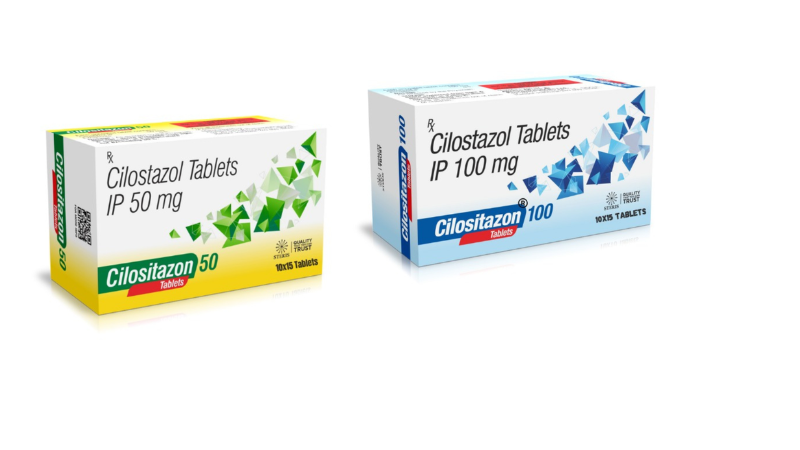
Cilositazone 50 and Cilositazone 100, manufactured by Steris Healthcare, are prescription tablets built around the active ingredient cilostazol — a medicine widely searched under names like tab cilostazol, cilostazol 100 mg tablet, and cilostazol 50 mg tablet uses. If you've been prescribed a cilostazol tablet for leg pain during walking, you're likely dealing with intermittent claudication, a common symptom of peripheral arterial disease (PAD).
In simple terms, cilostazol uses are centered on improving blood flow to the legs so you can walk farther with less cramping, heaviness, or fatigue. Cilositazone tablets don't just numb the discomfort — they work on the actual circulation problem causing it.
Why Its Important
Peripheral arterial disease quietly narrows the arteries feeding your legs, and if it's left unmanaged, everyday activities like walking to the market or climbing stairs can become genuinely painful. This is exactly where cilostazol tablet uses become important — the medicine is one of the few oral options specifically studied and approved to extend walking distance in people with claudication, rather than just addressing pain symptomatically.
Ignoring PAD symptoms isn't a passive choice — reduced circulation over time can affect mobility, independence, and overall cardiovascular health. Starting a cilostazol 100 mg or cilostazol 50 mg regimen, exactly as your doctor prescribes, is often a meaningful step toward staying active and reducing the downstream risks associated with poor limb circulation.
Key Benefits of Cilositazone (Cilostazol)
What Are the Benefits of Cilostazol Tablets?
-
Improved walking distance — Clinical use of cilostazol has consistently been associated with patients being able to walk farther before claudication pain sets in
-
Dual circulatory action — Cilostazol widens blood vessels while also reducing platelet clumping, addressing two contributing factors at once
-
Non-surgical management option — For many patients, cilostazol tablet uses offer a way to manage PAD symptoms without immediately requiring surgical intervention
-
Available in two strengths — Cilositazone 50 and Cilositazone 100 allow physicians to titrate dosage based on individual tolerance and response
-
WHO-GMP quality assurance — Manufactured by Steris Healthcare under WHO-GMP certified conditions for consistent quality
-
Convenient twice-daily dosing — Fits into most patients' daily routines without complex scheduling
Mechanism of Action
Understanding how cilostazol works helps explain why it's specifically chosen for claudication rather than general pain relief:
-
PDE3 Enzyme Inhibition – Cilostazol blocks the phosphodiesterase-3 (PDE3) enzyme, which leads to a build-up of cyclic AMP (cAMP) inside vascular smooth muscle cells and platelets.
-
Vasodilation – The rise in cAMP relaxes smooth muscle in blood vessel walls, widening arteries and improving blood flow to the legs during activity.
-
Antiplatelet Effect – The same cAMP increase reduces platelet aggregation, lowering the tendency of platelets to clump and further restrict circulation.
This combined vasodilatory and antiplatelet mechanism is what separates cilostazol tablet therapy from standard painkillers or single-action antiplatelet drugs — it works upstream on the circulation problem itself, not just the resulting discomfort.
Indications, Efficacy & Clinical Evidence
Cilostazol 100 mg and cilostazol 50 mg are indicated for the treatment of intermittent claudication in patients with peripheral arterial disease who do not have heart failure. Across clinical literature, cilostazol has been studied specifically for its ability to:
-
Increase maximum and pain-free walking distance
-
Support functional mobility improvements over 12–24 week treatment courses
-
Provide an oral, non-invasive therapeutic option alongside lifestyle modification (exercise therapy, smoking cessation)
Physicians typically evaluate patient response over several weeks, since cilostazol tablet uses are not intended for immediate symptom relief but rather progressive improvement in walking tolerance.
Side Effects
Like all prescription medications, cilostazol carries a profile of possible side effects. Most are mild and manageable, though some warrant medical attention.
Common side effects include:
-
Headache
-
Diarrhea or loose motions
-
Dizziness
-
Palpitations
-
Indigestion
-
Mild swelling in the legs or ankles
Serious Side Effects of Cilostazol
-
Worsening shortness of breath, swelling, or fatigue (possible signs of cardiac strain)
-
Unusual or excessive bleeding/bruising
-
Rapid, irregular, or pounding heartbeat
-
Persistent or severe diarrhea
-
Signs of allergic reaction — rash, facial swelling, difficulty breathing
Available Substitute For Cilostazol
|
Alternative Molecule |
Class |
Common Use Case |
|
Pentoxifylline |
Hemorheologic agent |
Alternative for claudication symptom management |
|
Clopidogrel |
P2Y12 Antiplatelet |
Clot prevention (different mechanism, not interchangeable) |
|
Aspirin |
Antiplatelet/NSAID |
Cardiovascular risk reduction (not claudication-specific) |
Dosage Guidelines For Cilositazone (Cilostazol)
|
Parameter |
Guidance |
|
Cilositazone 50 (cilostazol 50 mg tablet) |
Often used for initiation or in patients requiring lower dosing due to interacting medications |
|
Cilositazone 100 (cilostazol 100 mg tablet) |
Standard adult maintenance dose, typically twice daily |
|
Administration |
Take on an empty stomach — 30 minutes before or 2 hours after meals |
|
Onset of Benefit |
2–4 weeks for initial improvement; up to 12 weeks for full effect |
|
Missed Dose |
Take as soon as remembered; skip if close to the next scheduled dose |
|
Duration |
Continue exactly as prescribed; do not self-adjust or discontinue |
Cilostazol dose selection between the 50 mg and 100 mg strength is determined by your physician based on tolerance, concurrent medications, and clinical response — never self-adjust between Cilositazone 50 and Cilositazone 100 without medical guidance.
Precautions & Warnings
-
Contraindicated in patients with heart failure of any severity — this is the single most important warning associated with cilostazol
-
Avoid grapefruit juice, which can interfere with drug metabolism
-
Disclose all current medications to your doctor, including OTC drugs, supplements, and other antiplatelet agents
-
Use caution in patients with a history of bleeding disorders
-
Not recommended in pregnancy or breastfeeding unless specifically advised by a physician
-
Do not stop treatment abruptly without medical consultation
-
Periodic blood pressure and cardiac monitoring may be advised during treatment
Conclusion
Cilositazone 50 and Cilositazone 100, formulated around the active ingredient cilostazol and manufactured by Steris Healthcare, are designed specifically to address intermittent claudication in patients with peripheral arterial disease. Through its dual mechanism of vasodilation and antiplatelet action, cilostazol tablet uses go beyond simple pain relief to target the underlying circulatory limitation — helping patients walk farther and manage daily mobility with greater confidence. As with any Schedule H medication, Cilositazone should only be used under a qualified physician's guidance, with careful attention to the heart failure contraindication, drug interactions, and consistent dosing as prescribed.
Frequently Asked Questions
1. What is cilostazol used for?
Cilostazol is used to treat intermittent claudication — leg pain, cramping, or weakness caused by poor blood circulation in peripheral arterial disease — helping patients walk farther with less discomfort.
2. What is cilostazol 100 mg tablet used for?
Cilostazol 100 mg, available as Cilositazone 100, is the standard adult maintenance dose used to improve walking distance and reduce claudication symptoms in PAD patients.
3. What is cilostazol 50 mg tablet uses?
Cilostazol 50 mg, available as Cilositazone 50, is often used during dose initiation or in patients who require a lower dose due to interacting medications or tolerance considerations.
4. What is the mechanism of action of cilostazol?
Cilostazol inhibits the PDE3 enzyme, increasing cAMP levels in blood vessels and platelets. This causes vasodilation (widened blood vessels) and reduced platelet aggregation, together improving circulation to the legs.
5. What is the recommended cilostazol dose?
The typical adult dose is 100 mg twice daily, taken on an empty stomach, though your doctor may start with 50 mg depending on individual factors and concurrent medications.
6. Is cilostazol a blood thinner?
Cilostazol has mild antiplatelet activity but is not a traditional anticoagulant blood thinner like warfarin or heparin — it works primarily through vasodilation combined with reduced platelet clumping.
7. Is cilostazol the same as aspirin?
No. Cilostazol is a PDE3 inhibitor with vasodilating and antiplatelet action, while aspirin works through COX enzyme inhibition. They serve different roles and are not interchangeable.
8. What drugs should not be taken with cilostazol?
Strong CYP3A4 inhibitors (certain antifungals), macrolide antibiotics like erythromycin, omeprazole, other antiplatelet or anticoagulant drugs, and grapefruit juice should be avoided or used only with medical supervision.
9. What are the common side effects of cilostazol?
Headache, diarrhea, dizziness, palpitations, and mild leg swelling are among the most commonly reported side effects.
10. What are the serious side effects of cilostazol?
Signs of worsening heart function, unusual bleeding, rapid or irregular heartbeat, and severe diarrhea are serious side effects requiring immediate medical attention.
11. Is cilostazol safe for heart patients?
Cilostazol is contraindicated in patients with heart failure of any severity. Patients with other cardiac conditions should only use cilostazol under close physician supervision.
12. How long does cilostazol take to work?
Initial improvement in walking distance may be noticed within 2–4 weeks, with full therapeutic benefit typically seen by 12 weeks of consistent use.
13. Can cilostazol be taken with food?
Cilostazol is best taken on an empty stomach, 30 minutes before or 2 hours after meals, as food can affect how the drug is absorbed.
14. What is cilostazol tablet uses in Hindi context — how is it explained to patients?
In patient counseling, cilostazol tablet uses are typically explained as a medicine that improves blood flow to the legs, reducing pain during walking caused by narrowed arteries (a PAD symptom) — the same explanation applies whether counseling is given in English or Hindi.
15. What happens if a dose of cilostazol is missed?
Take the missed dose as soon as remembered, unless it is close to the next scheduled dose — in that case, skip it and continue the regular schedule. Do not double the dose.
16. Is cilostazol available without a prescription?
No. Cilostazol, including Cilositazone 50 and Cilositazone 100, is a Schedule H medicine and requires a valid doctor's prescription for purchase.
17. What substitutes are available for cilostazol?
Pentoxifylline is sometimes used as an alternative for claudication symptom management, while clopidogrel and aspirin serve different antiplatelet/cardiovascular roles. None should be substituted without physician guidance.
18. Can cilostazol be stopped suddenly?
Cilostazol should not be discontinued abruptly without consulting your doctor, as this may affect symptom control for intermittent claudication.
For Further More Information:
Mail Us: contact@sterispharma.com or info@sterispharma.com
Call Now: +918824175417, +919982524671
Recent Post
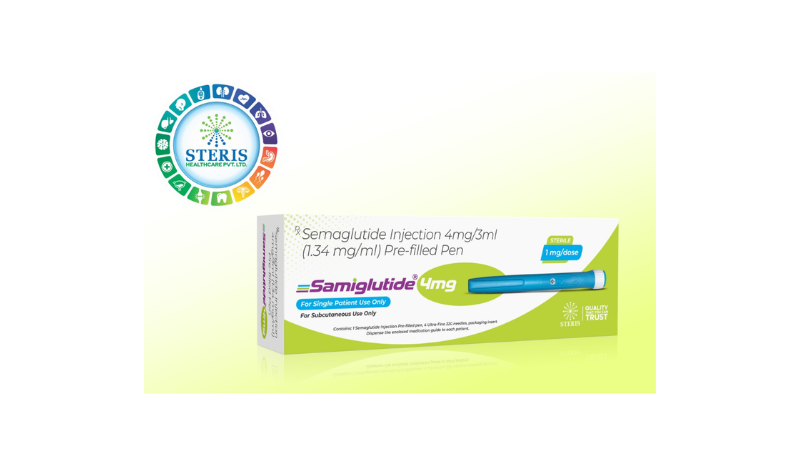
Semaglutide 4mg vs Pancreatitis Risk: What Doctors Want You to Know
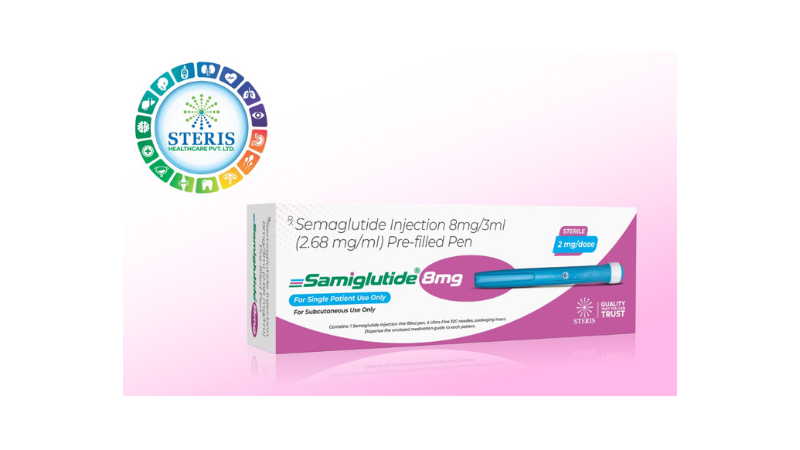
Semaglutide 8mg Injection: Frequently Asked Questions Answered by Experts
Mycophenolate Mofetil 500mg (Mycofortic M 500): Uses, Benefits & Precautions – Complete Guide
What is Bisogard 1.25? Bisoprolol 1.25mg Uses, Dosage & Side Effects Explained

Can Semaglutide Injection Be Used Without Diabetes?
What Are Nintedanib Soft Gelatin Capsules Used For? Complete Guide
Where to Buy Semaglutide Injection in India: Price, Pen & Prescription Guide
ERITOCOX BENZ 60/5 Dosage Guide: How to Take Etoricoxib & Cyclobenzaprine Tablets Safely
Gabapentin and Methylcobalamin Tablets Side Effects: What Patients Should Know
Thyroxine sodium tablets IP: उपयोग, फायदे और साइड इफेक्ट्स

