





Cefuroxime Axetil (500mg) & Potassium clavulanate (125mg) tab
May 01, 2023
We've all experienced that moment—the sore throat that evolves into a burning sensation, the sinus pressure that turns your head into a throbbing drum, or the urinary discomfort that signals an unwelcome invasion. Bacterial infections don't just disrupt your schedule; they drain your energy, compromise your productivity, and can escalate into serious health complications if left untreated. In an era where antibiotic resistance looms large and self-medication runs rampant, choosing the right antimicrobial therapy isn't just about feeling better today—it's about ensuring effective treatment while preserving these life-saving medications for tomorrow.
Enter CUEROX CV 500, a sophisticated antibiotic formulation that represents the gold standard in combination therapy. Containing Cefuroxime Axetil (500mg) and Potassium Clavulanate (125mg), this powerful duo addresses a critical challenge in modern medicine: bacteria that have learned to resist standard treatments. Unlike single-agent antibiotics that bacteria can outsmart through beta-lactamase production, CUEROX CV 500 deploys a two-pronged attack that neutralizes resistant strains while eradicating susceptible pathogens.
In this comprehensive guide, we'll explore everything you need to know about CUEROX CV 500—from the molecular mechanics of its components to practical usage guidelines that maximize therapeutic outcomes. Whether you're a patient seeking to understand your prescription, a caregiver managing a loved one's treatment, or a healthcare professional looking for detailed pharmaceutical insights, this article provides the evidence-based information you need to use this medication safely and effectively.
Understanding the Dynamic Duo: Composition Breakdown
CUEROX CV 500 isn't just another antibiotic; it's a synergistic formulation where each component plays a distinct yet complementary role. To appreciate why this combination works so effectively, we must first understand the individual contributions of Cefuroxime Axetil and Potassium Clavulanate.
Cefuroxime Axetil (500mg): The Second-Generation Powerhouse
Cefuroxime Axetil belongs to the cephalosporin class of antibiotics, specifically the second generation. This classification matters because second-generation cephalosporins offer broader coverage than their first-generation predecessors while maintaining better stability against bacterial degradation than third-generation alternatives used for hospital-acquired infections.
As a prodrug, Cefuroxime Axetil undergoes hydrolysis in the intestinal mucosa and bloodstream, converting to its active form, Cefuroxime. This clever pharmacological design enhances oral bioavailability—meaning your body absorbs and utilizes the medication efficiently when taken by mouth rather than requiring intravenous administration. The 500mg dosage represents the standard therapeutic strength for adult patients, providing sufficient plasma concentrations to combat moderate to severe bacterial infections.
Cefuroxime operates by binding to penicillin-binding proteins (PBPs) located within the bacterial cell wall. This binding inhibits the final transpeptidation step of peptidoglycan synthesis, effectively causing the bacterial cell wall to disintegrate. Without a protective cell wall, bacteria succumb to osmotic pressure and die—a bactericidal action that directly eliminates pathogens rather than merely slowing their growth.
The spectrum of activity covers both Gram-positive organisms like Streptococcus pneumoniae (common in respiratory infections) and Staphylococcus aureus (frequently responsible for skin infections), as well as Gram-negative bacteria including Haemophilus influenzae and Escherichia coli (frequent culprits in urinary tract infections). This broad-spectrum capability makes Cefuroxime invaluable for empiric therapy—treatment initiated before laboratory confirmation of the specific pathogen.
Potassium Clavulanate (125mg): The Beta-Lactamase Shield
If Cefuroxime is the warrior, Potassium Clavulanate is the shield that protects it from enemy defenses. Clavulanate is a beta-lactamase inhibitor—a compound structurally related to penicillins but possessing minimal intrinsic antibacterial activity. Its value lies not in killing bacteria directly, but in neutralizing the enzymes bacteria produce to destroy beta-lactam antibiotics.
Beta-lactamases are enzymes produced by resistant bacteria that cleave the beta-lactam ring—the structural core of cephalosporins and penicillins. Once this ring breaks, the antibiotic becomes inactive. By including 125mg of Potassium Clavulanate in CUEROX CV 500, the formulation extends the efficacy of Cefuroxime against beta-lactamase-producing strains that would otherwise render the treatment ineffective.
Clavulanate irreversibly binds to these enzymes, forming a stable complex that permanently inactivates the beta-lactamase. This "suicide inhibition" ensures that even resistant bacterial strains remain susceptible to Cefuroxime's cell-wall-destroying action. The 4:1 ratio (500mg:125mg) has been clinically optimized to provide sufficient clavulanate to neutralize bacterial defenses without contributing significantly to side effects.
The Mechanism of Synergy: How CUEROX CV 500 Works
The magic of CUEROX CV 500 lies in pharmacological synergy—a concept where two agents combined produce an effect greater than the sum of their individual actions. When you take this medication, here's what happens at the microscopic level:
Phase 1: Neutralization (0-2 hours post-ingestion)
As the tablet disintegrates in your gastrointestinal tract, both components absorb into the bloodstream. Potassium Clavulanate circulates rapidly, seeking out beta-lactamase enzymes produced by resistant bacteria. It binds to these enzymes, effectively disarming the bacterial defense systems before Cefuroxime concentrations peak.
Phase 2: Attack (2-6 hours)
With bacterial defenses neutralized, Cefuroxime reaches optimal plasma concentrations. It penetrates bacterial cell walls, binds to penicillin-binding proteins, and inhibits cell wall synthesis. In Gram-negative bacteria, Cefuroxime also increases cell wall permeability, facilitating its own entry and enhancing the uptake of other immune factors.
Phase 3: Eradication (6-24 hours)
Deprived of structural integrity, bacterial cells undergo lysis—breaking apart and releasing their contents. Your immune system then clears these cellular debris and remaining pathogens. Unlike bacteriostatic antibiotics that merely arrest bacterial growth, CUEROX CV 500's bactericidal action reduces bacterial load rapidly, often resulting in symptomatic improvement within 24-48 hours.
This synergy is particularly crucial for treating polymicrobial infections—those involving multiple bacterial species simultaneously—where some organisms might produce beta-lactamase while others don't. The combination ensures comprehensive coverage regardless of the resistance mechanisms present.
Clinical Indications: When Doctors Prescribe CUEROX CV 500
Understanding when CUEROX CV 500 is appropriate helps patients recognize legitimate prescriptions and avoid inappropriate use that contributes to antibiotic resistance. This medication is indicated for treating susceptible bacterial infections across multiple body systems:
Respiratory Tract Infections
Acute Bacterial Sinusitis: When that "cold" persists beyond 10 days or worsens after initial improvement, bacterial sinusitis often develops. CUEROX CV 500 penetrates sinus tissues effectively, achieving concentrations sufficient to eradicate Streptococcus pneumoniae and Haemophilus influenzae—the primary pathogens responsible for this painful condition.
Acute Otitis Media: Middle ear infections in children and adults respond well to this combination, particularly when caused by beta-lactamase-producing organisms. The formulation's activity against Moraxella catarrhalis—a common culprit in persistent ear infections—makes it superior to amoxicillin alone in regions with high resistance rates.
Pharyngitis and Tonsillitis: Streptococcal throat infections, including those caused by Group A beta-hemolytic streptococci, respond effectively. The addition of Clavulanate ensures coverage against beta-lactamase-producing organisms that often colonize the oropharynx.
Lower Respiratory Infections: Acute bacterial exacerbations of chronic bronchitis and community-acquired pneumonia benefit from this combination's coverage of typical respiratory pathogens, including Streptococcus pneumoniae and Klebsiella pneumoniae.
Urinary Tract Infections (UTIs)
Uncomplicated UTIs caused by Escherichia coli, Klebsiella species, and *Proteus mirabilis respond well to CUEROX CV 500. The high urinary concentrations achieved by Cefuroxime ensure effective bacterial eradication in the bladder and urethra. This makes it particularly valuable for cystitis (bladder infections) and pyelonephritis (kidney infections) caused by susceptible organisms.
Skin and Soft Tissue Infections
Cellulitis, abscesses, and wound infections caused by Staphylococcus aureus (including some methicillin-sensitive strains) and Streptococcus pyogenes respond to treatment. The combination's activity against beta-lactamase-producing staphylococci provides an advantage over plain Cefuroxime for skin infections where these resistant organisms predominate.
Other Infections
CUEROX CV 500 also treats gonorrhea (uncomplicated cervical and urethral infections caused by Neisseria gonorrhoeae), Lyme disease (early stages), and impetigo. Its broad spectrum makes it valuable for empiric therapy when the exact causative organism hasn't been identified but the clinical presentation suggests susceptible bacteria.
Dosage Guidelines: Optimizing Therapeutic Outcomes
Proper dosing ensures CUEROX CV 500 works effectively while minimizing side effects. Always follow your physician's specific instructions, as dosing may vary based on infection severity, patient age, and renal function.
Standard Adult Dosage
For most infections, the typical regimen involves one tablet of CUEROX CV 500 twice daily (every 12 hours) for 7-10 days. This 12-hour interval maintains therapeutic drug levels in the bloodstream, ensuring continuous bacterial suppression.
Specific Duration Guidelines:
- Uncomplicated UTIs: 7-10 days
- Sinusitis: 10 days
- Skin infections: 7-10 days
- Lower respiratory infections: 10-14 days
- Lyme disease: 20 days
Important: Even if symptoms resolve within 2-3 days, completing the full prescribed course is essential. Premature discontinuation allows surviving bacteria to multiply, potentially creating a more resistant infection that requires stronger antibiotics later.
Administration Tips
With Food: Unlike some antibiotics that must be taken on an empty stomach, CUEROX CV 500 absorption actually improves when taken with food. This reduces gastrointestinal side effects while enhancing bioavailability. Take tablets with meals or snacks.
Missed Doses: If you miss a dose, take it as soon as you remember unless it's within 4 hours of your next scheduled dose. In that case, skip the missed dose—never double up to compensate, as this increases side effect risk without improving efficacy.
Renal Adjustments: Patients with kidney impairment may require modified dosing schedules. For creatinine clearance between 10-30 mL/min, the interval may extend to every 24 hours. Severe renal failure (CrCl <10 mL/min) typically requires every 48-hour dosing under medical supervision.
The Advantage Over Monotherapy: Why the Combination Matters
You might wonder: why not just take Cefuroxime alone? The inclusion of Potassium Clavulanate isn't merely additive—it's transformative for several clinical scenarios:
Extended Spectrum: Plain Cefuroxime remains vulnerable to beta-lactamase-producing bacteria, which account for 30-40% of community-acquired respiratory infections in some regions. By neutralizing these enzymes, CUEROX CV 500 maintains efficacy against resistant strains, reducing treatment failure rates.
Reduced Resistance Development: When bacteria encounter antibiotics, they evolve survival mechanisms. Combination therapy makes this evolution harder because bacteria must simultaneously develop resistance to the primary agent AND find ways to overcome the beta-lactamase inhibitor. This evolutionary "double hurdle" preserves antibiotic effectiveness for future patients.
Broader Empiric Coverage: When a doctor prescribes antibiotics before laboratory identification of the causative organism (empiric therapy), they need a "best guess" that covers likely pathogens. CUEROX CV 500's enhanced spectrum provides confidence that even resistant organisms receive appropriate coverage, reducing the need for treatment changes after culture results return.
Superior Pharmacokinetics: The 500mg/125mg ratio has been specifically calibrated to ensure both components reach effective concentrations at the infection site simultaneously. This synchronization maximizes the synergistic effect during the critical early hours of treatment.
Safety Profile: Side Effects and Precautions
While CUEROX CV 500 is generally well-tolerated, understanding potential adverse effects helps patients distinguish between normal reactions and warning signs requiring medical attention.
Common Side Effects (Occurring in 1-10% of patients)
Gastrointestinal Disturbances: Diarrhea, nausea, vomiting, and abdominal discomfort represent the most frequent complaints. These typically result from the antibiotic's effect on gut flora and usually resolve upon treatment completion. Taking medication with food minimizes these effects.
Yeast Infections: Antibiotics disrupt vaginal and oral flora, potentially causing candidiasis (thrush). Women may experience vaginal itching or discharge; oral thrush presents as white patches in the mouth. Probiotic supplementation during and after treatment may help maintain healthy flora balance.
Headache and Dizziness: Some patients report mild neurological symptoms, likely related to the medication's impact on gut neurotransmitters or individual sensitivity.
Serious Adverse Reactions (Seek Immediate Medical Care)
Allergic Reactions: Although rare, cephalosporin allergies can manifest as hives, difficulty breathing, or anaphylaxis. Patients with penicillin allergies have a 5-10% cross-reactivity risk with cephalosporins and should use CUEROX CV 500 only under strict medical supervision with emergency medications available.
Clostridioides difficile Colitis: Severe, persistent diarrhea (more than three loose stools daily for over two days) occurring during treatment or weeks afterward may indicate this serious intestinal infection. This requires immediate discontinuation of the antibiotic and specific treatment for the colitis.
Hepatic Dysfunction: Elevated liver enzymes or jaundice, though rare, necessitate immediate medical evaluation.
Hematologic Changes: Extremely rare instances of decreased white blood cell counts or platelets have been reported with prolonged use.
Drug Interactions and Contraindications
CUEROX CV 500 interacts with several medication classes, necessitating careful review of your current drug regimen:
Antacids: Aluminum and magnesium-containing antacids reduce Cefuroxime absorption. Separate administration by at least 2 hours to maintain efficacy.
Probenecid: This gout medication decreases renal excretion of Cefuroxime, increasing blood levels and potentially toxicity. Dosage adjustments may be necessary if co-prescribed.
Oral Contraceptives: While evidence suggests most antibiotics don't reduce hormonal contraceptive effectiveness, gastrointestinal disturbances from CUEROX CV 500 could theoretically affect absorption. Additional contraceptive precautions during treatment may be prudent.
Blood Thinners: Cefuroxime may enhance the anticoagulant effects of warfarin, increasing bleeding risk. INR monitoring is advisable if these medications are used concurrently.
Contraindications: Do not use CUEROX CV 500 if you have a known hypersensitivity to cephalosporins or severe immediate hypersensitivity to penicillins. Patients with phenylketonuria should note that some formulations may contain phenylalanine.
CUEROX CV 500 vs. The Competition: Augmentin and Beyond
Patients often encounter multiple antibiotic options. Understanding how CUEROX CV 500 compares to alternatives clarifies why doctors choose specific formulations.
CUEROX CV 500 vs. Amoxicillin-Clavulanate (Augmentin):
Both combine a beta-lactam with Clavulanate, but key differences exist. Cefuroxime (in CUEROX CV 500) offers better activity against Haemophilus influenzae and some beta-lactamase-producing organisms compared to Amoxicillin. Cefuroxime also demonstrates superior stability against certain bacterial degradation enzymes. However, Amoxicillin-Clavulanate may have broader anaerobic coverage, making it preferable for certain dental or abdominal infections.
CUEROX CV 500 vs. Plain Cefuroxime (Ceftin):
The addition of Clavulanate significantly extends the spectrum against beta-lactamase producers. For community-acquired respiratory infections where resistance is common, the combination version (CUEROX CV 500) typically offers higher cure rates than monotherapy.
CUEROX CV 500 vs. Fluoroquinolones (Ciprofloxacin, Levofloxacin):
While fluoroquinolones offer broad coverage, they carry risks of tendon rupture, peripheral neuropathy, and QT prolongation. CUEROX CV 500 provides comparable efficacy for many respiratory and urinary infections with a generally safer side effect profile, making it preferred for routine community-acquired infections.
Patient Education: Maximizing Treatment Success
To ensure CUEROX CV 500 works optimally:
Storage: Keep tablets in their original packaging at room temperature (20-25°C/68-77°F), away from moisture and direct sunlight. Do not store in bathroom medicine cabinets where humidity degrades medications.
Alcohol: While moderate alcohol doesn't directly interact with this antibiotic, alcohol can exacerbate gastrointestinal side effects and dehydrate you, slowing recovery. Best to abstain during treatment.
Probiotics: Consider taking a high-quality probiotic 2 hours after your antibiotic dose to replenish beneficial gut bacteria. This may reduce diarrhea incidence.
Sun Sensitivity: Though less photosensitizing than tetracyclines, some patients report increased sun sensitivity. Use sunscreen if you'll be outdoors for extended periods.
Follow-up: Schedule a follow-up appointment if symptoms don't improve within 48-72 hours of starting treatment, or if they worsen at any time. This may indicate a resistant organism or incorrect diagnosis.
Conclusion: Smart Antibiotic Stewardship Starts with Knowledge
CUEROX CV 500 represents a sophisticated weapon in our antimicrobial arsenal—a thoughtfully designed combination that addresses the reality of modern bacterial resistance. By pairing Cefuroxime Axetil 500mg with Potassium Clavulanate 125mg, this medication delivers reliable efficacy against a broad spectrum of pathogens while maintaining the safety profile necessary for outpatient treatment.
Remember that antibiotics are a shared resource; their effectiveness depends on appropriate use. Take CUEROX CV 500 exactly as prescribed, complete the full course even when feeling better, and never share your medication with others or save it for future illnesses. When used responsibly, this powerful combination helps you recover quickly while preserving antibiotic efficacy for future generations.
If you've been prescribed CUEROX CV 500, you're holding a medication backed by decades of clinical evidence and modern pharmaceutical innovation. Used correctly, it offers a clear path back to health, allowing you to breathe easy, move freely, and return to the activities that matter most—free from the burden of bacterial infection.
Frequently Asked Questions (FAQs)
Q: How quickly does CUEROX CV 500 start working?
A: Most patients notice symptom improvement within 24-48 hours as bacterial loads decrease. However, complete eradication requires finishing the full prescribed course.
Q: Can I take CUEROX CV 500 for viral infections like colds or flu?
A: No. This antibiotic only treats bacterial infections. Taking it for viral illnesses contributes to antibiotic resistance without providing any benefit.
Q: Is it safe during pregnancy?
A: Cefuroxime is generally considered safe during pregnancy (Category B), but always consult your obstetrician before taking any medication while pregnant or breastfeeding.
Q: Can children take CUEROX CV 500?
A: Pediatric formulations exist, but the 500mg/125mg strength is typically for adults and children over 12 or those weighing more than 40kg. Children require weight-based dosing calculated by pediatricians.
Q: What if I vomit shortly after taking the tablet?
A: If vomiting occurs within 30 minutes, contact your doctor for guidance on whether to redose. After 1 hour, sufficient absorption likely occurred.
Q: Can I crush the tablet if I have trouble swallowing?
A: Check with your pharmacist. While crushing won't necessarily destroy the medication, the taste is extremely bitter and may cause throat irritation. Alternative liquid formulations may be available.
Recent Post
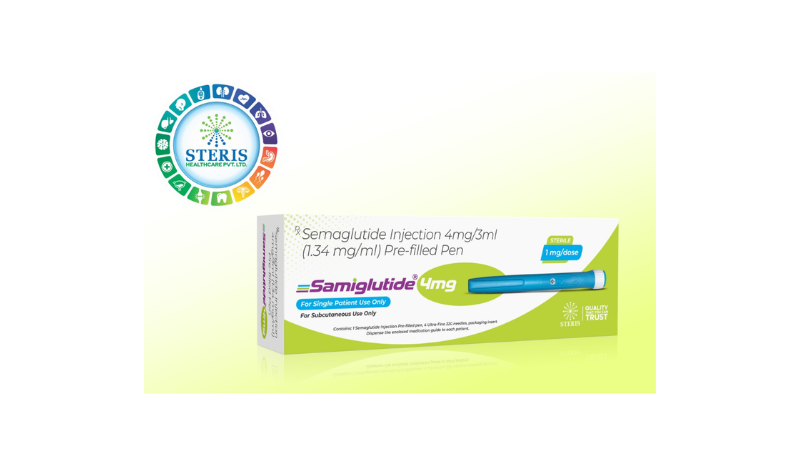
Semaglutide 4mg vs Pancreatitis Risk: What Doctors Want You to Know
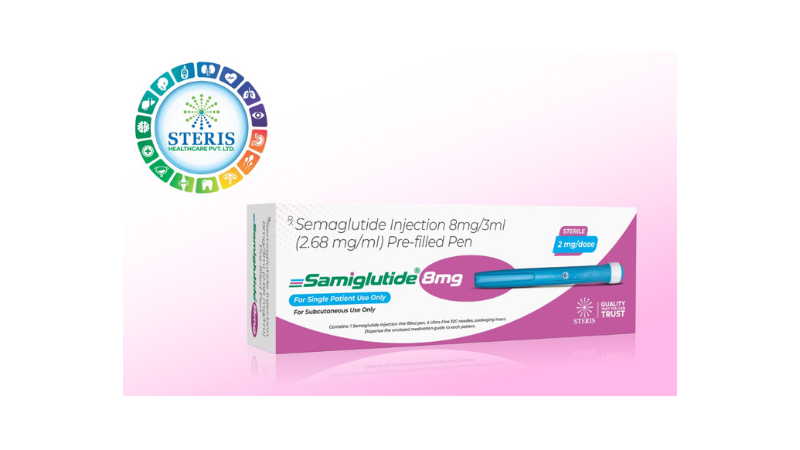
Semaglutide 8mg Injection: Frequently Asked Questions Answered by Experts
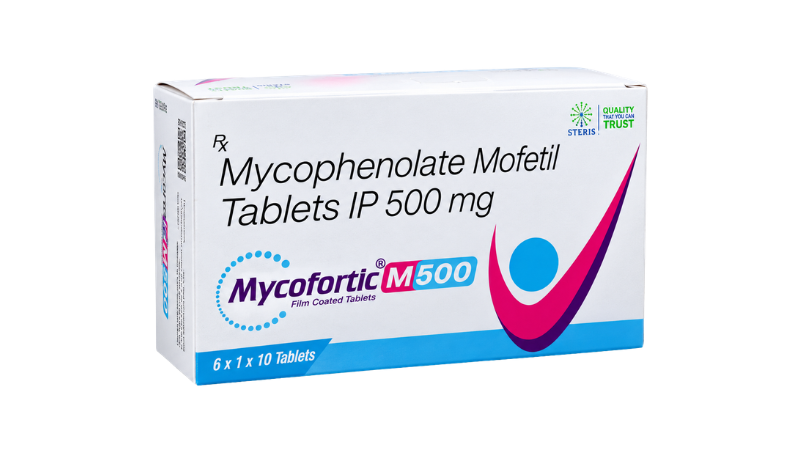
Mycophenolate Mofetil 500mg (Mycofortic M 500): Uses, Benefits & Precautions – Complete Guide
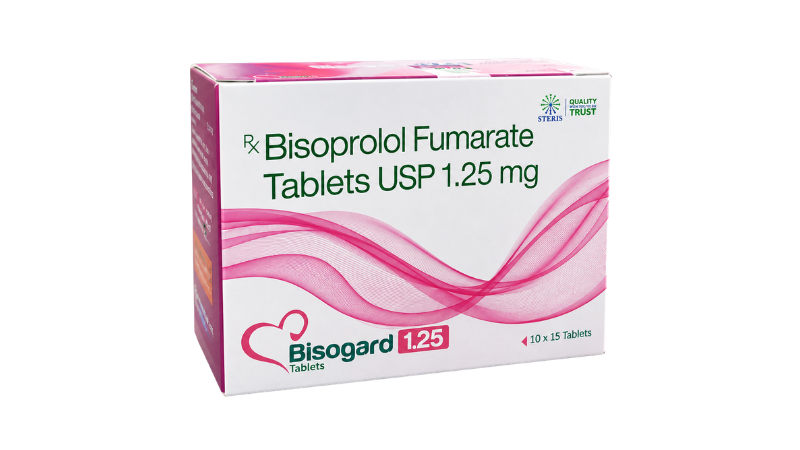
What is Bisogard 1.25? Bisoprolol 1.25mg Uses, Dosage & Side Effects Explained
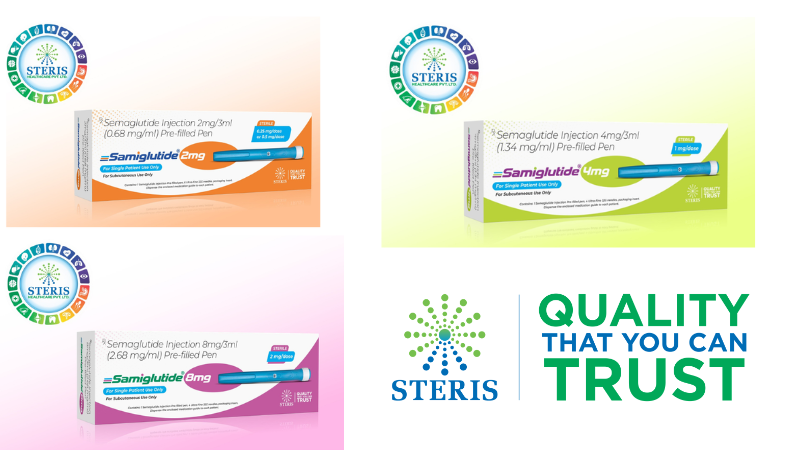
Can Semaglutide Injection Be Used Without Diabetes?
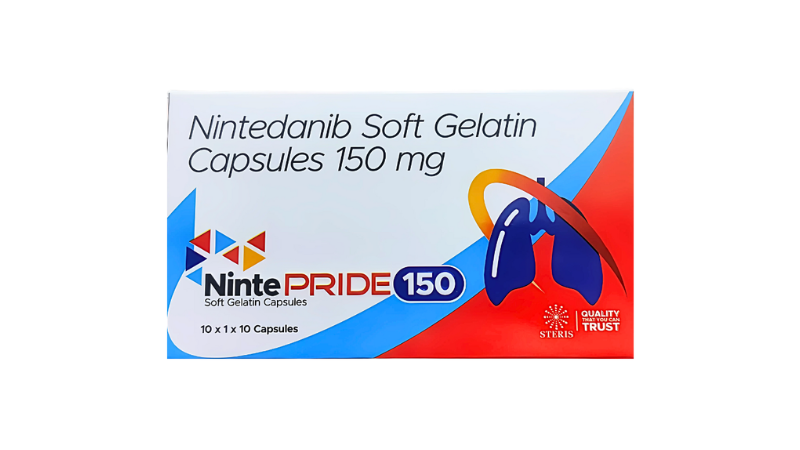
What Are Nintedanib Soft Gelatin Capsules Used For? Complete Guide
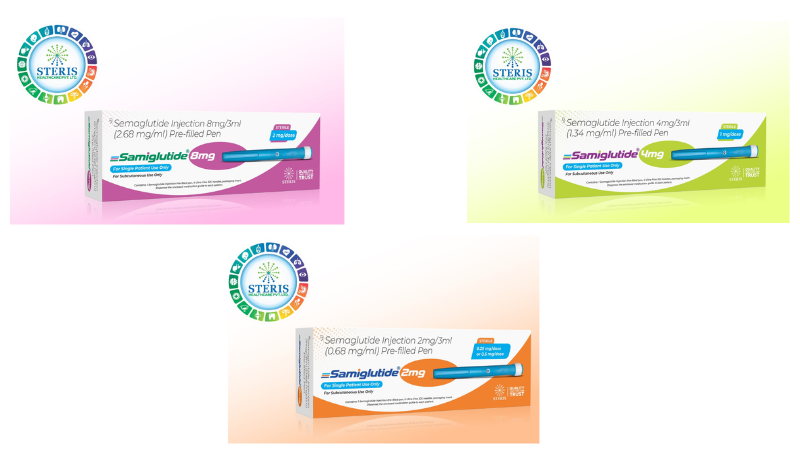
Where to Buy Semaglutide Injection in India: Price, Pen & Prescription Guide
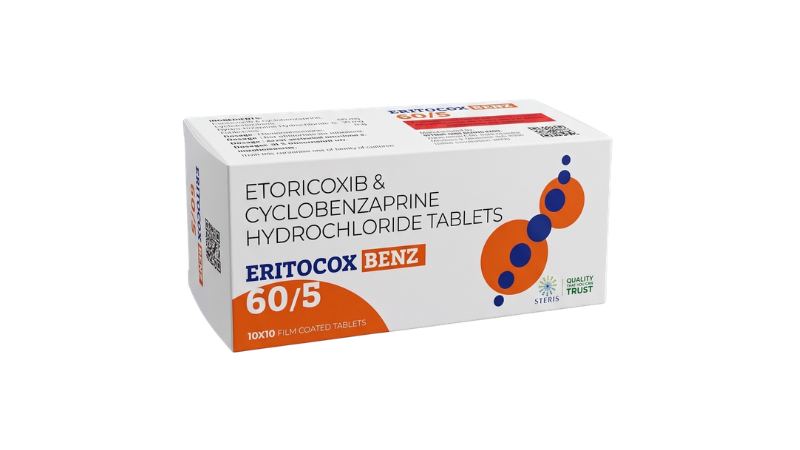
ERITOCOX BENZ 60/5 Dosage Guide: How to Take Etoricoxib & Cyclobenzaprine Tablets Safely
Gabapentin and Methylcobalamin Tablets Side Effects: What Patients Should Know
Thyroxine sodium tablets IP: उपयोग, फायदे और साइड इफेक्ट्स

